
Film
Lydia
- Drama
- Romantic drama
- Slow-burning
A wealthy woman summons four former suitors to reminisce about the love affairs that defined her youth—only to discover that memory and reality have diverged far more than she imagined. Lydia is a delicate chamber piece about how we mythologise our own pasts, built on elegant performances and the melancholy of roads not taken. It's for anyone moved by stories where regret is as important as passion.
If you liked this
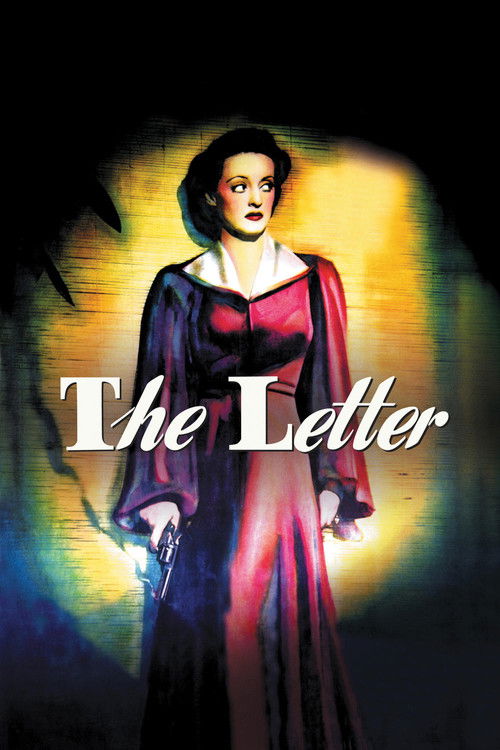
The Letter1940
Bette Davis in a morally complex drama where secrets, past choices, and the gap between appearance and truth drive everything. Like Lydia, it's intimate and psychologically acute, with a woman at the centre wrestling with what she's done.
But It's considerably darker and deals with murder and infidelity in ways that feel heavier than Lydia's bittersweet tone. Some may find the ending uncomfortably fatalistic.
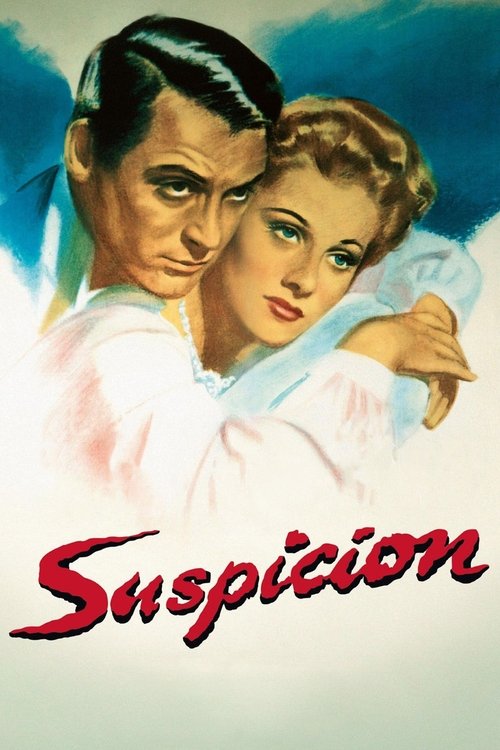
Suspicion1941
Cary Grant and Joan Fontaine in a chamber drama where memory, doubt, and perception become the real story. Like Lydia, it examines what we think we know about people we love, and how easily we can be wrong.
But It's a thriller with genuine menace rather than melancholy. If you want pure romance without the knife's edge of danger, this pivots toward something sharper.
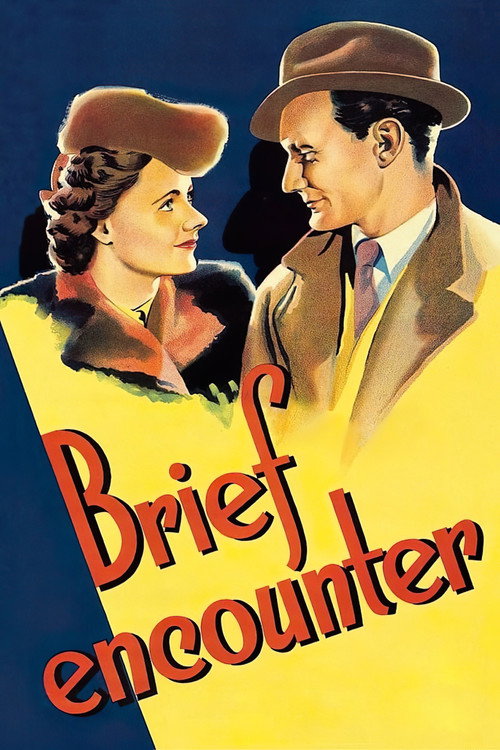
Brief Encounter1945
Two strangers fall into an impossible romance, told with extraordinary emotional honesty. Like Lydia, it's about a love that feels transcendent in the moment but collides with real life—except this one is happening now, not being remembered.
But It's achingly sad and offers no comfort. Some find it beautiful; others just find it depressing. The British restraint takes patience.
Not sure tonight? Get a pick in a minute, starting from Lydia
The wildcard
Something you would not have found on your own.
Letter from an Unknown Woman1948
Both are about the gap between how we think we were loved and the reality of our lover's attention; both make that gap the entire subject.
A woman writes a letter to a man she's loved for years, finally telling him the truth about their entire history—except he doesn't remember her at all. It's Lydia's core idea inverted: not a woman gathering memories, but a man confronting how little he noticed while being observed completely. Max Ophüls directs it as a masterpiece of cinema, and it will break you.
But It's a one-sided love story where the beloved is entirely absent until the very end. If you need mutual recognition or reciprocal feeling, this is deliberately painful in ways that may feel less like catharsis than cruelty.

More like this (8)
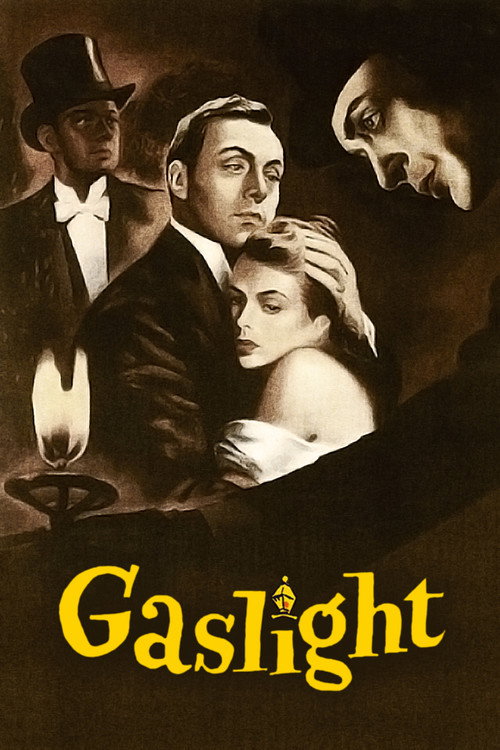
Gaslight1944
A woman unravels the truth about her past and the man she thought she loved. Both films are about how intimacy can blind us, and how necessary it is to see clearly—even when clarity hurts.
But This is a psychological thriller with genuine cruelty at its core. It's darker and more sinister than Lydia's reflective sadness.
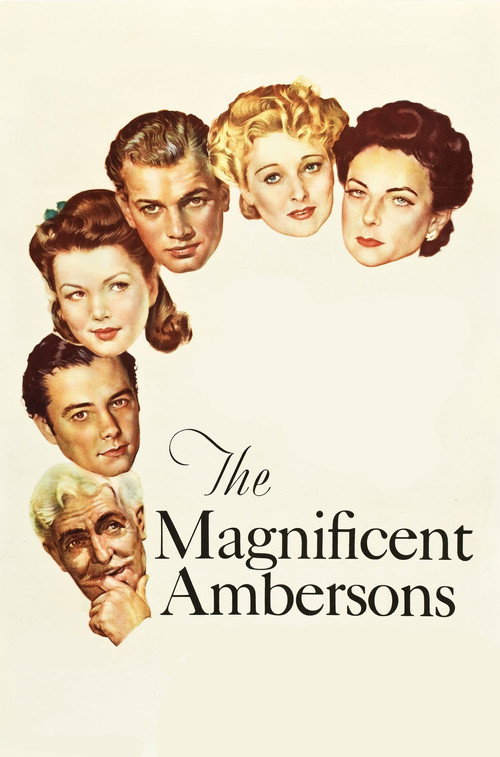
The Magnificent Ambersons1942
An entire family's nostalgia for the past is slowly, painfully revealed as a dangerous delusion. Like Lydia, it's about how we mythologise our own history and the cost of refusing to move forward.
But It's bleak and occasionally unfocused. The studio interfered with Welles's cut, and some scenes drag. The pace is stately rather than gripping.
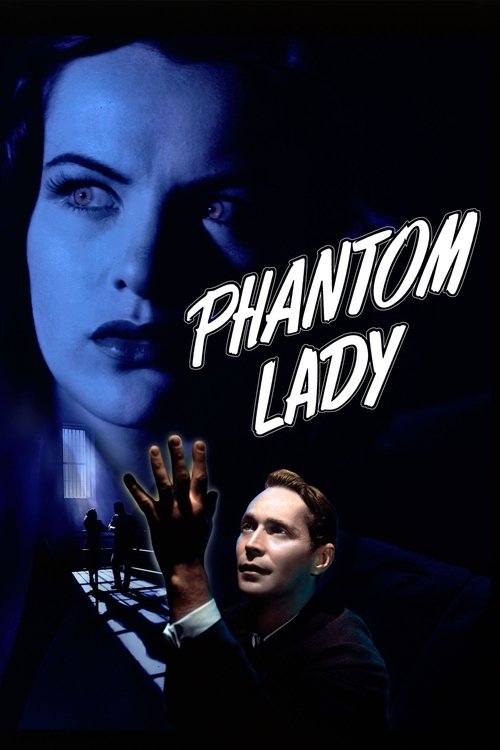
Phantom Lady1944
A woman investigates her husband's past to clear him of murder, uncovering truths that reframe everything she thought she knew. Both share a focus on memory as an unreliable narrator and secrets within elegant social circles.
But It's a film noir with genuine menace and some genuinely twisted characters. It's far more propulsive and sinister than Lydia's quiet melancholy.
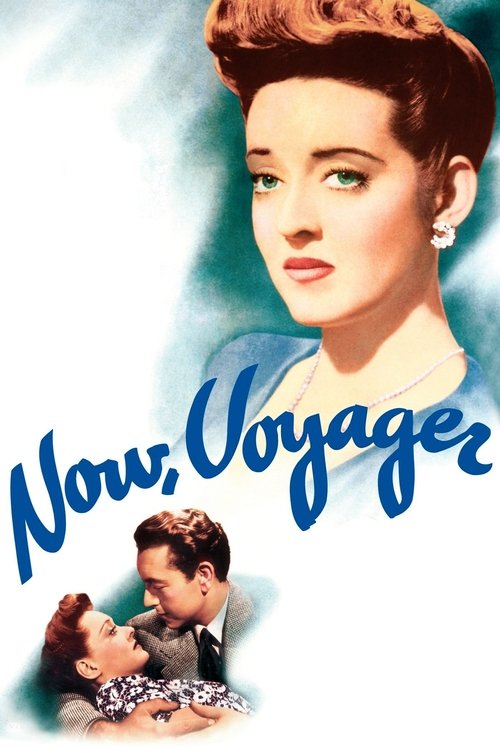
Now, Voyager1942
Bette Davis as a woman who must choose between two loves and the versions of herself each represents. Like Lydia, it's about how we become different people depending on who loves us, and the impossibility of reclaiming the past.
But It's deeply romantic in ways some find saccharine. If you want your melodrama unsweetened, this leans hard into the fairy-tale side of longing.
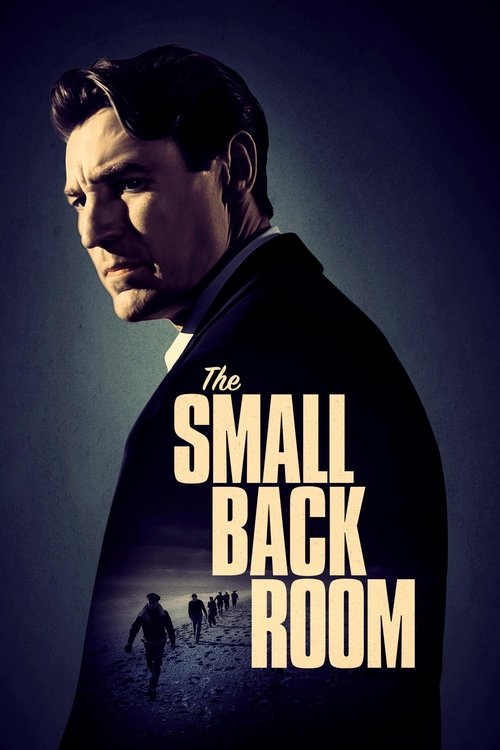
The Small Back Room1949
A technical expert wrestles with trauma, memory, and the impossibility of connection with the woman who loves him. Both are intimate character studies about people trapped by their own pasts, shot through with quiet desperation.
But It's British and deliberately unglamorous. The romance is secondary to the psychological deterioration of the lead. Bleak comfort-food this is not.
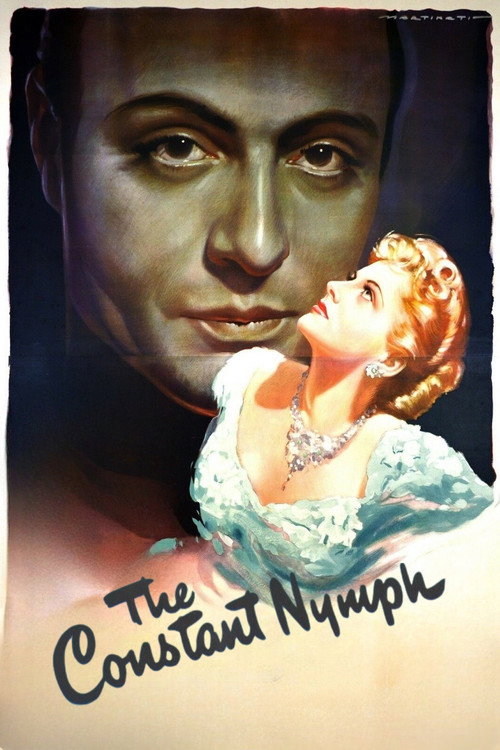
The Constant Nymph1943
A young woman loves a composer who's already entangled elsewhere; she dies before he understands what he's lost. Like Lydia, it's about how love transforms us in ways we don't recognise until it's gone, and how memory becomes a substitute for presence.
But The central tragedy is unearned by modern standards and played as poetry. If you need character motivation beyond 'she loves him, so she wastes away,' you'll find it thin.
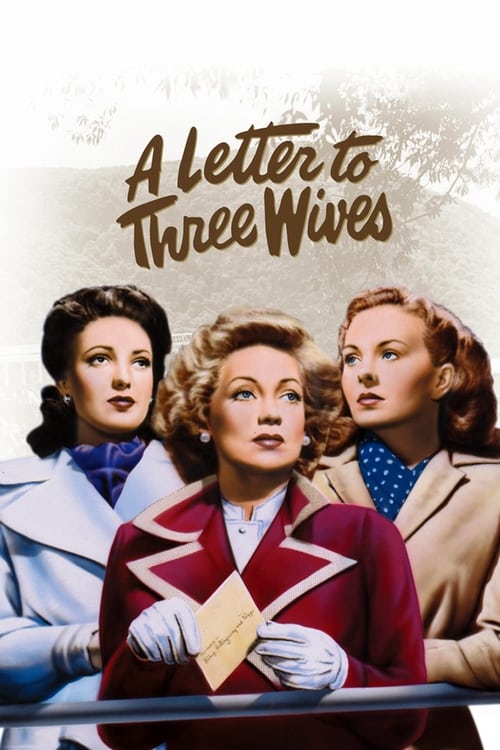
A Letter to Three Wives1949
Both use retrospection and gossip as their engine; both suggest that what we remember about ourselves is less reliable than we'd like to admit.
Three women receive a letter from the wife of one of their husbands, saying she's run off with one of them—and we never find out which. It's a structure of assembled memories, gossip, and speculation about the truth, narrated by Celeste Holm's dry voice. Like Lydia, it builds a portrait of the past through fragments, but it's funnier, more devious, and more interested in how women construct narratives about themselves.
But It's episodic and mannered. The 1949 Hollywood style sits somewhere between screwball and noir in ways that can feel arch. The resolution is somewhat tidy compared to Lydia's acceptance of ambiguity.
Ikiru1952
Both ask what it means to look back on a life and ask 'was any of it real?' Both suggest that love and connection matter most when we're finally honest about them.
A dying bureaucrat looks back on his life and realises he's been sleepwalking through it—except in his final days, he finds one moment of genuine purpose. Kurosawa's masterpiece is about memory, regret, and the possibility of redemption through recognition. It's far more searching than Lydia, and far more moving, but it shares that quality of a life examined too late.
But It's Japanese cinema from 1952, shot in black-and-white, and it's slow and contemplative. The man at the centre is not glamorous or particularly likeable. If you want a story that comforts you, this will not.

People
Cast
 Merle OberonLydia MacMillan
 Edna May OliverSarah MacMillan
 Alan MarshalRichard Mason
 Joseph CottenMichael Fitzpatrick
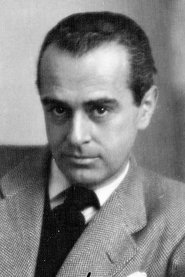 Hans JárayFrank Andre
 George ReevesBob Willard
 John HallidayFitzpatrick
 Sara AllgoodMary
- Billy RayJohnny
- Frank ConlanOld Ned
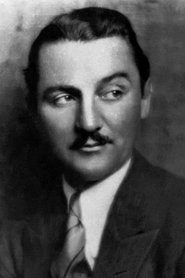 Tyler BrookeVaudeville Singer
 Harry CordingHotel House Detective
Directing
- Horace HoughAssistant Director
- Julien DuvivierDirector
Writing
- André de TothScreenplay
- Ben HechtScreenplay
- Samuel HoffensteinScreenplay
- Julien DuvivierStory
- Leslie Bush-FeketeStory
Production
- Lee GarmesAssociate Producer
- Alexander KordaProducer
- Walter MayoProduction Manager