
Film
The Magnificent Ambersons
Orson Welles's follow-up to Citizen Kane, famously recut by the studio while he was out of the country, survives as a mutilated masterpiece: an elegy for genteel American wealth undone by automobiles, progress, and its own spoiled heir. Slow, hushed, visually astonishing, and quietly devastating even in compromised form. For patient viewers who love tragedy dressed as manners.
If you liked this
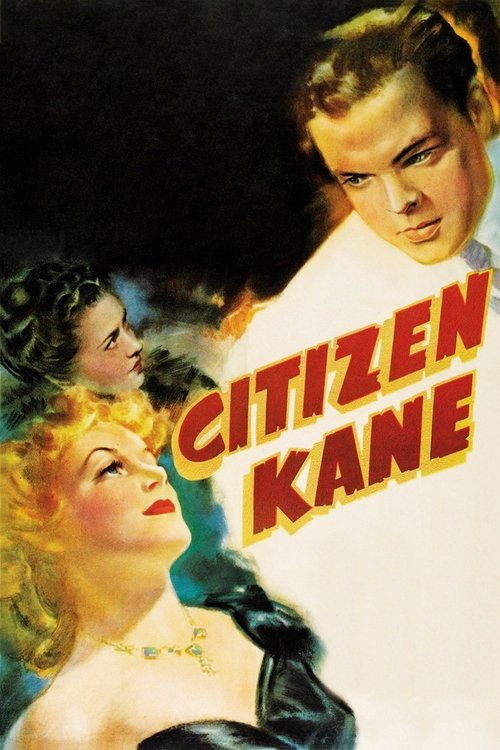
Citizen Kane1941
Welles's very next project, and the one that survived intact. Same restless camera, same obsession with power curdling into isolation, same tragic grandeur, just finished the way he wanted.
But You've probably already seen it, or been told to a hundred times, and the reputation can feel heavier than the film itself.
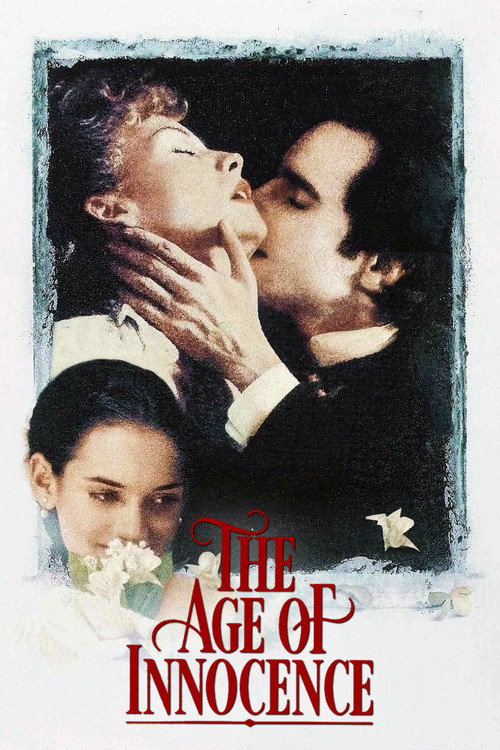
The Age of Innocence1993
Scorsese turns his gangster instincts on drawing rooms instead of docks and finds the same violence in a raised eyebrow. A love strangled by manners and money, gorgeously dressed.
But Glacially paced and mannered by design; if you need raised voices or plot momentum, this will feel like watching wallpaper change.
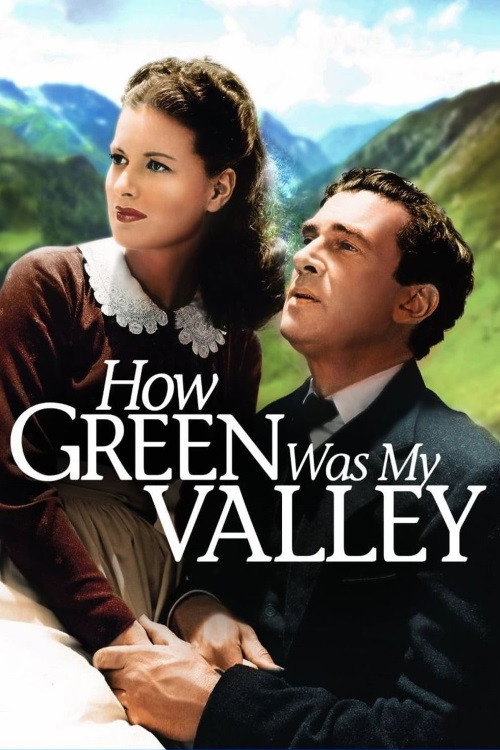
How Green Was My Valley1941
John Ford's elegy for a Welsh mining village, made the same year, mourns a family and a way of life dissolving under industrial change. Just as wistful, twice as tender.
But Sentimental where Ambersons is cold-eyed; the nostalgia runs thicker and the politics of coal mining are softened almost to nothing.
The wildcard
Something you would not have found on your own.
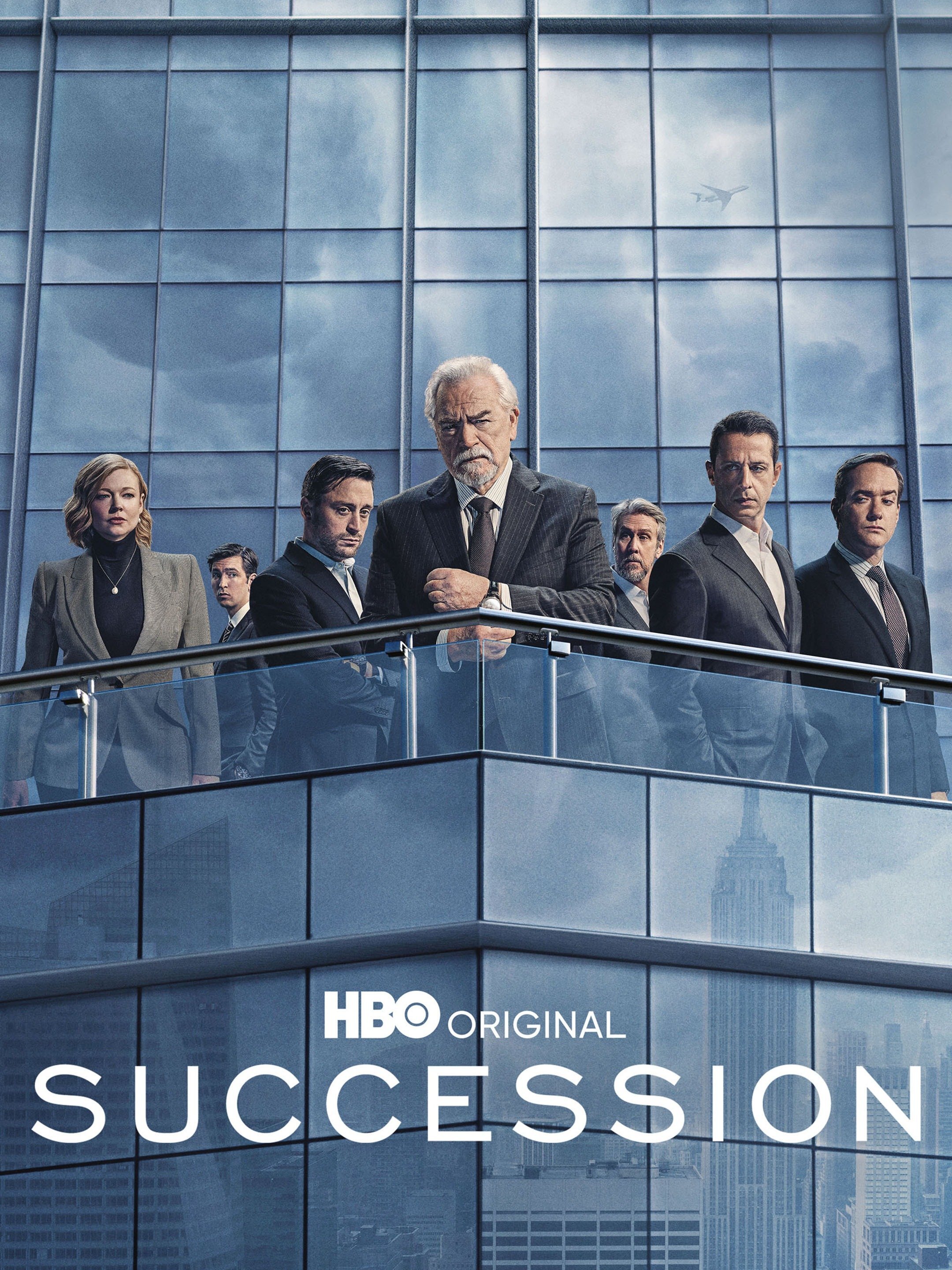
Succession2018
Same skeleton as Ambersons — an heir who can't fill the role his family built for him, a fortune that corrodes everyone near it — but run through prestige-TV satire instead of tragedy.
Four seasons of entitled children fighting over an empire they didn't build, written with a viciousness and wit Welles's stately tragedy never allows itself. Addictive, cruel, brilliant.
But It's a comedy about monstrous people behaving monstrously; if you wanted grace notes or redemption, you will wait a long time.
More like this (8)
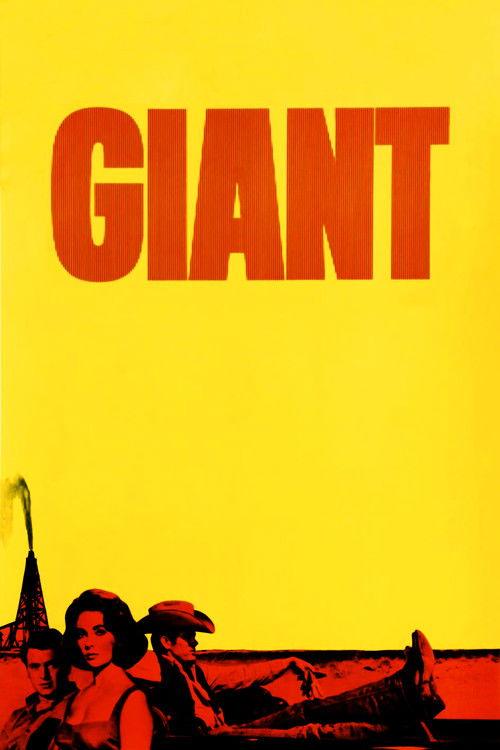
Giant1956
A Texas ranching dynasty gets reshaped by oil money and a stubborn son who won't bend, stretched over three restless hours of American ambition curdling generation by generation.
But Three-plus hours is a real commitment, and its racial politics, progressive for 1956, feel dated and a little pat now.
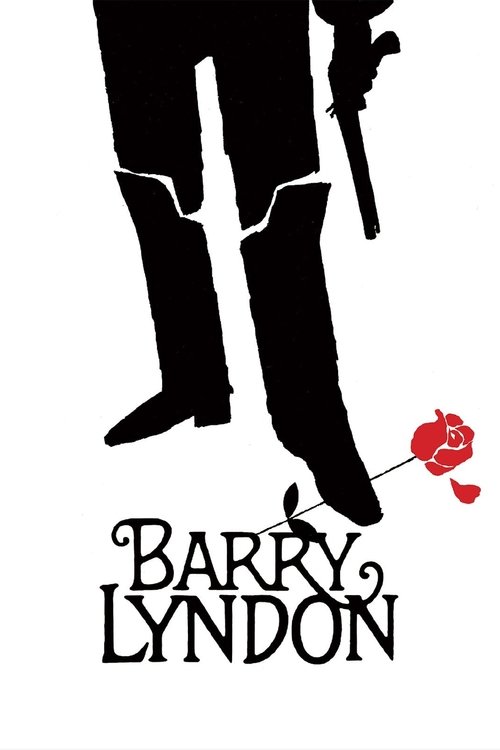
Barry Lyndon1975
Kubrick's cool, candlelit account of a man clawing his way into the aristocracy only to lose everything, shot like a series of paintings that happen to move.
But Deliberately airless and distant; if you want to feel close to anyone onscreen, Kubrick isn't in the business of letting you.
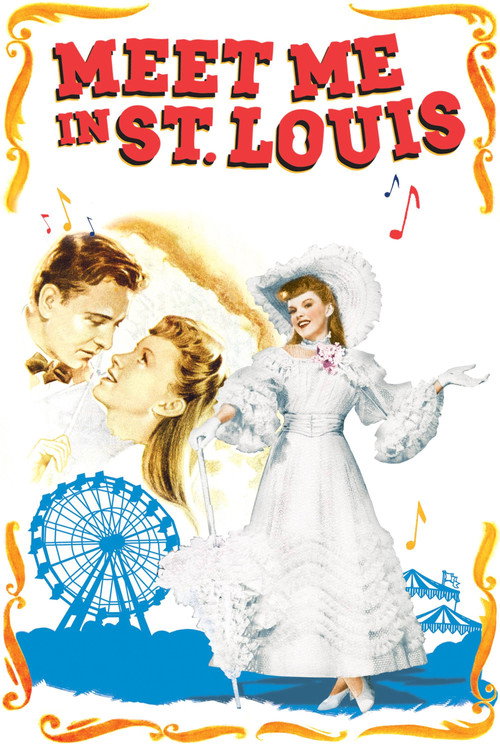
Meet Me in St. Louis1944
The same turn-of-the-century American nostalgia and fear of progress uprooting a family, but sung instead of mourned. Judy Garland glowing through a gentler version of the same anxiety.
But A musical where Ambersons is a tragedy; the sunniness might feel like exactly the wrong emotional key.
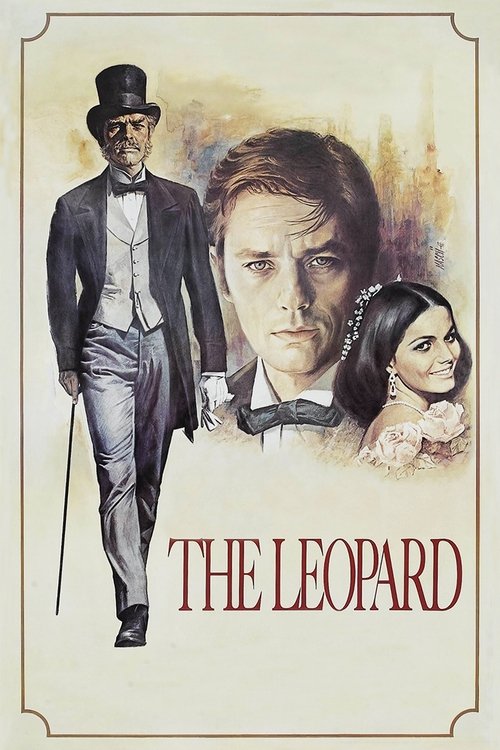
The Leopard1963
Visconti's Sicilian prince watches his entire class become obsolete with weary, magnificent grace; the ballroom sequence alone justifies it for anyone who loved Ambersons's fading grandeur.
But Nearly three hours, largely plotless by design, and it asks real patience for its slow, aristocratic sense of time.
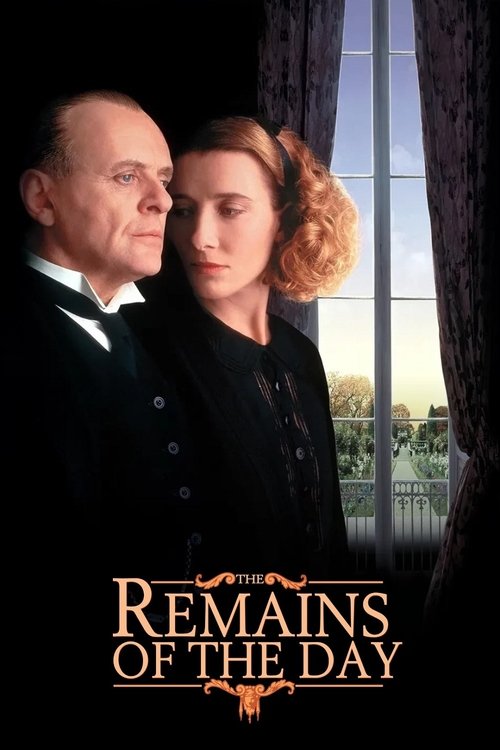
The Remains of the Day1993
A story of duty and repression set against a crumbling English estate, where love goes unspoken until it's too late. Same ache, quieter register, just as devastating.
But Almost unbearably restrained; if you need someone to actually say what they feel, this will frustrate you deeply.
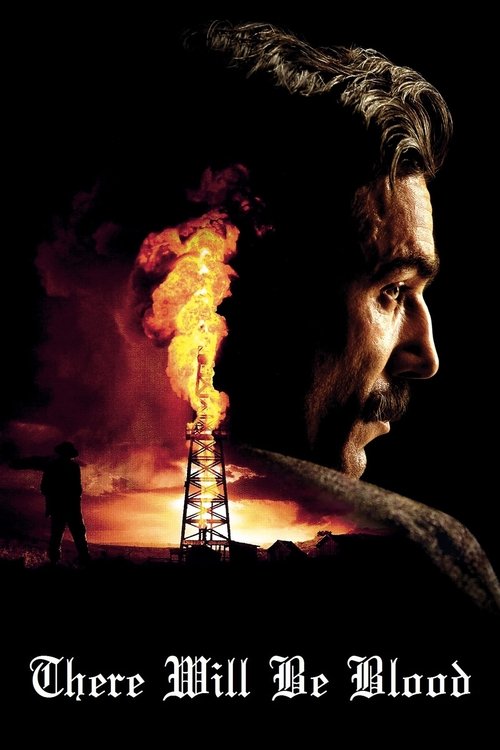
There Will Be Blood2007
Flip the lens: instead of old money declining, watch new money being born, ugly and unstoppable, from the same soil Eugene Morgan's automobiles were about to reshape.
But Brutal and misanthropic where Ambersons is melancholic; there's little of that film's tenderness here, just appetite.
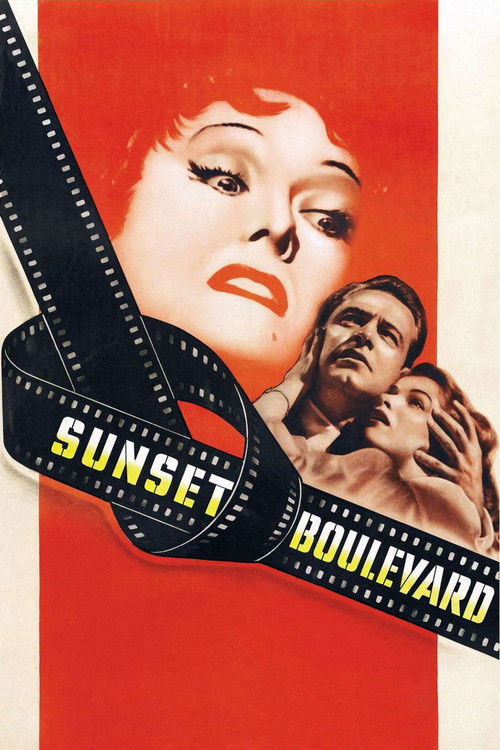
Sunset Boulevard1950
Same subject at heart: a world gone, and a person who refuses to admit it. Norma Desmond is George Minafer's mirror image, clinging to a status the world already revoked.
Billy Wilder's poison-pen love letter to faded Hollywood glamour, narrated by a corpse, is the trashier, funnier, more vicious cousin to Ambersons's genteel mourning of a vanished world.
But Its cynicism is total and its humor very black; there's none of Ambersons's tenderness toward its fading world, only contempt dressed as pity.
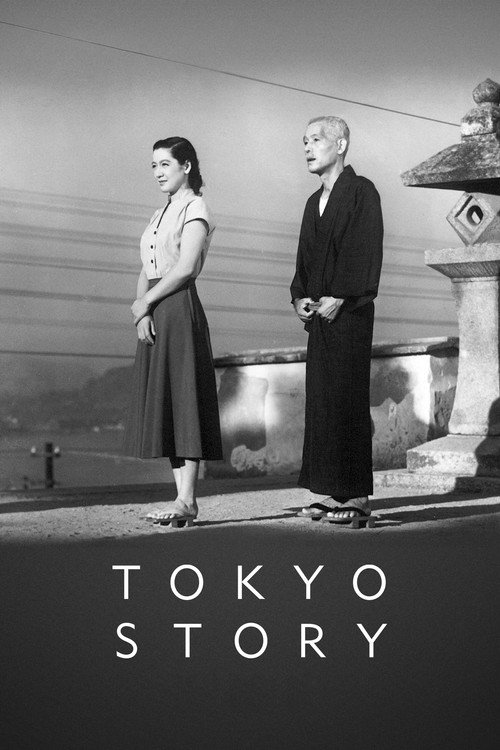
Tokyo Story1953
Ozu's elderly parents, sidelined by children too busy with modern life, are the quiet Japanese answer to the Ambersons' collapse — the same generational abandonment, without a single raised voice.
Ozu tells almost the same story — a family failing each other as the world modernizes around them — at a hush so total it makes Welles look operatic by comparison.
But Nothing dramatic happens by American standards; its power is cumulative and quiet, which can read as uneventful if you're not attuned to it.
People
Cast
 Joseph CottenEugene Morgan
 Dolores CostelloIsabel Amberson Minafer
 Anne BaxterLucy Morgan
 Tim HoltGeorge Minafer
 Agnes MooreheadFanny Minafer
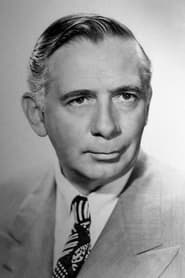 Ray CollinsJack Amberson
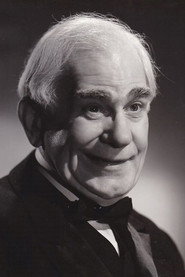 Erskine SanfordRoger Bronson
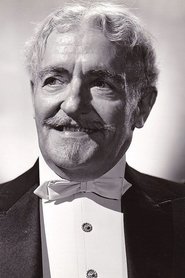 Richard BennettMajor Amberson
 Orson WellesNarrator (voice)
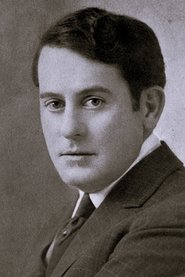 Edwin AugustCitizen (uncredited)
 Georgia BackusMatron (uncredited)
- Harry A. BaileyCitizen (uncredited)
Directing
- Fred FleckAssistant Director
- Harry ManckeAssistant Director
- Robert WiseAssistant Director
- Orson WellesDirector
Writing
- Booth TarkingtonNovel
- Orson WellesScreenplay
Production
- Jack MossAssociate Producer
- George SchaeferExecutive Producer
- Orson WellesProducer
- Fred FleckUnit Manager
Recommended by
The Royal Tenenbaums, Written on the Wind, Long Day's Journey Into Night, Fanny and Alexander