
Film
Written on the Wind
Douglas Sirk's Technicolor fever dream of Texas oil money, terminal boredom, and the people it ruins. Rock Hudson plays it straight while Robert Stack drinks himself toward disaster and Dorothy Malone practically sets the screen on fire with hunger and spite. It's gorgeous, overwrought, and completely serious about its own hysteria — melodrama as social critique, dressed in the loudest colours 1956 could afford.
If you liked this
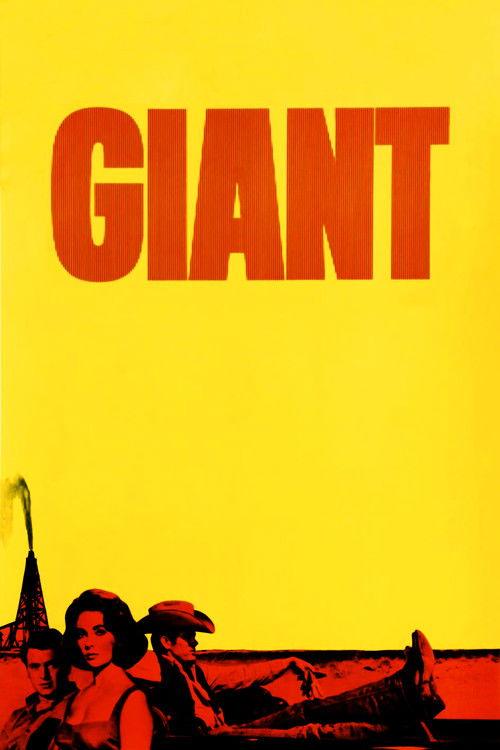
Giant1956
Hudson again, this time as the outsider marrying into Texas oil wealth across three decades — the same world of money and rot, shot with even bigger sky and even bigger ambition.
But Three hours and change; James Dean's role is a supporting one, and the pacing is stately where Sirk's film sprints.
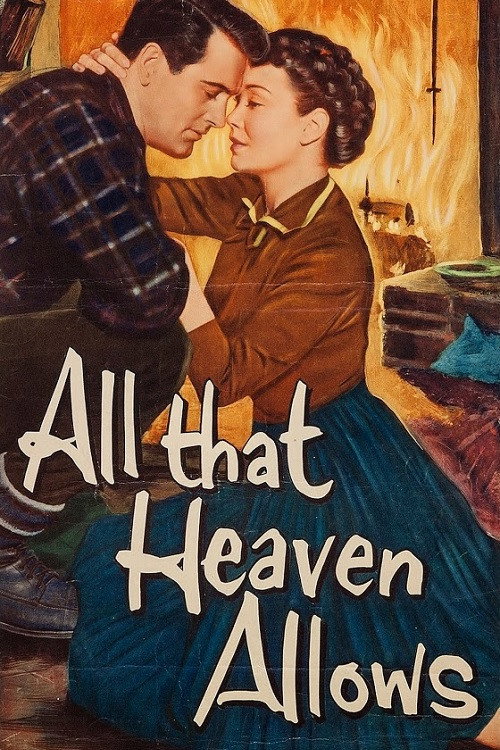
All That Heaven Allows1955
Sirk and Hudson's other, gentler collaboration — a widow scandalises her small town by falling for her gardener. Same lush colour, same quiet fury at respectable people being cruel.
But Slower and sweeter than Written on the Wind; if you wanted more wreckage, this one ends almost tender.
Magnificent Obsession1954no page yet
The Sirk-Hudson melodrama that came first, and somehow goes even further into absurd, glorious coincidence and redemption. If you want to see the formula at its most shameless, start here.
But The plot mechanics are so contrived they occasionally tip from moving into unintentionally funny territory.
The wildcard
Something you would not have found on your own.
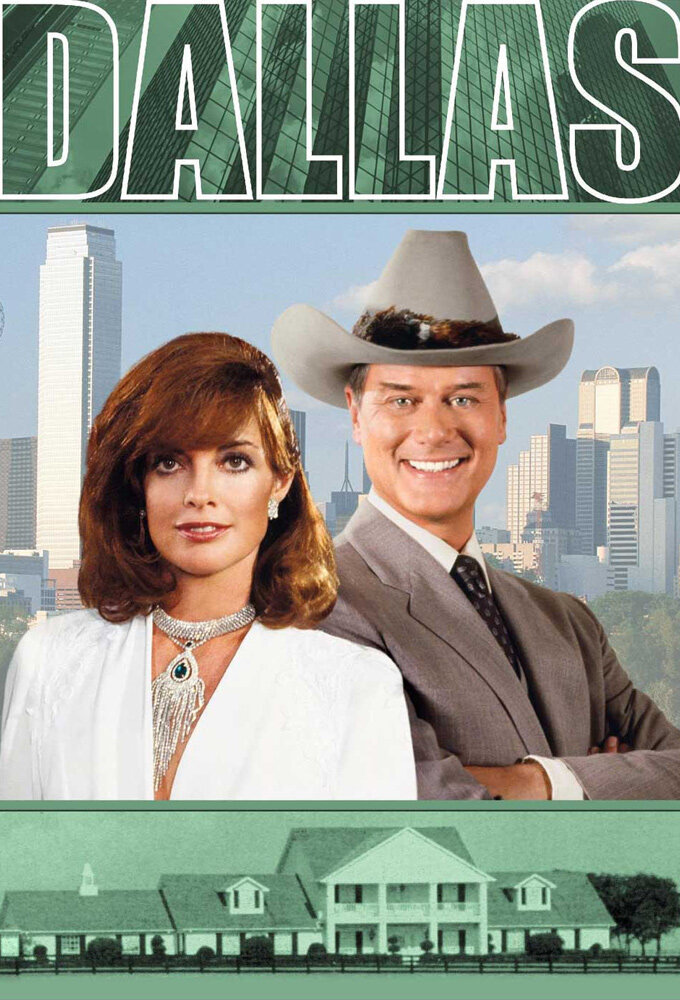
Dallas1978
Dallas takes the Hadley family's oil-and-alcohol wreckage and runs it forever: same Texas dynasty, same doomed marriages, same sibling knives, just serialised instead of compressed into ninety-nine minutes.
The prime-time soap that took Written on the Wind's exact DNA — oil money, drunk heirs, scheming siblings — and stretched it across fourteen seasons of American television. It's the genre's direct descendant.
But It's soap opera at full, unashamed length — hundreds of episodes, endless plot, none of Sirk's visual control.
More like this (8)
Cat on a Hot Tin Roof1958no page yet
Another wealthy Southern family, another drunk son, another marriage curdling under the weight of money and lies. Paul Newman and Elizabeth Taylor bring Tennessee Williams's dialogue to a slow boil.
But The play's more explicit themes were softened for the screen, so some of the original's bite is missing.
The Long, Hot Summer1958no page yet
A Faulkner-flavoured stew of ambition, family pride, and simmering desire in small-town Mississippi, with Newman and Woodward generating real heat. Same appetite for Southern excess, less overt hysteria.
But It's warmer and more optimistic than Sirk's world — you get resolution here, not ruin.
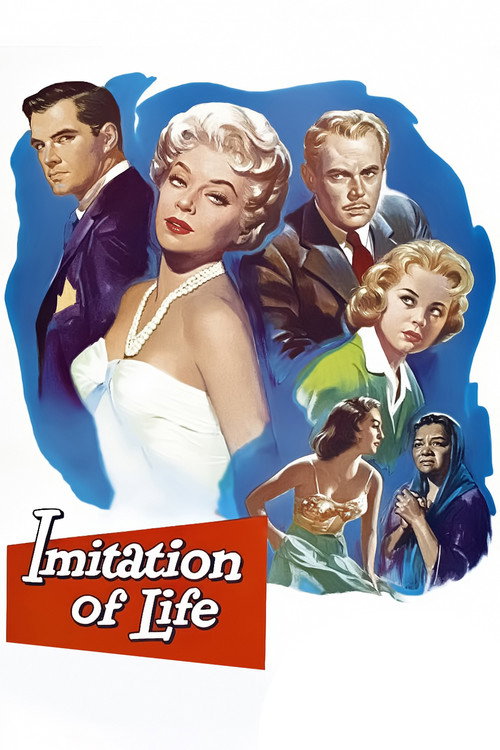
Imitation of Life1959
Sirk's final Hollywood melodrama, and his most emotionally devastating — a story of mothers, daughters, race, and the lies people tell to survive respectability. Even more tears, even bolder colour.
But Its handling of race, though sincere for 1959, can feel dated and uncomfortable to modern eyes.
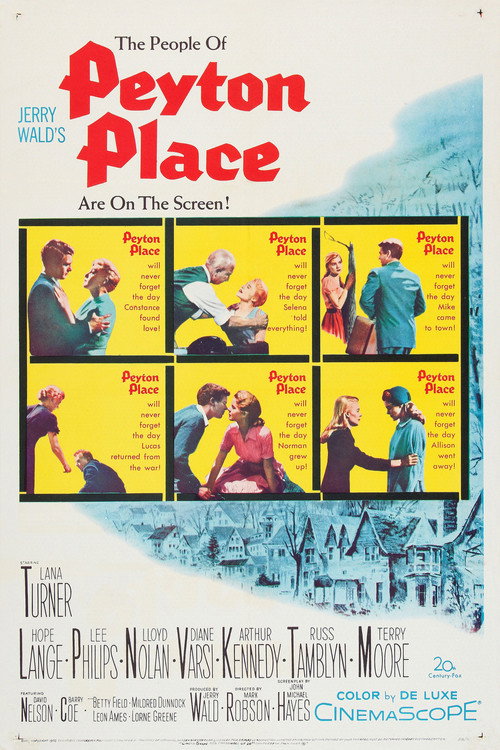
Peyton Place1957
Small-town New England hides scandal, cruelty, and secrets under a placid postcard surface — the same trick of gorgeous surfaces masking rot, just swapped for cooler climates and different sins.
But It's soapier and more plot-heavy, with less of Sirk's visual delirium or careful directorial control.
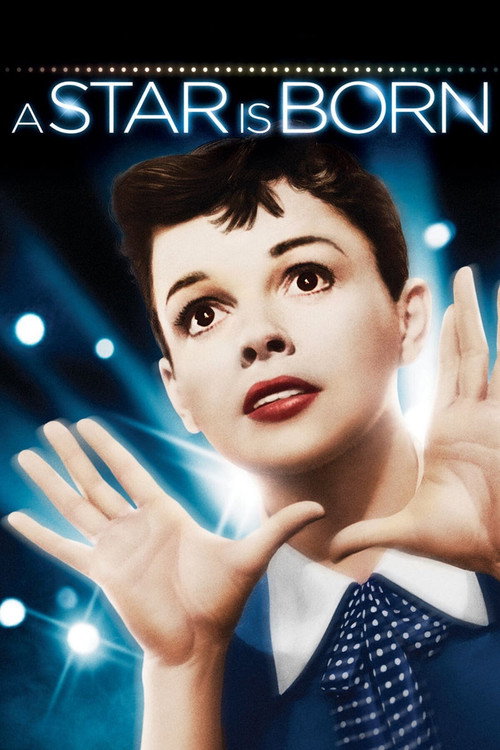
A Star Is Born1954
Judy Garland and James Mason turn Hollywood itself into a melodrama of addiction, jealousy, and self-destruction — different industry, same doomed marriage and same appetite for glamorous ruin.
But It's a musical at heart, and three hours of it, which shifts the tone considerably from Sirk's brisk cruelty.
Some Came Running1958no page yet
Frank Sinatra as a drifter dragged back into small-town scandal, drink, and doomed love — a moodier, more masculine cousin to Sirk's world, directed by Vincente Minnelli with real style.
But It's less colour-saturated and campy, more melancholy noir than glossy melodrama — a different flavour of heartbreak.
The Magnificent Ambersons1942no page yet
Both films watch inherited money curdle a family from the inside, with a weak son at the centre of the ruin — Ambersons got there first, and stayed austere where Sirk turned it into spectacle.
Orson Welles's tragedy of a wealthy family destroyed by its own spoiled, feckless son predates Sirk by fourteen years and does it in black-and-white austerity instead of lurid colour — same rot, colder register.
But The studio famously butchered the ending, and Welles's absence from the final cut shows in places.
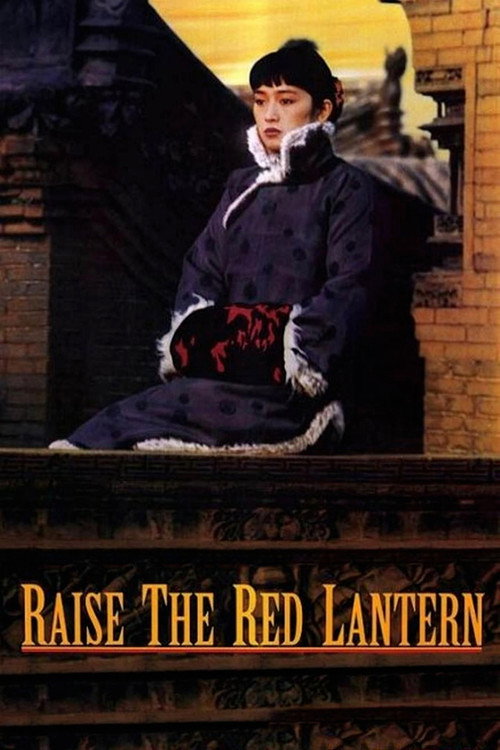
Raise the Red Lantern1991
Swap Texas oil for a warlord's household and Sirk's saturated colour for Zhang's formal red-and-grey stillness, and you get the same story: money buys a cage, and the women inside it destroy each other for scraps of attention.
Zhang Yimou's story of concubines competing for a wealthy man's favour inside a walled Chinese household runs on Written on the Wind's exact engine — jealousy, wealth, entrapment — transplanted entirely to another culture and century.
But It's slower, quieter, and far more visually controlled than Sirk's hysteria — patience is required, not encouraged.
People
Cast
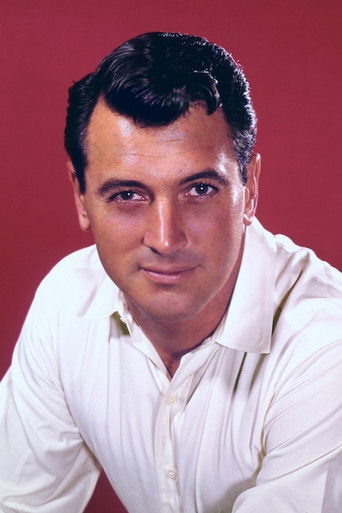 Rock HudsonMitch Wayne
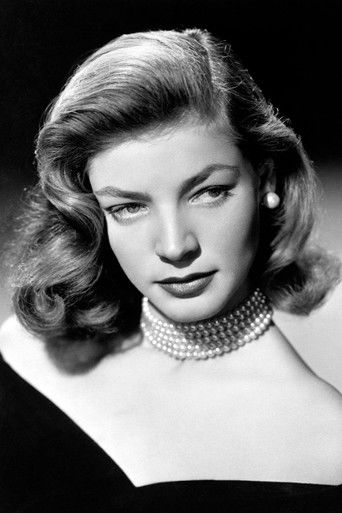 Lauren BacallLucy Moore Hadley
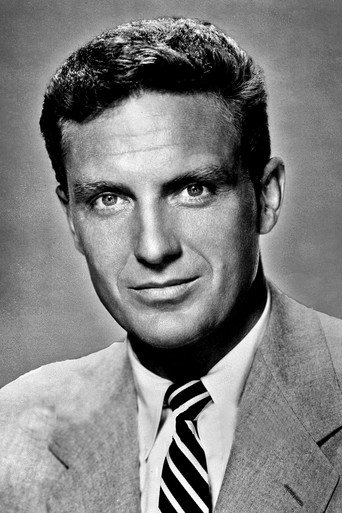 Robert StackKyle Hadley
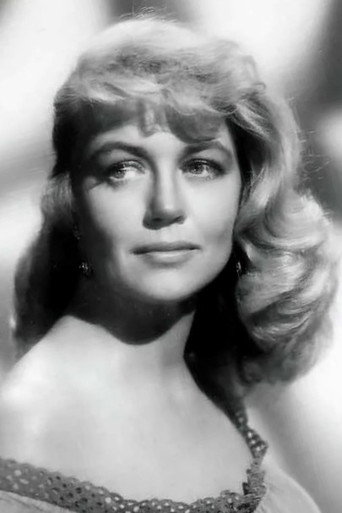 Dorothy MaloneMarylee Hadley
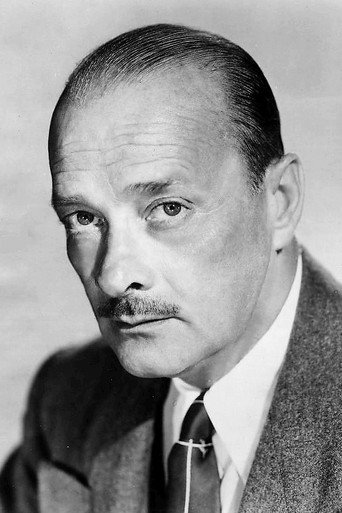 Robert KeithJasper Hadley
 Grant WilliamsBiff Miley
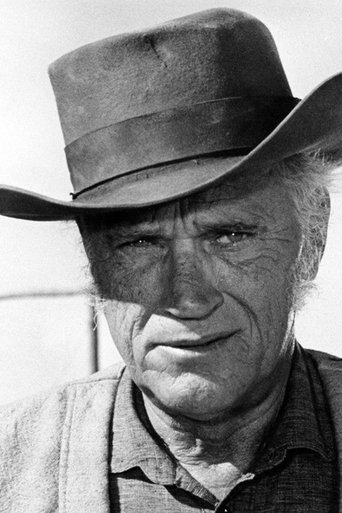 Robert J. WilkeDan Willis
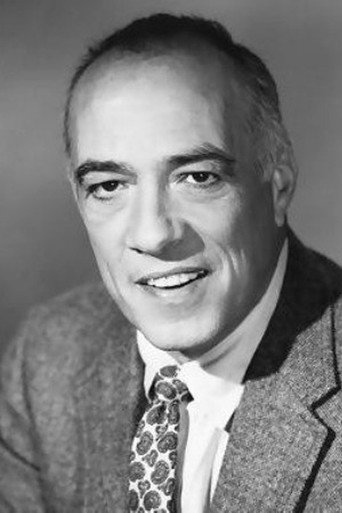 Edward PlattDr. Paul Cochrane
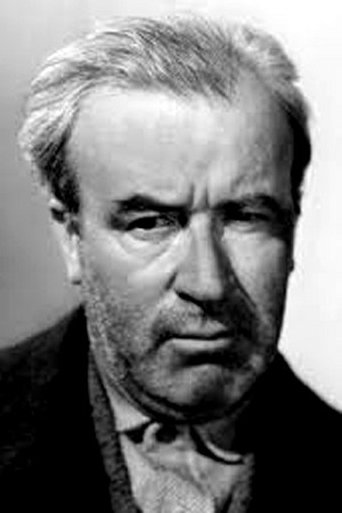 Harry ShannonHoak Wayne
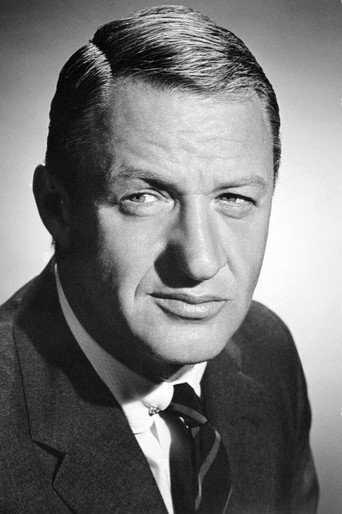 John LarchRoy Carter
- Joseph GranbyR.J. Courtney
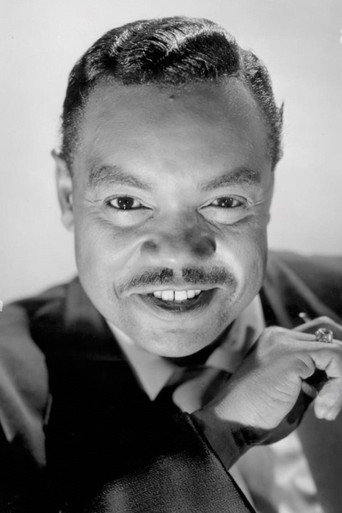 Roy GlennSam
Directing
- William HollandAssistant Director
- Wilson ShyerAssistant Director
- Douglas SirkDirector
Writing
- Robert WilderNovel
- George ZuckermanScreenplay
Production
- Albert ZugsmithProducer
- Norman DemingUnit Manager
Recommended by
Imitation of Life, The Umbrellas of Cherbourg, Giant, All That Heaven Allows, Hud, Soap, Dynasty, Dynasty, Tyler Perry's The Haves and the Have Nots, Peyton Place, East of Eden, Duel in the Sun, A Summer Place, Splendor in the Grass, Wild at Heart, Penthouse: War in Life, Senso, A Place in the Sun, The Earrings of Madame de...