
Film
Ticket of No Return
- Social drama
- Very dark
A fashionably dressed woman arrives in Berlin to systematically drink herself to death. Ulrike Ottinger's 1979 film is a surrealist cabaret of melancholy and style, performed by an ensemble that speaks in abstractions—Social Question, Exact Statistics, Common Sense—rather than dialogue. Strange, formally audacious, hypnotic. For viewers drawn to cinema as artistic statement over narrative comfort.
Should you watch it?
Watch it if you love films that trade plot for lacquered images and deadpan absurdity, where a city's ugliness is handled like a fashion editorial and every frame looks composed.
Skip it if you need narrative momentum, since this drifts through encounters with little cause-and-effect and its deliberate artifice can feel cold rather than playful.
What it asks of you: Settle in for well over an hour and a half of slow, staged tableaux, where long still shots and sparse talk ask you to watch rather than follow.
Not sure? Find tonight's pick in a minute.
If you liked this
Mulholland Drive2001
Lynch's fractured Los Angeles dream shares Ticket's fascination with surface beauty masking interior emptiness, performative identity, and the unreliability of narrative itself. Both films reward disorientation.
But Demanding non-linearity that refuses to resolve. If you want clarity or plot momentum, neither film will oblige.

In the Mood for Love2000
Wong Kar-wai's studied visual perfection—every frame a painting—echoes Ottinger's commitment to style as the film's true subject. Both move at their own hypnotic pace, seduction over action.
But Glacially paced. The emotional restraint and formal beauty may feel remote or frustratingly slow.

Stalker1979
Tarkovsky's meditative sci-fi and Ottinger's Berlin cabaret share a disdain for conventional storytelling and a belief that cinema should be contemplative, even difficult. Both trust viewers to find meaning in duration.
But Over three hours of deliberate slowness. Some will experience it as profound, others as tedious.

Not sure tonight? Get a pick in a minute, starting from Ticket of No Return
The wildcard
Something you would not have found on your own.
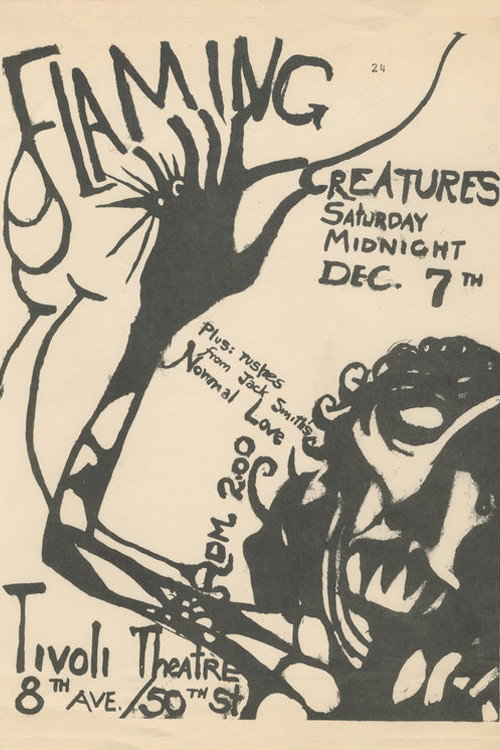
Flaming Creatures1963
Both treat the body, beauty, and social destruction as interchangeable theatrical materials; both are baroque, sensual celebrations of the ugly.
Jack Smith's underground film is similarly transgressive cabaret: drag, abstraction, the body as costume, decay as spectacle. Both films treat degradation as aesthetic principle rather than tragedy, creating dark beauty from refusal and dissolution.
But Extremely graphic. Shot on scratched 16mm, pornographic in register, with no plot or dialogue. Banned in many places and remains genuinely transgressive.
More like this (7)
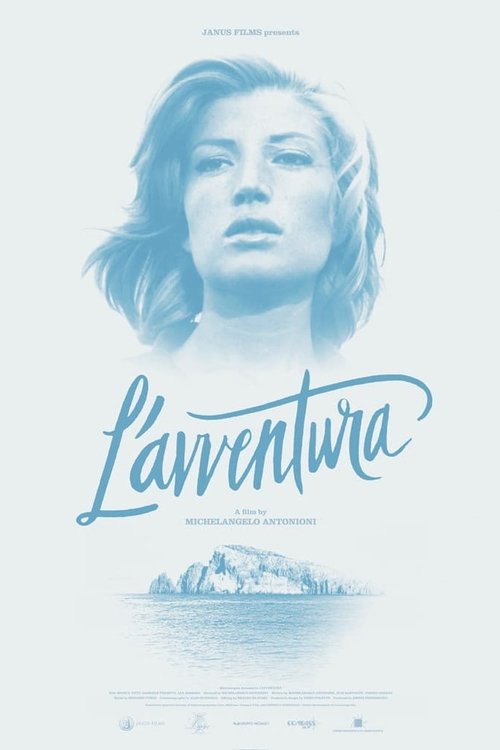
L'Avventura1960
Antonioni's ennui-soaked cinema explores alienation and the performance of self. Like Ticket, it uses enigmatic imagery and refusal of plot satisfaction to create a mood of dissociation.
But A woman disappears and nobody really cares—or tries. The passivity of the characters can feel hollow rather than meaningful.
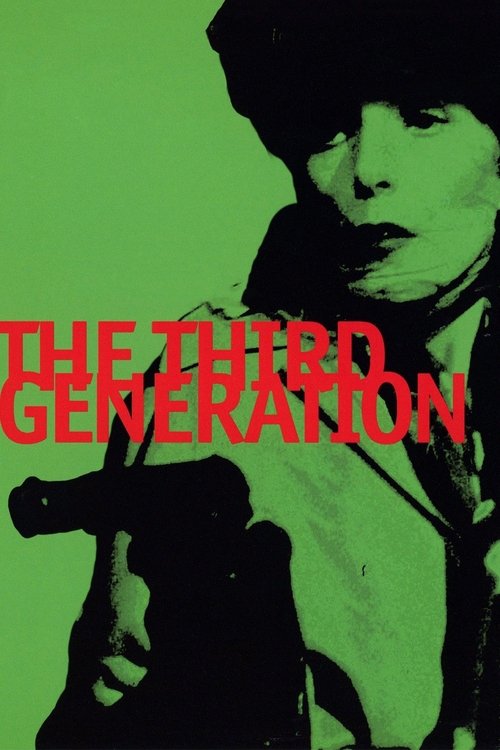
The Third Generation1979
Fassbinder's contemporaneous examination of identity, ideology, and performance within an ensemble speaks to similar preoccupations: how we perform ourselves, what's real, what's costume.
But Chaotic, deliberately unstable narrative. Fassbinder's provocation can read as confused rather than clarifying.
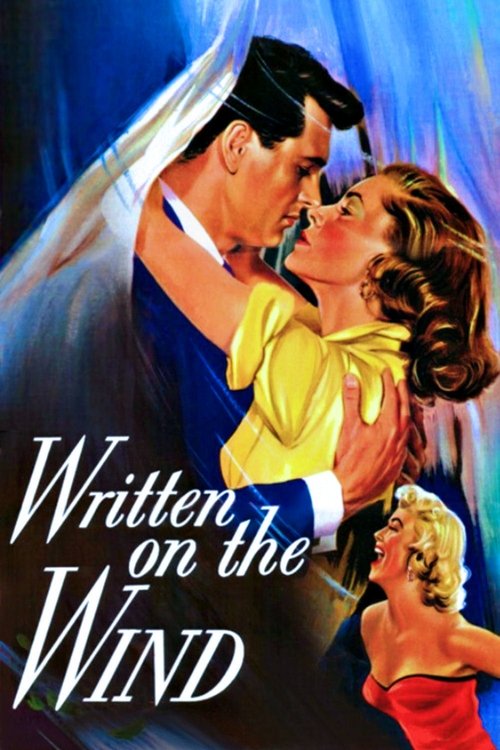
Written on the Wind1956
Douglas Sirk's melodrama is pure visual excess and symbolic performance—alcohol, wealth, decay—rendered in saturated colour. Shares Ticket's belief that surfaces contain psychological truth.
But Melodramatic to the point of abstraction. If you want realism, Sirk is the opposite direction.
M1931
Fritz Lang's Weimar Berlin, where society itself becomes a character—each social type, each archetype. Ticket inherits this expressionist philosophy: the city and its abstractions as the true subject.
But Early sound film aesthetics and pacing feel dated. The talkiness can jar modern sensibilities.

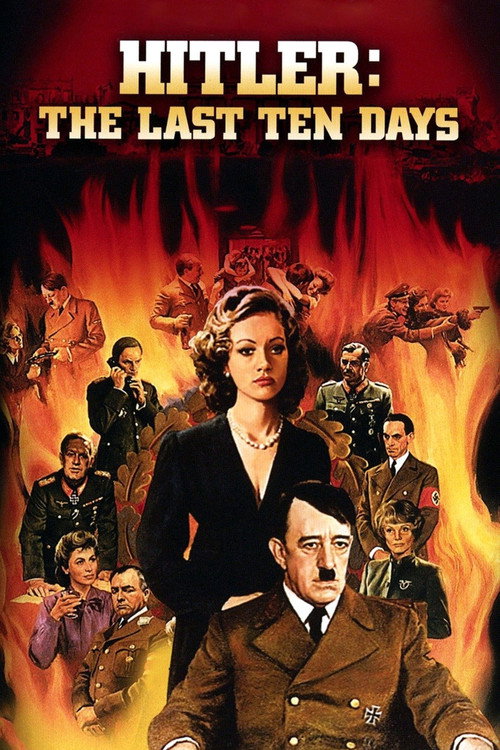
Hitler: The Last Ten Days1973
Ottinger's own earlier work shares thematic DNA with Ticket: performance, decay, ritual, and the body as text. A logical entry point to understand her formal and conceptual approach.
But Even more oblique and experimental than Ticket. Finding it difficult may be an understatement.
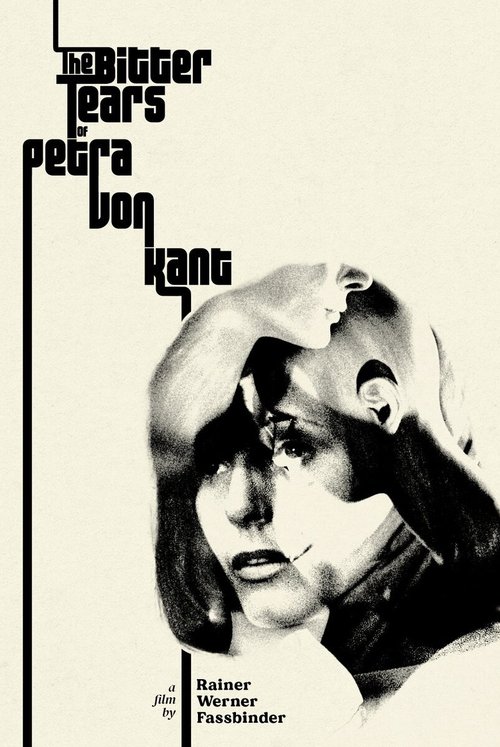
The Bitter Tears of Petra von Kant1972
Both films present women whose identity collapses into surface and costume; both use static formality to reveal psychological states; both are ruthlessly slow about showing dissolution.
Fassbinder's chamber play, staged entirely in one room with an almost motionless camera, presents a woman surrounded by attentive others whose dialogue fragments her identity. Intimate, claustrophobic, theatrical—the inverse of Ticket's Berlin sprawl but identically concerned with performance and female self-obliteration.
But Feminist melodrama shot as a play. If you need visual variety or forward momentum, this stalled-room approach will frustrate.
Pandora's Box1929
Both feature women whose bodies and appearance are their only language; both are Weimar Berlin obsessions with decadence as visual destiny; both treat the female figure as a cipher for social decay.
Pabst's silent Weimar classic: Louise Brooks as the amoral, seductive Lulu, beautiful and destructive, passing through male hands without agency or change. Ottinger's protagonist echoes this archetype—the woman as style without interiority, beautiful precisely because empty. The DNA of cinema's fatale.
But 1929 silent film with intertitles; the pacing is pre-sound era and may feel archaic. The misogyny is historical, not ironic.

People
Cast
- Lutze Trinkerin vom Zoo
 Magdalena MontezumaSoziale Frage
- Orpha Termin Exakte Statistik
- Monika von CubeGesunder Menschenverstand
- Paul GlauerZwerg
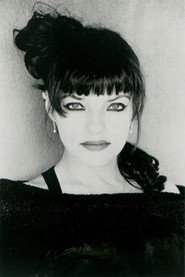 Nina HagenSängerin in Taxifahrerkneipe
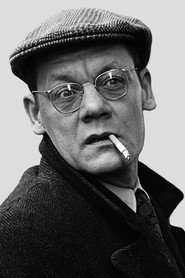 Günter MeisnerDirektor Willi
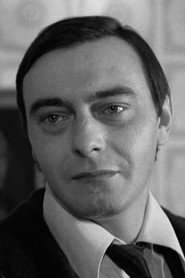 Kurt RaabChef
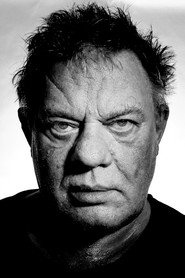 Volker SpenglerTransvestit
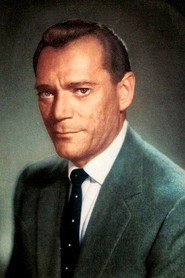 Eddie ConstantineKüstler
Directing
- Ila von HaspergAssistant Director
- Ulrike OttingerDirector
Writing
- Ulrike OttingerWriter
Production
- Renée GundelachConsulting Producer
- Eckart SteinProducer
- Tabea BlumenscheinProducer
- Ulrike OttingerProducer
- Ursula SteinProducer
- Marianne GassnerProduction Manager
- Monika SchmidUnit Manager