
Film
Flaming Creatures
- Dark fantasy
- Strange
Jack Smith's 42-minute fever dream of a film: campy, hallucinatory, deliberately trashy. Drag performers and androgynous figures vamp through a haunted studio set, collapsing the boundary between seduction and menace, comedy and horror. Technically banned for decades. It's confrontational and strange—for viewers hungry for cinema that actively refuses to behave.
Should you watch it?
Watch it if you love handmade underground cinema where camp glamour, restless staging and dreamlike disorder count for more than story, and you don't mind being left to make sense of it yourself.
Skip it if you need narrative momentum or a clear grip on characters, since this is loose, sprawling and deliberately messy, and its rawness may wear thin.
What it asks of you: Short at forty-two minutes, but dense: it wants full attention, cycles through repeated images and provocations rather than building a line, and tolerates no half-watching.
Not sure? Find tonight's pick in a minute.
If you liked this
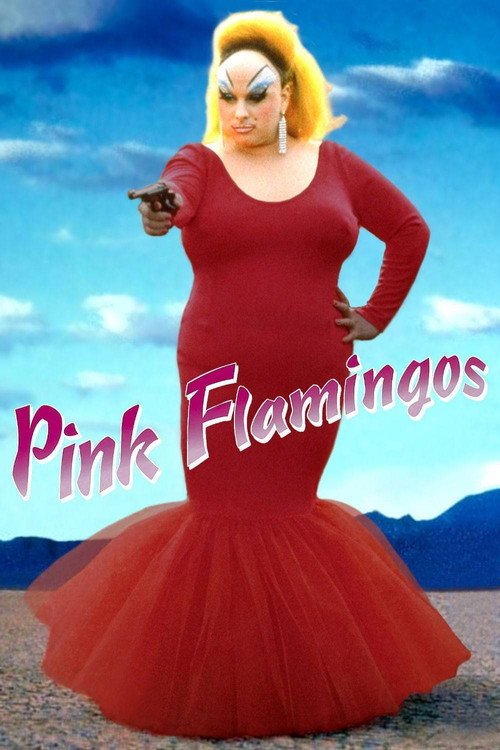
Pink Flamingos1972
John Waters' grotesque masterpiece of bad taste transformed into high art. Transgressive, funny, obscene—it uses shock as language. If you loved Flaming Creatures' refusal to apologize, this goes further.
But The final scene is infamous for reasons that aren't metaphorical. Genuinely testing, even for people who think they're ready.
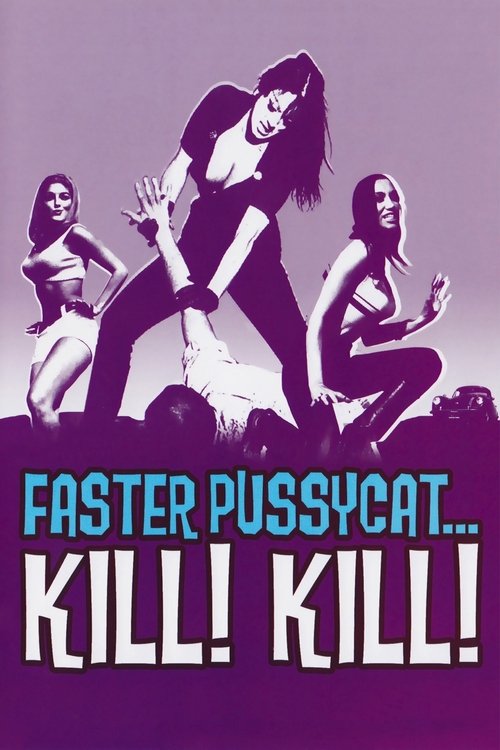
Faster, Pussycat! Kill! Kill!1965
Russ Meyer's wild, campy exploitation film about a trio of go-go dancers. High energy, saturated colour, women who are dangerous and fun. Trashy on purpose, deadly serious about it.
But The gender politics are complicated and sometimes ugly, even accounting for the era. Requires intellectual charity alongside entertainment.
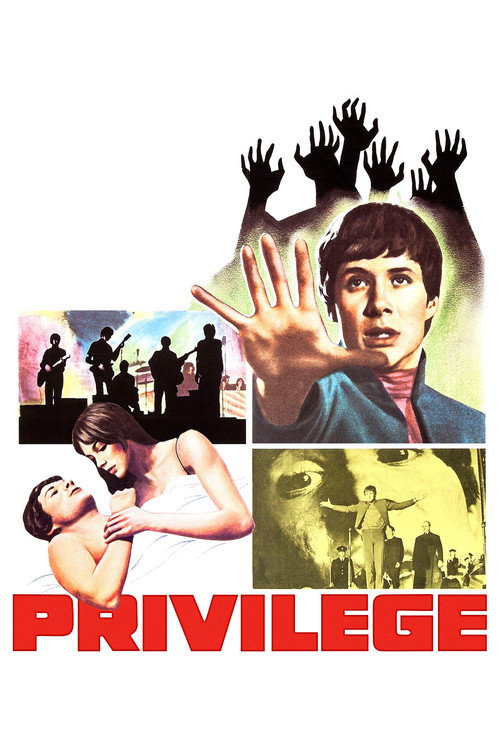
Privilege1967
Peter Watkins' dark parable about a pop star groomed as a tool of state control. Stunning to look at, genuinely unsettling. Camp surfaces but quickly curdles into dread.
But Shot as pseudo-documentary with newsreel narration; the flatness of tone might feel cold rather than provocative.
Not sure tonight? Get a pick in a minute, starting from Flaming Creatures
The wildcard
Something you would not have found on your own.
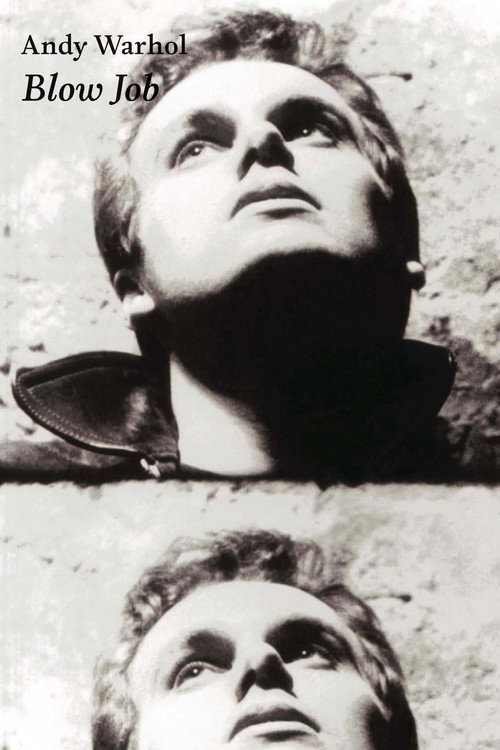
Blow Job1964
Both Smith and Warhol used queer sexuality as formal material, not plot. Both believed the camera watching was the point.
Andy Warhol's eight-minute single take of a man receiving oral sex, filmed like a portrait. Radical in its directness. Strips performance of artifice and somehow makes it tender. A direct ancestor of Flaming Creatures' sexual politics.
But It is literally what the title describes. If you need narrative or conventional cinema grammar, you won't find it. Not arousing; something else entirely.
More like this (7)
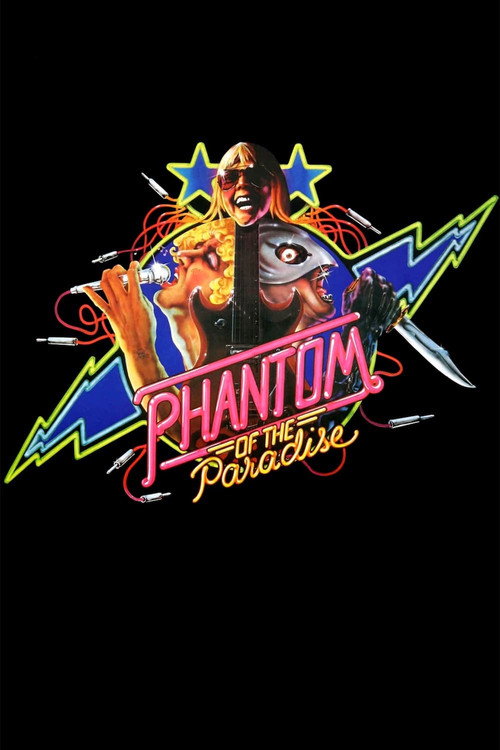
Phantom of the Paradise1974
Brian De Palma's operatic rock horror-comedy hybrid about an artist destroyed and resurrected. Gorgeous, campy, melodramatic. Loves the artificiality of performance and spectacle.
But Tonal shifts between horror, satire and sincere romance might feel uneven rather than thrilling to some viewers.
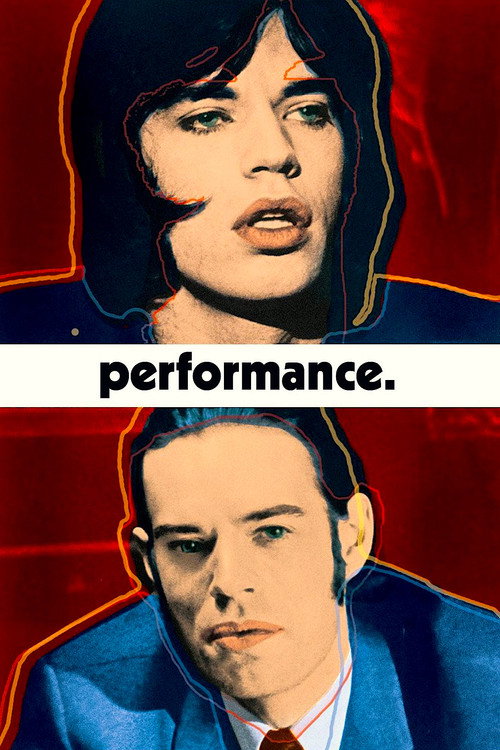
Performance.1970
Donald Cammell and Nicolas Roeg's hallucinatory chamber piece about a gangster hiding in a rock star's house. Identity dissolves, eroticism becomes weaponized. Genuinely disorienting in the best way.
But The sexual content is explicit and uncomfortable by design. The narrative logic is deliberately obscured. Not restful cinema.
Mulholland Drive2001
David Lynch's fractured Hollywood nightmare. Begins like noir, becomes dreamlogic. Gorgeous, tragic, and features some of Lynch's funniest and cruelest moments about performance and desire.
But Three hours long and structured to frustrate conventional plot comprehension. Some find it indulgent; some find it essential.

In the Mood for Love2000
Wong Kar-wai's achingly beautiful film of repressed desire and performance. Colour-saturated, deliberately artificial. Two people pretending not to be in love, in love. Hypnotic.
But The pacing is glacial and deliberately repetitive. The restraint might feel like withholding rather than artistry, depending on your mood.

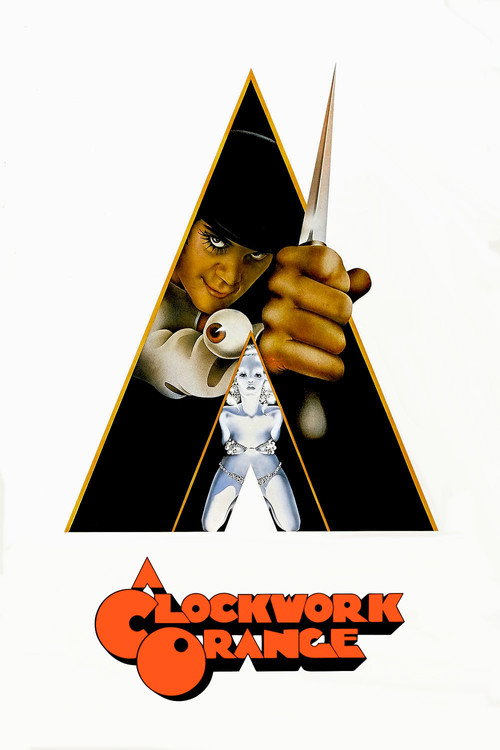
A Clockwork Orange1971
Kubrick's controversial, baroque nightmare. Visually overwhelming, structurally precise. Violence and spectacle become the language. Cult film that actually earned its status.
But The sexual violence is explicit and difficult. Many viewers bounce off it on principle, and that's a legitimate response.
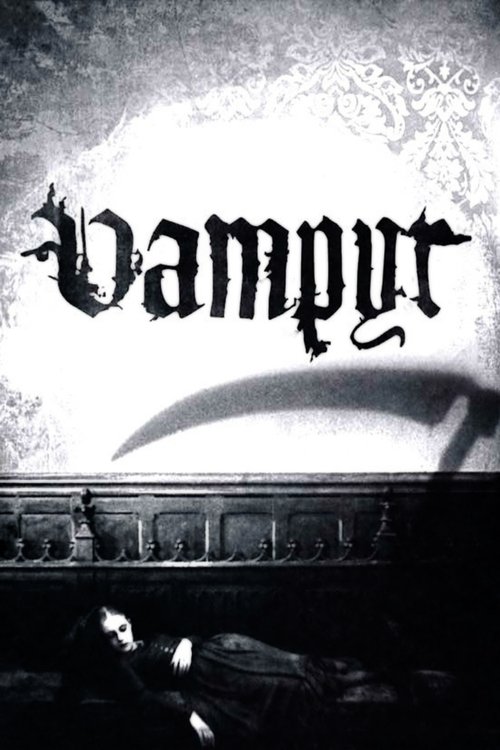
Vampyr1932
Both use androgynous or feminine vampires as figures of seduction and threat. Both collapse the boundary between death and sensuality.
Carl Theodor Dreyer's atmospheric German vampire film. Silent, dreamlike, genuinely eerie. Light and shadow become characters. An old-fashioned horror that predates Smith's work but shares its mood.
But The print is often degraded and hard to follow. Silent film pacing feels glacial. The 'entertainment' is purely atmospheric.
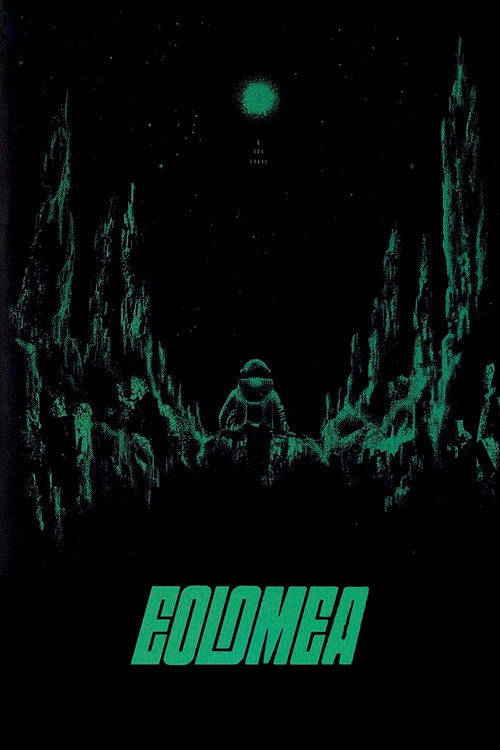
Eolomea1972
Both are interested in marginalized bodies and lives as the site of truth rather than aberration. Both use cinema to insist on the dignity of the despised.
Zelimir Zilnik's Yugoslav experimental film about social outcasts living in a refuse dump. Shot in black and white, semi-documentary. Queer, poor, trans characters treated with genuine dignity. Strange and moving.
But Very slow, very grim, very Eastern European. Not camp, not playful. The experimental form demands active work from viewers.
People
Cast
- Francis FrancineFrancis Francine
- Sheila BickDelicious Dolores
- Joel MarkmanOur Lady of the Docks
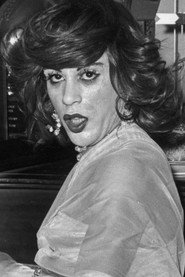 Mario MontezThe Spanish Girl
- Arnold RockwoodArnold
 Judith MalinaThe Fascinating Woman
 Marian ZazeelaMarian Zazeela
 Beverly GrantWhirling Dervish
Directing
- Marc SchleiferAssistant Director
- Jack SmithDirector
Writing
- Jack SmithWriter
Production
- Jack SmithProducer
Recommended by
Inside Deep Throat, The Wild, Wild World of Jayne Mansfield, Scorpio Rising, Blonde Cobra, Ticket of No Return