
Film
Privilege
Other titles called Privilege: the 1990 film.
A 1967 dystopian drama about a pop idol whose massive influence is weaponised by the state. Steven Shorter is packaged, controlled, and deployed to manipulate the masses—until an artist challenges him to reclaim his autonomy. It's a prescient meditation on celebrity, power, and consent wrapped in the visual language of Swinging Sixties pop culture. For viewers fascinated by how fame becomes a tool of control.
Should you watch it?
Watch it if you are drawn to satire that treats pop stardom and state propaganda as the same machine, and you don't mind a film that argues its point more than it entertains.
Skip it if the satire is heavy-handed and the pace is deliberately flat, so if you want a rousing showbiz story or a warm romance, this will feel like a lecture.
What it asks of you: Running 103 minutes, it is short but intent: expect patient scenes that build an argument rather than a rush of incident, and close attention to who is steering whom.
Not sure? Find tonight's pick in a minute.
If you liked this
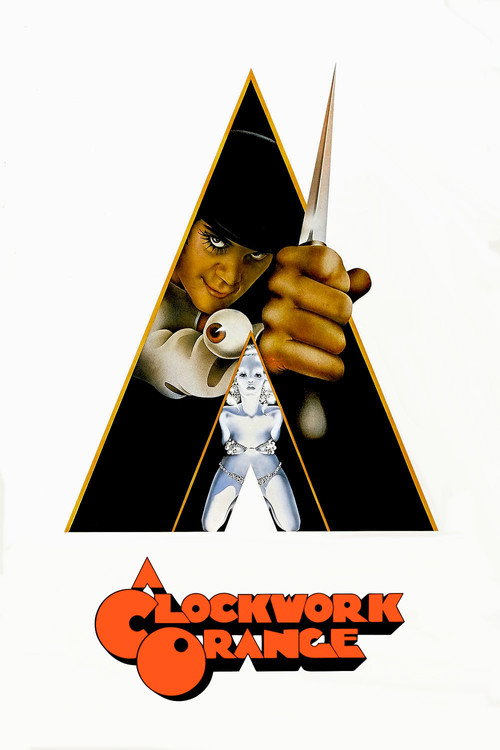
A Clockwork Orange1971
Another brutal satire about state manipulation and the individual, with a rock-star villain who embodies totalitarianism through style. Kubrick's formal control mirrors the film's themes of coercion and free will.
But Relentlessly bleak, sexually violent, and deliberately ugly in ways that haven't aged into comfort. The misogyny is structured into the story, not incidental to it.
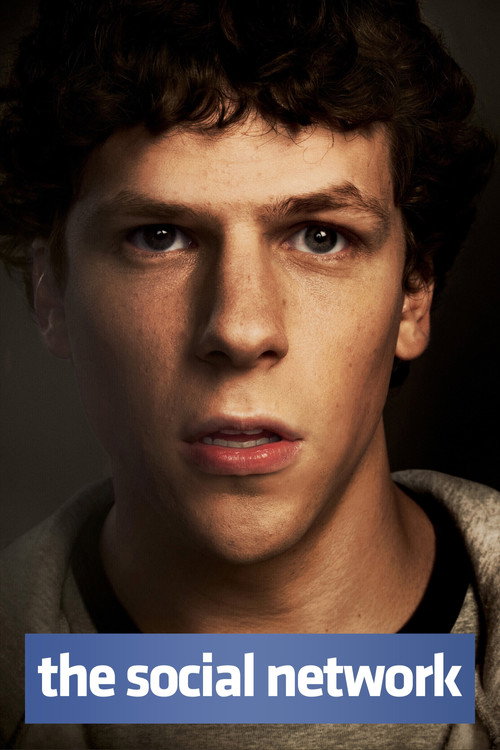
The Social Network2010
Charts how a single charismatic figure becomes a tool for systems larger than himself, losing autonomy the higher he rises. Fincher captures the seduction of control in a digital age with the same cold precision.
But The dialogue moves at exhausting speed and assumes you either know tech culture or don't mind feeling slightly lost. It's more interested in power than in likability.
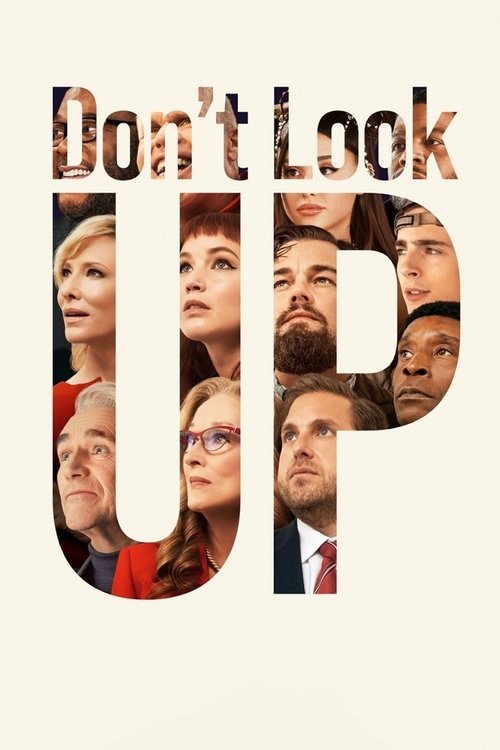
Don't Look Up2021
A contemporary allegory about how celebrity and political machinery collude to manufacture consent. Like Privilege, it asks what happens when image matters more than truth, but with apocalyptic stakes.
But The satire is broad and sometimes heavy-handed. If you're tired of films that lecture rather than show, this will test your patience.
Not sure tonight? Get a pick in a minute, starting from Privilege
The wildcard
Something you would not have found on your own.
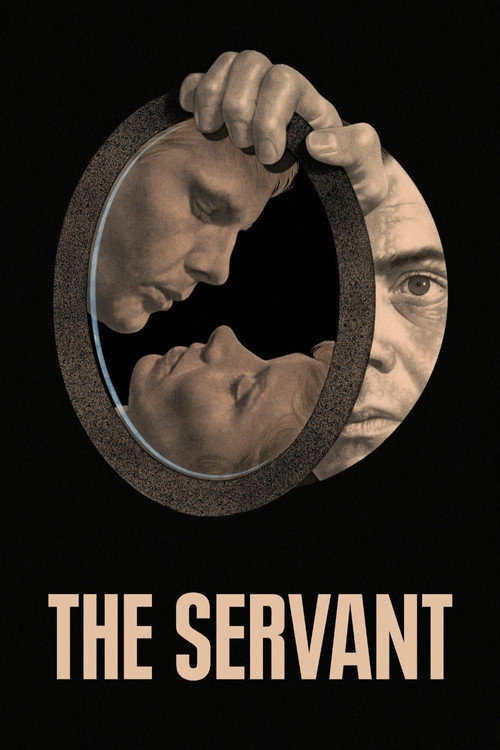
The Servant1963
Both films explore the machinery of control through intimate relationships between handler and handled, using the personal as a lens for the political.
Losey's psychological thriller about power dynamics inverted and then reinverted until no one knows who controls whom. Like Privilege, it's about how systems of manipulation corrode the people inside them, shot through with dread and eroticism.
But The narrative deliberately obscures itself. You'll watch it twice and still argue about who really had power. Some find that genius; others find it pretentious obfuscation.
More like this (8)
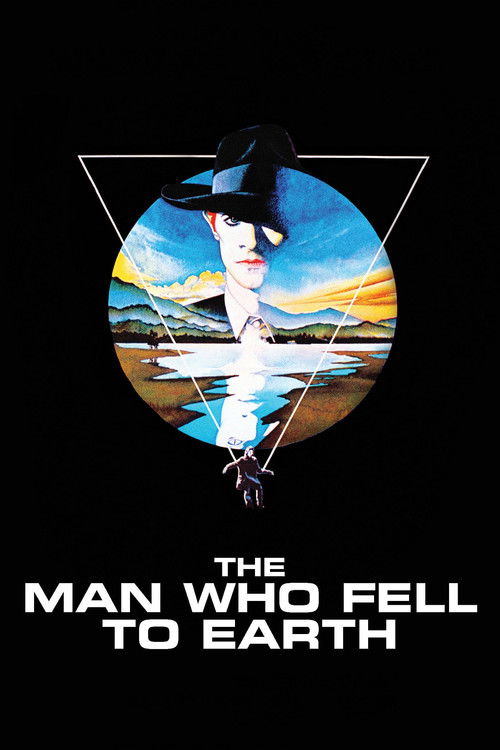
The Man Who Fell to Earth1976
Roeg's science-fiction masterpiece about an alien who becomes a pop-culture phenomenon and is slowly consumed by the machinery that created him. Visually dazzling and genuinely unsettling about fame's hollowness.
But The narrative is fragmented and dreamlike. If you need plot clarity and forward momentum, you'll find this maddening and cold.
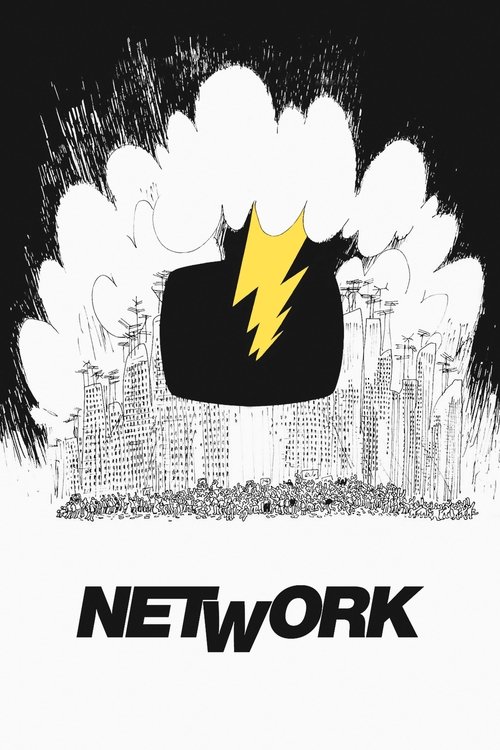
Network1976
Savage satire about how broadcasting systems manufacture authentic-seeming personalities to serve corporate and political agendas. Like Privilege, it prophesied the collapse of the boundary between reality and spectacle.
But Paddy Chayefsky's dialogue is so quotable it can feel didactic. The tone wavers between comedy and despair, which some find brilliant and others find tonal whiplash.
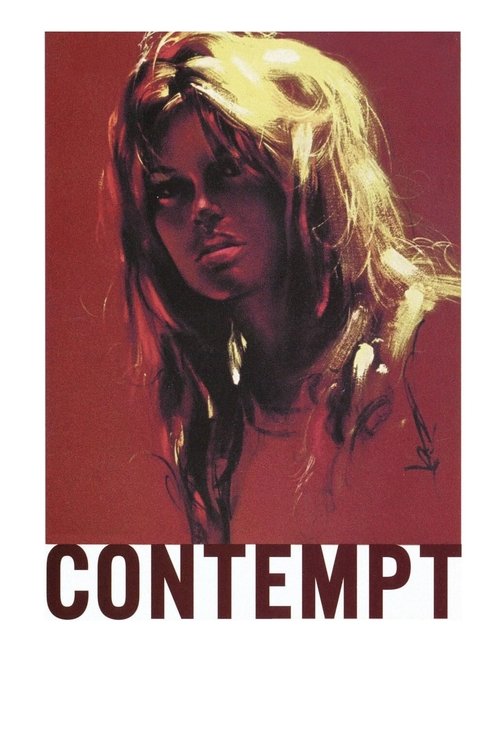
Contempt1963
Godard's meditation on art, commerce, and the corruption of integrity when beauty is turned into product. A marriage deteriorates as a screenwriter is pulled into the machinery of film production. Hypnotic and melancholic.
But Glacially paced, more concerned with philosophy than plot. Long stretches of characters discussing rather than doing will feel pretentious if you're not in the mood.
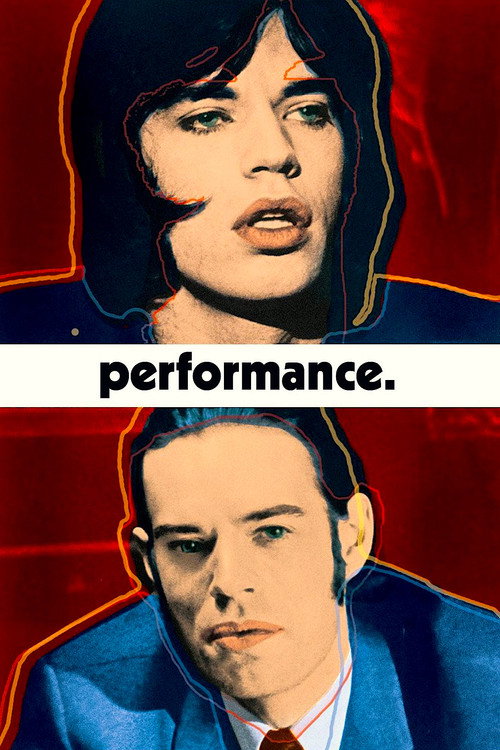
Performance.1970
A violent gangster and a reclusive rock star swap identities and worlds, blurring which one is the real puppet. Roeg and Cammell's debut is visually baroque and deeply strange about performance, identity, and control.
But It's incoherent by design—a fever dream rather than a story. The sexual content is transgressive and sometimes gratuitous. You need to surrender to it or you'll be frustrated.
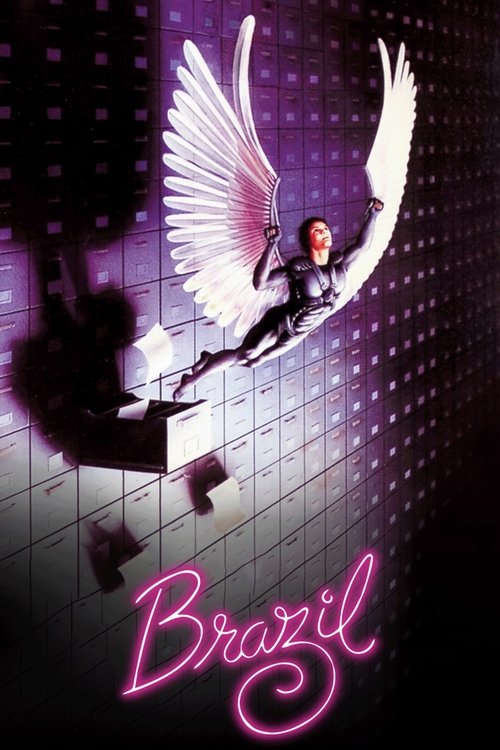
Brazil1985
Gilliam's dystopian masterpiece about an individual crushed by bureaucratic systems that claim to serve the state. Like Privilege, it captures the machinery of control through production design and dark humour.
But The plot circles back on itself and the ending offers no catharsis. Three hours of watching a man get slowly destroyed can feel less like cinema and more like punishment.
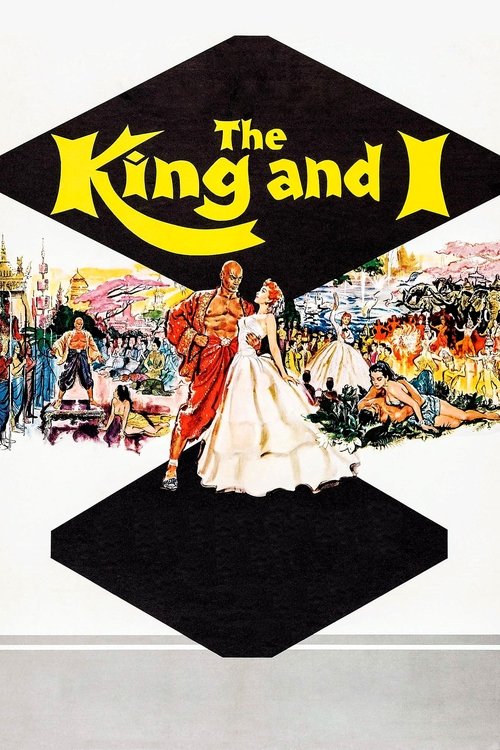
The King and I1956
A Rodgers and Hammerstein musical about the seduction of control and the performance of authority. The king must be a symbol first and a person second. A very different film, but structurally kindred.
But It's a 1950s musical with all the conventions that entails—sometimes sincere where Privilege is cynical. If you're allergic to theatricality and golden-age MGM, you won't find your footing.
Stalker1979
Both films distrust the machinery around charisma and desire. Both suggest that wanting something—fame, wish-fulfillment, control—is precisely the trap that undoes us.
Tarkovsky's meditative science-fiction film about three men journeying toward a room that grants wishes. In its glacial way, it asks the same question as Privilege: what is the cost of desire, and who profits from it? Visually hypnotic and philosophically devastating.
But 163 minutes of profound slowness. If you need momentum and plot clarity, you'll find this torturous. It's patient observation, not entertainment.

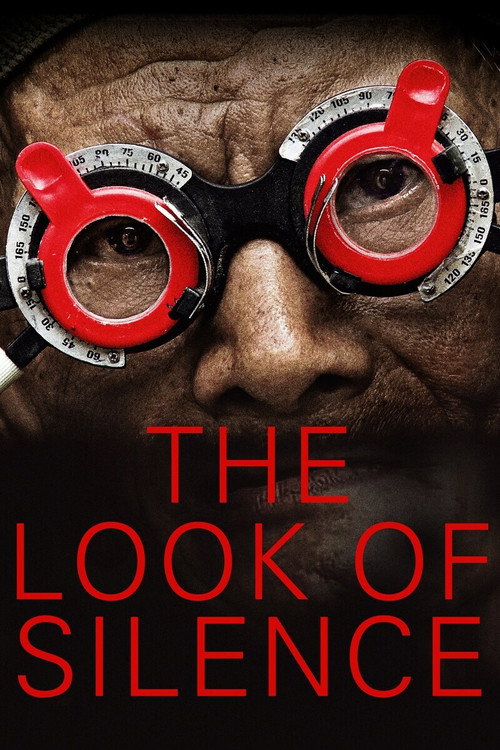
The Look of Silence2014
Both films ask: what does it cost a person to live inside a system that demands their complicity? Both suggest the deepest tyranny is the one we internalize.
Oppenheimer's documentary about a man confronting his brother's killers in post-1965 Indonesia. Like Privilege, it's a study of how systems of violence survive by making people complicit in their own subjugation. Devastatingly intimate and urgent.
But It's a real testimony about genocide and political murder. The slowness isn't aesthetic—it's the texture of trauma and fear. Not for viewing casually or lightly.
People
Cast
 Paul JonesSteven Shorter
 Jean ShrimptonVanessa Ritchie
- Mark LondonAlvin Kirsch
- William JobAndrew Butler
 Max BaconJulie Jordan
 Jeremy ChildMartin Crossley
 James CossinsProfessor Tatham
- Frederick DannerHooper
 Victor HenryFreddie K
 Arthur PentelowLeo Stanley
- Steve KirbySquit
- Malcolm RogersRev. Tate
Directing
- Peter WatkinsDirector
Writing
- Johnny SpeightStory
- Norman BognorWriter
- Peter WatkinsWriter
Production
- John HeymanProducer
Recommended by
Modesty Blaise, C'mon, Let's Live a Little, Born in Flames, Desperately Seeking Susan, The Fourth Protocol, Flaming Creatures, Girl Happy, Cuba, The Young Ones, Ferry Cross the Mersey