
Film
Privilege
Other titles called Privilege: the 1967 film.
- Strange
Yvonne Rainer's formally audacious documentary collages archival footage, interviews, and text to dismantle how ageism, sexism, racism, and class construct privilege. It's essay-film as argument—layered, digressive, sometimes deliberately difficult. For viewers comfortable with cinema as thinking-out-loud rather than comfortable storytelling.
If you liked this
Sans Soleil1983
Chris Marker's philosophical essay-film uses found footage, voiceover, and temporal jumps to meditate on memory, politics, and what images mean. Like Privilege, it treats cinema as a space for radical thinking rather than passive consumption.
But It moves by association rather than argument, which can feel meandering. Long stretches demand active intellectual engagement; passive watching will lose you.

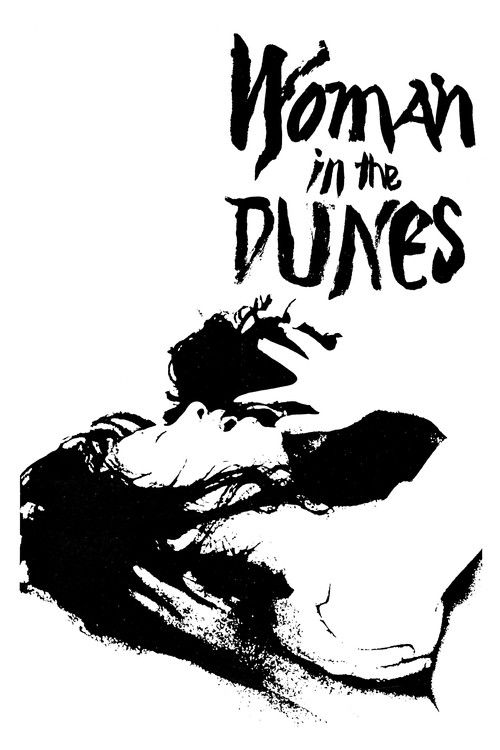
Woman in the Dunes1964
Hiroshi Teshigahara's film traps a man in a widow's sand pit as a literal representation of social entrapment. Deliberately paced and suffocating, it shares Privilege's interest in how systems—personal, social, visual—confine us.
But Slow and visually hypnotic to the point of monotony. Some find the metaphor too neat; others find the repetition punishing rather than purposeful.
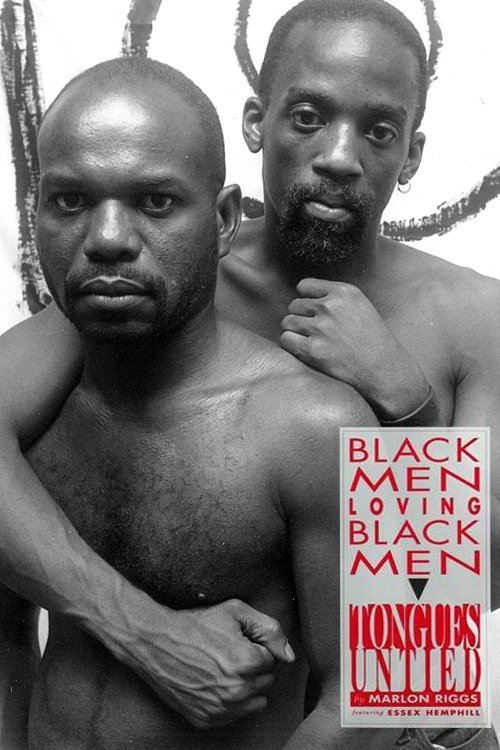
Tongues Untied1990
Marlon Riggs's documentary uses poetry, performance, and archival material to examine Black gay identity and desire. Like Rainer, he refuses conventional documentary form and weaponizes style against institutional invisibility.
But Explicit in both content and emotion—not for those expecting observational distance. Some audiences balk at its refusal to soothe or explain itself to outsiders.
Not sure tonight? Get a pick in a minute, starting from Privilege
The wildcard
Something you would not have found on your own.
The Handmaid's Tale2017
Both dissect how privilege operates through sexism and institutional power, but The Handmaiden uses immersive narrative drama to make the system visceral rather than Privilege's analytical collage. You experience oppression rather than studying it.
Unlike Privilege's essayistic dispersal, this narrative series dramatizes how systems of control (patriarchy, theocracy, class) construct and enforce privilege through women's bodies. It achieves through genre what Rainer achieves through formal disruption—you feel the mechanism from inside.
But It can tip into trauma-porn. The spectacle of suffering sometimes overwhelms the political argument; watching oppression aestheticized can feel complicit.

More like this (5)
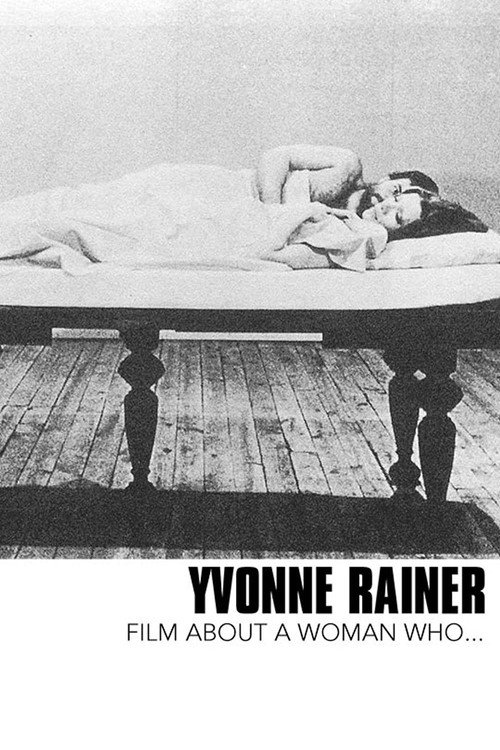
Film About a Woman Who…1974
Yvonne Rainer's own earlier work, this sprawling experimental film uses multiple formats, jump cuts, and typographic interruption to disrupt cinema's voyeurism. Essential for understanding Privilege in context.
But Formalist to the bone. If you want to watch rather than deconstruct, or prefer naturalistic performance, this will feel like work.
Harakiri1962
Masaki Kobayashi's stark film about ritual suicide probes how systems (feudalism, honor, class) make people instruments of their own destruction. Visually composed and morally severe, it shares Privilege's unflinching examination of structural violence.
But Aesthetically controlled to coldness; some find its distance from suffering evasive rather than clarifying. It's deliberately difficult to inhabit emotionally.

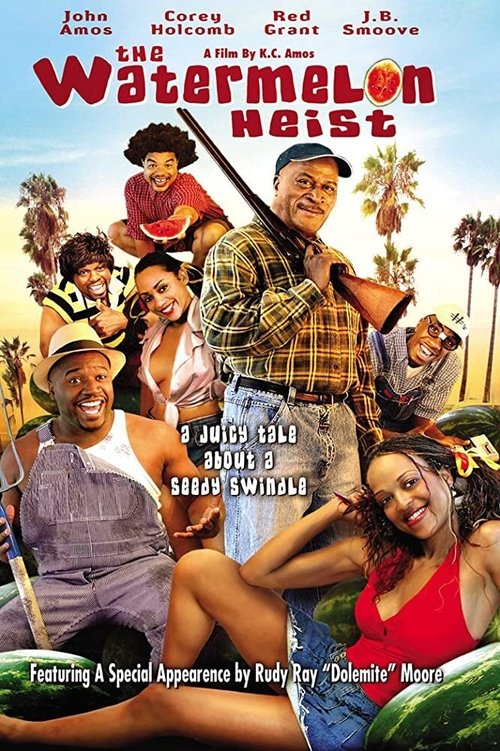
The Watermelon Heist2003
Claudia Weill's documentary follows Black Philadelphians navigating urban life with humor and dignity. Observational where Privilege is interventionist, but both resist white liberal pity and center Black agency and complexity.
But Rare and hard to find. Its observational style may feel too gentle to viewers wanting more explicit social critique or formal experimentation.
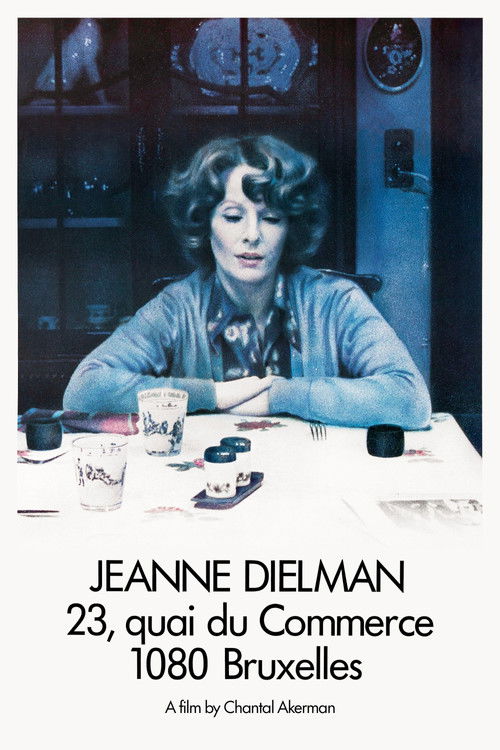
Jeanne Dielman, 23, quai du Commerce, 1080 Bruxelles1976
Chantal Akerman's three-hour film of a woman's daily routines transforms the mundane into a meditation on labor, time, and how capitalism colonizes domesticity. Both films make the invisible architecture of oppression visible through formal choice.
But Three hours of a woman cooking and cleaning. The minimalism tests patience; viewers wanting dramatic payoff will feel robbed.
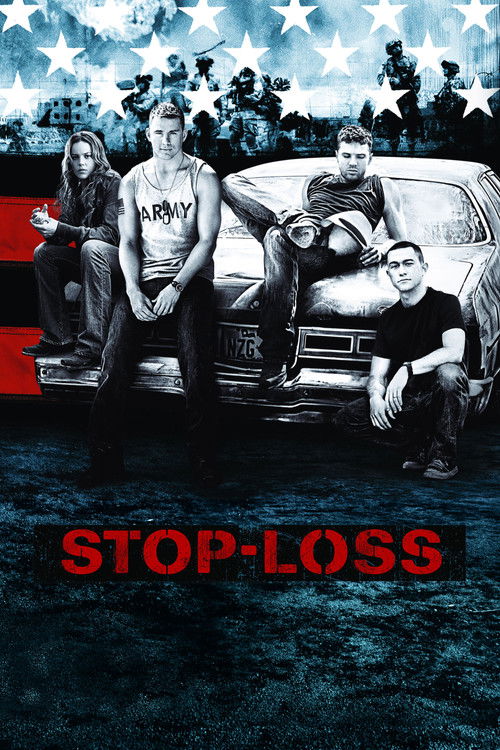
Stop-Loss2008
Where Privilege diagrams systems of oppression abstractly through collage and essay, Stop-Loss shows how those systems trap individual bodies concretely. Same skeleton, different meat. Both expose how privilege and constraint are enforced through procedures that look neutral.
Kimberly Peirce's narrative film follows a soldier entangled in military bureaucracy—a story of how institutional systems override individual choice and agency. Like Privilege, it examines how power operates through mechanisms that feel inevitable until you name them.
But It's a conventional war drama with Hollywood pacing and emotional beats. After Privilege's formal radicalism, the straightforward storytelling may feel like a step backward. Some find its politics muddied by thriller conventions.
People
Cast
 Daniel Martin BerkeyRobert
 Blaire BaronBrenda
 Gabrielle MadeDigna
 Novella NelsonYvonne Washington
 Alice SpivakJenny
 Yvonne RainerHelen Caldicott
- Rico EliasCarlos