
Film
Stop-Loss
- War drama
- Very dark
Stop-Loss follows a soldier forced back to Iraq after completing his tour, exploring the moral and personal toll of military obligation beyond consent. It's a grounded, angry film about bureaucratic betrayal and the cost of duty. For those seeking unflinching examinations of post-Iraq disillusionment and the ruptures between soldiers and the system that deploys them.
Should you watch it?
Watch it if you want a political war drama about the human cost of American soldiers coming home, with a steady, earnest focus on one man's refusal to be sent back.
Skip it if you're after combat spectacle or a fast, plot-driven thriller; much of the running time is spent on conversations, road trips and argument rather than battle.
What it asks of you: Around ninety-odd minutes of patient, talky drama with long stretches of quiet argument, carried more by its performances than by any escalating set pieces.
Not sure? Find tonight's pick in a minute.
If you liked this
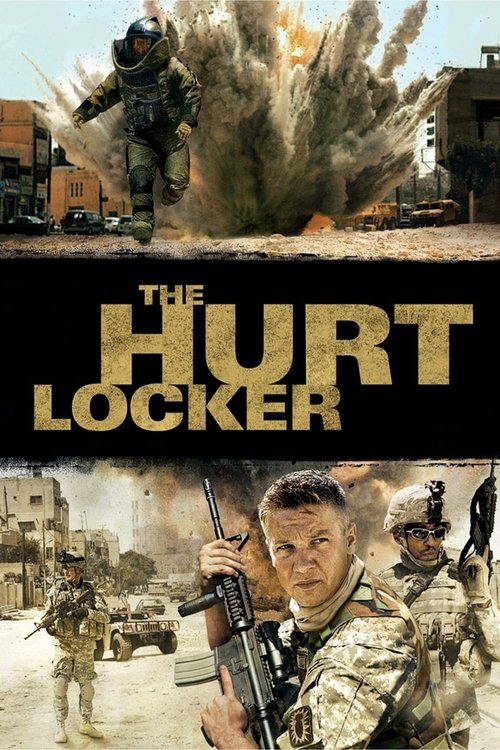
The Hurt Locker2008
Intimate, visceral portrayal of soldiers in Iraq dealing with trauma and addiction to danger. Katheryn Bigelow's direction transforms the war into a psychological study of a man unable to leave the battlefield behind.
But Relentlessly tense and morally ambiguous—there's little comfort here, and the ending divides viewers on what it's really saying.
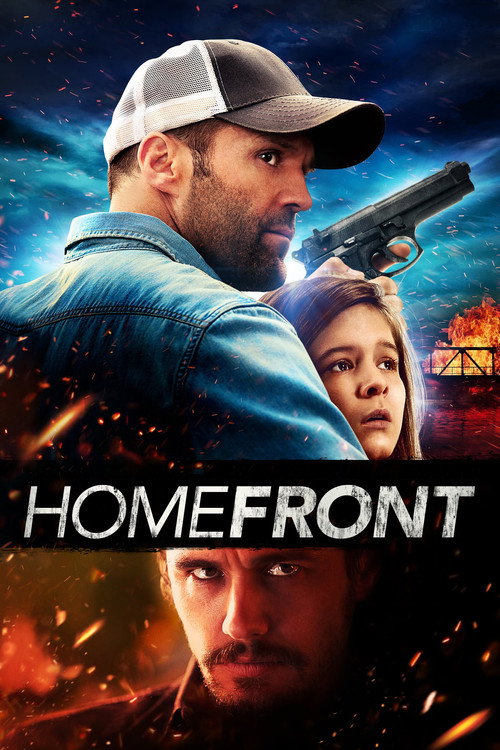
Homefront2013
Timothy Olyphant and Jason Statham in a noir-inflected story about a DEA agent protecting his daughter. Explores how soldiers and operatives struggle to separate work from home, violence from normalcy.
But It's a genre thriller first, so if you want pure realism over momentum, the plot mechanics may feel familiar and calculated.
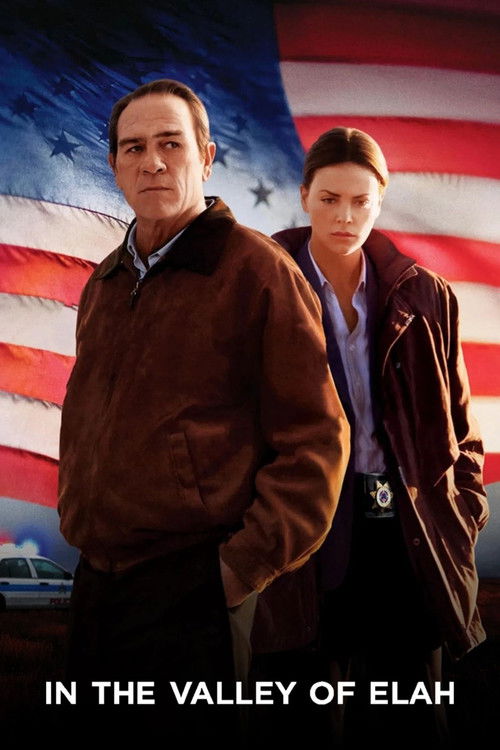
In the Valley of Elah2007
Tommy Lee Jones as a veteran investigating his son's death after Iraq. Paul Haggis explores guilt, rage, and how war damages not just soldiers but their families and the communities they return to.
But Deliberately paced and often bleak—it's a mystery that prioritizes mood and moral weight over conventional resolution.
Not sure tonight? Get a pick in a minute, starting from Stop-Loss
The wildcard
Something you would not have found on your own.
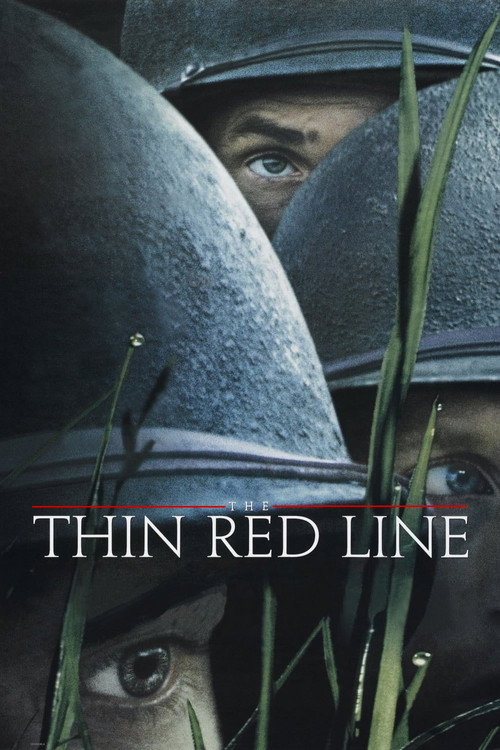
The Thin Red Line1998
Both examine soldiers as individuals crushed by institutional forces larger than conscience. But where Stop-Loss is angry and grounded, Malick transcends into something almost spiritual—same moral crisis, utterly different language.
Terrence Malick's WWII film is almost abstract—less war movie than philosophical poem about violence, nature, and the soul's survival. Jude Law, Sean Penn, Tom Cruise: all dissolved into landscape and haunted narration about the meaning of suffering.
But Intensely experimental; Malick privileges mood and metaphor over narrative clarity or conventional heroism. Demands surrender to a radically different register of filmmaking.
More like this (7)
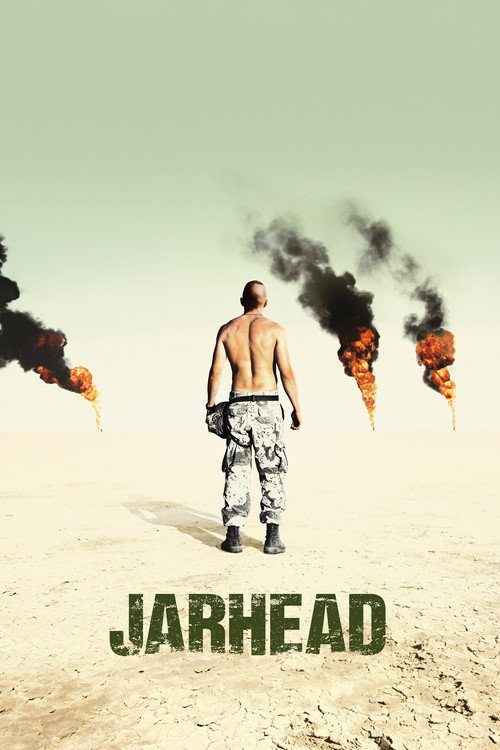
Jarhead2005
Jake Gyllenhaal as a sniper interrogating purpose, boredom, and brotherhood during the Gulf War. Beautifully shot meditation on soldiers waiting for meaning that may never come.
But Some find it too introspective and slow; the film eschews action spectacle for psychological reflection throughout.
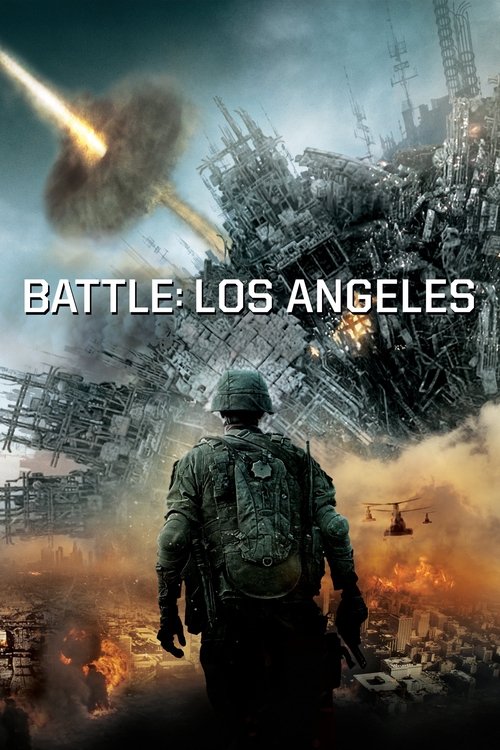
Battle: Los Angeles2011
Aaron Eckhart leads Marines against an alien invasion. Uses the language and structure of Iraq War cinema to tell a different story—a chance to see how post-2008 war cinema conventions migrated into sci-fi.
But Straightforward action film with less thematic ambition than Stop-Loss; if you're after moral questioning rather than tactical intensity, it won't deliver.
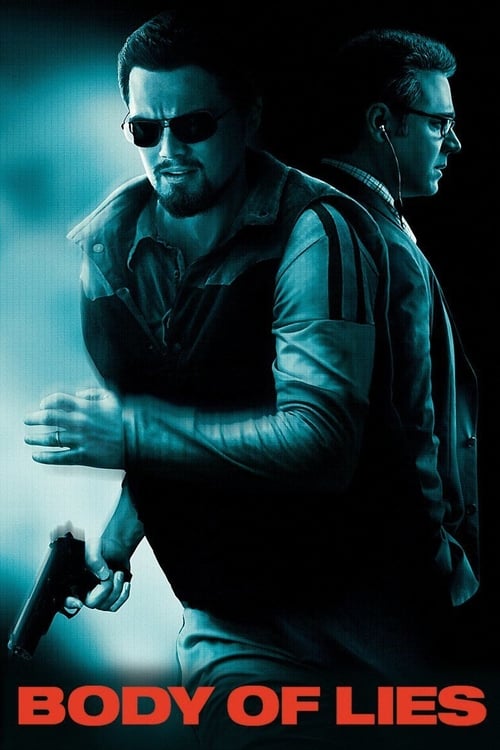
Body of Lies2008
Leonardo DiCaprio and Russell Crowe in a CIA thriller about deception and loyalty in the War on Terror. John Ridley's script examines how institutions exploit individuals, and what soldiers owe themselves versus their handlers.
But Complicated plot requires attention; the Middle East setting and intelligence-agency politics may feel distant from Stop-Loss's personal stakes.
The Best Years of Our Lives1946
Three WWII veterans struggle to rebuild civilian lives after demobilization. A classic that understands repatriation as a kind of second war—how do you return to a world that moved on without you?
But Three hours and in black-and-white; its deliberate pace and ensemble structure demand patience, and its optimistic ending may feel disconnected from modern war cinema.

Thank You for Your Service2017
Miles Teller as a soldier with PTSD navigating the VA system after Afghanistan. Miles Teller gives a raw, understated performance about rage directed inward, and how bureaucracy compounds trauma.
But Tonally uneven, and the film sometimes feels like a checklist of post-war problems rather than a fully integrated narrative.

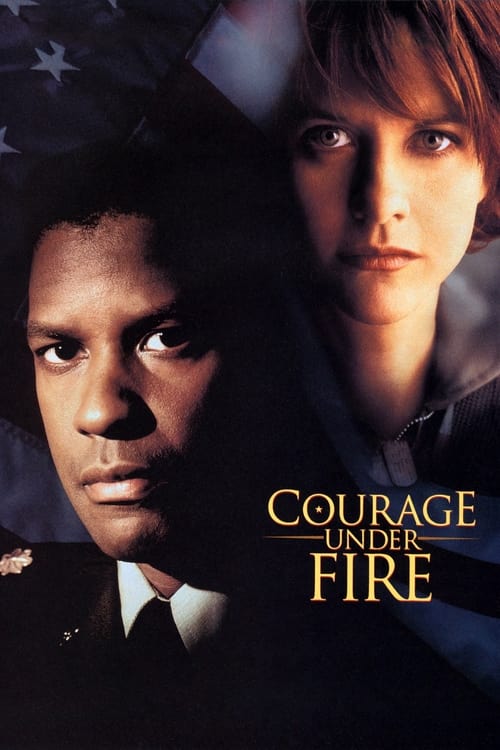
Courage Under Fire1996
Denzel Washington investigating a female pilot's death after the Gulf War. It's an institutional thriller about how the military rewrites history, and what happens when truth threatens the story the system needs to tell.
But Pre-9/11 sensibilities mean it reads differently now; some will find the setup dated, and the climax relies on a reveal that strains credibility.
Come and See1985
Stop-Loss asks what happens when duty becomes betrayal. Come and See shows what war does to a person too young to understand he's already lost. Both are about powerlessness, but this one erases the boundary between soldier and victim entirely.
Elem Klimov's Soviet-era WWII film follows a boy conscripted into the Red Army. It's the most unflinching depiction of war's dehumanization ever made—a slow, agonizing watch that recalibrates what you thought possible in cinema.
But Extraordinarily difficult; it's a howl of trauma more than a narrative. The violence and psychological disintegration are relentless, and the film offers no catharsis or distance.

People
Cast
 Ryan PhillippeBrandon King
 Abbie CornishMichelle
 Joseph Gordon-LevittTommy Burgess
 Channing TatumSteve Shriver
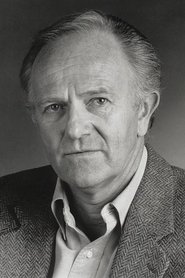 Josef SommerSenator Orton Worrell
 Timothy OlyphantLieutenant Colonel Boot Miller
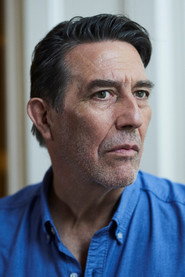 Ciarán HindsRoy King
 Linda EmondIda King
 Steven StraitMichael Colson
 Alex FrostShorty
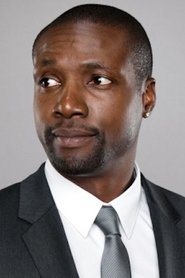 Rob BrownIsaac 'Eyeball' Butler
 Victor RasukRico Rodriguez
Directing
- Kimberly PeirceDirector
- Sherry GallarneauScript Supervisor
- Doug ColemanSecond Unit Director
Writing
- Kimberly PeirceWriter
- Mark RichardWriter
Production
- Avy KaufmanCasting
- Gregory GoodmanProducer
- Kimberly PeirceProducer
- Mark RoybalProducer
- Scott RudinProducer