
Film
Film About a Woman Who…
- Social drama
- Slow-burning
Rainer's 1974 landmark is a radical deconstruction of soap opera and melodrama. It watches a woman navigate sexual dissatisfaction and simmering rage with unflinching honesty, dismantling every cliché about female desire along the way. Essential viewing for anyone interested in feminist cinema or experimental narrative.
If you liked this
Jeanne Dielman, 23, quai du Commerce, 1080 Bruxelles1976
Chantal Akerman's three-hour chronicle of domestic routine and female interiority redefines what cinema can be. A masterwork that speaks directly to Rainer's project: the extraordinary within the mundane.
But Three hours of quotidian detail will test your patience severely. It demands surrender, not passive viewing.

Mulholland Drive2001
Lynch excavates the same territory: female desire, ambition, and the rage that simmers beneath surfaces. It's hypnotic and formally inventive in ways that echo Rainer's structural experiments.
But Elliptical and deliberately obscure. You'll leave with questions, and Lynch isn't interested in answering them.

Scenes from a Marriage2021
Bergman's unflinching account of intimacy and resentment in partnership. Raw, confrontational dialogue about desire and disappointment that shares Rainer's refusal to pretty things up.
But Emotionally exhausting. It doesn't offer comfort or resolution, only recognition.

Not sure tonight? Get a pick in a minute, starting from Film About a Woman Who…
The wildcard
Something you would not have found on your own.
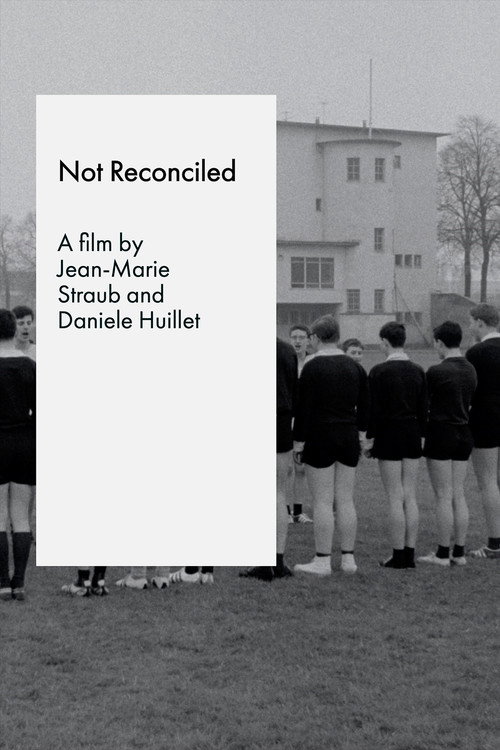
Not Reconciled1965
Both use formal disruption as political method—breaking cinema to reveal what mainstream narrative obscures about power, desire, and complicity.
Straub and Huillet's radical formal experiment uses dense montage and overlapping dialogue to tell a story about German complicity and memory. Abstract where Rainer is visceral, but both dismantle conventional narrative to excavate what's repressed.
But Extremely demanding. The image and sound deliberately don't align; comprehension requires active reconstruction.
More like this (7)
A Woman Under the Influence1974
Cassavetes captures female agency and pathology with the same brutal specificity. Gena Rowlands's performance is a masterclass in embodying contradiction and rage.
But Painfully intimate and chaotic. The handheld camera work is deliberately destabilizing.

Isadora1968
Vanessa Redgrave as the dancer Isadora Duncan—a film about female ambition, sexuality, and the cost of refusal to compromise. Contemporary with Rainer's concerns about desire and selfhood.
But Biopic conventions sometimes overwhelm the experimental impulses. Glossier and more conventional than Rainer would tolerate.

Contempt1963
Godard's meditation on desire, work, and the dissolution of a marriage. The famous crane shots accompany a woman's growing alienation—cinema about cinema and intimacy in crisis.
But Deliberately cool and mannered. Some find its formalism distancing rather than clarifying.

Klute1971
Jane Fonda as a sex worker navigating agency, danger, and genuine desire. Political filmmaking that refuses sentimentality about its female protagonist.
But Thriller conventions sometimes soften its radical edges. The plot mechanics can feel at odds with its intellectual ambitions.

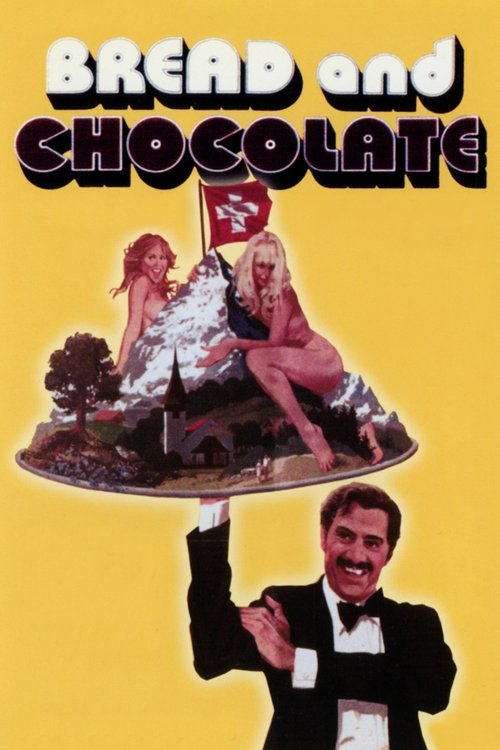
Bread and Chocolate1974
Italian cinema exploring marginalization and survival with dark humor. Shares Rainer's interest in social systems that contain and constrain the self.
But Tonally uneven and sometimes overly broad. Its European context may require historical awareness.
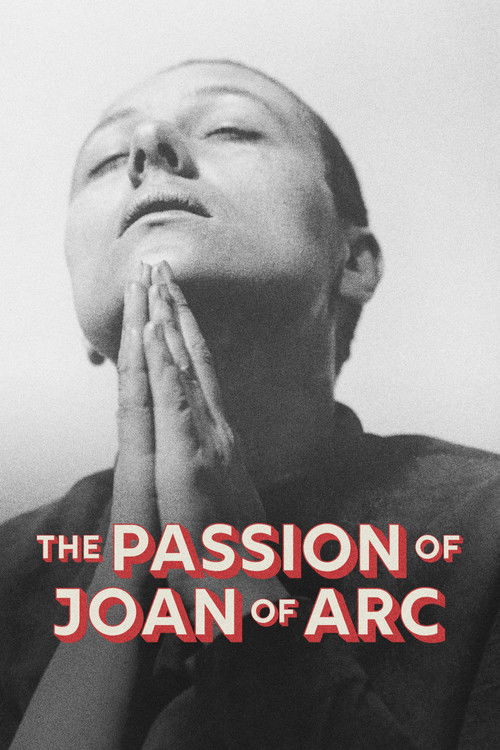
The Passion of Joan of Arc1928
Both films make female interiority—rage, faith, ambivalence—the subject itself. Both trust the viewer's capacity to read complexity in a woman's face.
Dreyer's silent closeup of female suffering and spiritual rage. Renée Jeanne Macleod's face is the entire drama—no dialogue needed. A predecessor to Rainer's focus on the female body as text.
But Silent film with the technical limitations thereof. Extremely slow and devotional in register.
Stalker1979
Both films are philosophical investigations into desire itself—not desire *for* something, but desire as a structural condition of consciousness. Both trust cinema's capacity to think.
Tarkovsky's meditation on desire, ambition, and the self moving through space and time. Slow, philosophical, utterly opposed to plot. A very different cinema from Rainer's, but both refuse easy answers about what we want.
But Glacially paced, almost three hours, entirely indifferent to conventional narrative satisfaction. Asks patience that borders on ascetic.

People
Cast

Directing
- Yvonne RainerDirector
Writing
- Yvonne RainerWriter