
Film
Not Reconciled
- Drama
- Very dark
Straub and Huillet's radical adaptation of Heinrich Böll's novel shatters chronology into fragments, following a German family across generations haunted by Nazi history and complicity. Shot in austere black-and-white, it privileges language and architecture over conventional narrative, demanding active reconstruction from viewers. For those willing to sit with difficulty and rewarded by intellectual rigour.
If you liked this
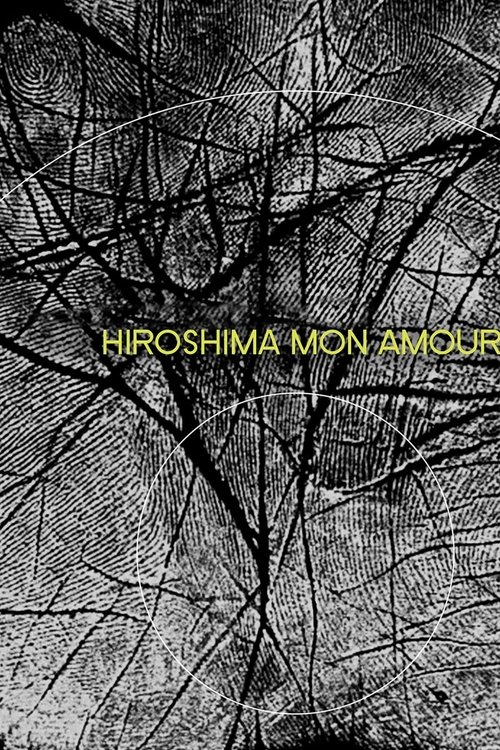
Hiroshima Mon Amour1959
Resnais's masterpiece also fractures memory and time to explore how nations and lovers reckon with trauma. Like Straub-Huillet, it privileges emotional truth over chronology, using formal innovation to capture the texture of historical guilt.
But The fragmented structure and sparse emotional register can feel cold. Viewers expecting catharsis or conventional narrative momentum will find themselves adrift.
The Phantom Carriage1921
Sjöström's Swedish classic examines generational trauma and moral reckoning across time in similarly architectured ways—past bleeds into present, guilt shapes futures. A spiritual ancestor to Straub-Huillet's method.
But Silent film, nearly three hours, and the emotional intensity may feel overwrought to modern sensibilities. Requires patience with archaic filmmaking rhythms.

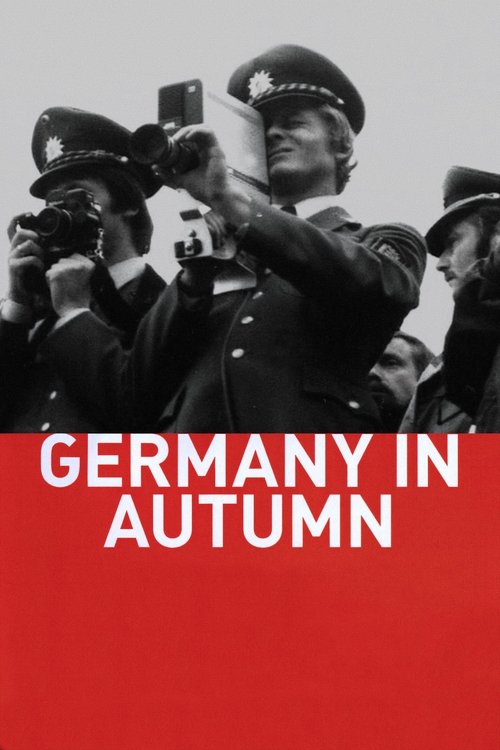
Germany in Autumn1978
Fassbinder's collective film grapples with German identity and political history through fragmented, essayistic cinema. Shares Straub-Huillet's conviction that cinema must interrogate rather than soothe when facing national complicity.
But Deliberately aggressive and unresolved. Its refusal of comfort or answers frustrates viewers seeking clarity about contemporary politics.
Not sure tonight? Get a pick in a minute, starting from Not Reconciled
The wildcard
Something you would not have found on your own.
Stalker1979
Both filmmakers believe cinema's strength lies in its capacity to hold time and thought simultaneously, turning formal difficulty into moral seriousness.
Tarkovsky's science-fiction metaphysics and Straub-Huillet's historical interrogation share the same architectural, meditative approach to time. Both films treat duration and silence as primary materials, asking what we owe to inherited systems and spaces.
But 163 minutes of slow philosophical progression with minimal plot. The spiritual gravity may feel self-serious or portentous to viewers impatient with metaphysical abstraction.

More like this (7)
Shoah1985
Lanzmann's nine-hour documentary also refuses conventional narrative, instead building meaning through testimony, silence, and architectural space. Both films see language and place as keys to historical understanding.
But Overwhelming length and emotional weight. The slow interrogation of witnesses may feel ponderous to those expecting conventional documentary exposition.

Sans Soleil1983
Marker's essayistic travelogue mirrors Straub-Huillet's interest in how cinema thinks through time, memory, and political history. Both treat the film as an intellectual instrument rather than a narrative machine.
But Deliberately cryptic and associative. The connections between images and ideas require active intellectual engagement; nothing is handed to you.

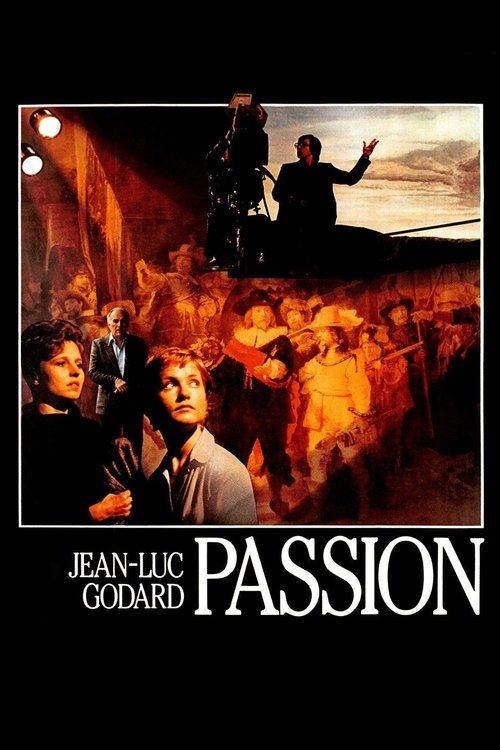
Godard's Passion1982
Godard's late-period work similarly breaks narrative into tableaux, exploring history and representation through fragmentation. Both films weaponise form against false reconciliation and easy understanding.
But Godard's deliberate obscurity can feel wilfully obscurantist. The film sometimes seems more interested in its own difficulty than in communication.
The Turin Horse2011
Béla Tarr's final film shares the bleak historical pessimism and visual austerity of Straub-Huillet, treating landscape and silence as moral categories. Both ask what cinema owes to collapsed civilisations.
But Relentlessly grim and static. The slow accumulation of hopelessness will exhaust viewers seeking even momentary beauty or reprieve.

Jeanne Dielman, 23, quai du Commerce, 1080 Bruxelles1976
Chantal Akerman's three-hour study of routine and space influenced by similar modernist rigour. Both films trust repetition and duration to generate meaning rather than plot or dramatic incident.
But Watching someone do housework for three hours tests patience severely. The film's refusal of incident or conflict feels punishing to those wanting narrative momentum.

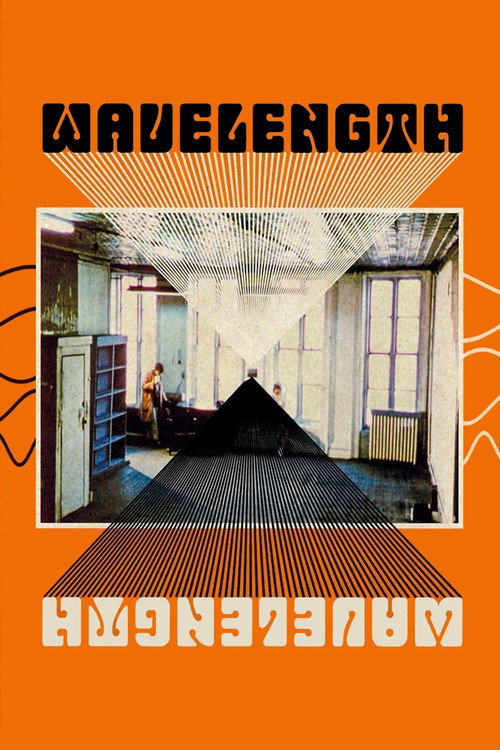
Wavelength1967
Michael Snow's structural film shares Straub-Huillet's conviction that cinema can interrogate perception itself. Both prioritise form over comfort, asking viewers to reconstruct meaning from fragmented materials.
But A 45-minute zoom across a room with minimal action. For many viewers, it registers as avant-garde abstraction rather than film.
The Seventh Seal1957
Both films treat history as something that cannot be escaped or reconciled, only endured and examined. Both distrust easy moral resolutions.
Bergman's medieval allegory grapples with historical catastrophe, moral complicity, and the question of whether reconciliation is possible or even desirable—the same territory Straub-Huillet excavates through Böll's family saga.
But Bergman's philosophical grandeur can feel dated or mannered. The explicit symbolism lacks the austere restraint of Straub-Huillet's approach.

People
Cast
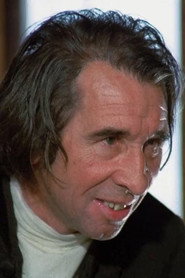
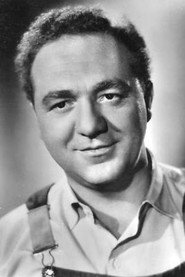
- Henning HarmssenRobert Fähmel
- Georg ZanderHugo
- Ulrich HopmannYoung Robert Fähmel
- Ernst KutzinskiYoung Schrella
- Heinrich HargesheimerOld Heinrich Fähmel
Directing
- Danièle HuilletDirector
- Jean-Marie StraubDirector
Writing
- Heinrich BöllNovel
- Danièle HuilletScreenplay
- Jean-Marie StraubScreenplay
Production
- Danièle HuilletProducer
- Jean-Marie StraubProducer