
Film
Germany in Autumn
- Crime
- Very dark
A collective film by eleven German directors responding to the 1977 kidnapping crisis and the Red Army Faction's challenge to the state. Eleven vignettes of documentary and fiction interweave, capturing the paranoia, moral complexity, and political bewilderment of a nation confronting its own violent extremes. Formally restless and emotionally raw.
Should you watch it?
Watch it if you are drawn to essay-like portraits of a nation's mood, where fiction, news footage and personal fragments are stitched into a sharp, argumentative whole about politics and fear.
Skip it if you want a single story with a steady plot and clear characters to follow, since this is a patchwork of short pieces by different hands and some segments feel slight or unfinished.
What it asks of you: It runs about two hours in short, uneven fragments that jump between styles and moods, so it asks you to keep reorienting and to stay with its argument rather than settle into one story.
Not sure? Find tonight's pick in a minute.
If you liked this
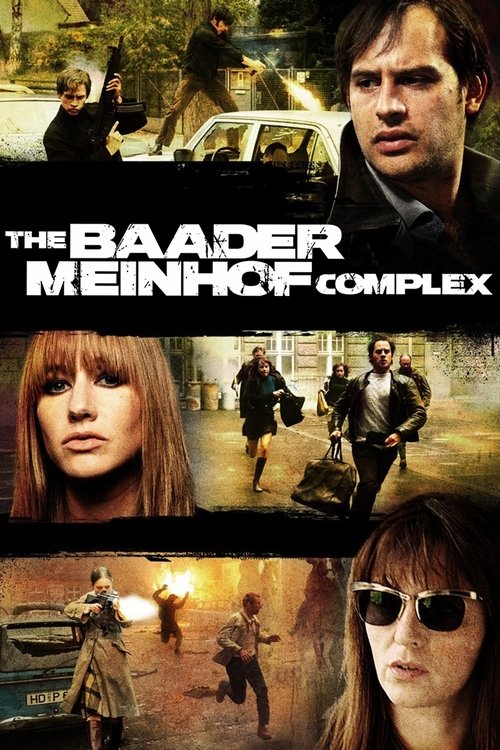
The Baader Meinhof Complex2008
A gripping, propulsive account of the RAF's rise from 1968 to their capture in 1975. It dramatizes the very history that Germany in Autumn responds to, giving context for the film's fractured, anguished tone.
But Conventional thriller structure—sleek, violent, and sometimes seductive about radicalism in ways the original finds morally corrosive.
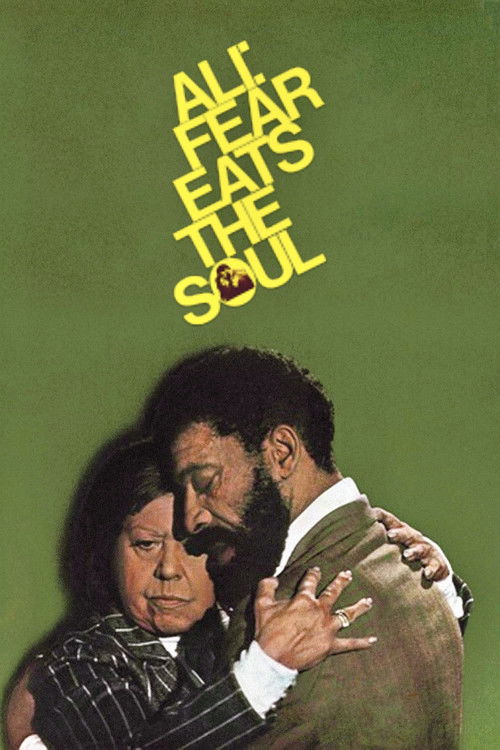
Ali: Fear Eats the Soul1974
Fassbinder again, but gentler—a love story between a widow and a Moroccan immigrant that examines prejudice and connection amid 1970s social friction. A different way of seeing German society in crisis.
But Formally strange and emotionally oblique. The melodrama can feel distant rather than moving if you're not attuned to Fassbinder's register.
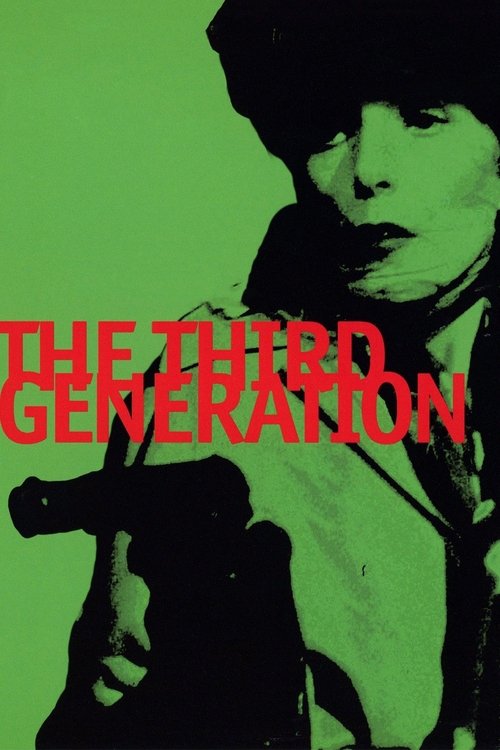
The Third Generation1979
Rainer Werner Fassbinder's direct response to the RAF terror and state paranoia, made just after Germany in Autumn. A darkly comic, apocalyptic vision of leftist terrorism and surveillance that's even more scathing.
But Deliberately artificial and sometimes incoherent—more essay than drama. The tone swings wildly between satire and despair.
Not sure tonight? Get a pick in a minute, starting from Germany in Autumn
The wildcard
Something you would not have found on your own.
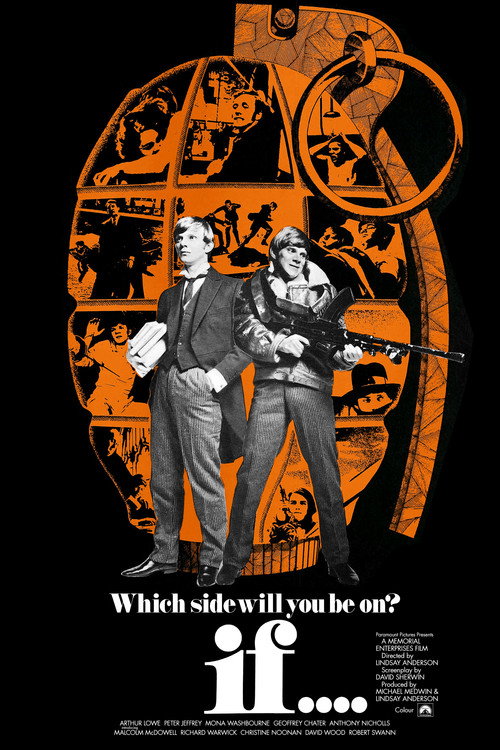
if....1968
Both films treat radical dissent as both aesthetically seductive and morally catastrophic. Both show how ideology and image can intoxicate. If... is the dream; Germany in Autumn is the nightmare that follows.
Lindsay Anderson's radical British boarding-school film about youth, authority, and revolution. While Germany in Autumn is a response to actual terrorism, If... imagines the aesthetics and rhetoric of rebellion—the film that RAF members watched and absorbed.
But A decade earlier and in a different country, but the formal abstraction and revolutionary iconography take work to parse.
More like this (6)
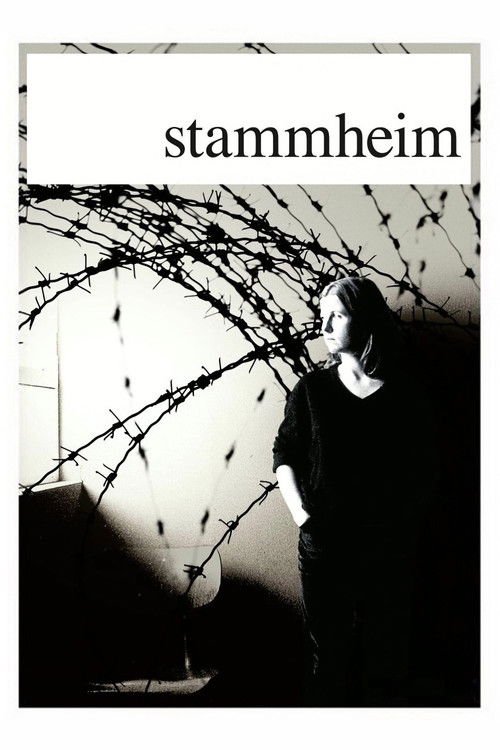
The Baader-Meinhof Gang on Trial1986
A documentary-drama hybrid about the RAF trial and the Stammheim prison where Baader, Meinhof, and Ensslin were held. Completes the historical picture with a focused look at justice, confinement, and the state's response.
But Divided tonal registers can feel uncertain. Some sections move slowly, and the formal experiment doesn't always cohere.
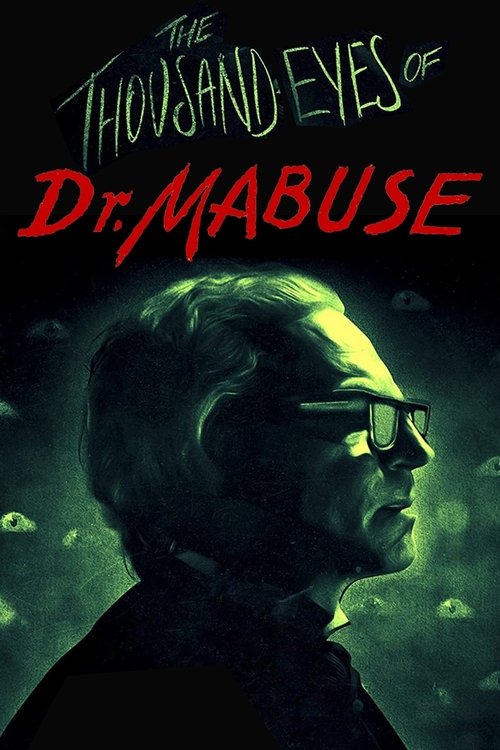
The Thousand Eyes of Dr. Mabuse1960
Fritz Lang's final film, set in Cold War Berlin, obsessed with surveillance, paranoia, and whether the state can protect its people. A structural and thematic ancestor to Germany in Autumn's preoccupations.
But A sprawling spy thriller that can feel dated. The surveillance plot doesn't always grip, and it's genuinely long.
The Leopard1963
Luchino Visconti's epic about a Sicilian noble watching his world transform. A meditation on how revolutions reshape societies and what's lost in the transition—thematically close to Germany in Autumn's anxieties.
But A three-hour historical epic in Italian. Visually gorgeous but demanding, and the pace is deliberate.

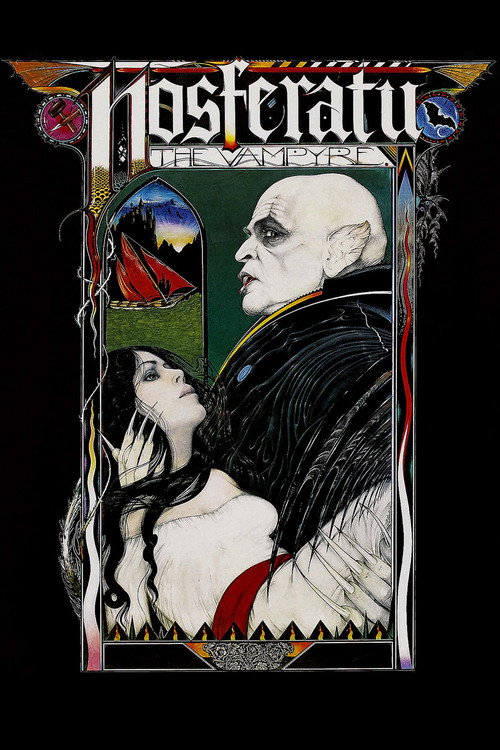
Nosferatu the Vampyre1979
Werner Herzog's haunting, elegiac remake of a German classic, made as Germany in Autumn was circulating. A film about invasion, plague, and death creeping through civilization—metaphorically aligned with late-1970s German dread.
But Slow, hypnotic, and deeply melancholic. If you need momentum or lightness, Herzog's glacial pacing will exhaust you.
Possession1981
Andrzej Żuławski's apocalyptic, sexually violent breakdown of a marriage set in divided Berlin. A fever dream about psychological collapse and political chaos that channels similar unease to Germany in Autumn, but through pure emotional extremity.
But Genuinely disturbing and sometimes incoherent. The graphic sexual and psychological content overwhelms some viewers; the narrative is deliberately fractured.

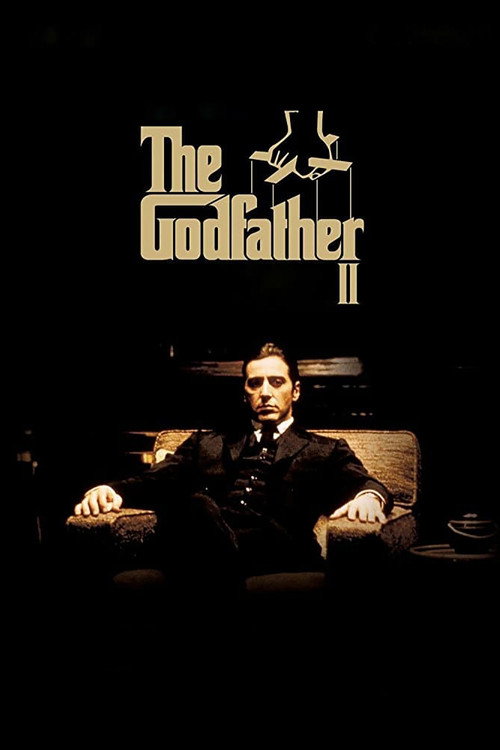
The Godfather Part II1974
Both are ensemble-adjacent works about systems reproducing violence across generations. Both ask how we became complicit in the structures we claim to oppose. One is a crime epic; one is a political collective. Same moral architecture.
Coppola's parallel narrative of Vito and Michael Corleone uses intercutting between past and present to show how institutions corrode from within and how violence becomes law. Structurally and thematically, a non-German meditation on the same moral rot Germany in Autumn examines.
But Three and a half hours, and the slow accumulation of moral decay can feel remote rather than urgent. Not everyone connects with the operatic register.
People
Cast
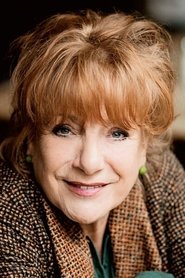 Hannelore HogerGabi Teichert
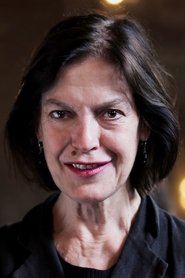 Angela WinklerAntigone
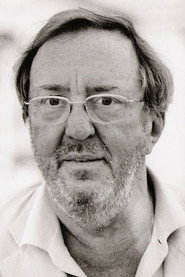 Vadim GlownaFreiermuth
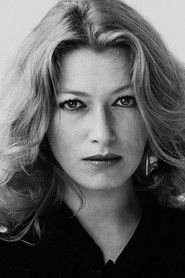 Katja RupéFranziska Busch
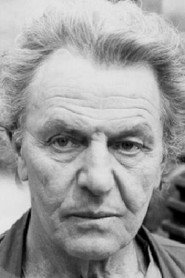 Heinz BennentMitglied des Kommitees
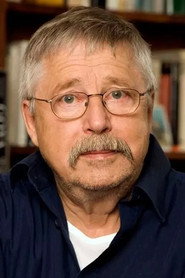 Wolf BiermannSelf
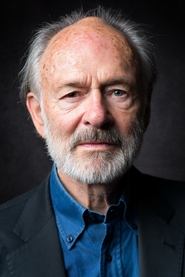 Joachim BißmeierTV-Redakteur
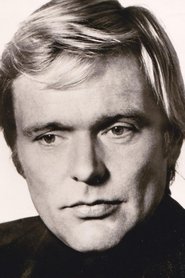 Helmut GriemTV-Redakteur
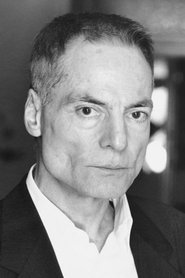 Dieter LaserAbgeordneter (TV Aufsichtsgremium)
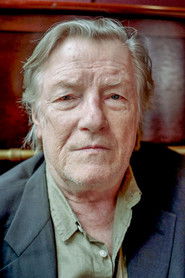
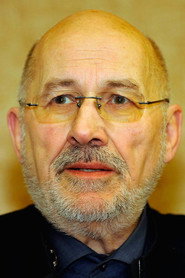 Horst MahlerSelf
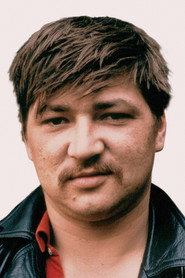 Rainer Werner FassbinderSelf (uncredited)
Directing
- Alexander KlugeDirector
- Alf BrustellinDirector
- Beate Mainka-JellinghausDirector
- Bernhard SinkelDirector
- Edgar ReitzDirector
- Hans Peter CloosDirector
- Katja RupéDirector
- Maximiliane MainkaDirector
- Peter SchubertDirector
- Rainer Werner FassbinderDirector
- Volker SchlöndorffDirector
Writing
- Alexander KlugeScreenplay
- Alf BrustellinScreenplay
- Beate Mainka-JellinghausScreenplay
- Bernhard SinkelScreenplay
- Edgar ReitzScreenplay
- Hans Peter CloosScreenplay
- Heinrich BöllScreenplay
- Katja RupéScreenplay
- Maximiliane MainkaScreenplay
- Peter SchubertScreenplay
- Peter SteinbachScreenplay
- Rainer Werner FassbinderScreenplay
- Volker SchlöndorffScreenplay
Production
- Eberhard JunkersdorfProducer
- Theo HinzProducer
Recommended by
Suspiria, The Marriage of Maria Braun, The Baader-Meinhof Gang on Trial, Not Reconciled