
Film
The Baader-Meinhof Gang on Trial
A meticulous courtroom drama centred on the 1975 trial of the Red Army Faction's leaders in a German maximum-security prison. Based on journalist Stefan Aust's research, it reconstructs 192 days of testimony with forensic detail, treating its terrorist defendants as complex ideological figures rather than villains or heroes. For viewers interested in radical politics, German history, or how legal systems confront violence.
If you liked this
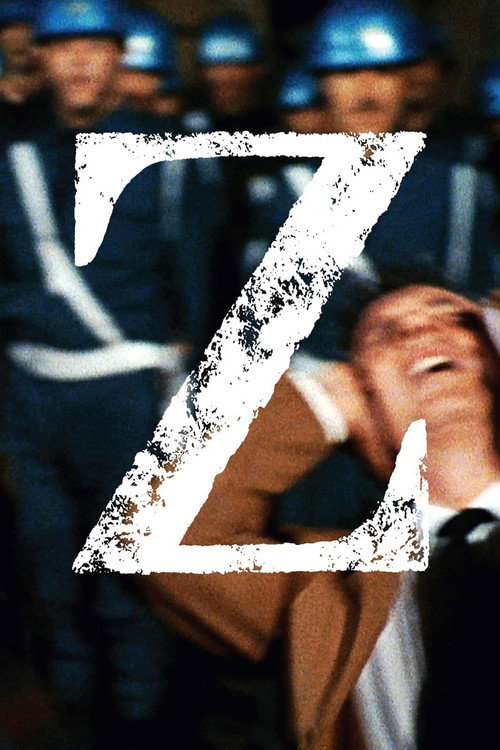
Z1969
Costa-Gavras's political thriller about the investigation into a politically motivated assassination captures the same mixture of procedural exactness and ideological ferment. A masterclass in how cinema can make legal and political machinery visceral and urgent.
But The pacing is deliberate and the film trusts you to follow dense political argument without spelling it out. It can feel remote if you're not engaged with the period.
Spotlight2015
Another examination of how systems of power protect themselves through procedure and obstruction. The investigative journalism angle parallels Aust's approach: piecing together truth through documents, interviews, and persistence rather than dramatisation.
But Very American in its optimism about institutional accountability. Lacks the moral ambiguity that makes Baader-Meinhof more challenging.

The Battle of Algiers1966
Gillo Pontecorvo's film about urban insurgency and counter-insurgency has the same unflinching interest in how revolutionaries think and organise. It refuses easy moral positioning while remaining completely gripping as a political statement.
But Made by someone sympathetic to the FLN's cause; viewers uncomfortable with that perspective will find it difficult. Black-and-white and formally austere by modern standards.

Not sure tonight? Get a pick in a minute, starting from The Baader-Meinhof Gang on Trial
The wildcard
Something you would not have found on your own.
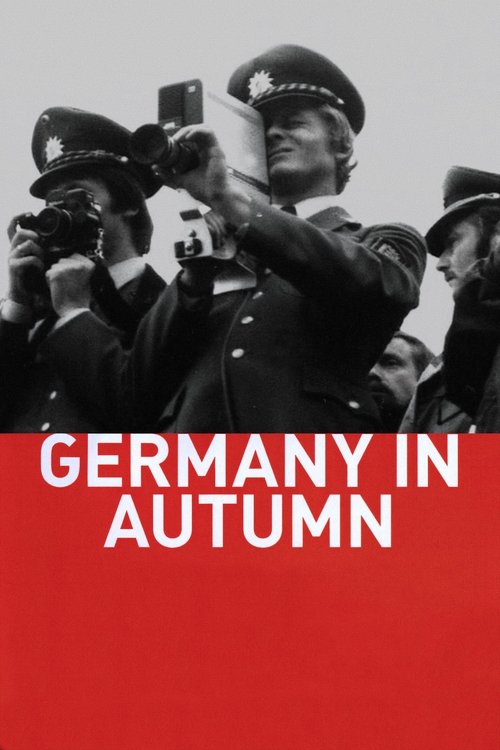
Germany in Autumn1978
Direct historical witness to the same events; a filmmaking response to the crisis that Hauff's trial film analyses after the fact.
This collaborative film by Fassbinder, Kluge, and others was made during the 1977 RAF crisis and literally features scenes of the Baader-Meinhof trial intercut with fictional and documentary material. It's not about the trial—it's about living through the moment when the trial is happening, capturing the paranoia and ideological confusion of the period in real time.
But Structurally fragmented and deliberately refuses narrative cohesion. Some sequences feel like avant-garde provocation rather than cinema. Demands active interpretation rather than passive watching.
More like this (7)
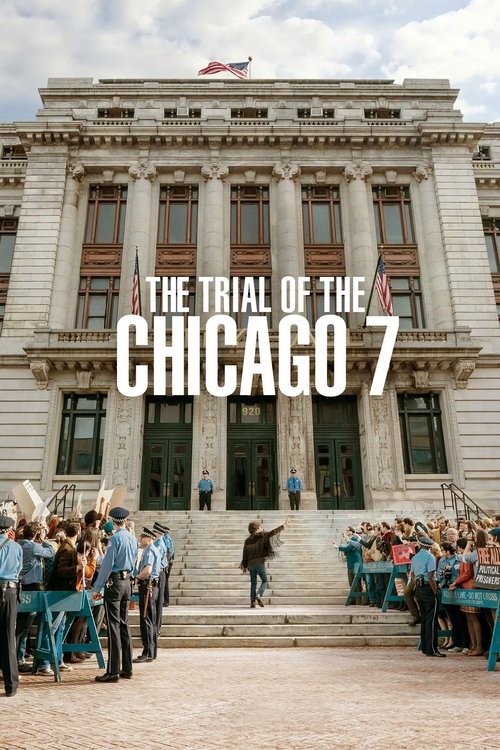
The Trial of the Chicago 72020
Aaron Sorkin's courtroom drama about radical defendants on trial for conspiracy during 1968 protests. Like Baader-Meinhof, it uses the trial structure to examine ideology, generational politics, and the state's response to radical challenge.
But Sorkin's dialogue is highly stylised and sometimes feels more like theatre than reality. The film is more sympathetic to its radicals than Hauff's more austere approach allows.
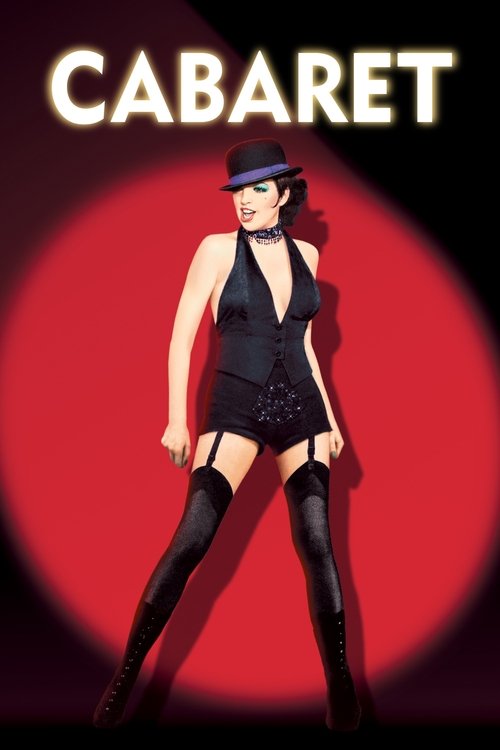
Cabaret1972
Set in 1931 Berlin, it captures the cultural and political atmosphere of Weimar Germany—the world that shaped the ideological currents the RAF would later react against. Brilliantly suggests how extremism emerges from cultural and economic collapse.
But It's a musical and a very different film tonally. The connection is contextual rather than structural, which some may find tangential.
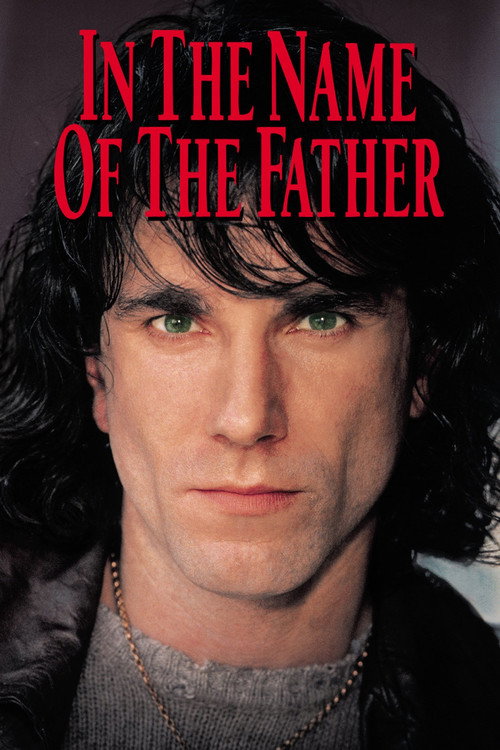
In the Name of the Father1993
Jim Sheridan's film about the Guildford Four uses courtroom procedure to expose how states manufacture guilt and suppress evidence. It has the same belief that the trial is where ideology and justice collide most revealingly.
But More emotionally manipulative than Baader-Meinhof, and explicitly vindictive toward the state in ways that film reserves judgment. Some find it heavy-handed.
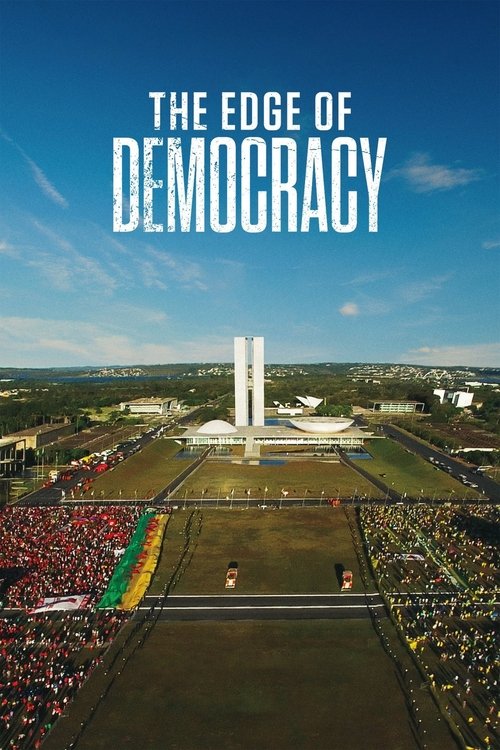
The Edge of Democracy2019
Petra Costa's documentary about Brazil's recent political upheaval combines personal testimony, archival footage, and analytical rigour to trace how radical movements and state repression shape each other. Similar investigative journalism approach to understanding extremism.
But A documentary rather than a narrative film, which changes the rhythm entirely. Also contemporary and geographically distant, which may feel less urgent than European Cold War history.
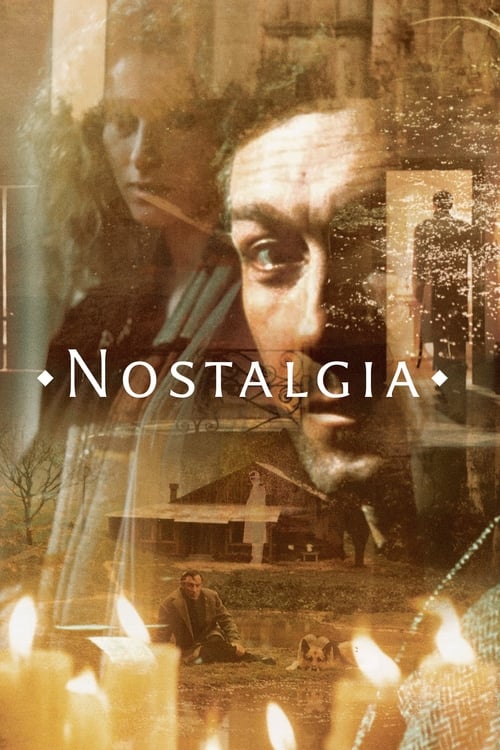
Nostalgia1983
Andrei Tarkovsky's meditation on ideology, belief, and historical trauma through the eyes of a Russian poet in Italy. Oblique where Baader-Meinhof is direct, but equally concerned with how conviction shapes a life and destroys it.
But Extremely slow, philosophical, and abstract. If you want plot momentum or emotional clarity, this will frustrate you intensely. Requires patience and willingness to sit with ambiguity.
A Prophet2009
Uses the closed world of a maximum-security prison to explore how ideological identity forms through confinement and power; both refuse to make their subjects sympathetic or monstrous.
Jacques Audiard's prison drama about a young man's radicalisation inside a French jail. Not about political extremism but about how incarceration itself can forge ideology and allegiance. The prison setting mirrors Stammheim; the moral ambiguity mirrors Hauff's refusal to judge.
But It's a crime thriller dressed as social commentary, which some will find exploitative. Also considerably bleaker and more violent than Baader-Meinhof, with fewer intellectual ideas to balance the brutality.

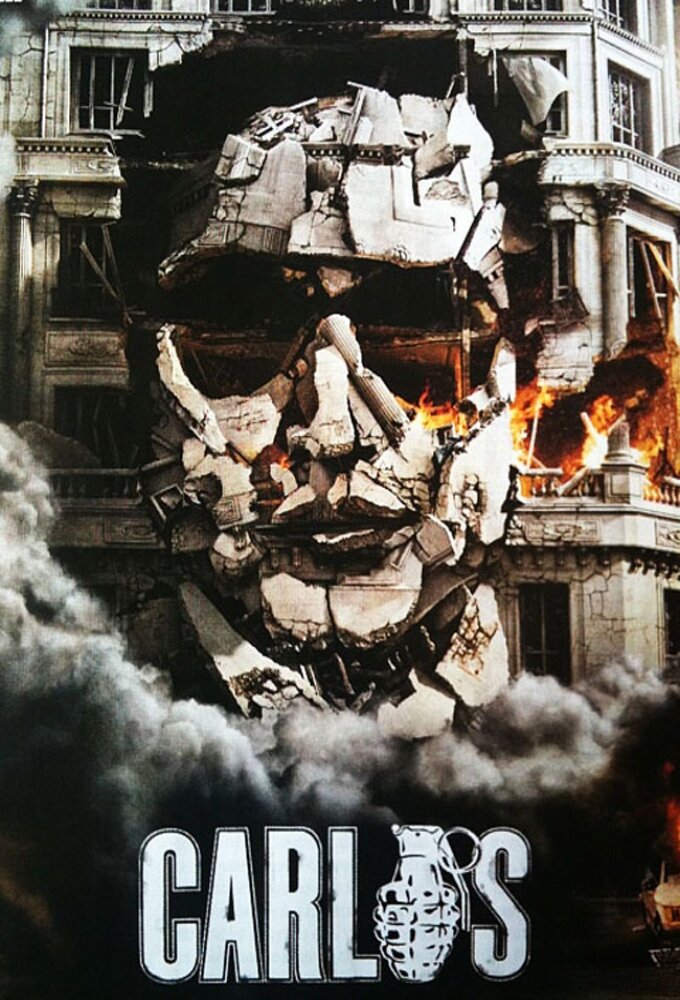
Carlos2010
Both are precisely observed portraits of how radical actors understand themselves; both emerged from research into real historical figures and refuse easy vilification or heroism.
Olivier Assayas's five-hour miniseries (also released as a three-hour film) traces the life of the Venezuelan militant Ilich Ramírez Sánchez from the 1970s onward. Like Baader-Meinhof, it takes revolutionary conviction seriously as a psychological and political force, showing how ideology sustains itself across decades and continents.
But The length is daunting and the pacing is deliberately slow. Assayas withholds moral judgment so completely that some viewers find it empty or even complicit. The protagonist is charismatic in ways that can feel seductive.
People
Cast
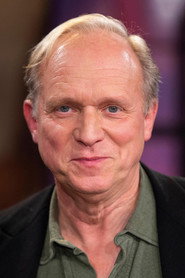 Ulrich TukurAndreas Baader
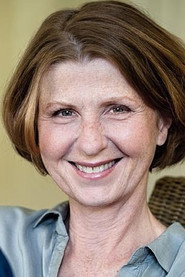 Therese AffolterUlrike Meinhof
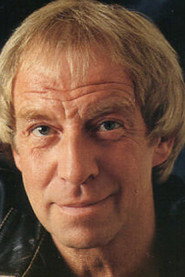 Ulrich PleitgenTheodor Prinzing
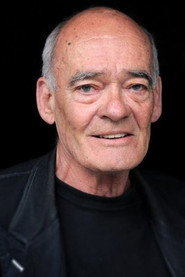 Hans-Michael RehbergSiegfried Buback
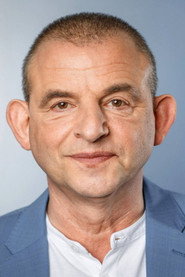 Dominique HorwitzZeuge
- Sabine WegnerGudrun Ensslin
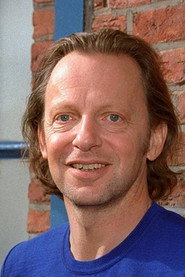 Hans KremerJan-Carl Raspe
- Peter DanzeisenVerteidiger
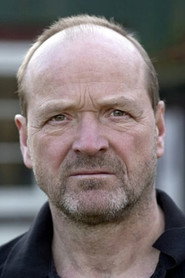 Holger MahlichVerteidiger
- Horst MendrochBundesanwalt
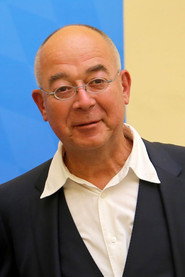 Alexander DudaReporter
- Hans Christian RudolphVerteidiger
Directing
- Reinhard HauffDirector
Writing
- Stefan AustWriter
Production
- Eberhard JunkersdorfProducer
- Jürgen FlimmProducer