
Television series
Carlos
Olivier Assayas's three-part miniseries follows the rise and fall of Carlos the Jackal, the Venezuelan terrorist who became a Cold War icon. It's a propulsive political thriller that treats its subject with unflinching clarity: charismatic, ruthless, ultimately delusional. Essential viewing for anyone curious about how ideology curdles into nihilism.
Should you watch it?
Watch it if you like crime dramas that treat terrorism as a matter of politics and bureaucracy, where sharp performances make long negotiations feel as tense as gunfire.
Skip it if you want a tight, fast thriller with a likeable hero, since this one is sprawling, talky and more interested in ideology and power than in suspense set-pieces.
What it asks of you: Three episodes running about 110 minutes in total, so settle in for a slow, dense watch that rewards patience and close attention to the shifting alliances.
Not sure? Find tonight's pick in a minute.
If you liked this
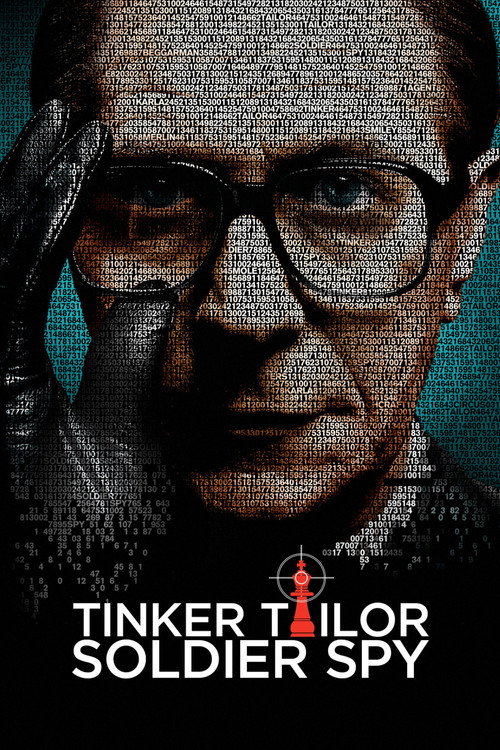
Tinker Tailor Soldier Spy2011
A glacial Cold War spy thriller with comparable moral ambiguity. Gary Oldman's Smiley is the inverse of Carlos—patient, invisible, working within systems—but both explore how espionage corrodes the soul.
But It moves slowly and rewards close attention. If you need your thriller to accelerate, this will feel like watching paint dry.
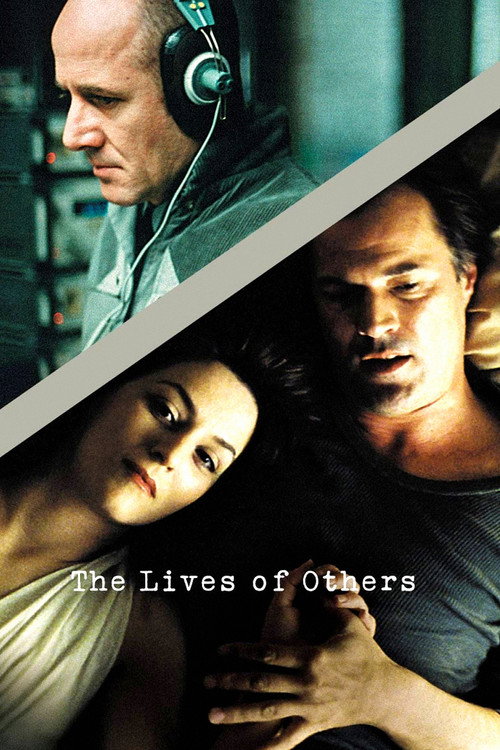
The Lives of Others2006
East German surveillance state drama that examines ideology, betrayal, and what happens when power permits evil. Like Carlos, it asks what cost is too high for your beliefs.
But It's patient, meditative, and ends in quiet devastation rather than catharsis. Not a crowd-pleaser.
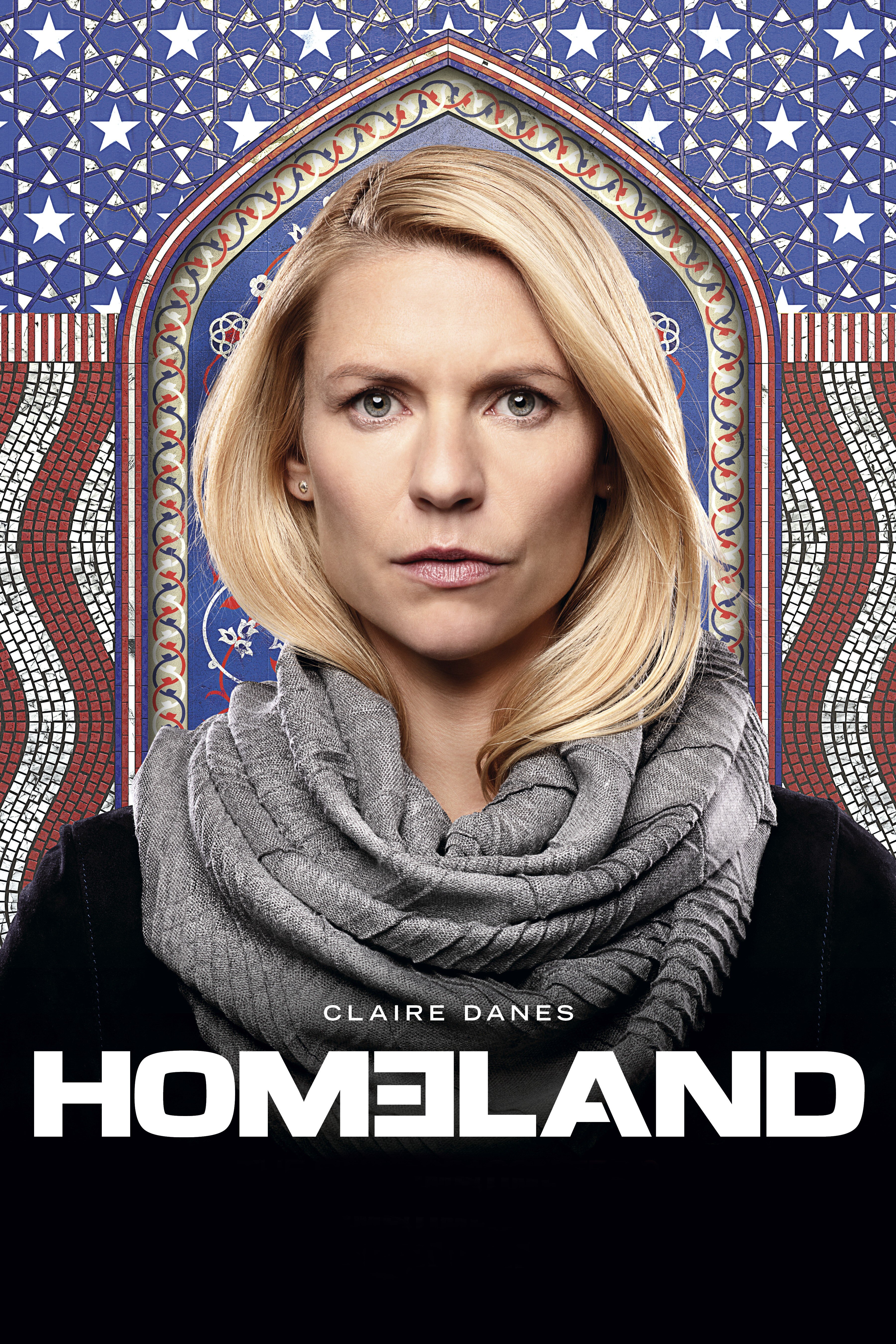
Homeland2011
Espionage thriller about radicalization and the blurred line between freedom fighter and terrorist. Seasons 1-3 have real teeth and comparable moral complexity about belief systems gone wrong.
But Later seasons devolve into melodrama. You're investing in a show that doesn't maintain its own intelligence.
Not sure tonight? Get a pick in a minute, starting from Carlos
The wildcard
Something you would not have found on your own.
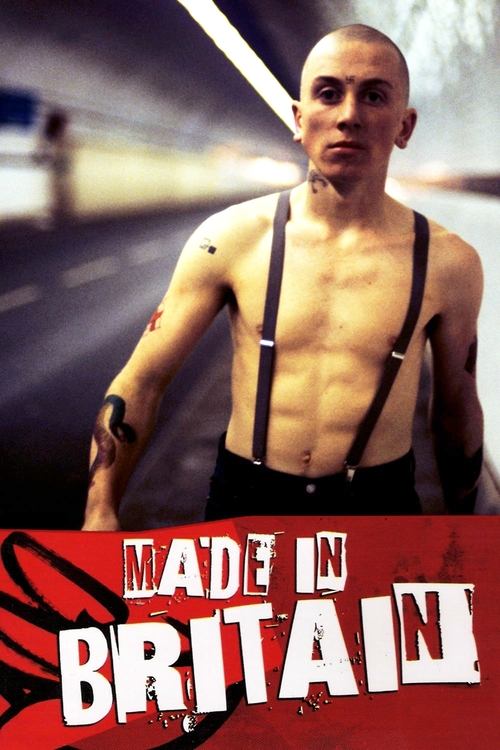
Made in Britain1983
Both are unblinking portraits of how systems—state, family, ideology—produce monsters. Neither flinches away from the subject's charisma as part of the problem.
Alan Clarke's raw, unsparing 80-minute film about a fascist skinhead's trajectory through a broken system. Shares Carlos's unflinching examination of radicalization, but from the bottom up—no ideology, just rage and damage.
But It's aggressively confrontational and offers no sympathetic angle on its protagonist. Some viewers find it too bleak and uncomfortable to watch.
More like this (8)
A Prophet2009
French prison drama about a man's brutal education in systems of power. Shares Carlos's eye for how charisma and violence intersect, and how institutions corrupt incrementally.
But It's bleak, graphic, and offers no redemption. Some viewers find it punishing rather than enlightening.

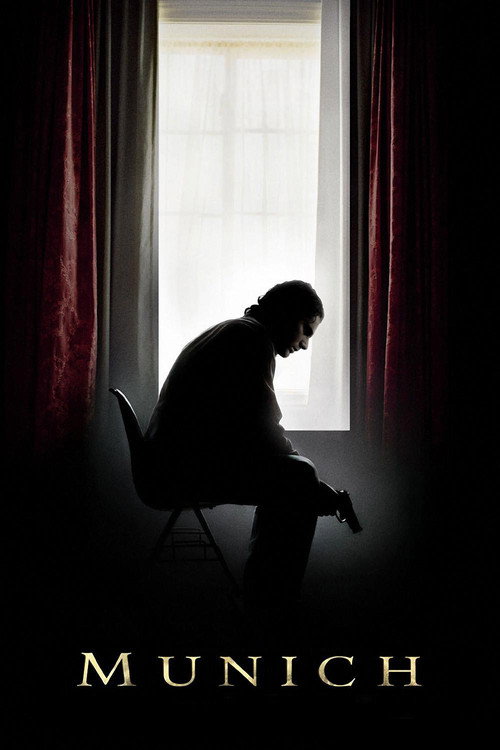
Munich2005
Spielberg's account of Mossad's hunt for the 1972 Olympics assassins. Like Carlos, it examines the moral cost of working outside the law, even for nations.
But It's three hours of moral ambiguity without answers. If you want clarity, you won't find it.
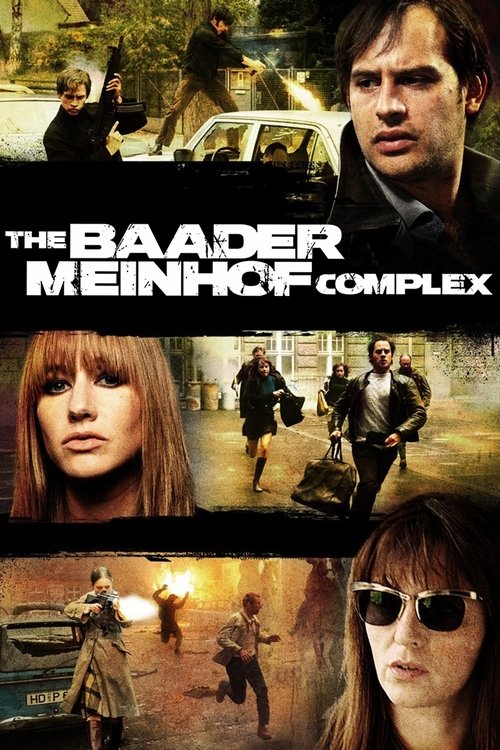
The Baader Meinhof Complex2008
German thriller about the Red Army Faction, another radical left group operating in the same Cold War moment. Shares Carlos's unflinching look at how idealism becomes terrorism.
But It's violent, dense with historical detail, and doesn't judge its subjects. Some find that disturbing or exhausting.
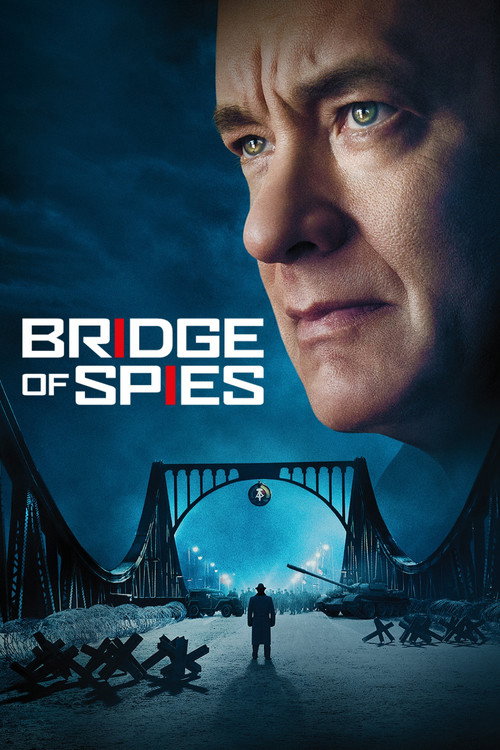
Bridge of Spies2015
Spielberg's patient Cold War thriller about negotiation between superpowers. Where Carlos destroys through action, this explores what happens when reason prevails—a fascinating counterpoint.
But It's deliberately slow and cerebral. If you prefer kinetic thrillers, it will feel like a procedural.
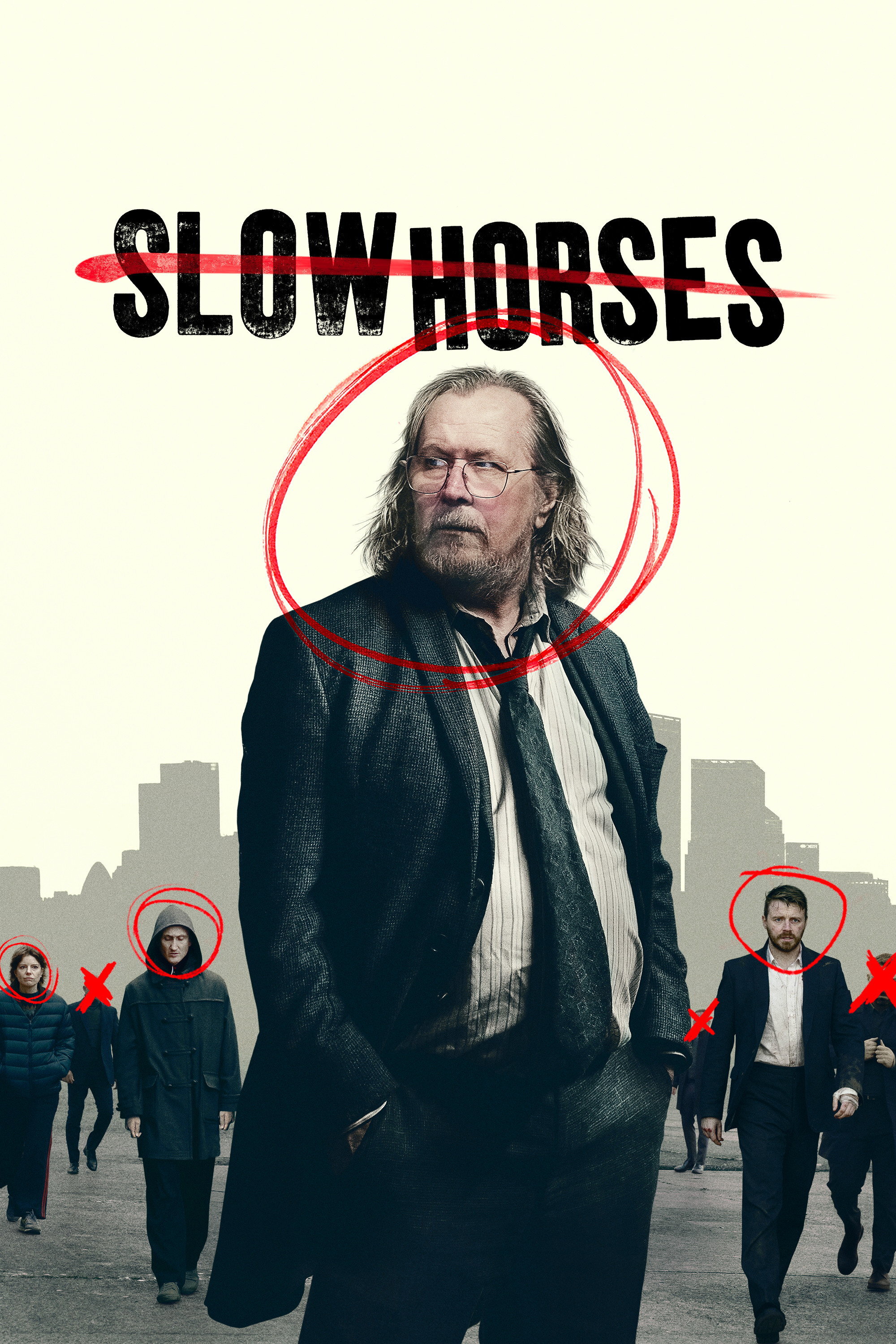
Slow Horses2022
British spy thriller about MI5 misfits. Shares Carlos's eye for how institutions function and how ambition corrodes loyalty, but with dark humour and real emotional stakes.
But The early episodes are deliberately messy and difficult to parse. It trusts the viewer but tests patience first.
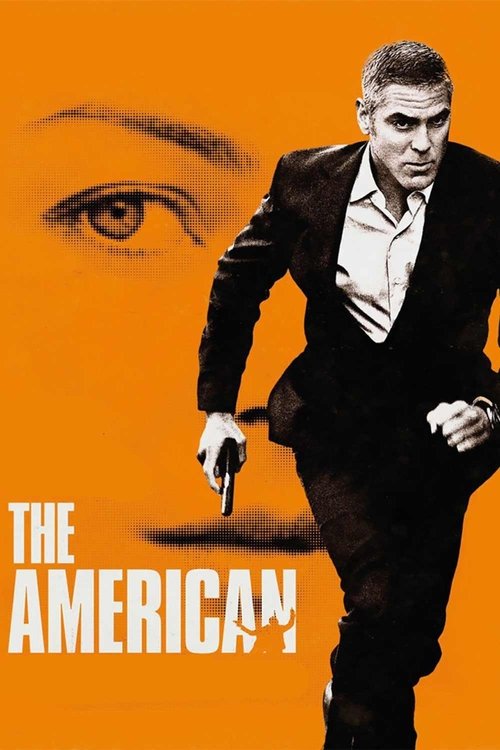
The American2010
Clooney as a hitman crafting his last job in Italy. Meditative thriller about isolation, professionalism, and the distance between intention and action—themes that echo through Carlos's story.
But It's meditative to the point of inertia. Long stretches with minimal dialogue and action may feel like nothing is happening.
The Battle of Algiers1966
Both examine violence as politics, but Algiers asks *why* it happens; Carlos asks *what happens* when the why no longer matters. Watching both clarifies the difference between freedom fighting and nihilism.
Pontecorvo's masterpiece about anti-colonial resistance and urban terrorism. It's the film that shaped how revolutionary violence is seen; Carlos lived in its shadow. Essential context for understanding the ideology he claimed.
But It's a 1960s Italian-Algerian production with period grain and subtitles. Its formal style won't feel modern, and its moral framework is more sympathetic to its rebels than Carlos warrants.

Synecdoche, New York2008
Both are studies in narcissism and self-mythologizing. Carlos created Carlos the Jackal as a character; Kaufman's protagonist does the same with his art. The mechanics of delusion are identical, just dressed in different costumes.
Kaufman's baroque, devastating film about a man building an elaborate fiction to replace reality. Sounds nothing like Carlos, but both are about charismatic figures constructing mythologies of themselves until the lie becomes more real than anything outside it.
But It's maximalist, oblique, and demands multiple viewings to parse. If you want clarity and plot, it will frustrate you. Some find it self-indulgent rather than profound.

People
Cast
Recommended by
The Battle of Algiers, The Day of the Jackal, The Baader Meinhof Complex, The Young Pope, The Gospel According to St. Matthew, The Childhood of a Leader, Geronimo: An American Legend, The Baader-Meinhof Gang on Trial, Young Törless