
Film
Young Törless
- Coming-of-age
- Very dark
- Slow-burning
Volker Schlöndorff's debut adaptation of Musil's novel observes the cruelty that festers in a closed institution—boarding school hierarchies, complicity, the slow erosion of conscience. Shot in austere black and white, it's claustrophobic and morally unsparing, less interested in plot than in the texture of shame and cowardice. For anyone ready to sit with difficult psychology and cinema that trusts you to feel uncomfortable.
If you liked this
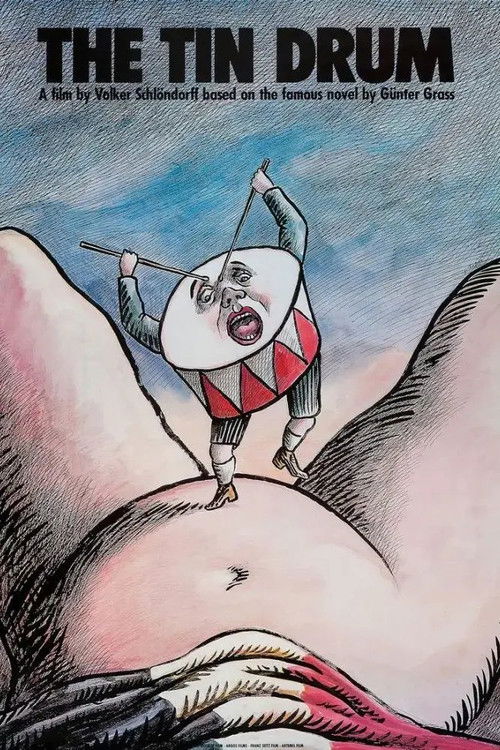
The Tin Drum1979
Schlöndorff's masterpiece about corruption and complicity in Nazi Germany, with the same unflinching gaze at how ordinary people enable extraordinary evil. Stunning imagery and a protagonist who refuses to grow up as moral protest.
But The tone is grotesque and provocative—nudity, graphic violence, and a deliberately destabilizing mix of tragedy and carnival. Three and a half hours of unease.
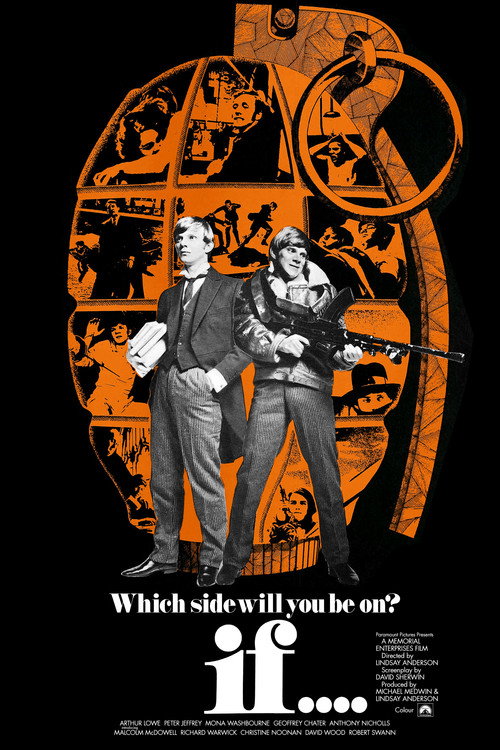
if....1968
Another boarding school film, but wilder—it explodes into surrealism and rebellion. Lindsay Anderson captures the same institutional cruelty as Törless but with anarchic energy and formal invention. Prophetic about authority and violence.
But The final twenty minutes abandon realism entirely. Some find it exhilarating; others feel it undoes the film's power by turning nightmare into fantasy.
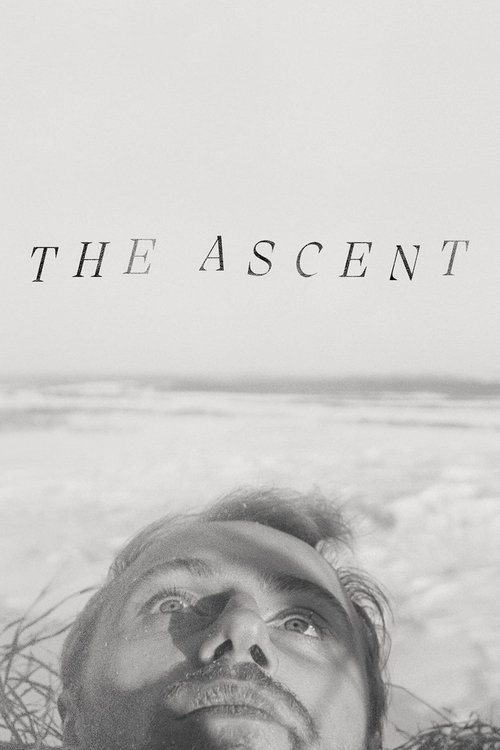
The Ascent1977
Larisa Shepitko's masterpiece: two Soviet partisans climb a mountain toward execution, and the film becomes a spiritual and moral interrogation. Like Törless, it's interested in conscience at the breaking point, filmed in stunning monochrome.
But Slow, metaphysical, and bleak. The pacing is meditative; the ending offers no comfort. Requires patience and emotional openness.
Not sure tonight? Get a pick in a minute, starting from Young Törless
The wildcard
Something you would not have found on your own.
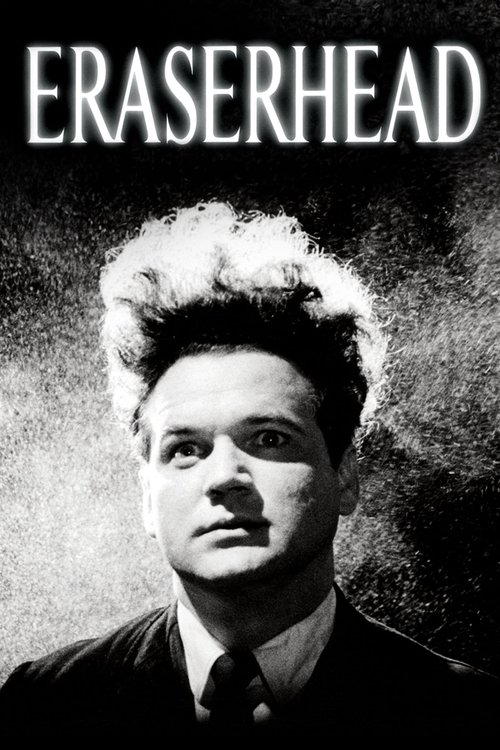
Eraserhead1977
Both films are less interested in plot than in the psychological tone of a man watching his own moral failure. Both use formal constraint—black and white, careful composition—to intensify the dread. Both are about complicity as a kind of horror.
David Lynch's fever dream about alienation and bodily horror in an industrial nightmare. Like Törless, it captures the texture of existential dread through formal precision—but where Schlöndorff is austere realism, Lynch is texture and dream. Both films burrow into male anxiety and complicity in their own paralysis.
But Surrealist and deliberately obscure. No plot, minimal dialogue, deeply unsettling imagery. If you need narrative clarity or comfort, this will alienate you completely.
More like this (7)
A Prophet2009
Confined spaces, predator-and-prey social hierarchies, a man learning to survive by understanding power. Jacques Audiard's prison drama has the same moral clarity and psychological intensity as Törless, but in a modern setting with visceral energy.
But Violence is sudden and brutal. The protagonist becomes someone darker; moral clarity doesn't equal a happy ending or redemption.

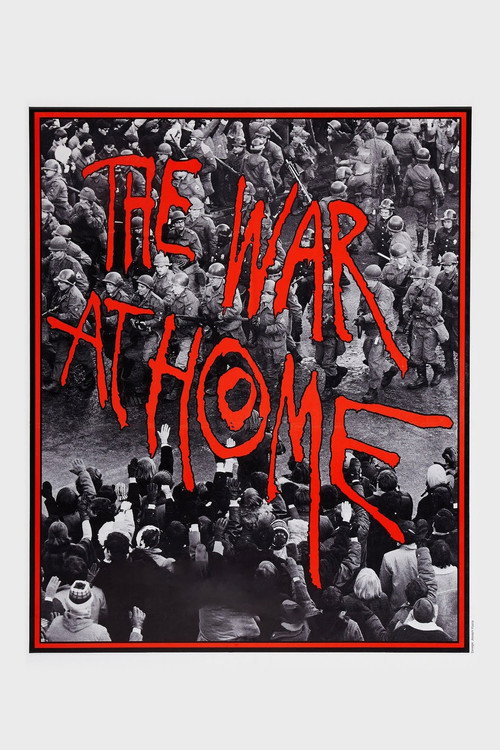
The War at Home1979
A documentary about the My Lai massacre that uses testimony and archival footage to explore how ordinary Americans committed atrocity. The same question as Törless: how do good people become complicit? No fictional distance, which makes it sharper.
But Documentary format; no plot or characters to hide behind. The horror is real and often banal. Emotionally exhausting.
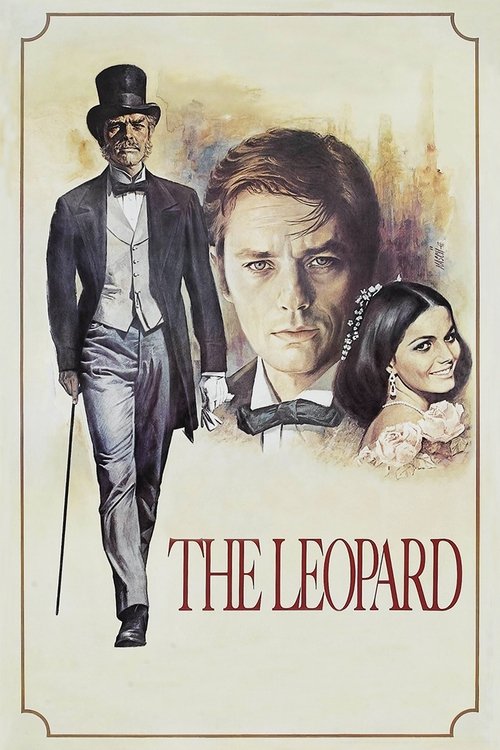
The Leopard1963
Visconti's masterpiece about a dying aristocratic order, filmed with operatic beauty. Like Törless, it observes social hierarchies and the moral cost of watching systems collapse without resisting. An absolute visual feast.
But At 205 minutes, it's a commitment. The plot is minimal; the film is about atmosphere, decay, and the weight of history. Can feel slow if you want plot momentum.
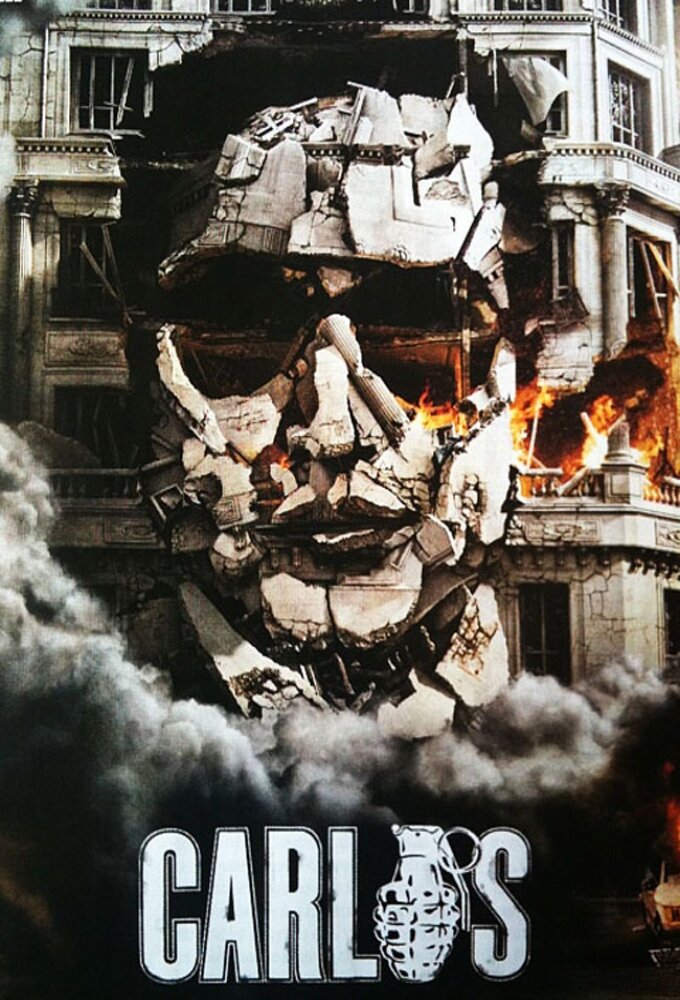
Carlos2010
Olivier Assayas's five-and-a-half-hour epic about the revolutionary terrorist Carlos. It shares Törless's interest in how ideology and psychology create complicity, and in the banality of cruelty. A puzzle-box of motivation and self-deception.
But The length is punishing. The film mirrors its subject's narcissism—it can feel as self-involved and circling as Carlos himself. Not everyone has the stamina or patience.
Come and See1985
Elem Klimov's film about a Soviet boy witnessing the Nazis' atrocities. Raw, hallucinatory, and visceral—it shows the corruption of innocence in extremis. A masterpiece of cinema that documents moral collapse.
But Traumatizing. Not hyperbolic—it's designed to wound. The violence is graphic and the film offers no catharsis or distance. Only for viewers ready for cinema as ordeal.

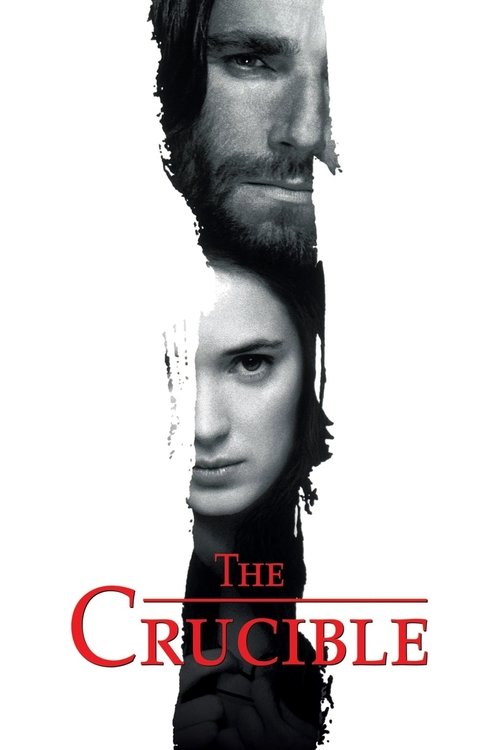
The Crucible1996
Both examine how institutions—school, church—create conditions where sadism and cruelty become normalized. Both ask: at what point does silence become complicity? Both are formal and composed rather than sensational about violence.
Nicholas Hytner's adaptation of Arthur Miller's play about the Salem witch trials. Like Törless, it's about institutional cruelty, mass hysteria, and the cost of speaking up when silence is easier. Beautifully acted and morally urgent without ever becoming preachy.
But It's a stage adaptation, so the dialogue is mannered and the setting can feel theatrical. Some view it as a period piece rather than a timeless interrogation of power. May feel didactic if you resist the allegory.
The Seventh Seal1957
Both films use constraint—closed settings, minimal dialogue—to force philosophical intensity. Both are about men facing moral questions without escape. Both trust cinema to do what realism cannot: show the texture of conscience itself.
Bergman's meditation on faith, death, and meaning in a time of plague. It has Törless's philosophical rigor but operates in myth rather than realism. A knight plays chess with Death; a film plays chess with meaning. Formally inventive and devastatingly human.
But Abstract and symbolic. If you need psychological naturalism or plot momentum, the medieval allegory can feel slow or pretentious. Bergman's not for everyone, and this is Bergman at his most formally demanding.

People
Cast
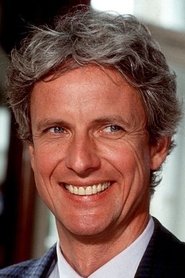 Mathieu CarrièreThomas Törleß
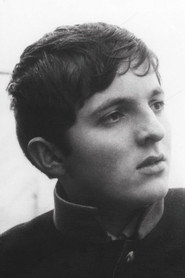 Marian SeidowskyAnselm von Basini
- Bernd TischerBeineberg
- Fred DietzReiting
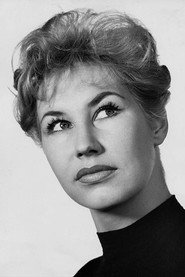 Lotte LedlGastwirtin / Innkeeper
- Jean LaunayMathematiklehrer / Maths Teacher
 Barbara SteeleBozena

Directing
- Volker SchlöndorffDirector
Writing
- Robert MusilNovel
- Herbert AsmodiWriter
- Volker SchlöndorffWriter
Production
- Franz Seitz JuniorProducer
- Louis MalleProducer