
Film
Murmur of the Heart
Louis Malle's 1971 French coming-of-age comedy is tender, mischievous, and startlingly alive. It follows a teenage boy through 1950s provincial life—school crushes, sexual confusion, family chaos—with the warmth of someone who remembers adolescence as messy and funny rather than tragic. Funny without ever being cruel, intimate without being intrusive.
Should you watch it?
Watch it if you like coming-of-age films that find comedy in a boy's wandering appetites and a family's tangled affairs, where the mood stays warm even when the tone turns uneasy.
Skip it if you need a plot that builds, since this drifts episode to episode, and its frankness about teenage sex and a mother's infidelity may sit uneasily.
What it asks of you: Unhurried and loosely strung together, it runs about two hours and lets scenes breathe, shifting between sly humour and quieter, sadder moments without signalling the change.
Not sure? Find tonight's pick in a minute.
If you liked this
The 400 Blows1959
Truffaut's definitive portrait of childhood adrift, with the same mixture of melancholy and mischief. If you loved Malle's eye for the texture of growing up, this is essential—it practically invented the mode.
But It's heavier and more austere than Murmur. The ending lands with real weight, which some find devastating rather than cathartic.

Days of Being Wild1990
Wong Kar-wai's fever dream of adolescent longing and sexual awakening in 1960s Hong Kong. Same sense of desire as danger, beauty as intoxication, youth as a condition that burns itself out.
But It's visually baroque where Malle is restrained. The dreamy pacing requires patience; it doesn't plot so much as drift.

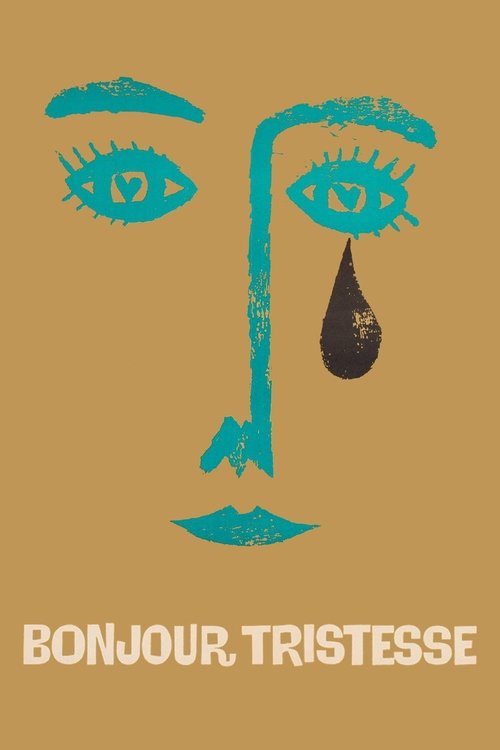
Bonjour Tristesse1958
Preminger's adaptation of Françoise Sagan catches the same ennui and moral ambiguity of French adolescence. A girl navigating adult desire and family betrayal with style and selfishness in equal measure.
But The female protagonist makes different choices than Laurent, and the film judges her more harshly. The tone is cooler, less forgiving.
Not sure tonight? Get a pick in a minute, starting from Murmur of the Heart
The wildcard
Something you would not have found on your own.
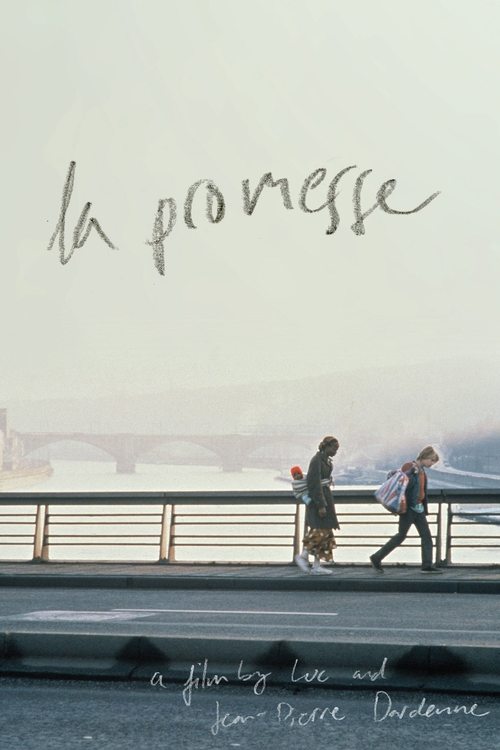
La Promesse1996
Both understand adolescence as the moment when moral choices stop being abstract. Both trust the viewer to find the kid's interior life without explaining it.
The Dardenne brothers' debut: a teenage boy caught between his abusive father and an illegal migrant family. Brutal, urgent, shot in documentary realism. It has Malle's gift for seeing adolescence as a moral crucible, but in a world of actual stakes and poverty.
But It's relentlessly bleak. There's no comedy, no warmth, no family sanatorium—just a kid in genuine danger, forced to choose. Demanding to watch.
More like this (8)
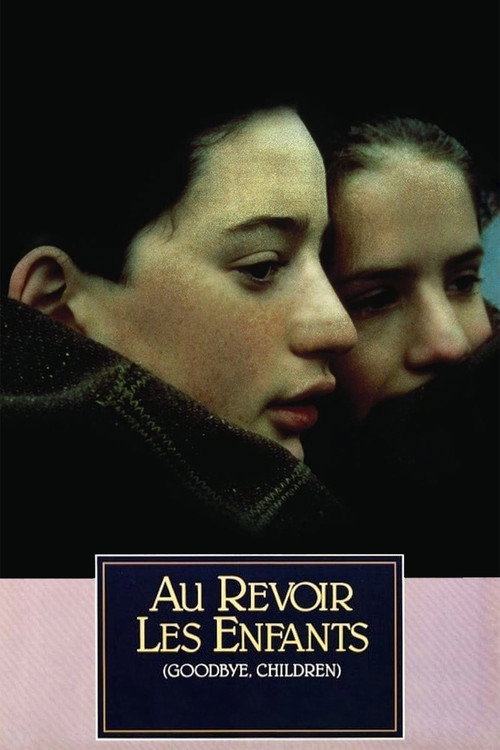
Au Revoir les Enfants1987
Malle himself revisits boyhood in occupied France with devastating grace. A boarding school friendship shadowed by history and betrayal. Quieter than Murmur, but equally alive to how children experience the world.
But It trades comedy for sorrow. The lightness of Murmur is gone entirely; this one stays with you like a bruise.
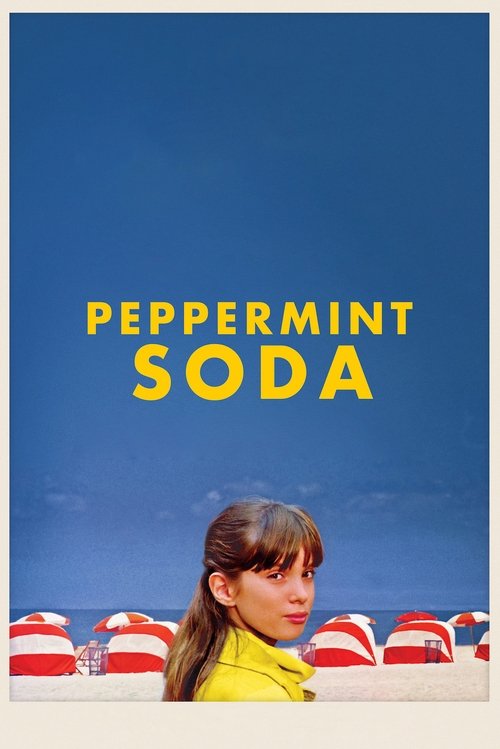
Peppermint Soda1977
Diane Kurys follows two sisters through 1960s France with such affection for the texture of adolescent life—crushes, politics, friendship, desire. Comedy and ache woven together the way Malle does it.
But The focus on female experience means some of Laurent's preoccupations recede. It's gentler and less sexually frank, which some might find safer.
Young Törless1966
Volker Schlöndorff's adaptation of Musil is a darker mirror: a boy in a Kafkaesque boarding school discovering his own capacity for cruelty. Same adolescent awakening, but to the shadow side.
But It's genuinely uncomfortable in ways Murmur never is. The cruelty isn't redeemed by charm or comedy; it just sits there.

if....1968
Lindsay Anderson's anarchic British boarding school film has the same anarchic energy as Malle, but turbocharged. Fantasy and reality collide; authority is ridiculous. Surreal where Murmur is naturalistic, but equally alive.
But It's agitprop dressed as cinema. The politics are on the surface; subtlety isn't the goal. Some find it adolescent in a bad way.

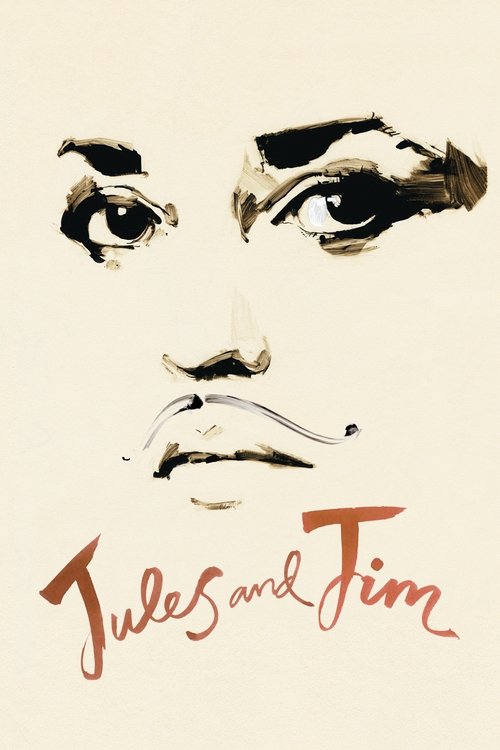
Jules and Jim1962
Truffaut's hymn to bohemia and desire captures the same lightness and melancholy Malle achieves. Two men, one woman, a lifetime of love and betrayal rendered as almost a waltz.
But It's about adults, and it's a romance rather than a coming-of-age. The concerns are sophistication rather than innocence.
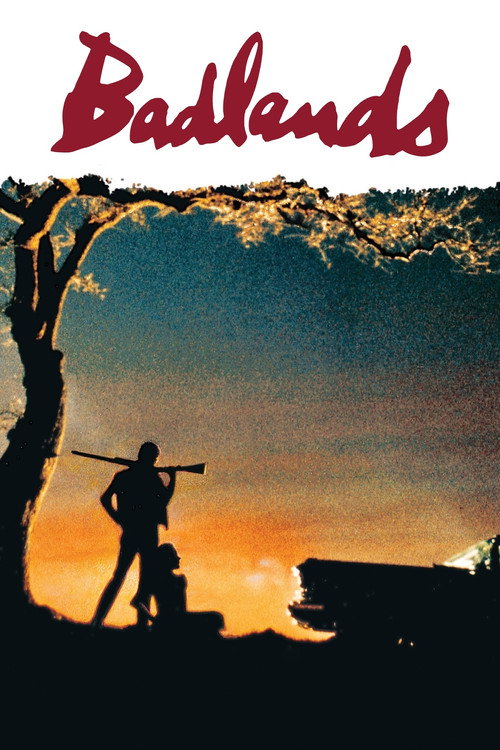
Badlands1973
Terrence Malick's teenage lovers on the run. Poetry, violence, and beauty colliding. Adolescent longing rendered in the most lyrical language cinema has.
But It's self-consciously beautiful in a way Malle never is. Some find the lyricism precious. It's also darker—these kids are killers.
Come and See1985
Both films trust that adolescence is a transformation from which you cannot return. Klimov just shows the cost of that transformation when the world is hell.
Elem Klimov's Soviet masterpiece follows a boy conscripted into WWII. A coming-of-age horror that's almost biblical in its darkness. If you want to see the inverse—adolescence as apocalypse rather than comedy—this is it.
But It's one of the most brutal films ever made. Not depressing so much as annihilating. Some viewers find it unwatchable, and they're not wrong to.

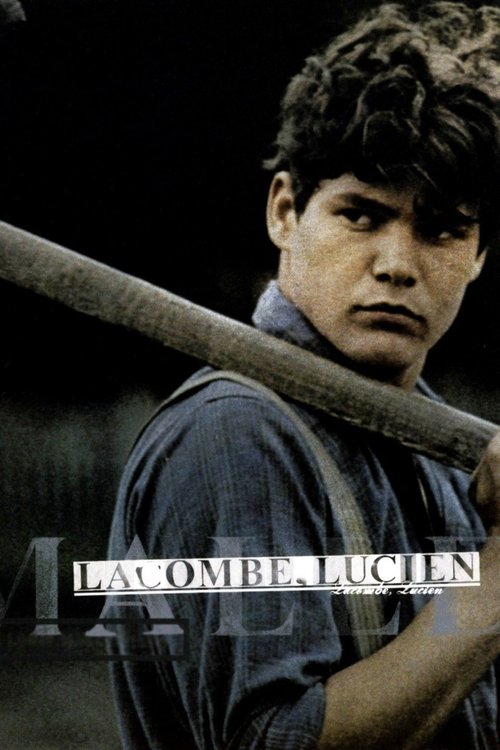
Lacombe, Lucien1974
Malle's preoccupation: the shape of adolescent desire and drift when history intrudes. Lucien isn't evil; he's just a kid following the current. That's the horror.
Louis Malle's own follow-up: a French farm boy drifts into collaboration with the Gestapo during WWII. Same tender, non-judgmental eye turned on a more terrible subject. How do ordinary kids become complicit? The moral ambiguity is excruciating.
But It's controversial for treating a collaborator with such sympathy. Some see it as immoral relativism rather than moral clarity. The film refuses to condemn, which infuriates some viewers.
People
Cast
 Lea MassariClara Chevalier
 Benoît FerreuxLaurent Chevalier
 Marc WinocourtMarc Chevalier
 Fabien FerreuxThomas Chevalier
 Daniel GélinCharles Chevalier
 Michael LonsdaleFather Henri
 Ave NinchiAugusta
 Annie SavarinCook
 Gila von WeitershausenFreda, prostitute
 Micheline BonaAunt Claudine
 Henri PoirierUncle Léonce
 Liliane SorvalFernande
Directing
- Fernand MoszkowiczAssistant Director
- Rida DraïsAssistant Director
- Louis MalleDirector
Writing
- Louis MalleWriter
Production
- Claude NedjarProducer
- Vincent MalleProducer
- Maurice UrbainUnit Manager
Recommended by
Les Biches, Peppermint Soda, Bonnie's Kids, The Long Farewell, The Sailor Who Fell from Grace with the Sea