
Film
La Promesse
A Belgian film about a fifteen-year-old boy caught between his hustler father and a dying man's desperate request. Igor moves through a grey world of scams and exploitation, facing the first real moral choice of his life. It's intimate, unforgiving, and anchored by performances that make you feel the weight of impossible choices. For anyone who wants drama that earns its darkness.
Should you watch it?
Watch it if you like close, unflinching camera work that follows a restless teenager's small moral choices without ever telling you what to feel about them.
Skip it if you need plot-driven momentum or polished, conventional storytelling, as this is slow, loose, and often uncomfortably bleak in its texture.
What it asks of you: Ninety-four minutes of restless, close-up attention, with long silences and little explanation, so you have to work out the moral weight yourself.
Not sure? Find tonight's pick in a minute.
If you liked this
Bicycle Thieves1948
A father and son navigate poverty and desperation in post-war Rome. Like La Promesse, it finds profound humanity in small moments and shows how circumstance can trap good intentions. Essential viewing.
But The pacing is deliberate and the ending offers no comfort. If you need resolution or uplift, this will feel bleak.

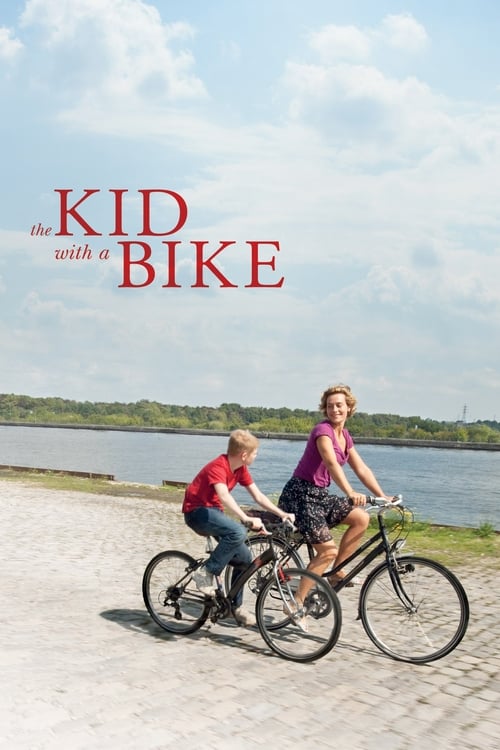
The Kid with a Bike2011
Another Dardenne brothers masterpiece about a young boy's survival and moral education. The same directors, similar emotional terrain, but this one focuses on what kindness can do. Devastating and alive.
But It shares La Promesse's refusal to sentimentalize poverty. Some find the realism punishing rather than cathartic.
Kes1970
A British boy finds solace in a hawk while trapped in a brutal home and school system. Like Igor, he's intelligent and trapped; like La Promesse, it's about how systems fail children who deserve better.
But The violence—both physical and emotional—is casual and relentless. The hope it offers is fragile, which some experience as not enough.

Not sure tonight? Get a pick in a minute, starting from La Promesse
The wildcard
Something you would not have found on your own.
Harakiri1962
Both films use a single moral crisis to indict an entire social system. Both demand that loyalty and honor become instruments of self-destruction. Both refuse to separate the personal from the political.
A samurai's ritual suicide becomes an indictment of the system that demanded it. Like La Promesse, it's about a man forced to choose between loyalty and survival, and the price of that choice paid in blood. Extraordinary cinema.
But It's a black-and-white film about suicide that stretches past two hours. The ending is not triumphant; it's a statement made in death.

More like this (8)
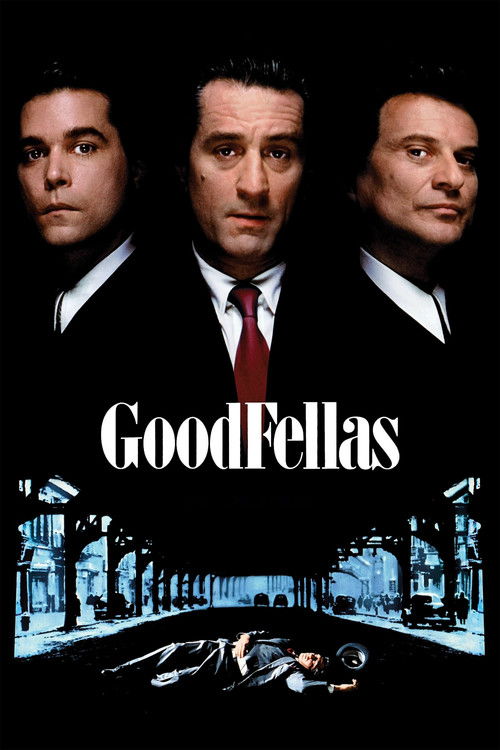
GoodFellas1990
A different angle on the same world: entry into organized crime as seduction rather than force. Both films understand how easily young people can be pulled into corruption when it's family business.
But It's sleek and entertaining where La Promesse is austere. The moral clarity is murkier; crime looks too much fun for some viewers' comfort.
Boyhood2014
Twelve years of a boy's life, watching him grow and navigate impossible parents. Like La Promesse, it trusts observation over plot and finds the drama in small choices and accumulated damage.
But At three hours, the lack of conventional narrative structure tests patience. Many find it meandering where others find it profound.

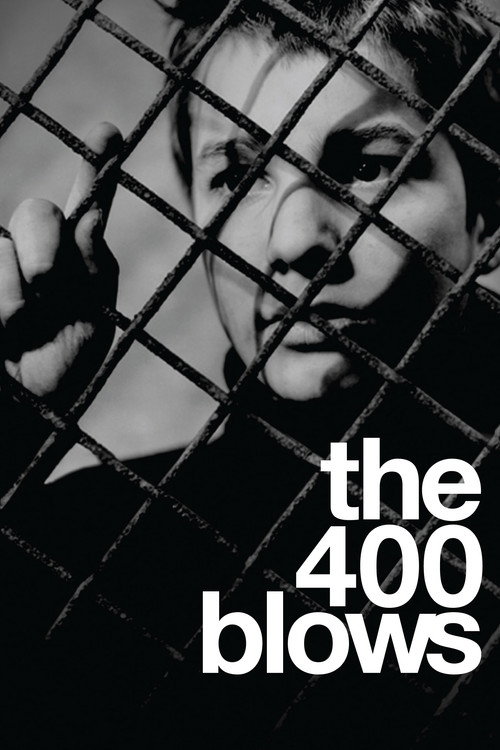
The 400 Blows1959
Truffaut's masterpiece about a neglected Parisian boy's slow spiral. It has La Promesse's eye for how institutions and families fail children, and its ending is one of cinema's most haunting moments.
But The boy is harder to root for than Igor—more criminal than moral. Its ambiguity about whether he deserves sympathy will frustrate some.
Winter Light1963
Bergman's lean study of faith crumbling and moral paralysis. Like La Promesse, it asks whether we have any obligation to help others when we can barely help ourselves.
But Bergman's minimalism and spiritual despair aren't everyone's idea of a night in. Expect long silences and no answers.

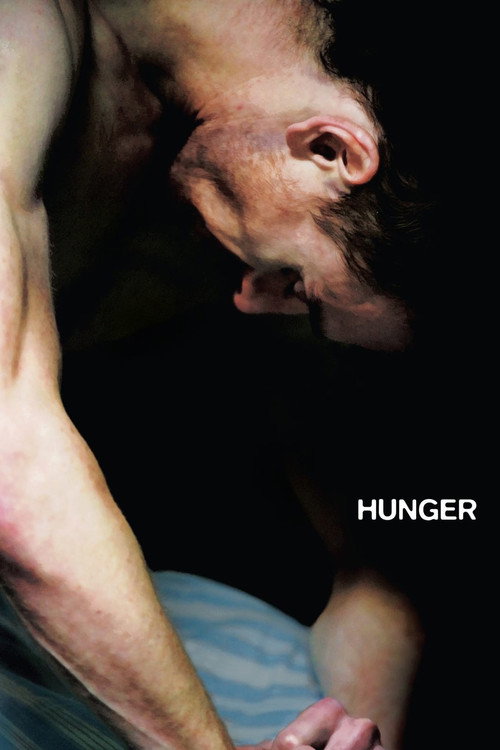
Hunger2008
Steve McQueen's debut about an IRA prisoner's protest. A different setting, but the same unflinching study of how conviction meets flesh, and what it costs to keep a promise.
But It's punishing to watch—visceral suffering, minimal dialogue, self-harm. McQueen doesn't look away, which means neither can you.
Chungking Express1994
Wong Kar-wai's neon fever dream about loneliness and connection in Hong Kong. Tonal opposite to La Promesse, but equally grounded in how young people navigate impossible feelings and makeshift families.
But Its visual maximalism and fractured narrative can feel like style over substance. If you want clarity, this withholds it deliberately.

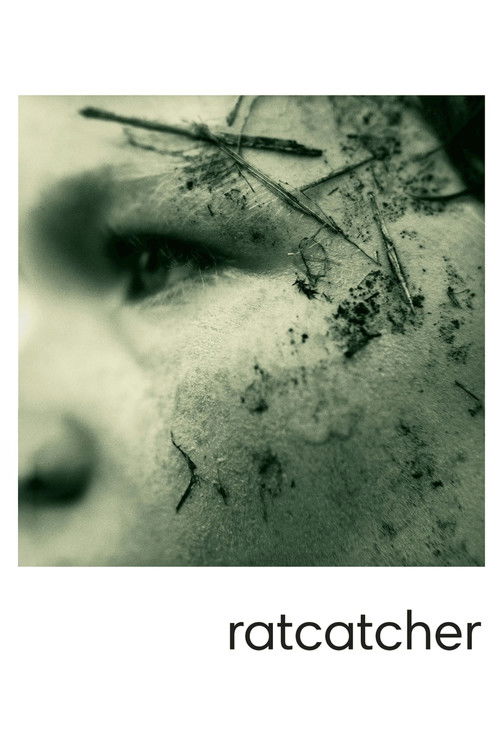
Ratcatcher1999
Both films center a child's dawning moral awareness while refusing to absolve him. Both suggest that growing up in corruption means you inherit it whether you want to or not. Both end with that inheritance unresolved.
A Scottish boy navigates a garbage-strike-devastated Glasgow, guilt, poverty, and complicity. Lynne Ramsay's film is dreamier than La Promesse but equally focused on how circumstance and family legacy trap children into terrible choices.
But It's visually experimental and emotionally opaque. The narrative resists clarity; some find this poetic, others find it frustrating.
Gomorrah2008
Both films study how organized crime becomes ordinary, how young men are recruited not by force but by proximity and family. Both use neorealist style to drain away the romance and show the grinding tedium and moral numbness underneath.
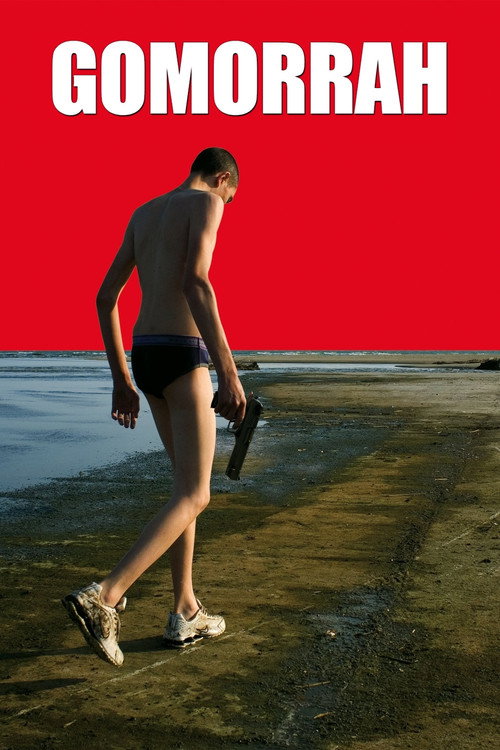
An Italian crime drama told through four interwoven stories of people embedded in the Naples mafia. Where La Promesse focuses on one boy's crisis, Gomorrah shows the ecosystem he'd be entering—the textures of a world where crime is just how things work.
But It's a distributed narrative with no clear protagonist. The violence is sudden and casual. If you need a story, you have to work to find it.
People
Cast
 Jérémie RenierIgor
 Olivier GourmetRoger
- Assita OuedraogoAssita
 Florian DelainRiri
- Hachemi HaddadNabil
 Rasmané OuédraogoAmidou
 Jean-Michel BalthazarThe Labour Inspector
 Frédéric BodsonThe Garage Boss
- Jean-Paul DermontMuller
 Alain HoltgenThe Postman
 Geneviève Joly-ProvostGeneviève
- Rifi KythoukaThe Seer
Directing
- Jean-Pierre DardenneDirector
- Luc DardenneDirector
Writing
- Alphonse BadoloWriter
- Jean-Pierre DardenneWriter
- Leon MichauxWriter
- Luc DardenneWriter
Production
- Claude WaringoProducer
- Hassen DaldoulProducer
- Jacqueline PierreuxProducer
- Jean-Pierre DardenneProducer
- Luc DardenneProducer
Recommended by
Rosetta, Jindabyne, Murmur of the Heart, One Sings, the Other Doesn't, Simple Men, Surviving Desire, The Last Days of Chez Nous, The Inheritance