
Film
Jindabyne
A fishing trip becomes a moral rupture when four men discover a murdered girl's body in rural Australia. Rather than immediately report it, they finish their weekend, setting off a community earthquake that exposes the town's racism, complicity, and the cost of silence. Tense, deeply uncomfortable, and deliberately paced—this is a film about how ordinary people become monstrous through inaction.
Should you watch it?
Watch it if you are drawn to slow, morally knotted drama where a crime becomes the doorway into a marriage and a town's uneasy silences, and you don't need the mystery neatly solved.
Skip it if you want a whodunit with momentum; this is slow, hushed, and near two hours long, treating the crime as a wound rather than a puzzle.
What it asks of you: Expect a long, patient watch that lingers on landscape and awkward domestic quiet, with its darkness arriving slowly and staying put rather than building to a jolt.
Not sure? Find tonight's pick in a minute.
If you liked this
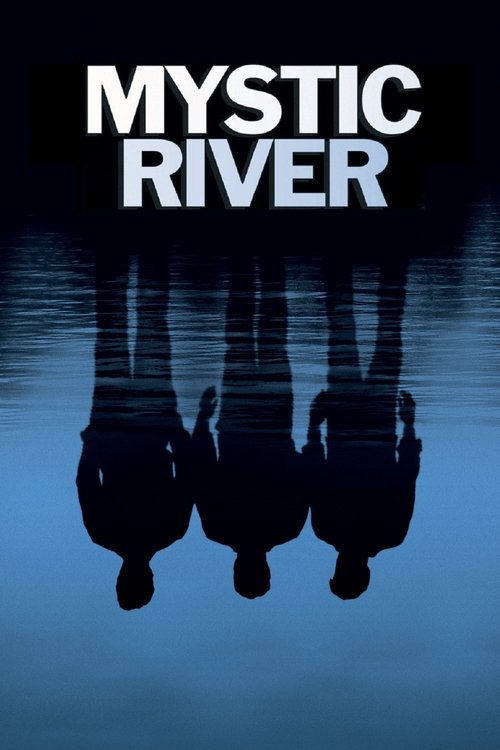
Mystic River2003
Three childhood friends are torn apart when a crime in their neighbourhood forces them to confront their past and present selves. Like Jindabyne, it's about how a single act of violence fractures an entire community and the people within it.
But It's bleak and structurally dense—two-and-a-half hours of men wrestling with guilt, shame, and the desire for vengeance. Not cathartic.
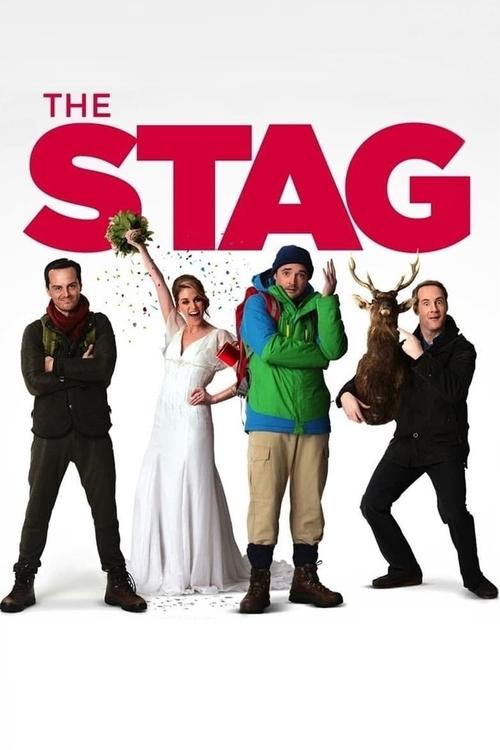
The Stag2013
An Irish bachelor party goes to a remote cottage where secrets, class tensions, and brutality emerge. Sharp and darkly comic, it shares Jindabyne's knack for turning male camaraderie into something sinister and claustrophobic.
But It's aggressively bleak and the violence is sudden. Some find the tone too mean-spirited for a film that works partly as satire.
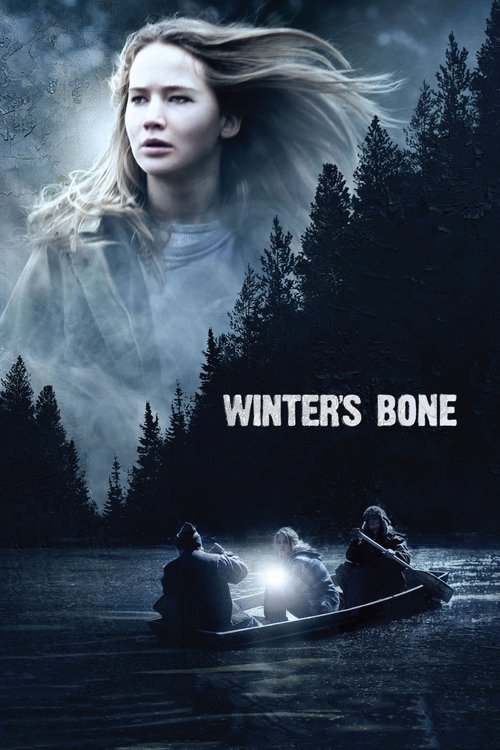
Winter's Bone2010
A teenage girl searches for her missing father in rural Ozark society, discovering how poverty, family loyalty, and moral compromise bind communities together. The same unflinching examination of complicity and survival.
But Formally austere and deliberately slow. Nothing is explained or softened. Demands patience and offers no easy answers.
Not sure tonight? Get a pick in a minute, starting from Jindabyne
The wildcard
Something you would not have found on your own.
Under the Skin2014
Both use isolated landscapes and male victims to examine complicity and inaction. Both ask: what is the price of looking away?
Scarlett Johansson (in a wig, barely speaking) drives through Glasgow picking up men who vanish into an alien hunger. Completely different genre and tone, but shares Jindabyne's interest in complicity, silence, and the ordinary becoming terrifying. Scotland instead of Australia; sci-fi instead of crime; but the same moral vertigo.
But It's a slow, experimental film with almost no dialogue. Long sequences of driving, minimal plot. Requires you to generate meaning from mood and image, not story.

More like this (8)
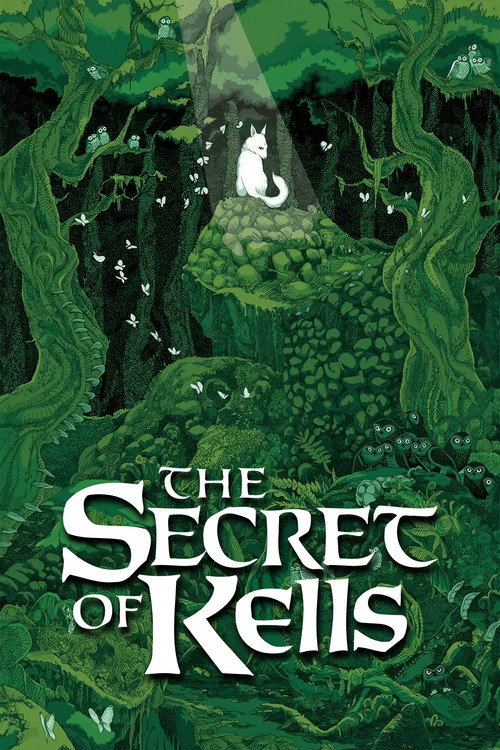
The Secret of Kells2009
Completely different in tone and format—a gorgeously animated Irish fantasy—but shares Jindabyne's interest in how communities keep secrets and how those secrets poison everything. Lighter, but structurally similar.
But It's animated, which some viewers find harder to take seriously. The fantasy elements may feel incongruous if you're expecting pure realism.
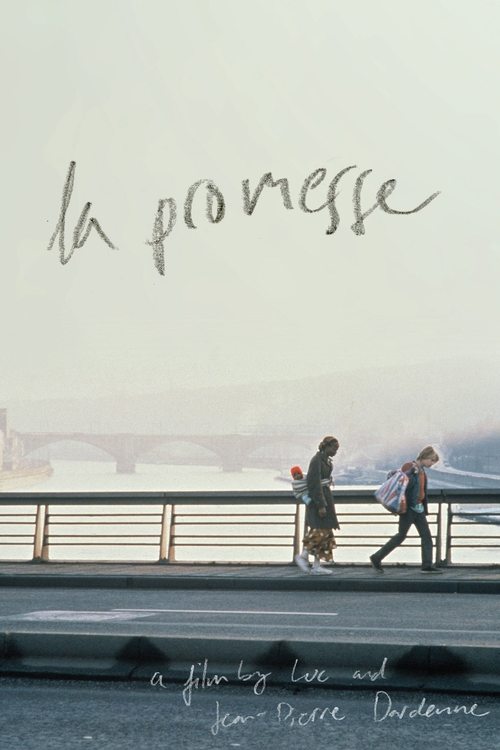
La Promesse1996
A teenage boy helps his father exploit migrant workers, then promises to help a dying worker—and his life becomes impossible. Dardenne brothers mastery: ordinary people trapped in systems of complicity with no good exit.
But Shot in handheld, deliberately unglamorous style. Subtitled. Very quiet drama with no dramatic payoff, just moral entrapment.
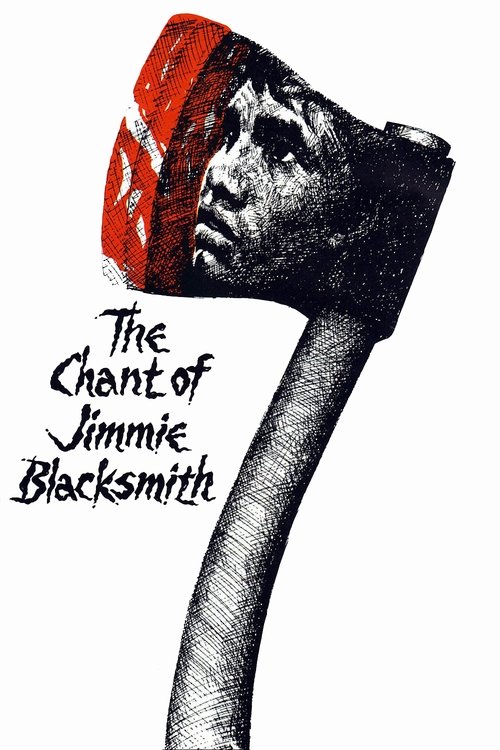
The Chant of Jimmie Blacksmith1978
An Aboriginal man navigates violent racism in colonial Australia, eventually becoming the violence he's experienced. Shares Jindabyne's unflinching look at Australian race relations and moral corruption, but from the opposite perspective.
But Genuinely disturbing and unresolved. Made in the 1970s on a low budget—the image quality is rough and some sequences are genuinely hard to watch.
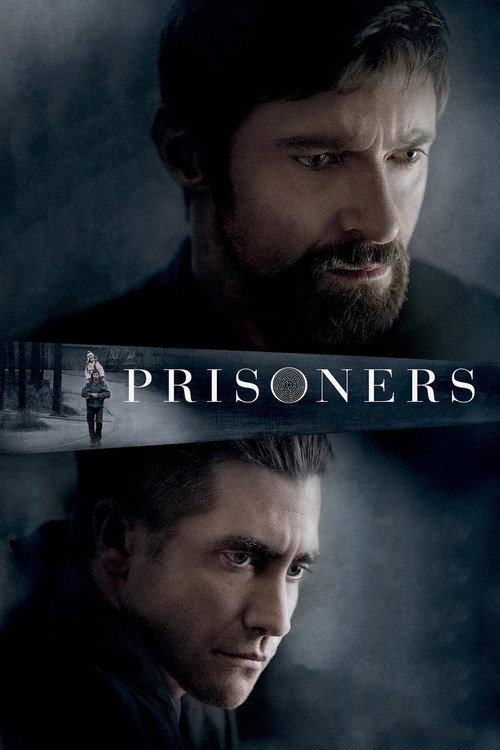
Prisoners2013
A man abducts a teenage girl; her father tortures him for information; a detective closes in. Like Jindabyne, it's about how desperation and inaction corrupt ordinary people and communities. Morally devastating.
But It's a long, brutal procedural that asks you to watch good men become monsters. The violence is graphic and the ending offers no comfort.
A Prophet2009
A young man enters prison as nobody and learns to survive through lies, sex, and violence. Not about a crime scene, but about how silence and complicity transform people in closed systems—towns or prisons.
But It's in French, subtitled, and deals with prison violence including sexual assault. Grim and requires serious attention to follow.

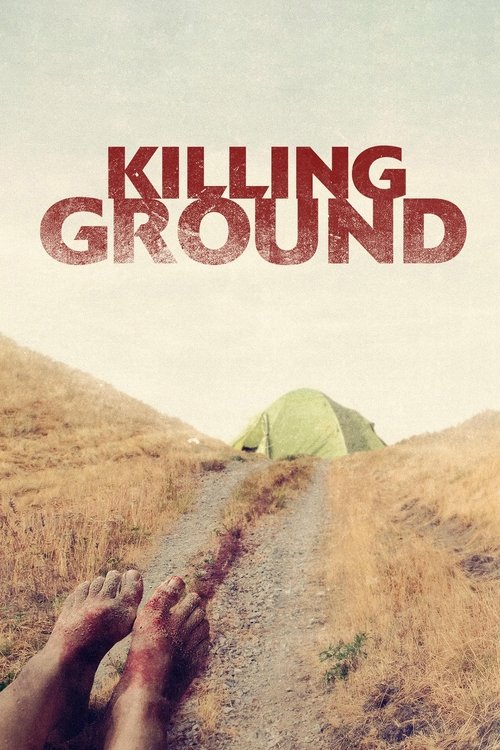
Killing Ground2017
A couple's camping trip intersects with a crime in progress. Like Jindabyne, it asks: what do ordinary people owe to strangers? What do they do when they discover something terrible? Tense and morally suffocating.
But Low-budget Australian horror-drama hybrid. Some technical roughness, and the violence, when it comes, is presented without glamour or mercy.
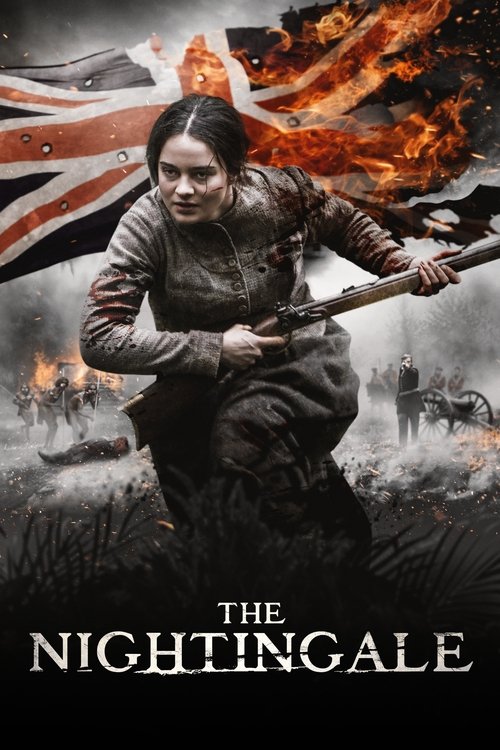
The Nightingale2018
Both set in rural Australia and examine how communities enable violence through silence and inaction. Jindabyne shows the poison of doing nothing; The Nightingale shows the poison of fighting back.
Jennifer Kent's Australian revenge thriller—a woman hunts the soldiers who destroyed her family in 1825 Tasmania. Brutal and formally inventive, it takes Jindabyne's unflinching Australian moral reckoning and weaponizes it, pushing into gothic horror. Same country, same historical violence, opposite approach.
But Extremely violent and traumatic. Deals explicitly with rape and child murder. Not a cathartic revenge film—it asks what vengeance costs the avenger.
The Act of Killing2012
Both examine how ordinary men become complicit in atrocity through inaction or cultural permission. Both ask: how do communities protect those who have done terrible things?
A documentary in which Indonesian death squad leaders stage re-enactments of the murders they committed in 1965. No Australian fishing trip, no scripted drama—but it's about the same thing: how ordinary men normalize atrocity, how communities protect killers, how silence lets evil calcify into pride. Unforgettable and essential.
But It's a documentary, not a narrative film. Very long (two hours-plus). And the subject matter is genuinely horrifying—you're watching murderers celebrate what they did.

People
Cast
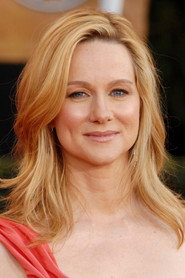 Laura LinneyClaire
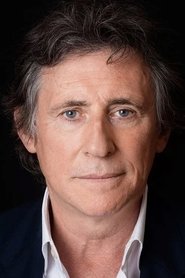 Gabriel ByrneStewart
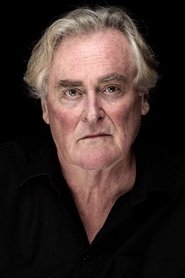 John HowardCarl
- Riley Von HusenTrout
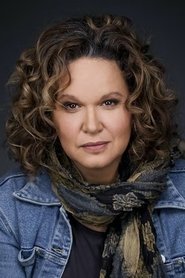 Leah PurcellCarmel
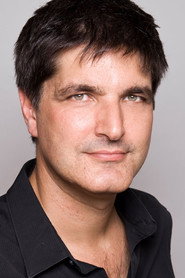 Stelios YiakmisRocco
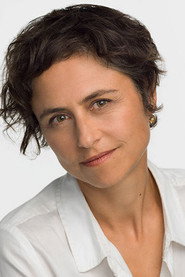 Alice GarnerElissa
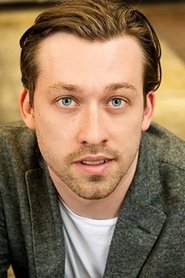 Simon StoneBilly the Kid
- Betty LucasVanessa
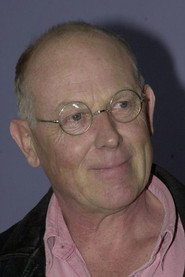 Chris HaywoodGregory
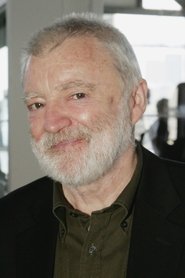 Max CullenTerry
Directing
- Ray LawrenceDirector
- Kira BohnScript Supervisor
Writing
- Raymond CarverShort Story
- Beatrix ChristianWriter
Production
- Susie MaizelsCasting
- Garry CharnyExecutive Producer
- Philippa BatemanExecutive Producer
- Tony TvrdeichLine Producer
- Catherine JarmanProducer