
Film
One Sings, the Other Doesn't
Agnès Varda's hymn to female friendship and autonomy across a transformative decade. Two women—Pomme the free-spirited singer, Suzanne the grounded activist—meet during an abortion crisis and reunite a decade later, their separate lives a testament to different ways of being free. Warm, political without preaching, and genuinely joyful about women's lives.
If you liked this
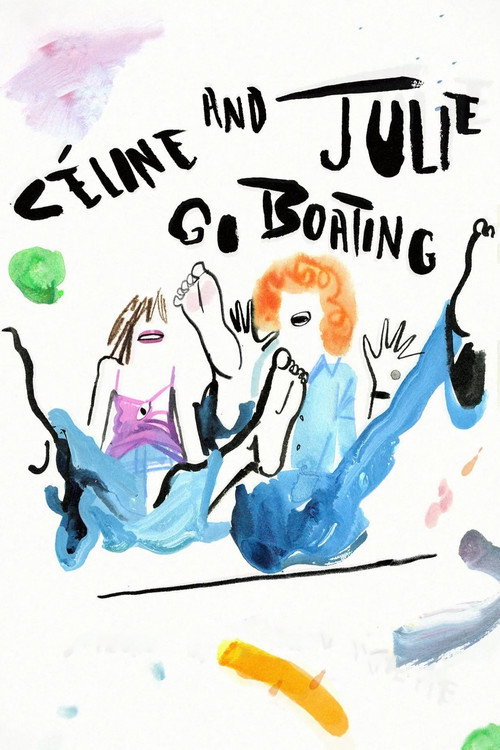
Céline and Julie Go Boating1974
Jacques Rivette's dreamlike celebration of female friendship, where two women's lives intertwine through cinema and magic. Like Varda, he finds profound joy and mystery in how women move through the world together.
But Deliberately plotless and elliptical; it unfolds by mood and association rather than narrative momentum, which can feel shapeless if you're expecting a conventional story.
Jeanne Dielman, 23, quai du Commerce, 1080 Bruxelles1976
Chantal Akerman's radical three-hour meditation on a woman's daily rituals and invisible labour. Like Varda, she finds cinema itself as a tool to reveal what patriarchy renders invisible in women's lives.
But It moves at the speed of lived time—cooking, cleaning, routine—which asks patience. There is no conventional drama, only the weight of days.

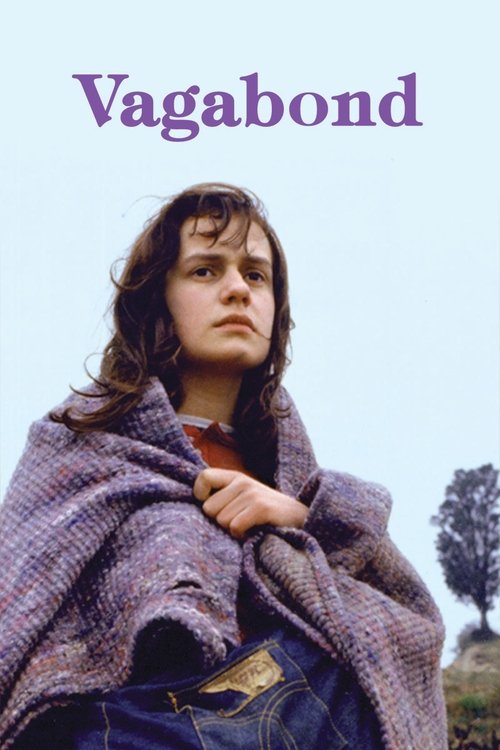
Vagabond1985
Varda herself, returning to her gift for portraying unconventional women. A drifter's fragmented story told through those who knew her briefly; tender without being sentimental about precarity and female solitude.
But The structure is deliberately fragmented and sometimes austere. The ending is bleak in ways that won't comfort you.
Not sure tonight? Get a pick in a minute, starting from One Sings, the Other Doesn't
The wildcard
Something you would not have found on your own.
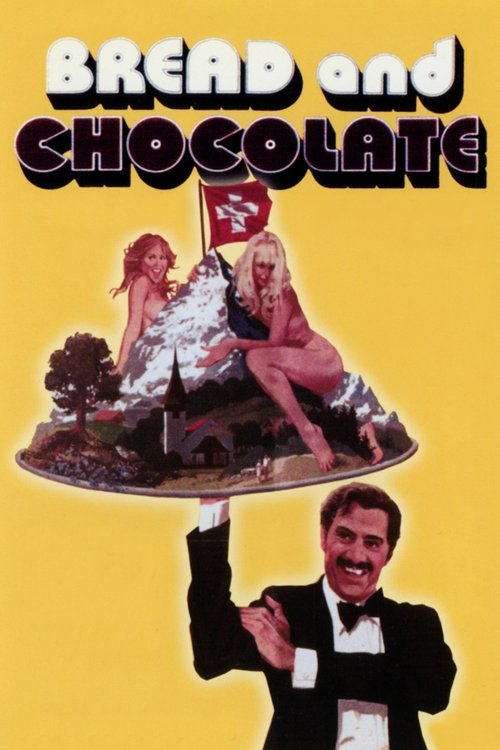
Bread and Chocolate1974
Both films argue that survival requires friendship and dignity—not in spite of politics, but as a form of politics. Same period, same European sensibility, both by directors who thought cinema was a tool for liberation.
Franco Brusati's Italian comedy-drama about an immigrant's humiliation and resilience. Like Varda, it finds dignity and humanity in people navigating a system that doesn't want them. Funny without ever losing its moral center.
But It's fundamentally comedic in tone, sometimes to the point of caricature. The politics are earnest in a way that can read as heavy-handed to modern audiences.
More like this (6)
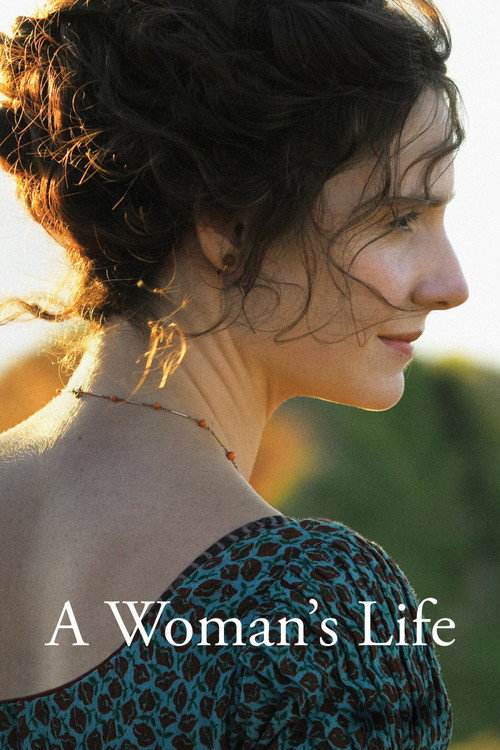
A Woman's Life2016
Stéphane Brizé's intimate three-hour portrait of a woman's existence across decades, with the same episodic attention to how lives actually change. Isabelle Huppert is extraordinary; the film honors the texture of female experience.
But It's deliberately undramatic. Long stretches where not much happens, and the emotional payoff is quiet rather than cathartic.
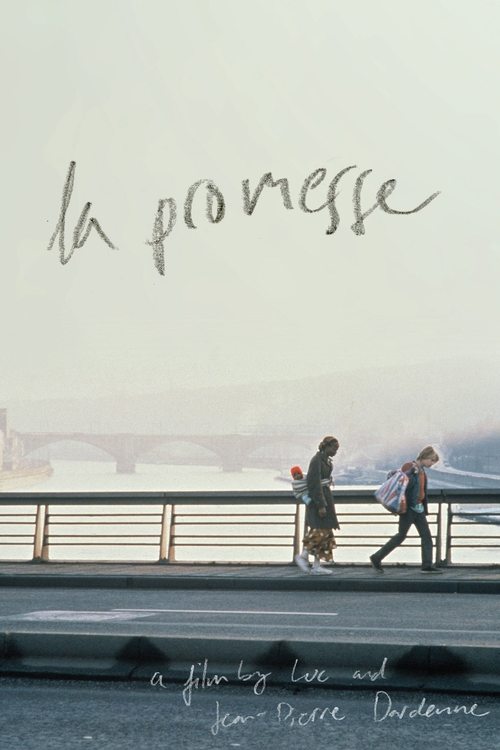
La Promesse1996
The Dardenne brothers' early work shares Varda's humanism and attention to how people navigate survival and conscience. A young man torn between duty and survival; it has the same moral seriousness without pontificating.
But Handheld, naturalistic style can feel rough if you prefer polished filmmaking. The boy's predicament offers no easy answers.
Under the Skin2014
Jonathan Glazer's haunting film about a woman moving through landscapes and lives. Like Varda, he finds strangeness and beauty in how bodies navigate space, though here it's unsettling rather than joyful.
But Glacial pacing and abstraction; the narrative is deliberately opaque, and there's a coldness that won't warm up by the end.

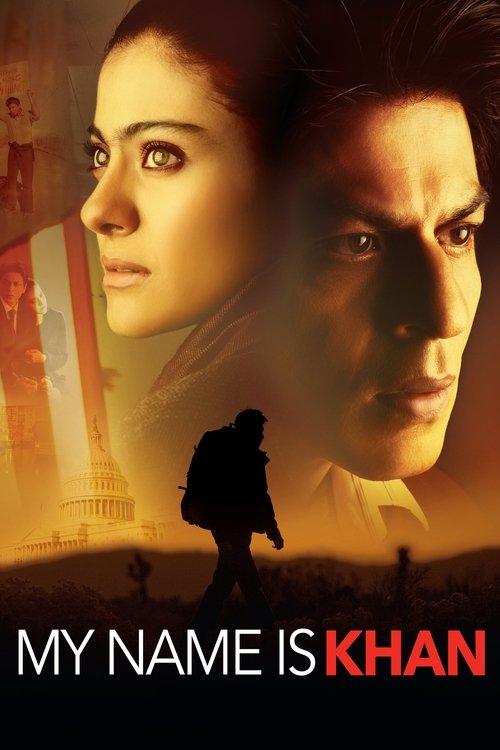
My Name Is Khan2010
A film about identity, belonging, and how personal conviction drives action in a hostile world. Like Varda, it argues for the radical power of kindness and individual choice against systemic pressure.
But It can veer toward sentimentality. The political allegory is sometimes heavy-handed for viewers who prefer subtlety.
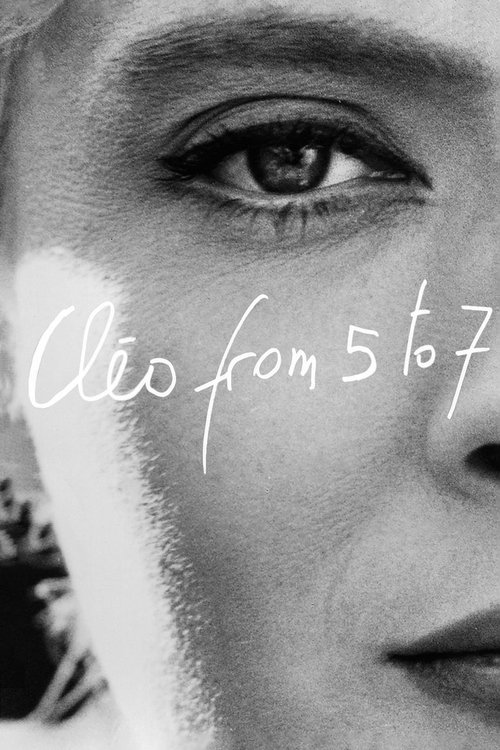
Cléo from 5 to 71962
Agnès Varda's own earlier masterpiece, following a woman for 90 minutes as her life transforms. If you love One Sings, the Other Doesn't, this is her portrait of female interiority in real time, before she turned to friendship.
But It's very much of its moment—the 1960s Paris aesthetic—and depends on your tolerance for watching someone's anxiety for ninety minutes with minimal plot.
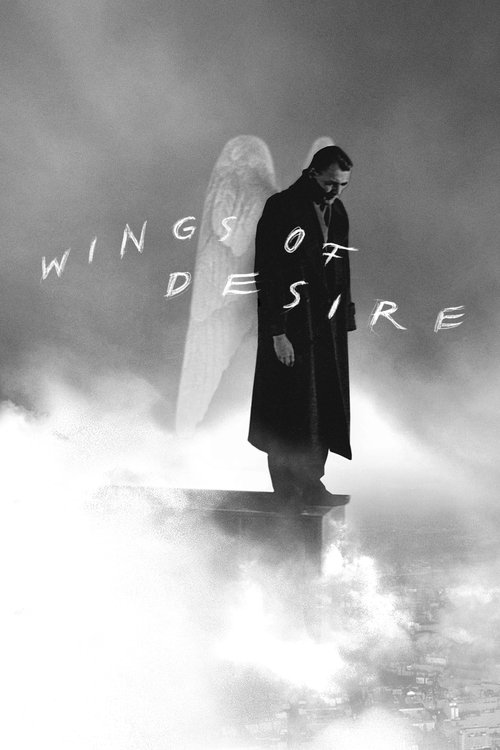
Wings of Desire1987
Both filmmakers believed cinema could document spiritual states: Varda through the materiality of female friendship, Wenders through mysticism. Both reject cynicism as a moral failure.
Wim Wenders' spiritual poem about desire, transformation, and what it means to choose a human life. Haunting and visionary; it has Varda's faith in the power of connection, but filtered through metaphysics and longing.
But Densely philosophical and sometimes oblique. The pacing is dreamlike rather than propulsive, and the romance is abstract rather than grounded.
People
Cast
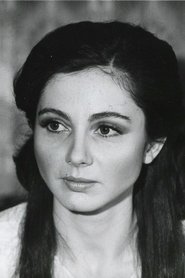 Thérèse LiotardSuzanne
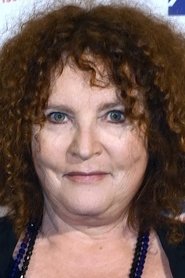 Valérie MairessePauline aka Pomme
- Robert DadièsJérôme
- Mona MairessePomme's Mother
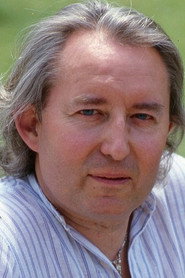 Francis LemairePomme's Father
- François CourbinMathieu (9 months)
- Salomé WimilleMarie (3 years)
- Nicole ClémentPhilosophy Teacher
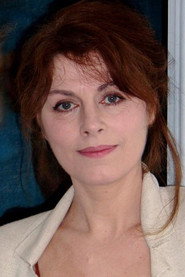 Patricia CartierChorus Friend
 SaphoPainted Chorus Girl
- Dane PorretRocker Yéyé
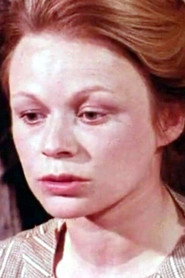 Françoise BetteConcierge
Directing
- Jean-Claude MalletAssistant Director
- Agnès VardaDirector
- Alice ChazellesScript Supervisor
Writing
- Agnès VardaLyricist
- Agnès VardaWriter
Production
- Marie-Noëlle HauvilleProduction Secretary