
Film
Varda by Agnès
Agnès Varda, the legendary French New Wave director, opens her archive and her mind in her final film. Part essay, part memoir, part visual collage, she talks cinema like she made it—with invention, curiosity, and a refusal to settle for easy answers. Funny, digressive, intimate. Essential viewing for anyone who loves film and wanted to know how her mind worked.
If you liked this
The Restless Breed1957
Agnès Varda's debut, a tender love story told with the visual precision and humanistic eye that defines her entire body of work. See where it all began.
But It's quieter than her more celebrated later work, and the pacing will feel deliberate in a way that modern audiences sometimes find challenging.
Cléo from 5 to 71962
Varda at the height of her powers during the French New Wave: a two-hour real-time meditation on mortality, beauty, and women's interior lives told with playful formal experiment and genuine warmth.
But It's philosophical rather than plot-driven, and if you want narrative propulsion, you'll feel like you're waiting for something that never arrives.
Vagabond1985
A masterpiece about a young drifter's last weeks alive, told through witnesses who knew her. Morally complex, visually stunning, and devastating in ways that stay with you for years.
But It's bleak and unsparing. There's no redemptive arc, no moment where things get better. It's hard in a way that demands patience.
Not sure tonight? Get a pick in a minute, starting from Varda by Agnès
The wildcard
Something you would not have found on your own.
Love in the Afternoon1972
Both directors believed cinema could be a space for philosophy and intimacy rather than spectacle. Both made films about desire and constraint that treat ordinary life as profound.
Eric Rohmer's chamber piece about desire, temptation, and middle-class malaise. Like Varda, Rohmer used cinema to explore how people actually talk and think, making the interior life visible.
But It's almost entirely conversation. If you find people talking about their feelings tedious rather than fascinating, this will test your patience severely.
More like this (6)
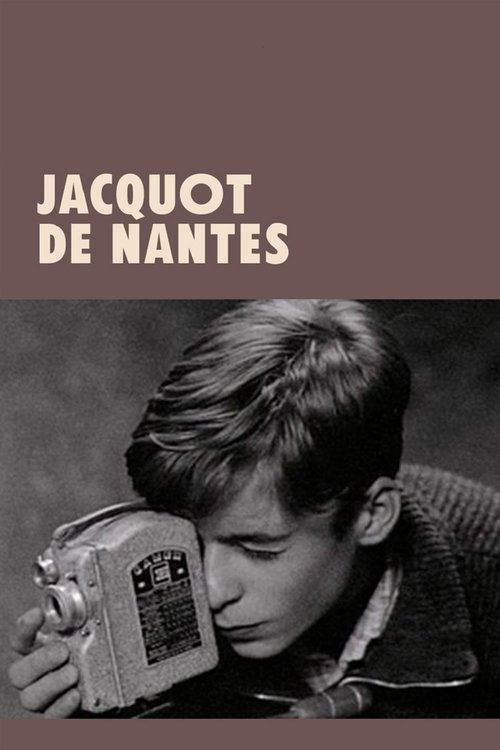
Jacquot1991
Varda's portrait of her late husband, filmmaker Jacques Demy, made while he was dying. Intimate, loving, and an act of cinema as grief and preservation. Unmissably moving.
But The subject matter is heavy, and the film's structure is deliberately fragmented—it requires you to assemble meaning from pieces rather than having it handed to you.
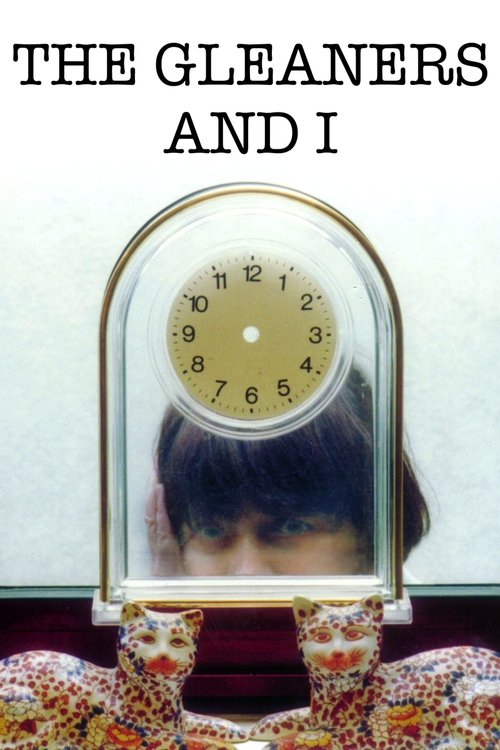
The Gleaners and I2000
Varda walks through rural France finding people who glean leftover crops, connecting it to art, waste, and dignity. Essayistic, surprising, and genuinely joyful in its curiosity about human life.
But It's a documentary essay rather than a structured argument, which means it meanders. Some viewers find that liberating; others find it frustrating.
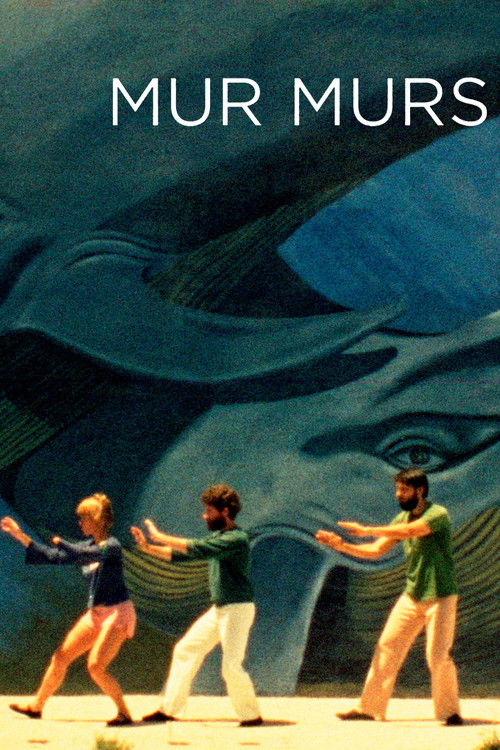
Mur Murs1982
Varda documents LA street murals during the Chicano mural movement, combining photography, interviews, and reflection. It's political art in the most generous form—celebration rather than scolding.
But It's very much of its time aesthetically, and the pacing follows Varda's associative logic rather than a conventional documentary structure.
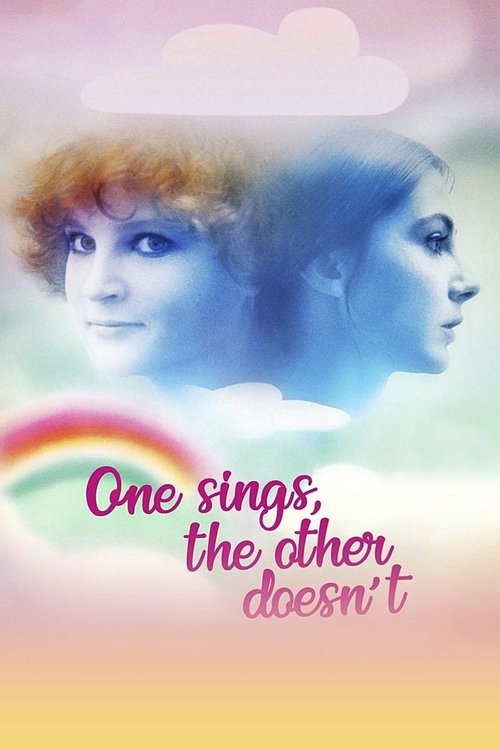
One Sings, the Other Doesn't1977
A radical 1970s musical following two women's friendship across two decades, their bodies, choices, and freedoms. Varda's most overtly feminist work, and it's absolutely alive with possibility.
But The political messaging can feel front-and-center in ways that overwhelm character development, and some of the songs won't land for modern ears.
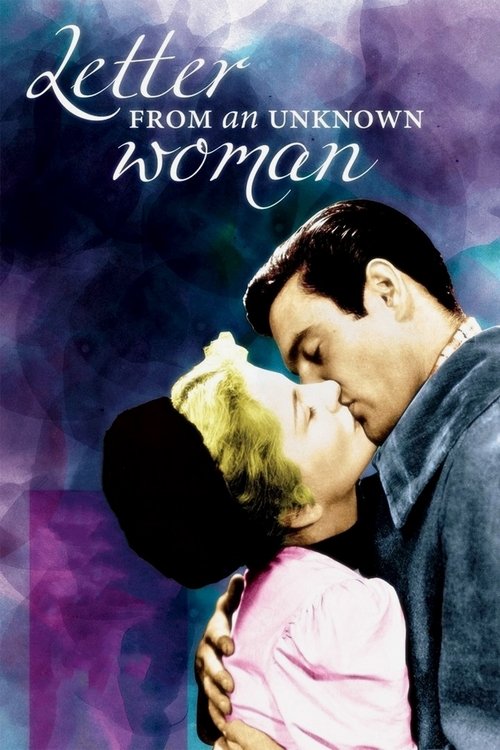
Letter from an Unknown Woman1948
Like Varda, Ophüls was fascinated by how cinema and memory construct each other. Both made films about the stories we tell ourselves and how those stories shape reality.
Max Ophüls' exquisite exploration of obsessive love told in flashback. Visually sumptuous and morally complex, it captures how we construct narratives around the people who matter to us.
But It's melodramatic in a way that feels antique. The gender politics, while complex for their time, can read as dated now. And it requires accepting romantic suffering as inherently valuable.
Sans Soleil1983
Both Marker and Varda made cinema into essay and philosophy, treating the film itself as an act of thinking. Both used archives, digression, and voice-over to explore how cinema shapes memory and meaning.
Chris Marker's essay film travels through time and geography following letters from an imagined cameraman. It's about memory, politics, cinema, and meaning-making itself—a poet thinking aloud on film.
But There is no conventional narrative. It requires active attention and will leave you with questions rather than answers. Some people find that exhilarating; others feel unmoored.

People
Cast
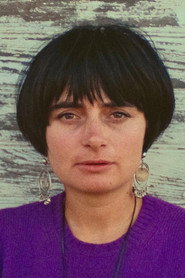 Agnès VardaSelf

- Nurith AvivSelf
Directing
- Agnès VardaDirector
Writing
- Agnès VardaScreenplay
Production
- Dany BoonAssociate Producer
- Joëy FaréAssociate Producer
- Rosalie VardaProducer