
Film
Tusk
Other titles called Tusk: the 2014 film.
A 1980 French-Indian co-production following an English girl and an Indian elephant born on the same day, bound by parallel destinies across continents. It's a deliberately paced, enchanted fable that treats childhood wonder and animal grace with genuine reverence. For viewers who respond to visual storytelling over plot mechanics, and who find magic in patience.
If you liked this
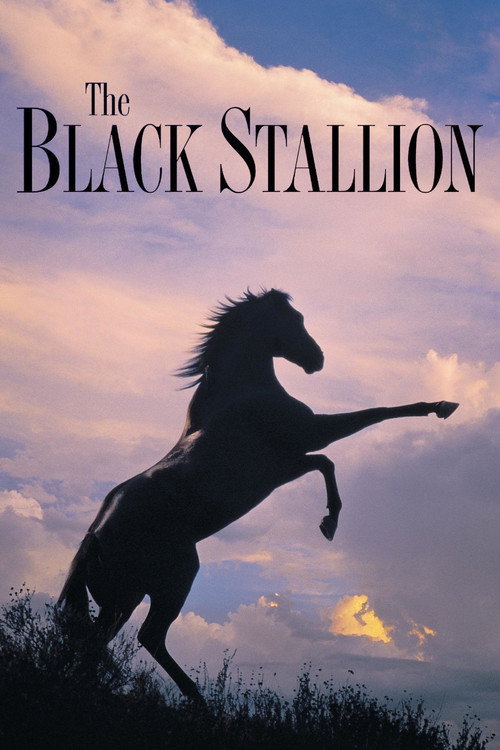
The Black Stallion1979
A boy and horse forge an unbreakable bond after shipwreck, told through gorgeous cinematography and minimal dialogue. Like *Tusk*, it trusts the audience to feel connection without explaining it.
But The pacing is genuinely slow. If you need plot momentum or modern editing rhythms, this will test your patience severely.
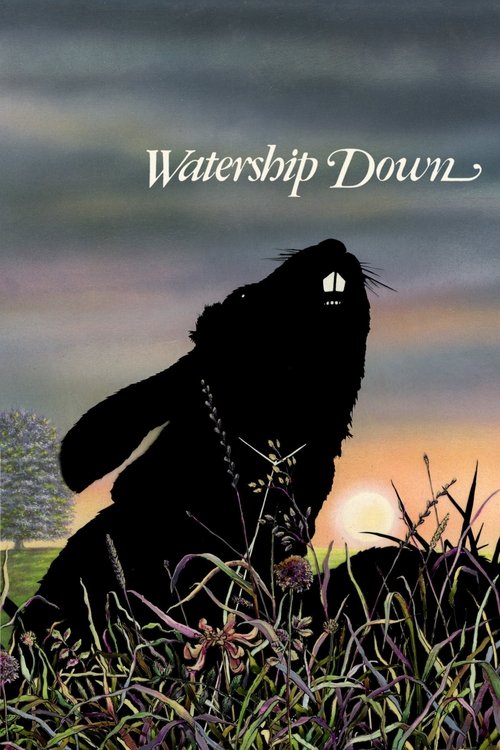
Watership Down1978
An animated odyssey where animals are the full story, not sidekicks. It has *Tusk*'s mythic sensibility and refusal to condescend to its animal characters.
But Genuinely dark in places—deaths are real and matter. The animation style won't appeal to everyone, and it's visually austere.
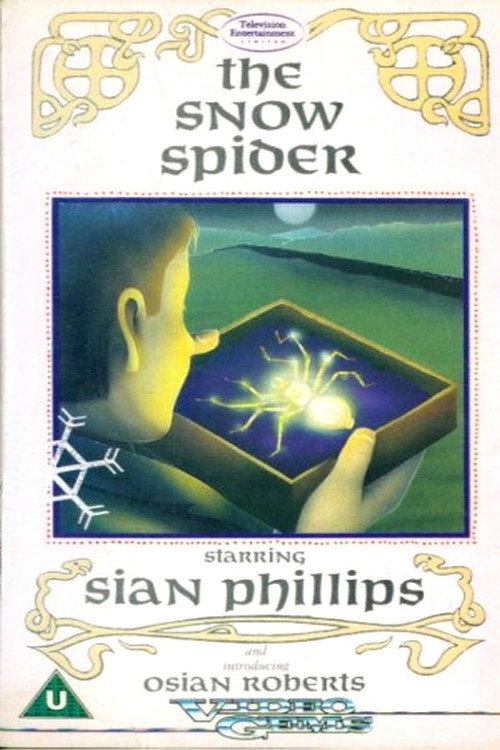
The Snow Spider1988
A Welsh children's series about a girl discovering magic in her landscape. Shares *Tusk*'s belief that wonder is real, that it lives in specific places, and that children can access it.
But Made for television in the 1980s on a budget you can see. Pacing and effects will feel creaky to modern viewers raised on streaming.
Not sure tonight? Get a pick in a minute, starting from Tusk
The wildcard
Something you would not have found on your own.
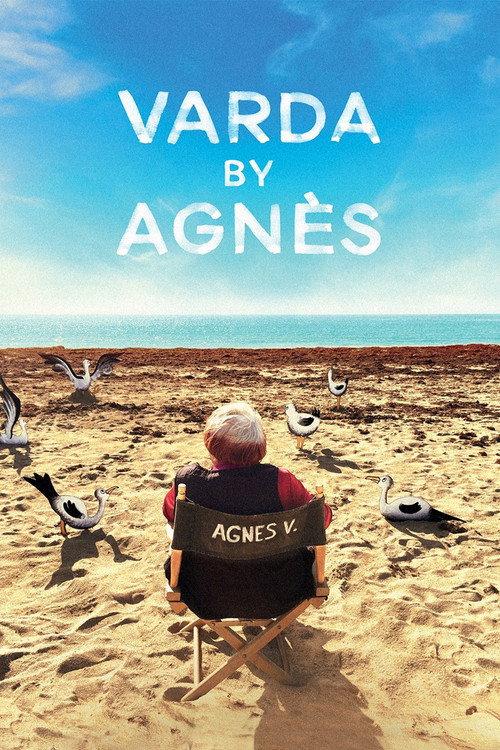
Varda by Agnès2019
Both films are fundamentally about attention—how sustained, loving observation of the world (animals, landscape, time itself) becomes a form of wisdom and grace.
Agnès Varda's final film is a visual essay on memory, time, and observation. It's completely different in form—documentary, personal, essayistic—but shares *Tusk*'s deep faith that looking carefully at the world reveals its beauty and meaning.
But Not a narrative. It's Varda thinking on film, which requires patience and a willingness to follow an artist's mind rather than a plot.
More like this (8)
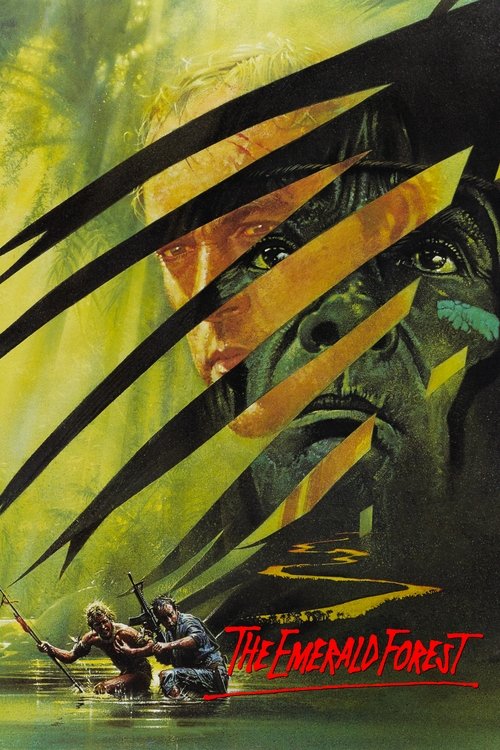
The Emerald Forest1985
A man enters the Amazon to find his son, adopted by an indigenous tribe. Like *Tusk*, it's visually rich, spiritually serious, and treats other cultures with respect rather than exoticism.
But The environmental messaging can feel heavy-handed, and the second half loses some of the first's mysterious pull.
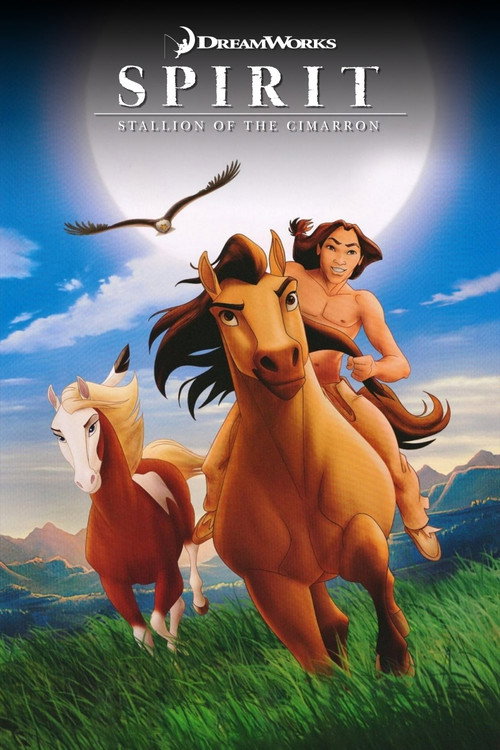
Spirit: Stallion of the Cimarron2002
An animated western where a wild horse resists captivity. It has surprising depth about freedom and identity, and genuine affection for its animal protagonist.
But Pitched at family audiences—some will find it too earnest, others will wish it had more edge or complexity.
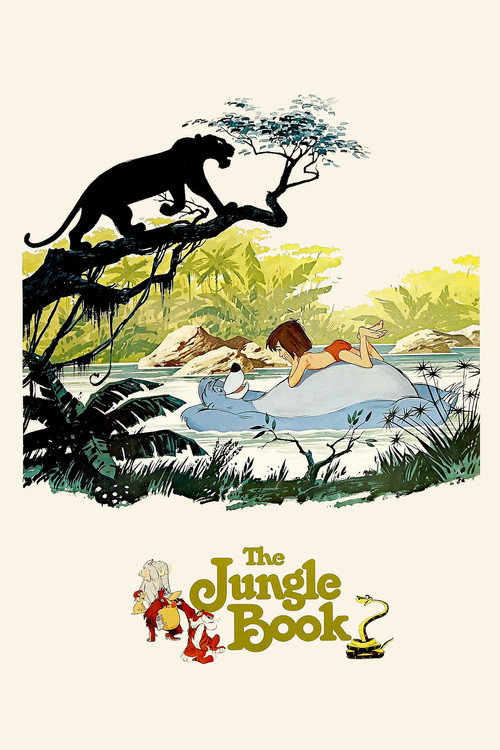
The Jungle Book1967
Disney's version of Kipling captures something of *Tusk*'s sense that the animal world operates by its own logic and beauty. Mowgli's journey feels almost fated.
But Deeply dated in some of its racial caricatures. The songs, however beloved, interrupt the story's dreamlike momentum.
Kes1970
A working-class English boy finds transcendence training a young hawk. It shares *Tusk*'s conviction that connection to animals can be spiritually transformative and completely real.
But The social realism is bleak—this is a story about a boy with almost nothing, and the ending is genuinely bleak.

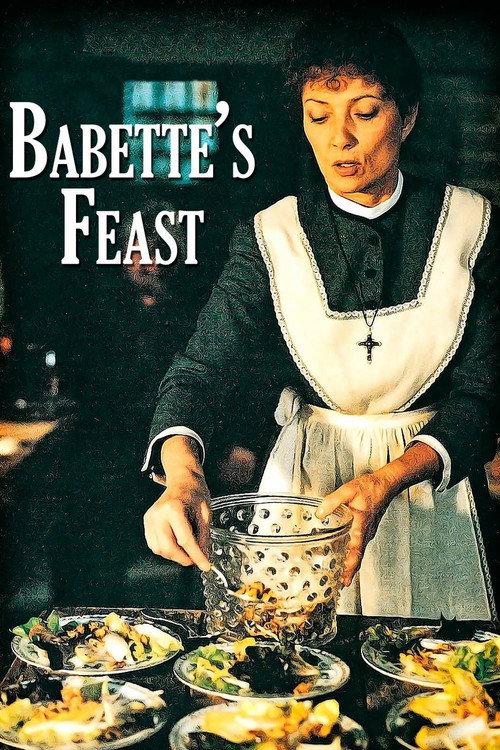
Babette's Feast1987
A quiet film about grace arriving unexpectedly. Like *Tusk*, it moves slowly, trusts silence, and finds the sacred in ordinary moments and patient observation.
But Essentially plotless. If you watch films for what happens next, this will feel like nothing is happening at all.
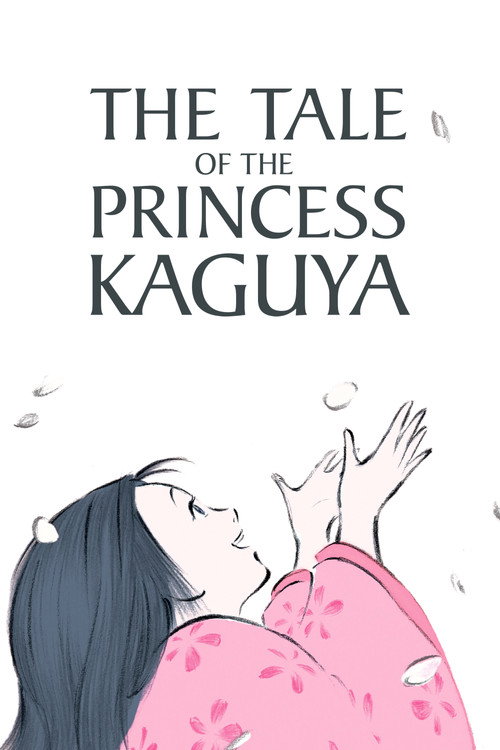
The Tale of The Princess Kaguya2013
Studio Ghibli's most visually painterly film, about a girl who may not be entirely human. Shares *Tusk*'s acceptance of magic as part of the story's fabric, and its visual lyricism.
But Hand-drawn animation that deliberately looks sketchy and unfinished will frustrate viewers who prefer polished visuals. The pacing is meditative, not propulsive.
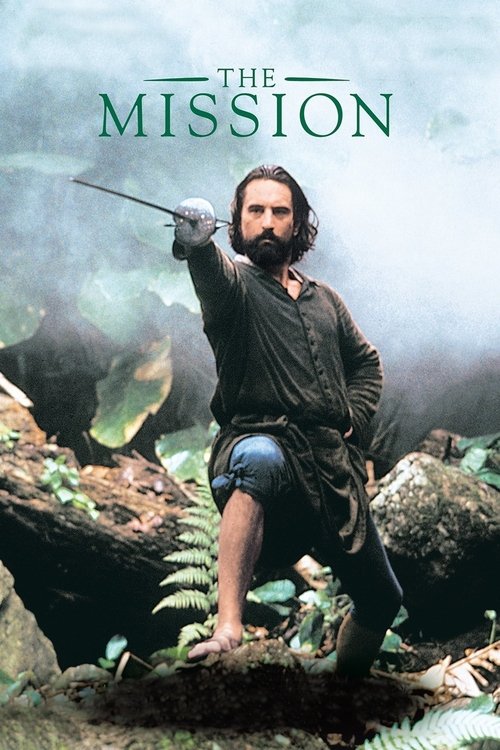
The Mission1986
Both are 1980s international co-productions (British-American vs. French-Indian) that treat non-Western settings and characters with surprising dignity, refusing exoticism for a kind of spiritual realism.
A priest and a mercenary attempt to protect a Guaraní village from slavery. It's a political drama, not a fable, but it shares *Tusk*'s belief that innocence and grace are worth showing seriously on film, and its sweeping visual grandeur.
But The colonial politics are sometimes handled with more sentiment than nuance. At nearly three hours, the pacing tests commitment.
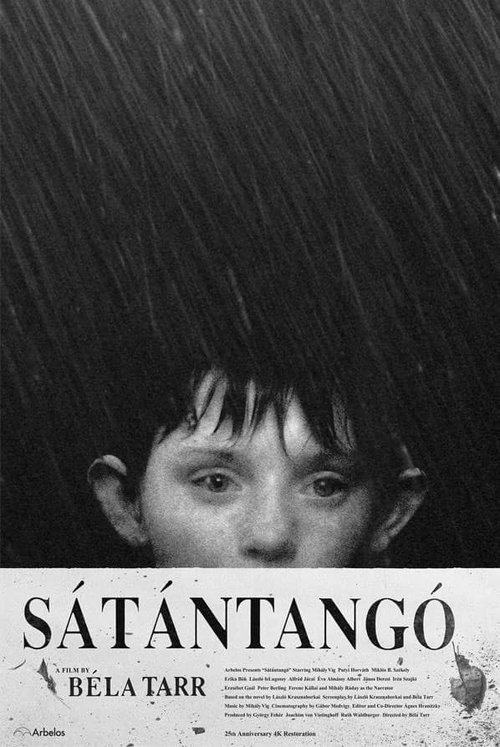
Satantango1994
Both films reject narrative convenience for something more like destiny or fate. They move at the pace of life, not drama, and trust that boredom is sometimes where transcendence lives.
Béla Tarr's seven-and-a-half-hour Hungarian film about a con man and a dying rural community. It sounds punishing but it's hypnotic—a film that remakes time itself. Like *Tusk*, it has a mythic, almost fated quality, and absolute confidence in its own pace.
But Seven and a half hours in black and white, shot in long static takes. This is an extreme test of patience. Only watch if you're genuinely curious about what happens when a director refuses to edit.
People
Cast
 Cyrielle ClairElise
 Anton DiffringJohn Morrison
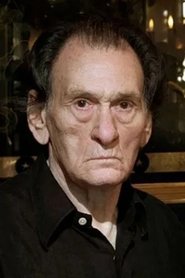 Serge MerlinGreyson
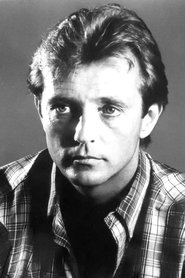 Christopher MitchumRichard Cairn
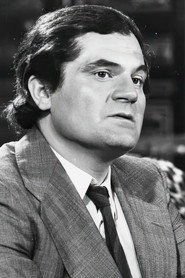 Michel PeyrelonShakley
- Sukumar AnhanaThe Maharajah
- B. ChandrasherkhraDeepak
- Oriole HenryElise at Age 5
- Andy JennyThe Reverend
- Tudor GatesLord Spencer
Directing
- Alejandro JodorowskyDirector
- François MimetFirst Assistant Director
Writing
- Reginald CampbellNovel
- Alejandro JodorowskyScreenplay
- Jeffrey O'KellyScreenplay
- Nicholas NiciphorScreenplay
Production
- Sylvio TabetAssociate Producer
- Jean-Jacques FourgeaudExecutive Producer
- Éric RochatProducer
- Roger FleytouxProduction Manager