
Film
Babette's Feast
A hushed, glowing parable about a single meal that becomes an act of grace. Decades pass in near-silence among a joyless Danish sect before an extraordinary feast unfurls course by course, transforming everyone at the table through pure sensory generosity. It's for anyone who loves stillness rewarded slowly, who doesn't mind waiting almost two hours for the payoff, and who believes cooking can be a form of worship.
If you liked this
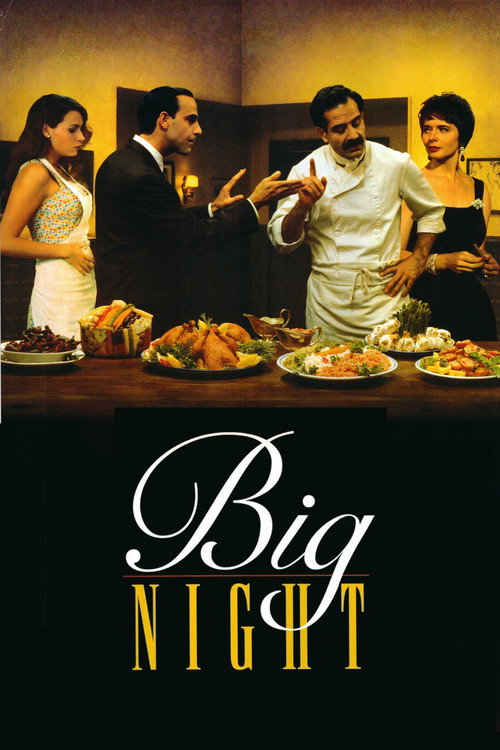
Big Night1996
Two immigrant brothers pour everything into one perfect Italian dinner meant to save their failing restaurant, and the film turns that meal into patient, aching cinema—every dish a small act of love and defiance.
But It's slower and sadder than the poster suggests, more elegy for vanishing craftsmanship than crowd-pleasing food porn.
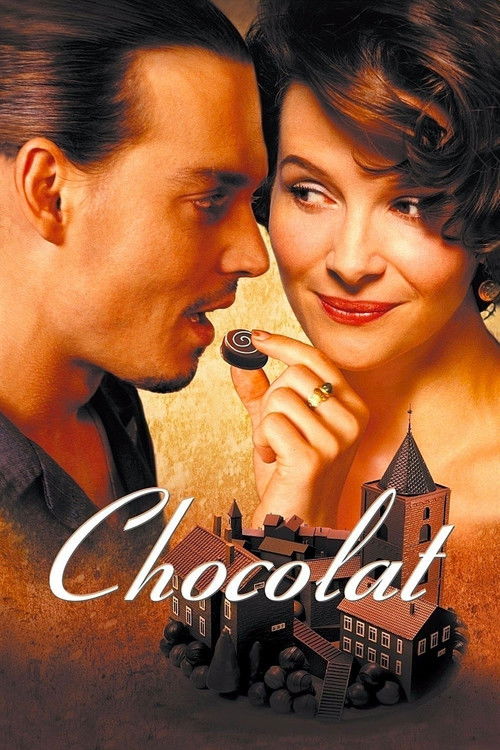
Chocolat2000
A sensuous stranger arrives in a buttoned-up French village and melts its Lenten austerity one truffle at a time—warm, funny, and unapologetically on the side of pleasure over piety.
But It's glossier and more Hollywood-fable than Babette, without that film's spiritual restraint or moral ambiguity.
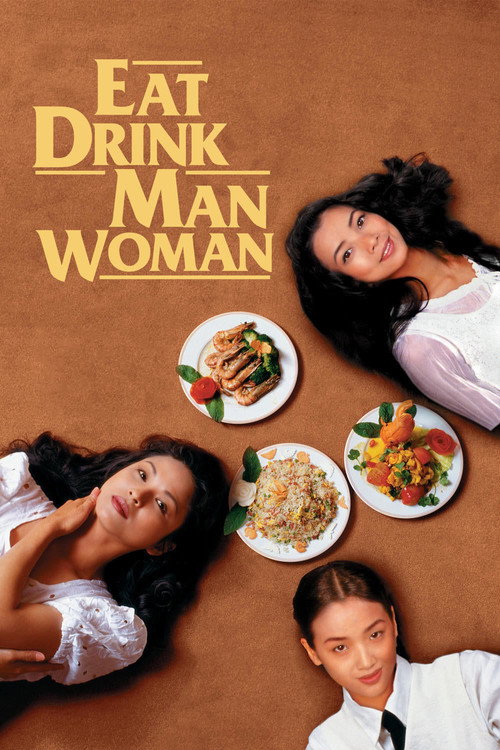
Eat Drink Man Woman1994
Ang Lee's Taiwanese master chef speaks to his grown daughters almost entirely through Sunday feasts, each dish a coded message about love and grief, shot with real culinary rapture.
But The family melodrama runs busier and more soap-operatic than Babette's single hushed evening.
The wildcard
Something you would not have found on your own.
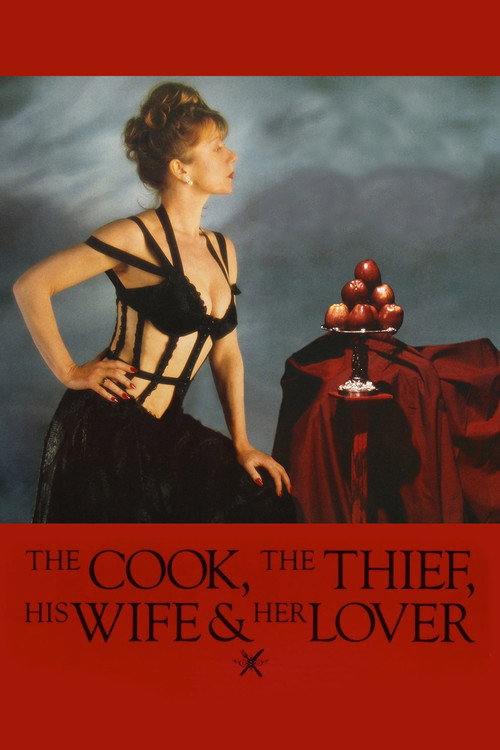
The Cook, the Thief, His Wife & Her Lover1989
Both hinge on a lavish meal as an act of rebellion against a repressive authority—Babette's grace turned inside out into Peter Greenaway's baroque, furious revenge.
If Babette's feast is generosity as resistance, this is fury as feast—a gorgeously designed, viciously funny assault on a tyrant, using food and cruelty as the same weapon.
But It's deliberately grotesque, violent and sexually explicit—about as far from Babette's gentle grace as cinema gets.
More like this (8)
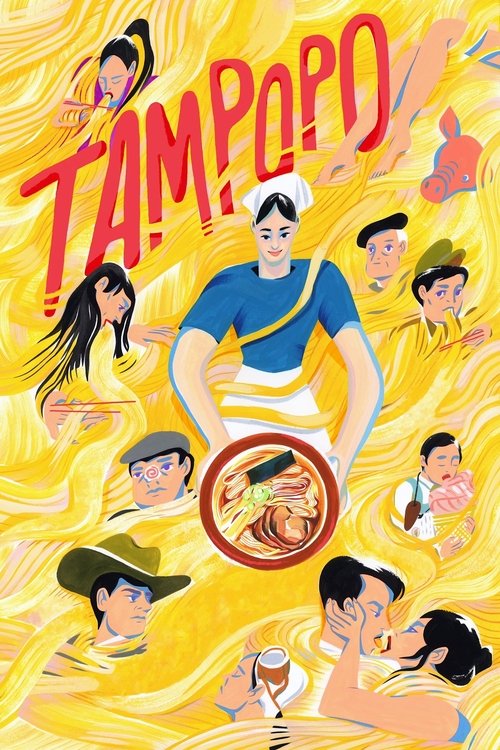
Tampopo1985
A ramen western that treats the perfect bowl of noodles as a holy quest—funny, strange, and stuffed with food so lovingly filmed you'll want to eat the screen.
But It's episodic and deliberately silly in places, closer to a satirical anthology than Babette's single sustained mood.
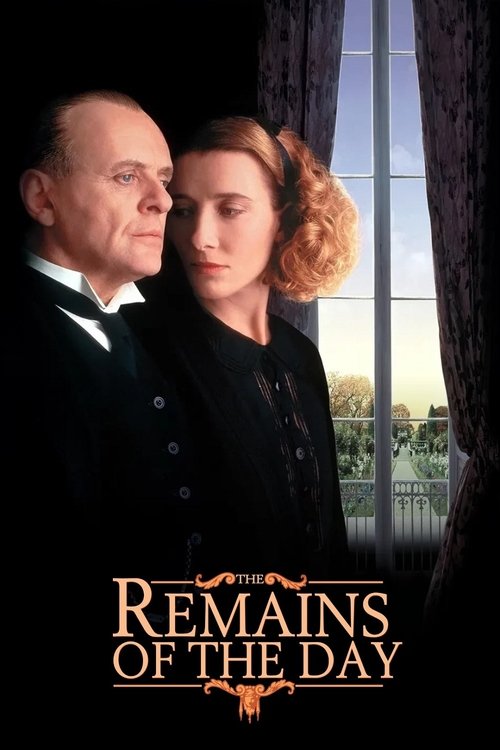
The Remains of the Day1993
A devastating study of duty swallowing feeling, set among English servants whose emotional restraint mirrors Babette's villagers—until you realise the feast, this time, never comes.
But It offers none of Babette's eventual release; the ache here stays largely unresolved.
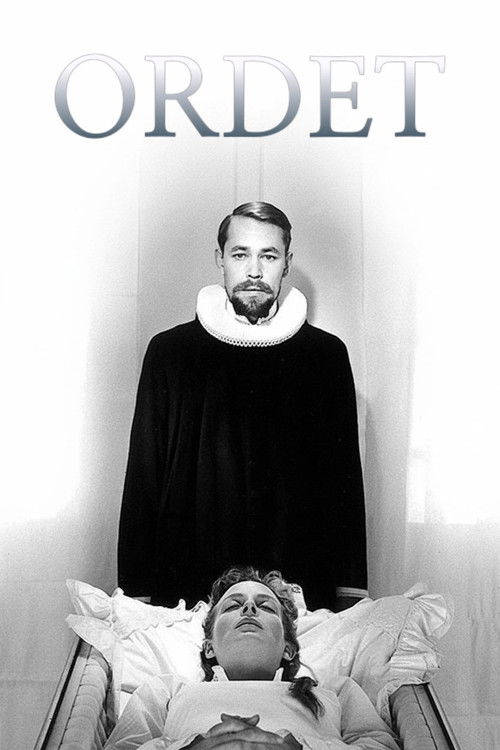
Ordet1955
Carl Dreyer's own meditation on Danish faith, family and miracle, shot with the same austere patience—Scandinavian cinema quietly arguing with God decades before Babette.
But It's starker, black-and-white and even slower, with a climax that will either move you deeply or leave you cold.
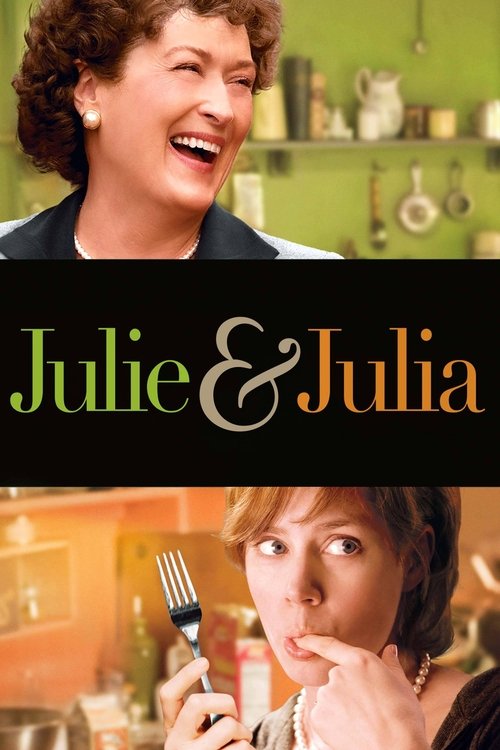
Julie & Julia2009
Two women, decades apart, find purpose and joy through French cooking—lighter and chattier than Babette but sharing its faith that a good meal can remake a life.
But It trades Babette's spiritual gravity for warm biopic comfort; don't expect the same weight.
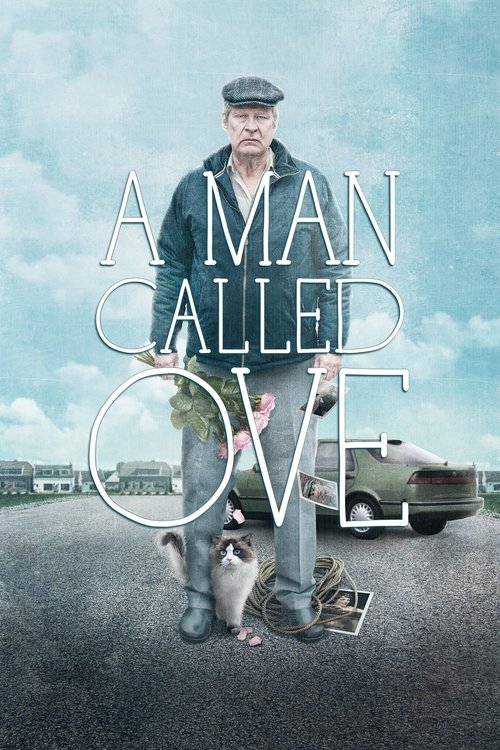
A Man Called Ove2015
A furious, grieving Swedish widower gets slowly thawed by his neighbours' persistence—same wintry Scandinavian setting, same belief that community can redeem the hardest hearts.
But It's broader and more sentimental, with comic beats Babette would never stoop to.
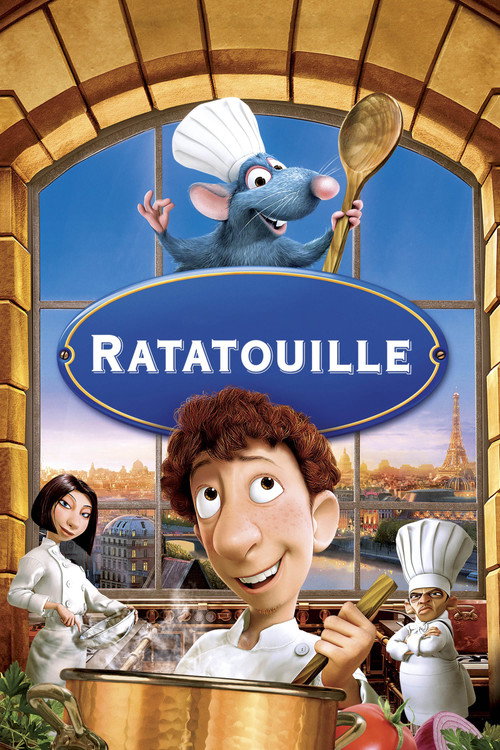
Ratatouille2007
Pixar's rat chef fable shares Babette's conviction that great cooking is a form of moral seriousness and generosity, dressed up as a joyous, gorgeously animated family film.
But It's aimed at kids first, with none of Babette's religious weight or adult stillness.
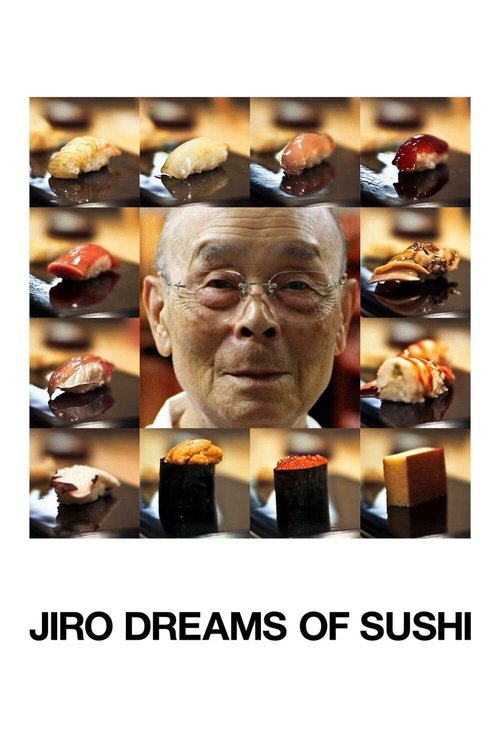
Jiro Dreams of Sushi2011
A real-life Babette: an artist who has spent a lifetime perfecting one selfless, transient art form for people who may never fully grasp the sacrifice behind it.
This quiet documentary about an eighty-something sushi master follows the same logic as Babette's feast—decades of discipline poured into moments that vanish the instant they're consumed.
But There's no dramatic arc or fiction to soften it, just patient, repetitive craft, which some will find meditative and others merely slow.
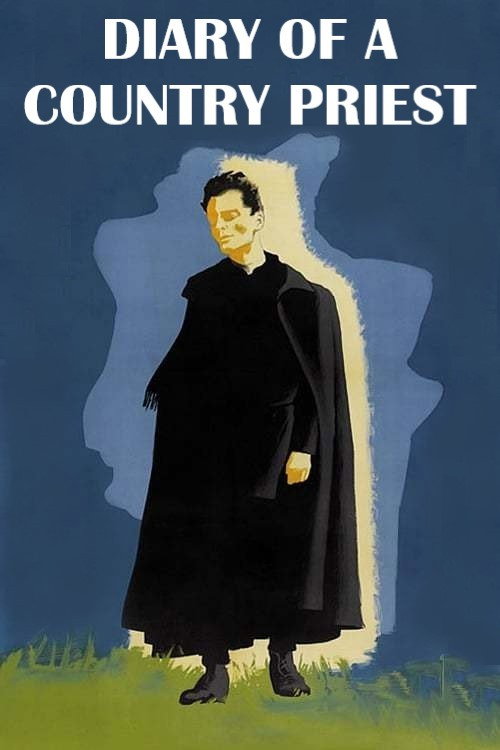
Diary of a Country Priest1951
Bresson's priest chooses renunciation where Babette chooses abundance—the same question of what a life poured out for others actually means, answered in opposite registers.
A young priest wastes away in a hostile parish, giving everything and receiving almost nothing back—Bresson's austere counter-argument to Babette, asking whether grace requires a feast at all.
But It's bleaker and more punishing than Babette, with no communal payoff at the end, just quiet, private suffering.
People
Cast
 Stéphane AudranBabette
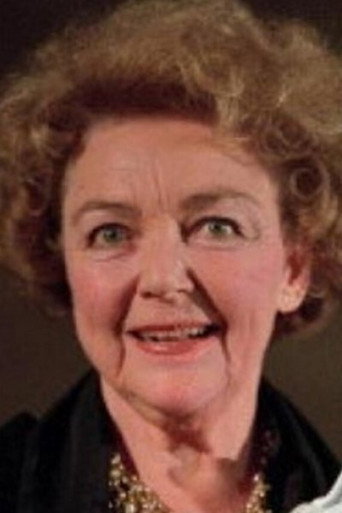 Bodil KjerFilippa
 Birgitte FederspielMartine
 Jarl KulleGeneral Lorens Löwenhielm
 Jean-Philippe LafontAchille Papin
 Bibi AnderssonSvensk hofdame
 Ghita NørbyFortæller (stemme)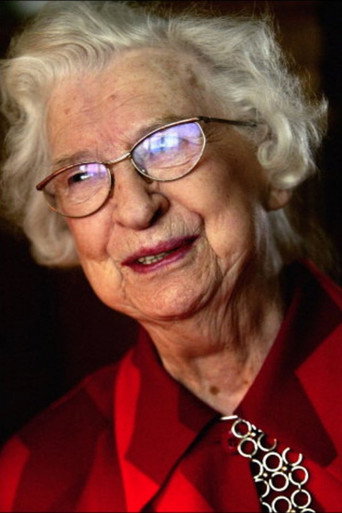
- Thomas AntoniSvensk Løjtnant
 Hanne StensgaardFilippa som ung
 Vibeke HastrupMartine som ung
- Gudmar WivessonLorens Löwenhielm som ung
Directing
- Tom HedegaardAssistant Director
- Gabriel AxelDirector
Writing
- Karen BlixenNovel
- Annemarie AaesScreenplay
- Gabriel AxelScreenplay
Production
- Benni KorzenProducer
- Bo ChristensenProducer
- Just BetzerProducer
- Pernille SiesbyeProducer
Recommended by
Tampopo, Burnt, The Hundred-Foot Journey, Eat Drink Man Woman, Chef's Table, Julie & Julia, Chocolat, Ordet, Like Water for Chocolate, Out of Africa, The Cook, the Thief, His Wife & Her Lover, The Great British Bake Off, The Truffle Hunters