
Film
Pastoral Symphony
A 1946 French drama about a Protestant minister who takes in a blind orphan girl, raising her among his own children—until unacknowledged desire begins to poison his faith and family. Morally unflinching, visually austere, uncomfortable to watch in the best way. For anyone who values cinema that refuses easy answers about virtue and hypocrisy.
Should you watch it?
Watch it if you love austere, morally knotted chamber dramas where the most damaging things are said in silence, and you don't mind watching a decent man talk himself into a corner.
Skip it if you want a brisk plot or a lighter evening, because this is slow, talky and heavy with guilt, and its melodrama is sincere rather than playful.
What it asks of you: Around an hour and fifty minutes of patience, with long quiet stretches, close-up faces and conversations that circle the same unspoken feeling without ever quite landing.
Not sure? Find tonight's pick in a minute.
If you liked this
The Seventh Seal1957
Bergman's equally austere interrogation of faith and mortality, where a man confronts death and God with no guarantee of comfort. Shares *Pastoral Symphony's* willingness to let spiritual crises remain unresolved and searingly human.
But Slow, philosophical, heavy with symbolism. If you want plot momentum or clear answers, this will frustrate you.

Pather Panchali1955
Satyajit Ray's debut observes poverty and family fracture with such tender precision it becomes almost unbearably moving. Like *Pastoral Symphony*, it finds profound moral complexity in ordinary lives without sentimentality.
But Indian cinema from the 1950s with subtitles, filmed in black and white. The pacing is deliberate; nothing is explained to you.

A Prophet2009
Corruption of the soul in a confined world—a prison drama where a young man transforms through moral compromise and manipulation. Same architecture of character decay as *Pastoral Symphony*, but set in contemporary France with brutal modern violence.
But Prison violence is graphic and realistic. The protagonist becomes harder to root for as the film progresses, which is the point but can feel bleak.

Not sure tonight? Get a pick in a minute, starting from Pastoral Symphony
The wildcard
Something you would not have found on your own.
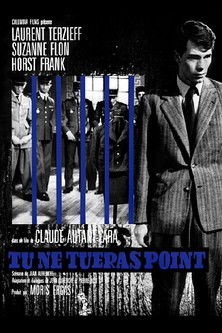
Thou Shalt Not Kill1961
Both explore how religious conviction becomes a tool of self-deception under pressure. Both suggest faith might be complicit in the harm it claims to oppose.
A Soviet film by Elem Klimov about a pastor who refuses to kill even in war, testing faith against survival. Shares *Pastoral Symphony's* interrogation of how faith becomes a mask for selfishness or weakness, but set in the rubble of WWII. Spiritually direct in a way Western cinema rarely attempts.
But Ideologically grounded in Soviet cinema; the moral questions are asked from a Marxist angle that can feel heavy-handed. Black and white, austere cinematography. Genuinely difficult to find outside specialty distributors.
More like this (8)
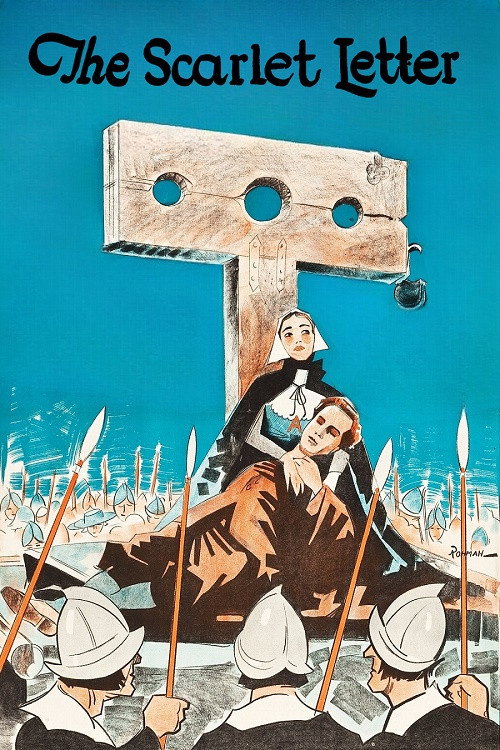
The Scarlet Letter1927
Lillian Gish as Hester Prynne in this silent adaptation where hypocrisy and hidden sin destroy a community. American Puritan guilt meeting European moral rigor; same DNA as *Pastoral Symphony*.
But Silent film with intertitles. The theatrical acting style and lack of dialogue take adjustment; it's a different language than modern cinema.
Winter Light1963
Bergman again, but more direct: a pastor's faith crumbles in real time as he realizes his own emotional paralysis and selfishness. *Pastoral Symphony's* spiritual crisis but even colder and more intimate.
But Shot in wintry grays, emotionally desolate, barely ninety minutes that feel like three hours. Demanding and sparse; some find it punishing.

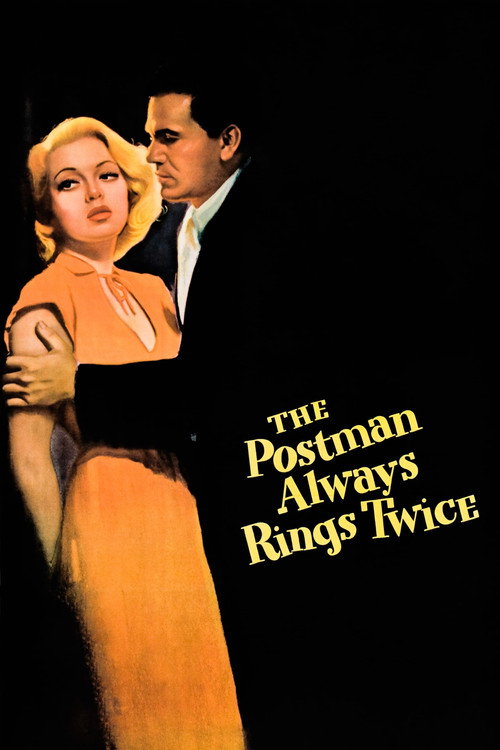
The Postman Always Rings Twice1946
Released the same year as *Pastoral Symphony*, this American noir traces sexual desire corrupting innocence and destroying a marriage. Darker register, but the same fatal attraction between helper and dependent.
But Lana Turner's beauty is the whole point in a way that can feel dated. The moral universe is simpler than *Pastoral Symphony's*—less philosophically interesting.
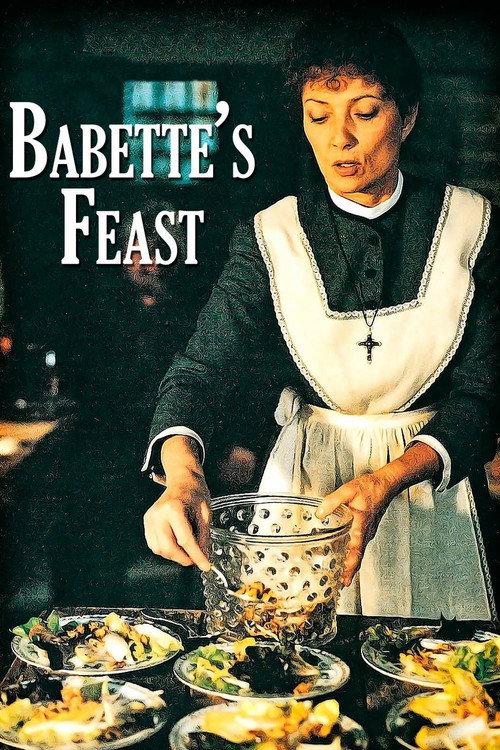
Babette's Feast1987
A Danish gem about faith, grace, and the hidden desires of a severe religious community. Like *Pastoral Symphony*, it understands how piety can mask and enable human hunger.
But Gentler and more forgiving than *Pastoral Symphony*. If you loved that film's moral harshness, this might feel too warm and redemptive.
The Night of the Hunter1955
A false preacher corrupts a family from within—the dark mirror to *Pastoral Symphony's* minister. Charles Laughton's performance radiates poisoned faith. One of cinema's most nightmarish depictions of pious predation.
But Visually stylized and theatrical in ways that can feel melodramatic. The villain is so theatrical he almost stops being believable.

Ikiru1952
Kurosawa's meditation on a man's life unlived, his late awakening to purpose and meaning. A different kind of moral reckoning than *Pastoral Symphony*, but with equal emotional weight and quiet devastation.
But Japanese cinema, black and white, over two hours. The protagonist's bureaucratic world is numbingly gray; it takes patience to find the emotional core.

The Ascent1977
Both are about the gap between what we believe we are and what we actually do. Both films ask whether faith is a refuge or a beautiful lie we tell ourselves.
Larisa Shepitko's final film: two Russian partisans climb toward a monastery through snow, faith, and moral collapse. Shot like *Pastoral Symphony* filtered through Bergman—spare, black and white, philosophically merciless. One of cinema's truest meditations on suffering and whether faith survives it.
But Experimental, symbolic, emotionally bleak. You don't watch this for narrative satisfaction. The abstraction can feel impenetrable on first viewing.

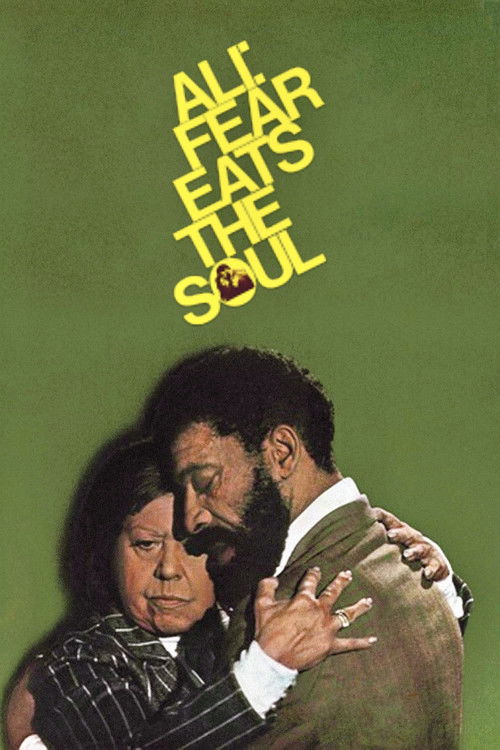
Ali: Fear Eats the Soul1974
Both films argue that even the most sincere feelings can destroy others. Both refuse sentimentality; they show how private emotion becomes public damage.
Rainer Werner Fassbinder's strange, brilliant study of desire across boundaries—an elderly German woman and a young Moroccan laborer whose relationship slowly poisons the people around them. Like *Pastoral Symphony*, it's about how love (or something that wears love's face) corrupts and destroys, but it's formally experimental, brightly colored, and full of Brechtian detachment.
But The visual style is deliberately artificial; it looks like a melodrama but is shot with cold precision. The pacing is awkward. Some find Fassbinder's aesthetic distance alienating rather than clarifying.
People
Cast
 Michèle MorganGertrude
 Pierre BlancharPastor John Martens
 Line NoroAmelia Martens - his wife
 Jean DesaillyJacques Martens - his son
 Andrée ClémentPiette Casteran
 Jacques LouvignyCastéran
 Rosine LuguetCharlotte Martens
 Mona DolSister Claire
- Robert DemorgetPierre Martens
 Hélène DassonvilleMademoiselle de la Grange
 Germaine Michelthe old peasant woman
 Florence Brièrea friend of Gertrude
Directing
- Jean DelannoyDirector
- Claude VériatScript Supervisor
Writing
- Jean AurencheAdaptation
- Jean DelannoyAdaptation
- Jean AurencheDialogue
- Pierre BostDialogue
- André GideNovel
Production
- Lucien LippensUnit Manager