
Film
Ali: Fear Eats the Soul
Rainer Werner Fassbinder's 1974 masterpiece is a deceptively simple love story—a lonely German widow and a Moroccan mechanic find solace in each other—that becomes a ruthless examination of prejudice, class, and how fear destroys intimacy. Watching it feels like being let into something raw and true. It's for anyone interested in how cinema can break your heart while making a political point.
Should you watch it?
Watch it if you like quiet, exacting studies of how ordinary people police each other's private lives, and you don't mind a story that lets awkward silences do the talking.
Skip it if you need brisk plotting or a warm, forgiving tone, since the film is airless, deliberately stiff and often cruel to its own characters.
What it asks of you: Ninety-three minutes of long, watchful takes and rooms full of people not quite saying what they mean, with a slow build that rewards patience more than it rushes to feeling.
Not sure? Find tonight's pick in a minute.
If you liked this
Stalker1979
Andrei Tarkovsky's patient, hypnotic film about a guide leading two men through a mysterious zone shares Fassbinder's belief that cinema works best when it slows down and lets human yearning breathe. Profoundly moving.
But It's 163 minutes of long takes and philosophical conversation. If you need plot momentum, this will feel glacial.

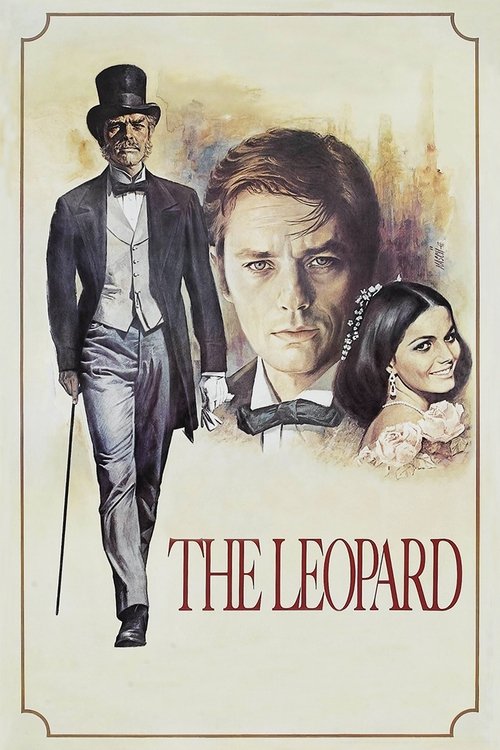
The Leopard1963
Visconti's examination of how social and political forces reshape personal relationships mirrors Fassbinder's themes, but in a palazzo rather than a modest apartment. Luchino Visconti at his most operatic.
But It's a historical epic in gorgeous Technicolor, which some mistake for distance. It's actually about intimate devastation.
In the Mood for Love2000
Wong Kar-wai captures the same quiet ache as Fassbinder—two people circling desire without quite touching, trapped by circumstance and their own restraint. Exquisitely beautiful but emotionally crushing.
But The beauty of the cinematography can feel like style over substance if you're not in the mood for pure mood.

Not sure tonight? Get a pick in a minute, starting from Ali: Fear Eats the Soul
The wildcard
Something you would not have found on your own.
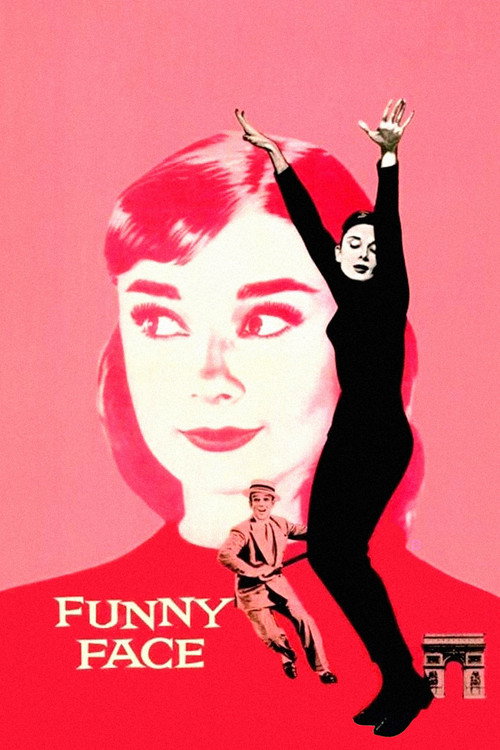
Funny Face1957
Both films use surface charm to investigate how attraction masks class and power imbalances; both suggest love cannot overcome structural inequality.
This looks like a Technicolor musical—Audrey Hepburn and Fred Astaire dancing in Paris—but underneath is a story about power imbalance, exploitation, and the distance between how two people see their relationship. It's Fassbinder's theme in a tuxedo and heels.
But The film's own surface glamour can obscure its darker implications. Watching it requires you to read against the MGM gloss.
More like this (8)
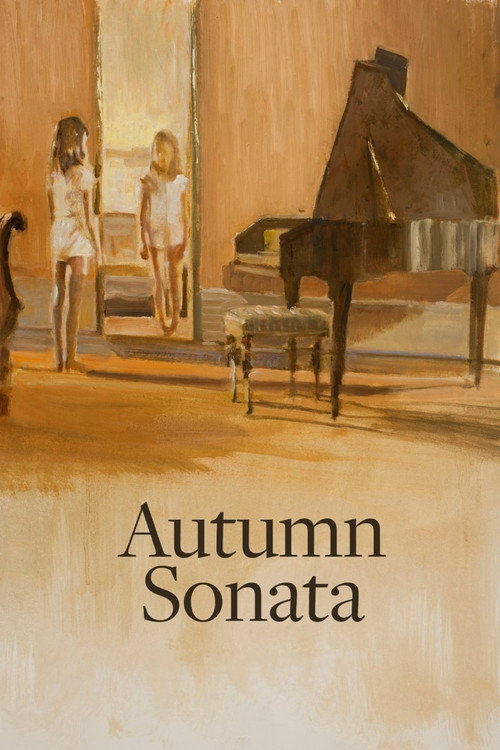
Autumn Sonata1978
Bergman's portrait of a fraught relationship between mother and daughter has Fassbinder's unflinching eye for how people wound those closest to them. Intimate, intense, and devastating.
But It's essentially one long conversation in one room. Claustrophobic emotionally and literally.
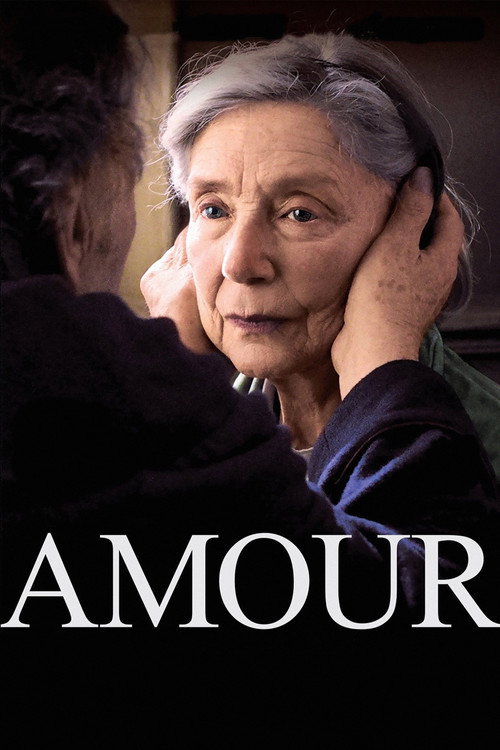
Amour2012
Michael Haneke watches an aging couple face illness and mortality with the same unsentimental compassion Fassbinder brings to Emmi and Ali. Watching it feels like a privilege and an ordeal.
But It's about decay and loss presented with almost no relief. Not a film that asks you to feel better afterward.
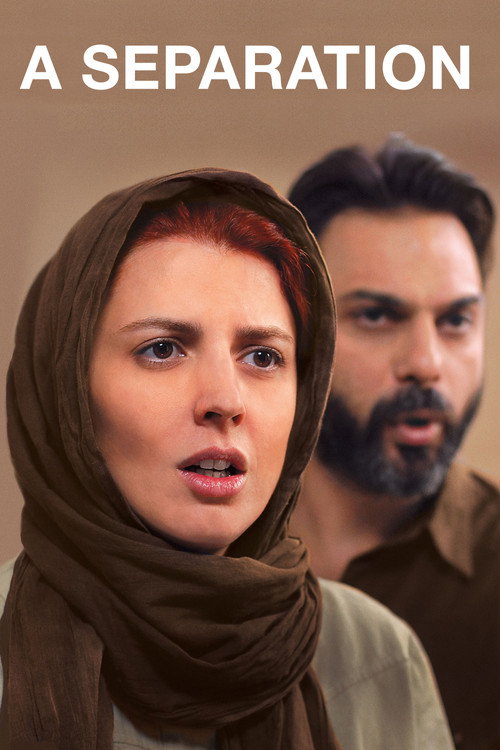
A Separation2011
Asghar Farhadi examines how prejudice, class, and misunderstanding corrode relationships with surgical precision. Every scene builds a case for human complexity that refuses easy answers.
But It's deliberately claustrophobic and offers no catharsis. You finish it morally exhausted.
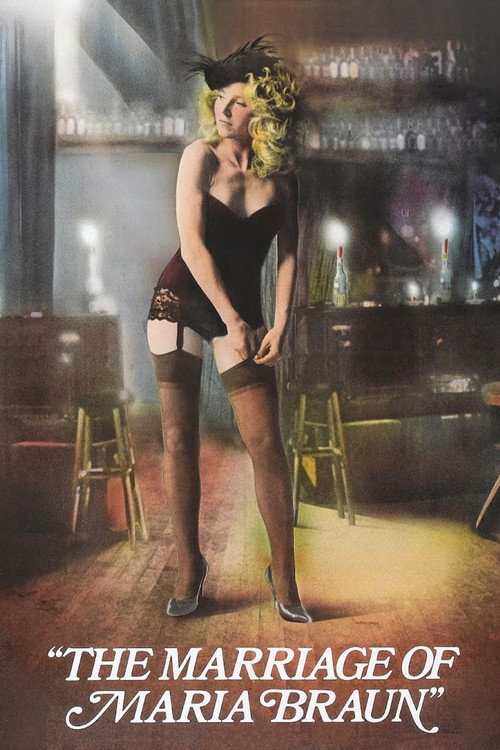
The Marriage of Maria Braun1979
Fassbinder himself again—this time tracing how Germany's postwar chaos shapes one woman's fierce, desperate choices. It's his grandest statement on politics and desire tangled together.
But It's stylistically baroque and demands you follow complex emotional logic across decades. Not a comfortable watch.
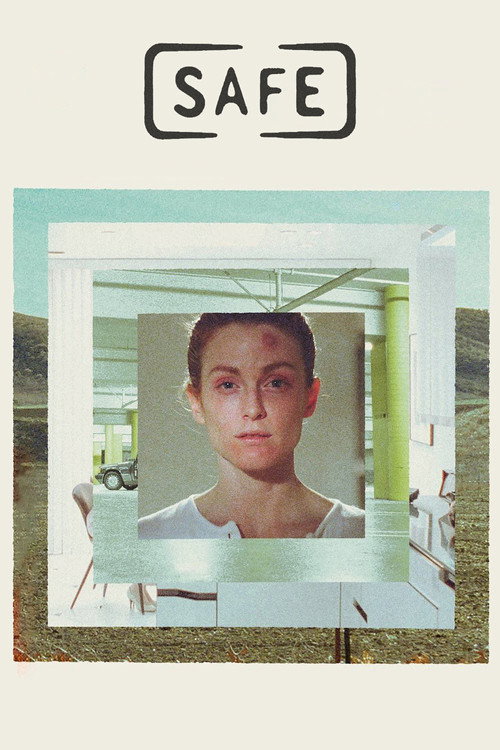
Safe1995
Todd Haynes' portrait of a woman rejected by society for mysterious reasons has Fassbinder's gift for turning social cruelty into cinema. It's quietly devastating and very strange.
But The strangeness escalates to genuinely unsettling places. Some find it more conceptual than moving.
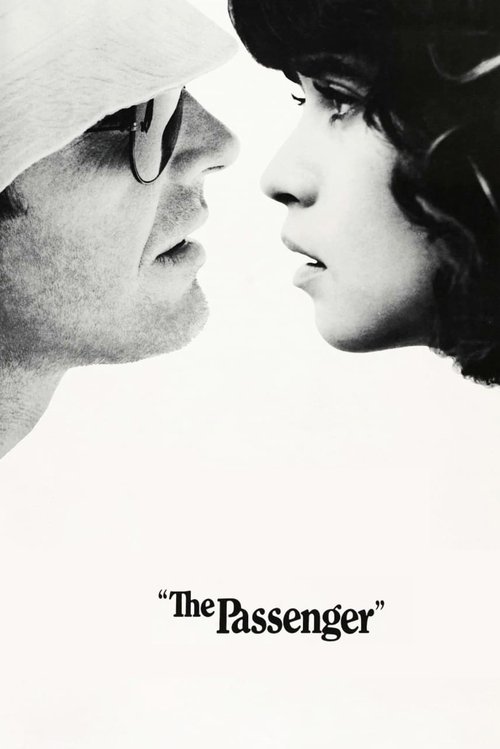
The Passenger1975
Antonioni's film about identity and desire has Fassbinder's belief that cinema should mirror the loneliness of modern life. Architecturally perfect and quietly heartbreaking.
But It's meditative to the point of detachment. You have to actively choose to let it move you.
Chungking Express1994
Both recognize that genuine intimacy between two people is a form of resistance against a hostile world; both find poetry in the everyday and despair in being seen.
Wong Kar-wai's neon-drenched Hong Kong film seems like a completely different animal—restless, visual, modern—but it shares Fassbinder's understanding that loneliness is the human baseline and connection is the rare, fragile miracle. Intoxicating.
But It moves at a different speed than Ali, and some find its beauty too self-aware. The mood matters more than the plot.

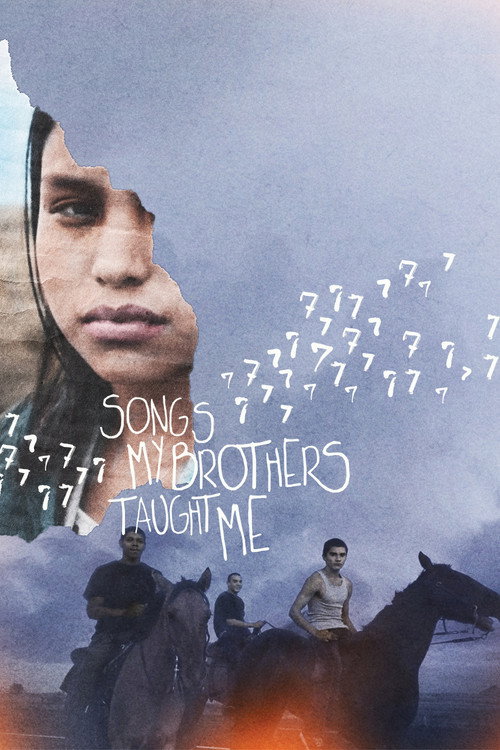
Songs My Brothers Taught Me2015
Both depict marginalized people—economically, socially—finding dignity and love within their circumstance, refusing to make their stories convenient for outsiders.
Participant in Lakota life rather than outsider document, Chloé Zhao's film about two Native siblings navigates kin, poverty, and belonging with the same unsentimental intimacy Fassbinder brings to Emmi and Ali. Made on reservations, shot in real time. Extraordinary.
But It's deliberately paced and sparse. No conventional drama; it trusts observation over incident. Some find it slow to the point of testing.
People
Cast
 Brigitte MiraEmmi Kurowski
 Irm HermannKrista
 Barbara ValentinBarbara
 Elma KarlowaMrs. Kargus
- Anita BucherMrs. Ellis
 Gusti KreisslPaula
 Doris MattesMrs. Angermayer
 Margit SymoHedwig
 Katharina HerbergBardame
 Lilo PempeitMrs. Munchmeyer
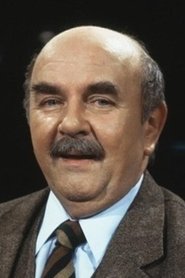 Walter SedlmayrMr. Angermayer
Directing
- Rainer Werner FassbinderDirector
Writing
- Rainer Werner FassbinderScreenplay
Production
- Rainer Werner FassbinderProducer
Recommended by
All That Heaven Allows, Germany in Autumn, In a Year with 13 Moons, Pastoral Symphony, The Safety of Objects, The Third Sex