
Film
The Third Sex
A 1957 German drama about a young man navigating his sexuality in post-war Berlin while his family pressures him toward conformity. Remarkably frank for its era, it treats homosexuality as a fact of life rather than pathology, though the ending reflects period attitudes. Essential viewing for anyone interested in LGBTQ+ cinema history and post-war German society.
If you liked this
Rope1948
Hitchcock's tense chamber piece about two men and a murder, shot in real-time across one apartment. A landmark film that obliquely engages with queerness through subtext and suggestion, predating The Third Sex by nearly a decade.
But The technical conceit—hiding cuts to seem like one continuous take—can feel more clever than emotionally gripping. Some find Hitchcock's distance from his characters chilling rather than moving.

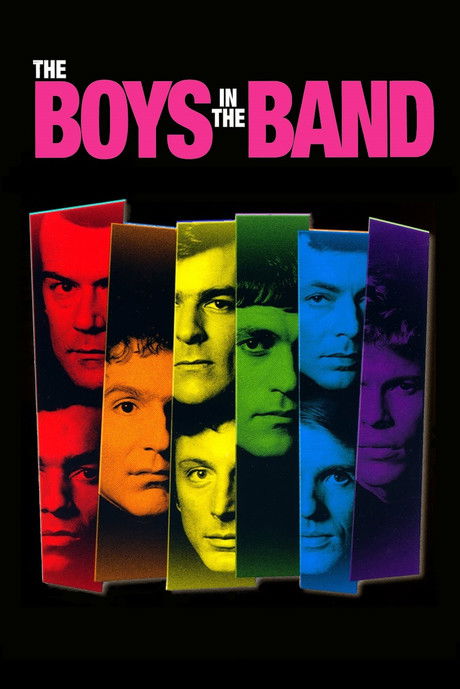
The Boys in the Band1970
American play adaptation set at a birthday party in Manhattan where eight gay men confront desire, shame, and found family. Raw, funny, and heartbreaking—it shows how much and how little had changed since the 1950s.
But The self-loathing baked into the script reflects period attitudes about homosexuality that modern viewers find painful. It's a historical document as much as a drama.
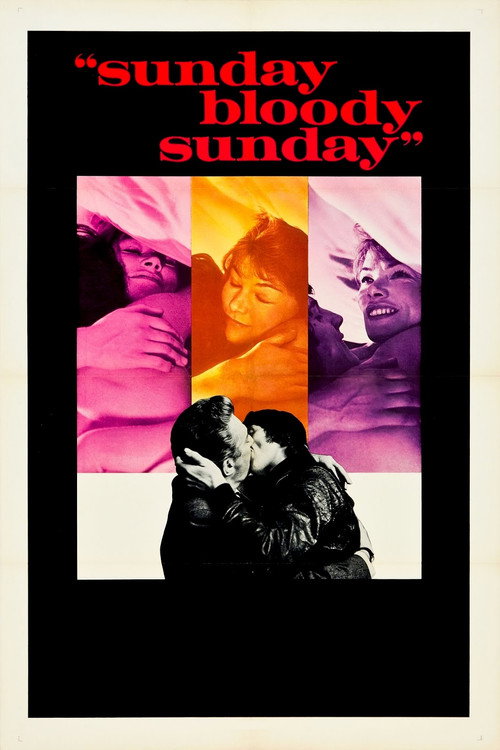
Sunday Bloody Sunday1971
John Schlesinger film about a London doctor and woman who are both in love with the same younger man. Treats homosexuality as ordinary—not the subject, but the condition—and focuses on real emotional stakes and ambivalence.
But The love triangle means nobody wins, which leaves some viewers feeling emotionally unsatisfied. The resolution is quiet rather than dramatic.
Not sure tonight? Get a pick in a minute, starting from The Third Sex
The wildcard
Something you would not have found on your own.
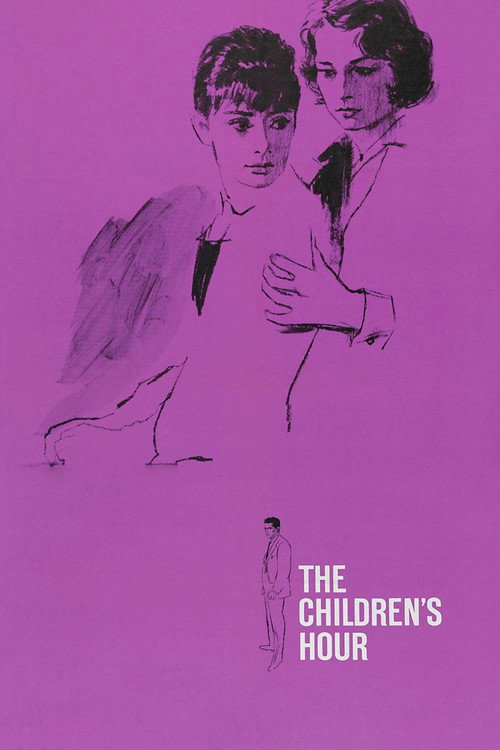
The Children's Hour1961
Both are 1950s-adjacent dramas where queerness cannot be lived openly, but Hellman's work shows what happens when it's hidden; The Third Sex shows what happens when it's discovered. One character survives her sexuality; the other doesn't. Together they bracket the catastrophe.
William Wyler's adaptation of Lillian Hellman's play about two female teachers whose lives are destroyed by rumors of homosexuality. Devastatingly sad and formally beautiful, it shows how the era you're studying destroyed lives through language alone.
But It's bleak without redemption, and the homophobic damage is the entire point. Some viewers find it too punishing to watch. Also, Audrey Hepburn and Shirley MacLaine's restrained performances—historically appropriate—can read as emotionally distant to modern eyes.
More like this (7)
Victim1961
British thriller about blackmail, homosexuality, and legal injustice. Dirk Bogarde's first openly queer role is brave and dignified; the film argues passionately for decriminalization while delivering genuine suspense.
But The thriller mechanics sometimes override the emotional complexity. Some moments feel like they're making a point rather than following characters.

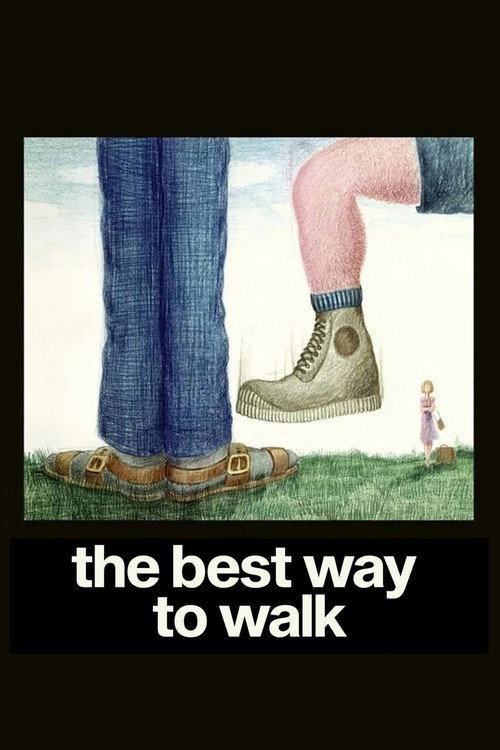
The Best Way to Walk1976
French film about a middle-aged man and teenage boy forming an unlikely friendship that becomes romantic. Tender and unsentimental, it asks hard questions about desire, protection, and what love actually looks like.
But The age gap is real and will make many viewers deeply uncomfortable, and the film doesn't condemn it. That's the point, but it's a very difficult point to sit with.
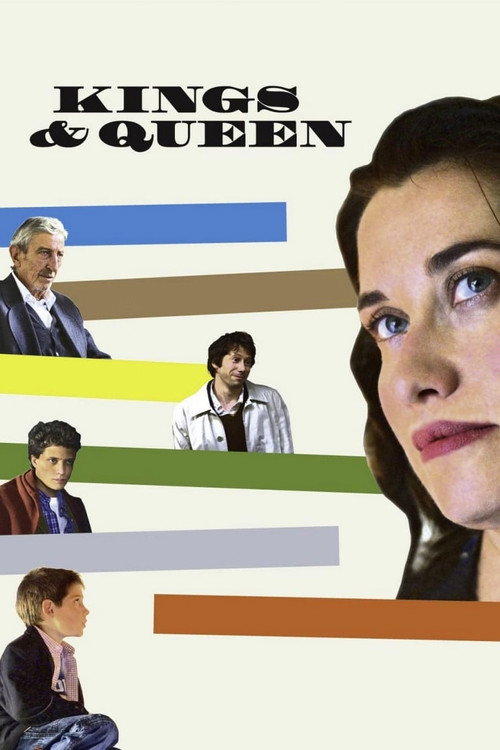
Kings & Queen2004
Arnaud Desplechin's baroque masterpiece about family, mental illness, queerness, and love across a lifetime. Gorgeously shot and structurally playful, it contains multitudes and refuses easy categorization.
But It's 161 minutes and structurally complex, jumping through time and perspective. The emotional register swings wildly—exhausting if you're expecting a conventional story.
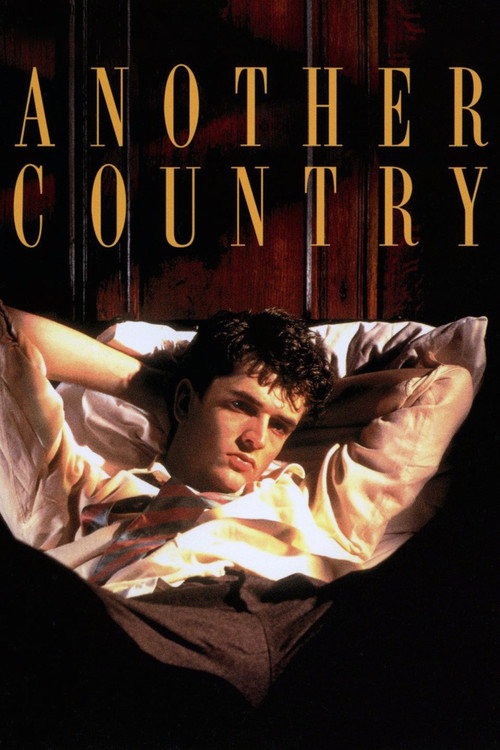
Another Country1984
Coming-of-age film set at a British boarding school where a talented young man's sexuality and political awakening collide with institutional repression. Well-crafted, acted with real nuance, historically aware about class and power.
But The school setting feels familiar if you've seen similar films. It's competent rather than revelatory, and doesn't quite achieve the emotional depth it reaches for.
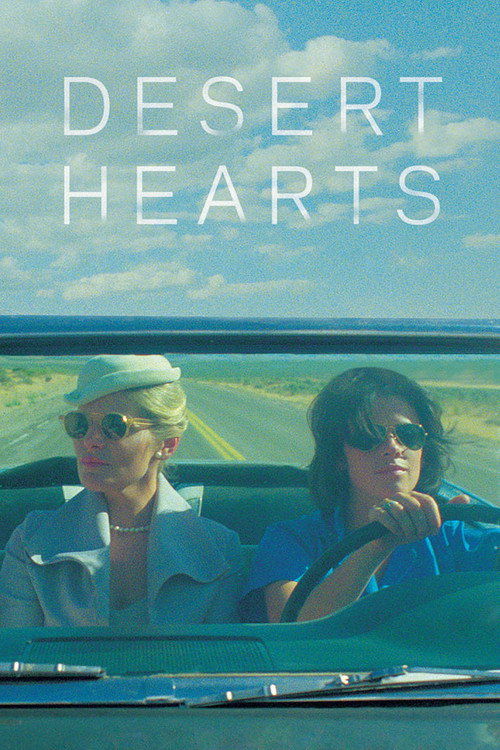
Desert Hearts1985
American independent film about two women falling in love in 1950s Nevada. Joyful and explicitly sexual in a way earlier films weren't allowed to be, it's a genuine love story with real chemistry.
But The production values are modest and the dramatic stakes relatively small. Some find it lightweight compared to heavier period pieces.
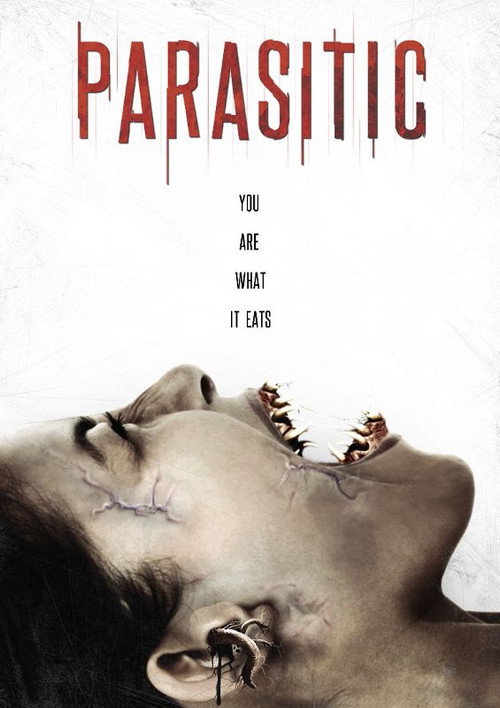
Parasitic2012
Klaus's family pressures him to perform heterosexuality; the protagonist of Parasitic performs whatever identity gets him what he wants. Both films understand that sexuality and survival are entangled, that identity can be a mask, and that honesty is dangerous.
Danish miniseries about a charismatic psychopath infiltrating a family through seduction. Hypnotic and cruel, it's about performance, desire, and the masks people wear—same engine as The Third Sex but running on different fuel.
But It's fundamentally about manipulation and villainy rather than sympathy. You're watching someone weaponize attraction. If you want to like the people on screen, this isn't your film.
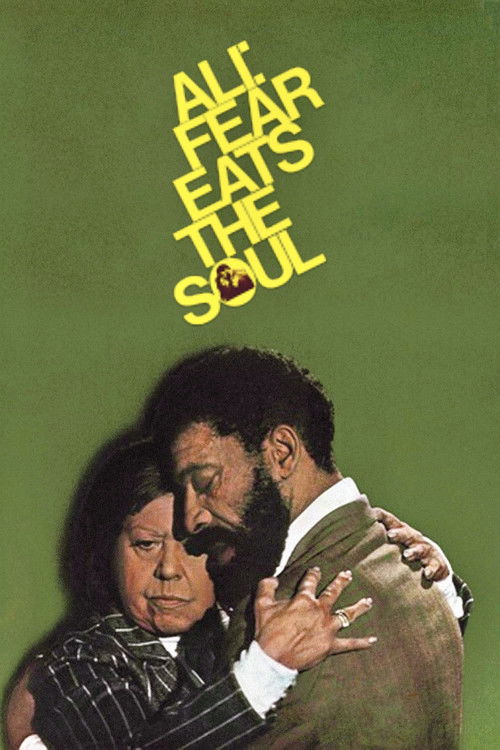
Ali: Fear Eats the Soul1974
Both are German-language dramas about society's cruelty toward forbidden desire, but Fassbinder's film is visually stylized where The Third Sex aims for realism. The Third Sex documents a moment; Ali imagines how it feels from inside. One is a historical record; the other is emotional truth.
Rainer Werner Fassbinder's melodrama about an elderly German widow and Moroccan immigrant falling in love. Formally radical, emotionally direct, it's about desire across lines society has drawn—class, age, race—and the cost of defying them.
But It's slow and repetitive in a way that's deliberate but can feel punishing. The color palette is garish and artificial, which some find beautiful and others find cheap. Fassbinder doesn't offer comfort.
People
Cast
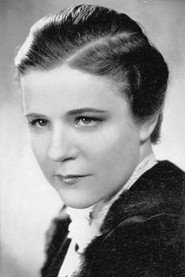 Paula WesselyChrista Teichmann
 Ingrid StennGerda Böttcher
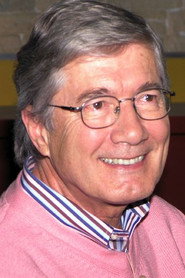 Christian WolffKlaus Teichmann
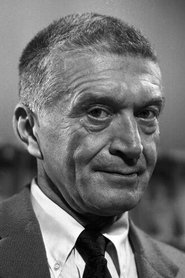 Friedrich JoloffDr. Boris Winkler
- Günther TheilManfred Glatz
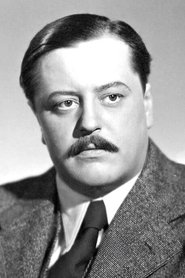 Paul DahlkeWerner Teichmann
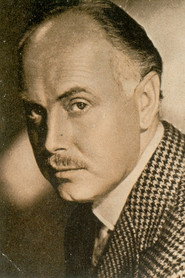 Hans NielsenMax Mertens
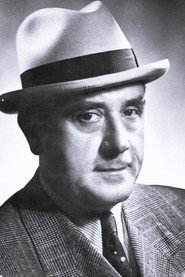 Herbert HübnerVerteidiger Dr. Schwarz
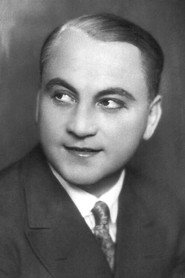 Kurt VespermannDr. Schmidt
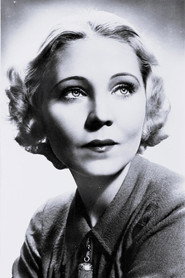 Hilde KörberFrau Glatz
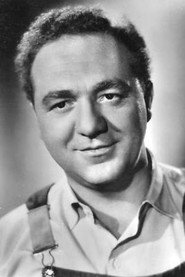 Paul EsserKommissar
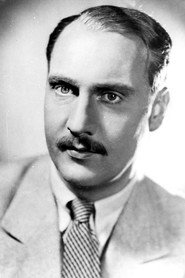 Siegfried SchürenbergStaatsanwalt
Directing
- Frank WintersteinAssistant Director
- Veit HarlanDirector
Writing
- Felix LützkendorfScreenplay
Production
- Gero WeckerProducer