
Film
Salome
Other titles called Salome: the 1918 film, the 1974 film, the 2012 film.
A lavish 1953 biblical melodrama where Rita Hayworth's Princess Salome becomes caught between pagan desire, political intrigue, and the rising force of Christianity. Charles Laughton dominates as the conflicted King Herod, torn between lust and conscience. It's a gorgeous Technicolor costume drama that treats Scripture as raw material for romantic and moral tension—less reverent than lustful.
If you liked this
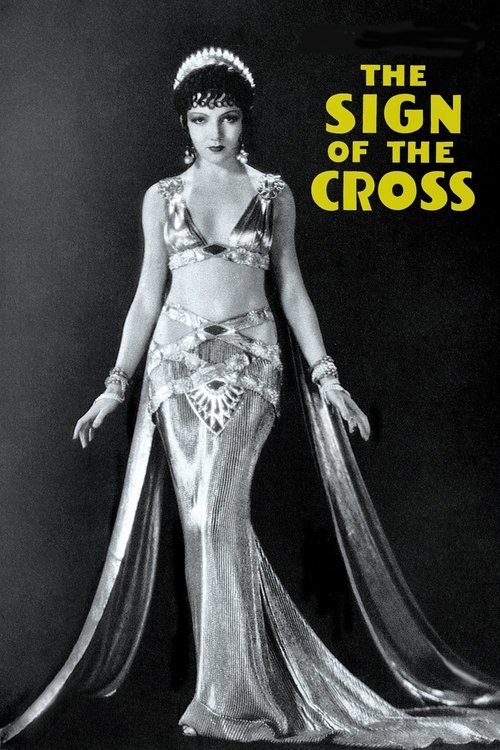
The Sign of the Cross1932
Cecil B. DeMille's earlier take on early Christianity and Roman decadence, with similar themes of faith versus desire. Stephen Boyd and Jean Simmons navigate love, empire, and conscience in a spectacle that set the template Salome follows.
But Pre-Code pacing feels glacial by modern standards, and the moralising can overshadow the intrigue. Black and white, so none of the Technicolor lustre.
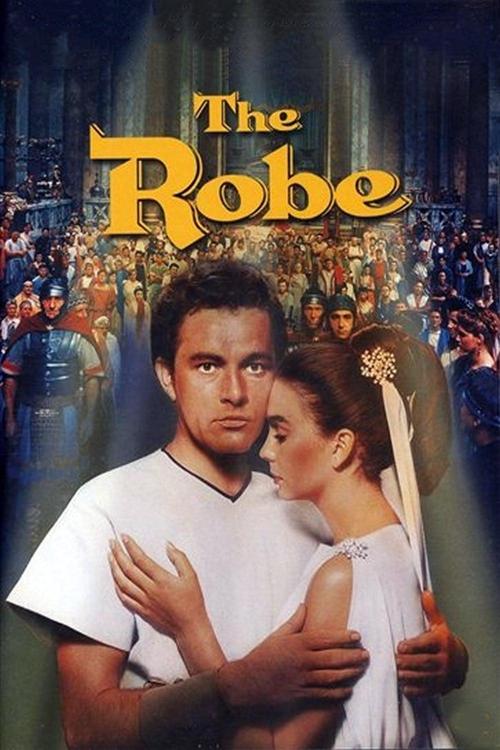
The Robe1953
Released the same year, another sweeping biblical epic with Richard Burton caught between Rome and Christianity. Features similar grandeur, similar spiritual wrestling, and similar romance amid historical upheaval. A companion piece in every way.
But Its earnestness about faith conversion might feel heavy-handed. The spectacle sometimes swamps the character work you came for.
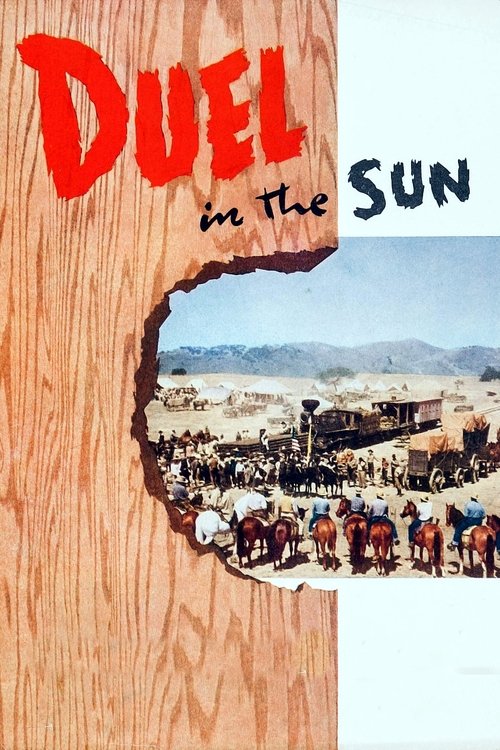
Duel in the Sun1946
Jennifer Jones and Gregory Peck in a Technicolor melodrama soaked in passion and moral conflict. Like Salome, it's a lush period piece where desire and duty crash together, and a woman's agency becomes the hinge of the story.
But The racial politics are of its era and troubling. It's also long and can feel overwrought if you're not in the mood for operatic emotion.
Not sure tonight? Get a pick in a minute, starting from Salome
The wildcard
Something you would not have found on your own.
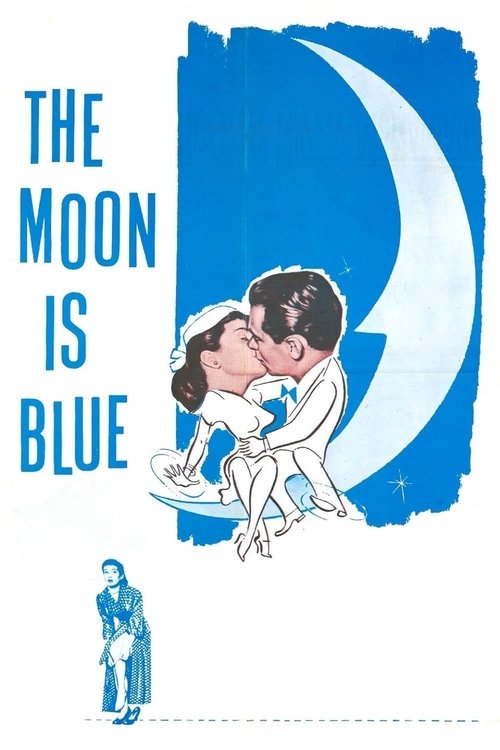
The Moon Is Blue1953
Both 1953 films grapple with desire as a force that rewrites power dynamics; Salome wraps it in Scripture and empire, Moon in drawing-room dialogue.
Released the same year as Salome, this is the inverse: a contemporary romantic comedy that broke censorship rules by talking frankly about sex, seduction, and female desire. Both films pivot on a woman's sexuality as their dramatic engine; Moon does it with cocktails and wit instead of kingdoms.
But It's theatrical and chatty rather than visual. If you want spectacle, this is deliberately intimate and talk-heavy.
More like this (6)
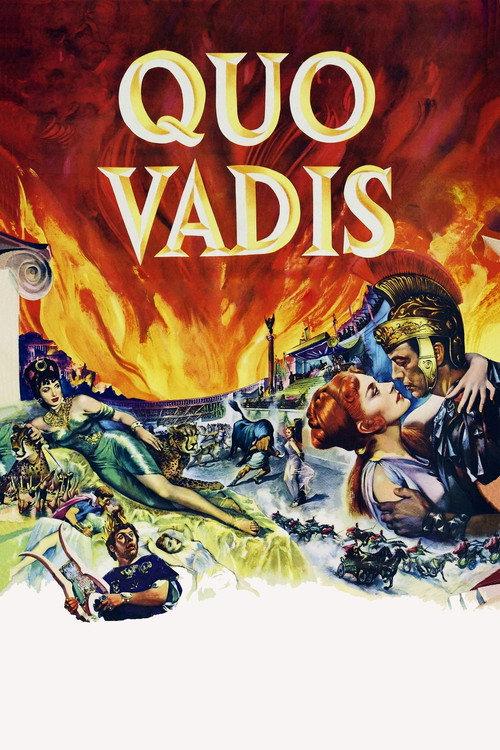
Quo Vadis1951
Another monumental biblical epic with Robert Taylor and Ava Gardner navigating Rome, faith, and love. Shares Salome's fascination with the clash between pagan power and early Christianity, rendered in spectacular Technicolor.
But Nearly three hours and sometimes ponderous. The spectacle can feel more important than the characters.
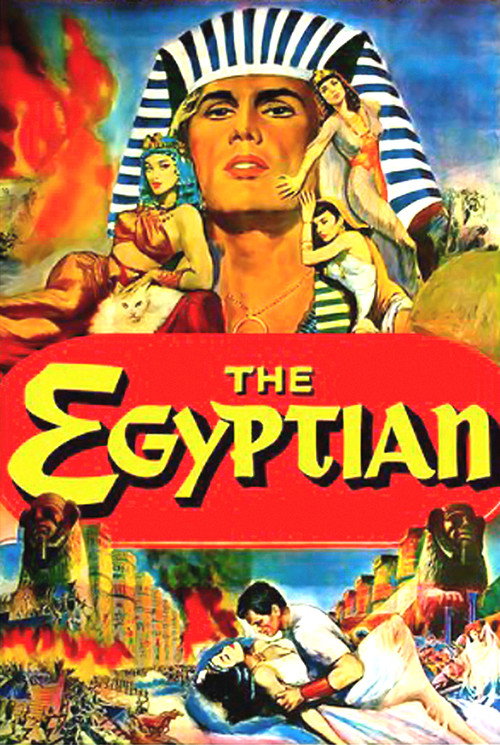
The Egyptian1954
Another sumptuous Cinemascope biblical romance with Marlon Brando, Jean Simmons, and Victor Mature. Similar blend of faith, politics, desire, and empire; similarly gorgeous and similarly willing to treat history as material for melodrama.
But Brando's performance is strangely passive. The plot meanders across different time periods in ways that can feel scattered.
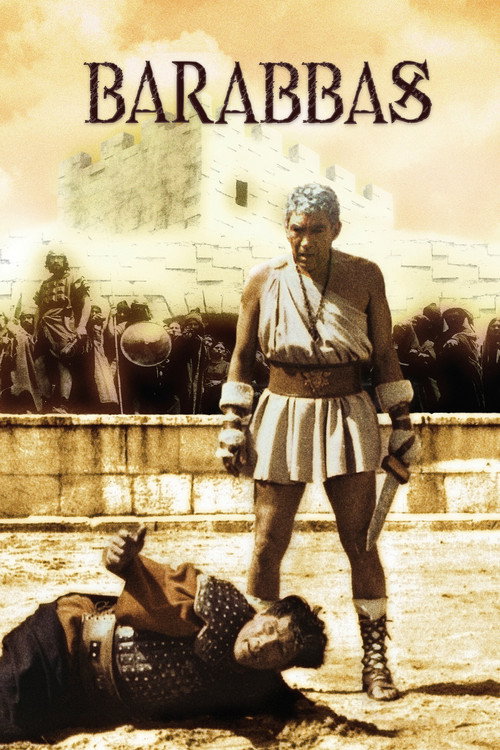
Barabbas1961
Anthony Quinn in a rawer, grittier biblical epic that still interrogates faith versus desire. Less ornate than Salome but with similar moral gravity and willingness to make Scripture personal rather than pious.
But It's darker and more violent in mood. Some of the special effects work hasn't aged as gracefully as Technicolor gloss.
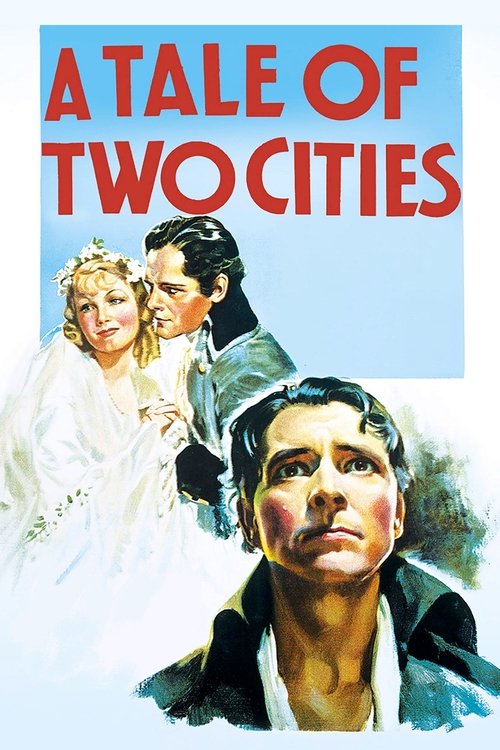
A Tale of Two Cities1935
Not biblical but cut from the same cloth: a grand historical melodrama with Ronald Colman torn between duty and passion amid political chaos. The same sense of personal desire tested by historical moment.
But It's 128 minutes of pre-war Hollywood pacing. If you need constant motion, you'll fidget.
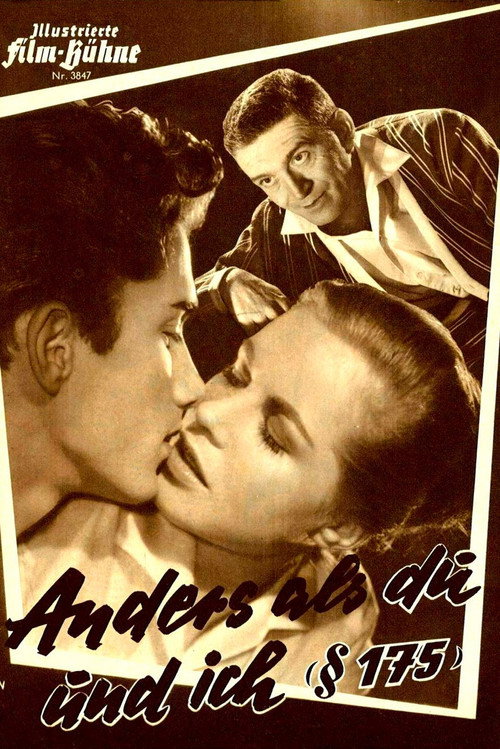
The Third Sex1957
Both films use desire not as plot convenience but as the site where a person's values are genuinely tested. Salome's faith, Third Sex's identity; both emerge through erotic crisis.
An audacious (for its time) German film that explores sexual desire and identity with moral seriousness and without shame. Like Salome, it refuses to punish its characters for wanting, and treats erotic tension as central to moral and political meaning.
But It's oblique and slow, and the dubbed English print can feel distant. The subject matter—homosexuality—is handled with 1950s circumspection, so you have to read between lines.
Senso1954
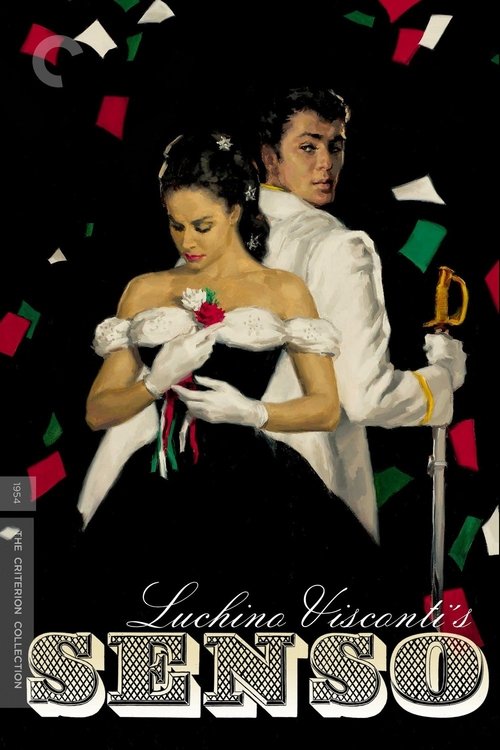
Both films are about women whose sexuality becomes a political weapon used against them by others—and both ask whether they have any agency in that. Visconti's answer is darker and more modern than the 1953 Hollywood version.
Luchino Visconti's devastating Italian melodrama about a woman undone by passion during wartime occupation. Ravishingly photographed, morally complex, and built entirely around the proposition that desire can betray your entire conscience. It goes places Salome doesn't dare.
But It's bleak and ends badly. Visconti's pacing is slow and demanding, and the Criterion restoration, while gorgeous, emphasizes technical formalism over conventional narrative drive.
People
Cast
 Rita HayworthPrincess Salome
 Charles LaughtonKing Herod
 Stewart GrangerCommander Claudius
 Judith AndersonQueen Herodias
 Alan BadelJohn the Baptist
 Cedric HardwickeTiberius Caesar
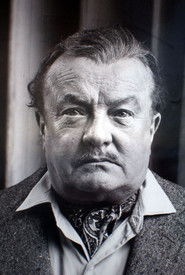 Basil SydneyPontius Pilate
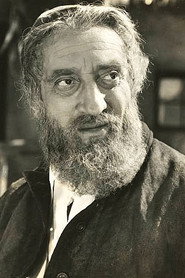 Maurice SchwartzEzra the King's Advisor
 Arnold MossMicha
 Karl 'Killer' DavisSlave Master
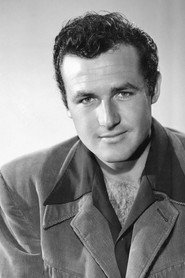 Rex ReasonMarcellus Fabius
Directing
- William DieterleDirector
Writing
- Harry KleinerStory
- Jesse Lasky Jr.Story
- Harry KleinerWriter
Production
- Buddy AdlerProducer
- Rita HayworthProducer