
Film
Salomé
Other titles called Salomé: the 1918 film, the 1953 film, the 1974 film.
- Coming-of-age
- Slow-burning
A 16-minute Colombian short film about a girl marking the first anniversary of her father's death during a village festival. Salomé sits alone in celebration and noise, forced to reckon with grief, faith, and the gulf between public ritual and private pain. Intimate, visually precise, and deeply felt—for anyone who understands that mourning doesn't sync with the calendar.
Should you watch it?
Watch it if you like short films that sit with a single restless afternoon and let a teenager's private grief hum underneath a noisy village celebration.
Skip it if you want plot and momentum, since this is mostly mood and a slow pull of atmosphere, and the festival noise may wear thin for some viewers.
What it asks of you: Sixteen minutes is all it takes, and it moves at the unhurried pace of a long afternoon, rewarding close attention to glances and silences more than dialogue.
Not sure? Find tonight's pick in a minute.
If you liked this
A Ghost Story2017
A man lingers after death in his home, watching time move around him. Like Salomé, it's a small, patient meditation on grief that refuses easy answers or sentiment, building something profound from stillness and presence.
But It moves very slowly and dwells in ambiguity. If you need clear narrative momentum or a tidy emotional resolution, this will frustrate you.

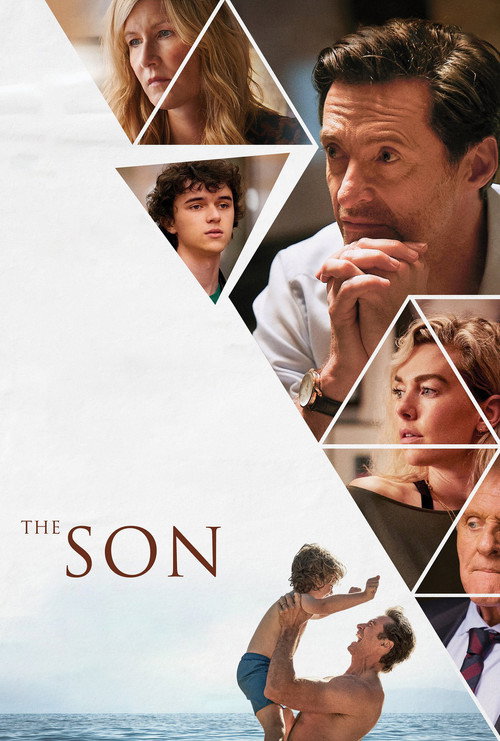
The Son2022
A father and son in a quiet apartment, circling around crisis and connection. It has the same compressed intensity as Salomé—big emotional weight held in small spaces, with sparse dialogue and long silences doing the real work.
But Florian Zeller's style can feel mannered and airless. The repetitive blocking and dialogue loops might feel more like a play than cinema, which some find precious.
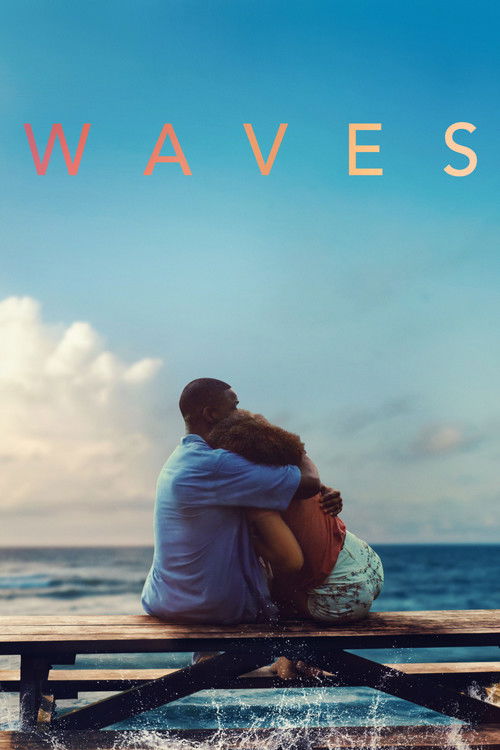
Waves2019
A family fractures after tragedy. It captures how catastrophe warps time and perception, how grief doesn't move in straight lines—the same intuition that drives Salomé's fractured, memory-haunted narrative.
But It's emotionally exhausting and sometimes overwrought. The color grading and music can feel manipulative if you're not already on its wavelength.
Not sure tonight? Get a pick in a minute, starting from Salomé
The wildcard
Something you would not have found on your own.
Mulholland Drive2001
Both use formal fragmentation—non-linear time, dream logic, the dissolution of a coherent self—to express the way trauma and loss shatter our sense of reality.
Lynch fragments a woman's mind across time and dream. Like Salomé's non-linear memory, it understands that grief and loss don't present themselves as clear narrative—they're recursive, contradictory, seen through a fractured lens.
But It's bewildering and surreal rather than emotionally direct. If you want your feelings explained to you, this will leave you frustrated and confused.

More like this (8)
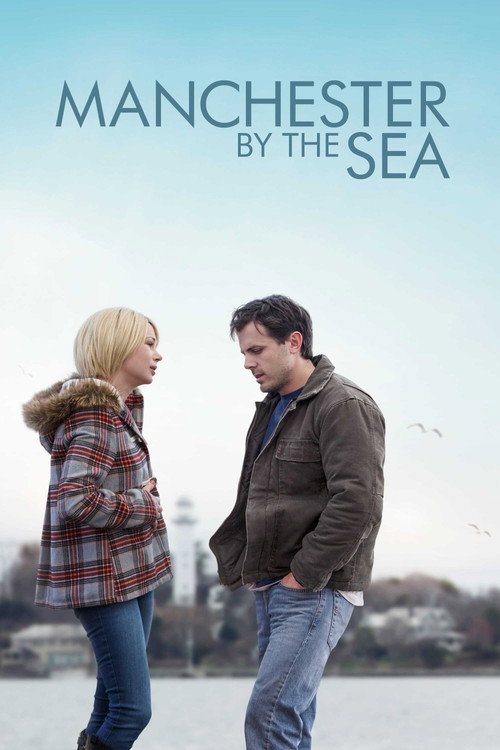
Manchester by the Sea2016
A man returns home to face the aftermath of loss. Kenneth Lonergan understands that grief isn't something you overcome—you just learn to carry it. The film has Salomé's refusal to sentimentalize sorrow.
But Nothing happens. Casey Affleck's emotional muteness might read as blank rather than deep. It's very long for what appears to be a simple story.
Winter Light1963
Bergman's meditation on faith collapsing in a cold chapel. Like Salomé, it interrogates belief in the face of loss, with a claustrophobic intensity and visual austerity that makes every moment sting.
But It's severe, theologically dense, and deliberately punishing. There's no warmth here—Bergman is interested in desolation, not comfort.

Moonlight2016
Three chapters of a boy's life, fractured and lyrical. It understands how memory works—selective, impressionistic, more feeling than fact—in the same way Salomé moves through her remembered grief.
But The narrative is deliberate and oblique. Some viewers find the pacing glacial and the emotional beats too subtle to register.

The Farewell2019
A family gathers around a dying grandmother. It balances grief with humor and cultural ritual, finding the absurdity and tenderness in how we actually mourn—less sentimental than Salomé, but kindred in spirit.
But If you're looking for something darker, the warmth and humor might feel like a betrayal of the subject matter. Some critics found it uneven tonally.

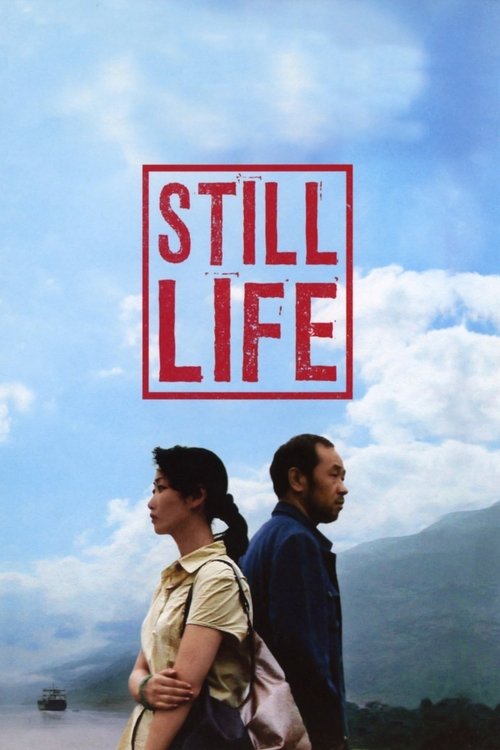
Still Life2006
A bureaucratic search for a dead man's relatives becomes a meditation on loneliness and mortality. Jia Zhangke's film moves with the same patience as Salomé, finding profundity in the ordinary and overlooked.
But It's extremely slow and concerned with surfaces rather than psychological interiority. Viewers accustomed to conventional drama may find it inaccessible.
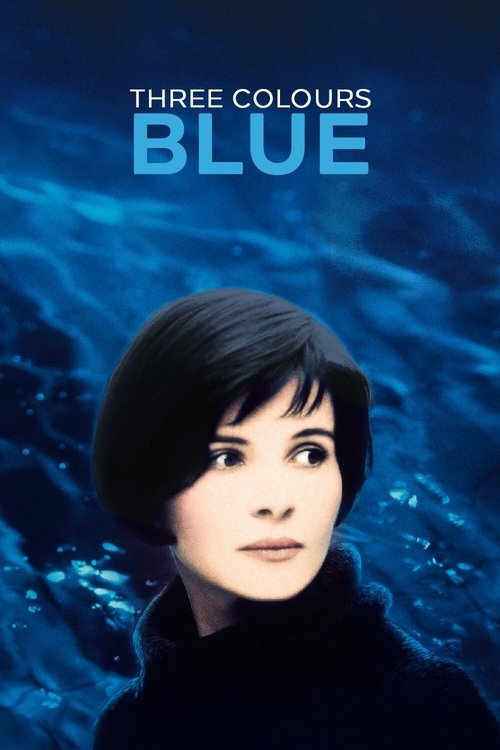
Three Colors: Blue1993
Krzysztof Kieślowski's portrait of a woman learning to live after her husband and daughter die in a car crash. It's poetic and precise about how grief fragments identity—you don't recover, you reconstruct.
But The symbolism can feel overwrought and the pacing occasionally languid. Some find its European arthouse style dated now.
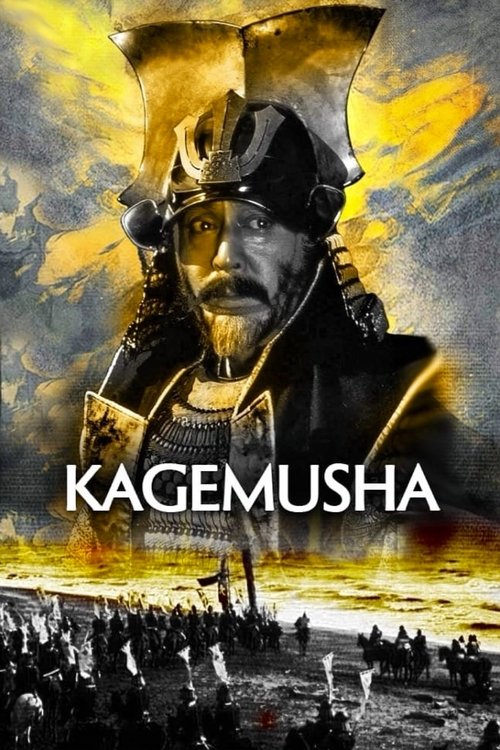
Kagemusha1980
Both explore how the dead live on in the living—not psychologically, but as a burden of identity and obligation that fundamentally changes who we are.
A peasant doubles for a dying warlord, eventually claiming his identity. Kurosawa's meditation on mortality, replacement, and the masks we wear becomes a meditation on how the living must carry the dead. Monumental and meditative.
But It's nearly three hours of deliberately slow cinema in a register far from the intimate. The feudal Japanese setting is immersive but demanding.
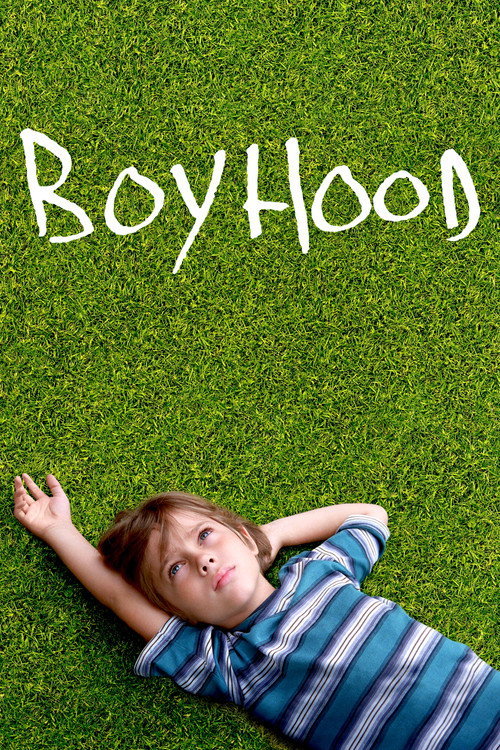
Boyhood2014
Both trust temporal accumulation over plot: grief and transformation live in the spaces between moments, not in the moments themselves.
Linklater shoots the same characters over 12 years in real time. The accumulated, unforced passages of loss—deaths, divorces, small diminishments—mirror Salomé's understanding that grief is lived through duration, not event. Time itself becomes the subject.
But For many viewers, nothing happens—it's deliberately shapeless. If you need dramatic structure or narrative payoff, this feels like watching someone's home videos.
People
Cast
- Jenny Paola NaranjoSalomé
- Sergio GalindoMiguel