
Film
Salome
Other titles called Salome: the 1953 film, the 1974 film, the 2012 film.
Theda Bara's 1918 silent film retells the biblical legend of Salome with theatrical grandeur and moral complexity. A lost masterpiece of early cinema, it captures the eroticism and political intrigue of a woman caught between duty, desire, and the arrival of a prophet. Essential viewing for anyone interested in how silent film handled power, seduction, and faith.
If you liked this
Intolerance: Love's Struggle Throughout the Ages1916
D.W. Griffith's epic spans four eras to explore how persecution echoes through history. Shot on a scale that still stuns—massive sets, thousands of extras, audacious storytelling that treats silent film as high art.
But Nearly four hours long, with intertitles that demand your attention. The pacing reflects 1916 sensibilities, not modern action grammar.

The Phantom Carriage1921
Sjöström's masterpiece uses ghosts and Christmas Eve to explore redemption and consequence. Visually inventive, emotionally profound, and it proves silent cinema could reach depths most talking films never find.
But Swedish, subtitled, and deliberately slow. It's a meditation, not a thriller. Some will find it glacial.

Nosferatu1922
German Expressionism at its peak. The vampire myth becomes pure visual terror—shadows, distortion, atmosphere so thick you feel it. Murnau understood that what you don't see, clearly, is more frightening.
But The pacing is deliberate and the image quality varies. It's unsettling rather than action-packed, which can feel like watching a fever dream.

Not sure tonight? Get a pick in a minute, starting from Salome
The wildcard
Something you would not have found on your own.
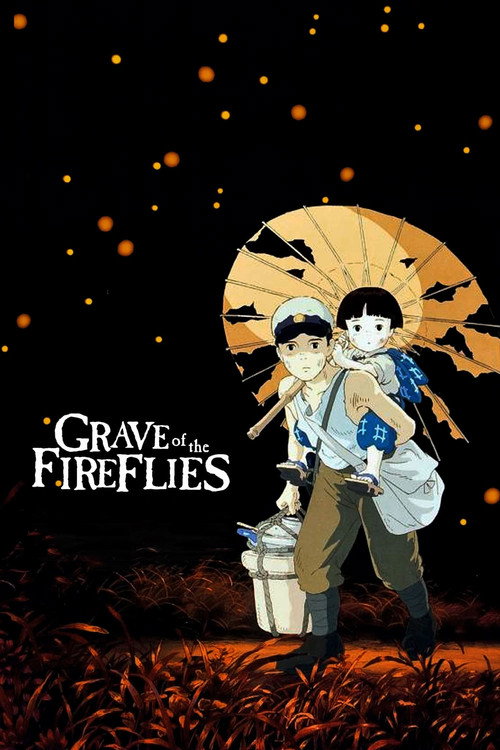
Grave of the Fireflies1988
Both are works made in their respective eras' advanced techniques to tell stories about beauty, power, and helplessness in the face of forces larger than the self. Both refuse easy answers. Both understand that desire and death often arrive together.
Isao Takahata's anime about two siblings surviving Japan's war is devastating and intimate. The animation is exquisite; the emotional register is beyond what live-action typically reaches. It proves animated film is not a genre category but a medium of infinite depth.
But It's about children starving during wartime. There are no easy moments. Animation does not make it lighter or safer to watch; if anything, the beauty of the form intensifies the grief.
More like this (7)
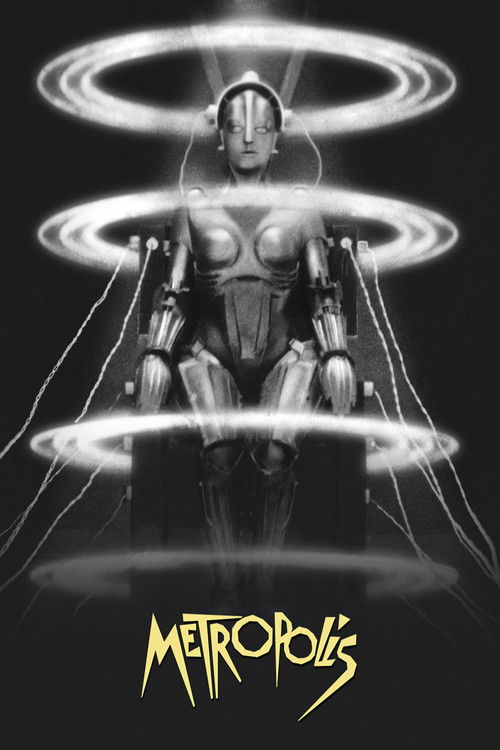
Metropolis1927
Fritz Lang's vision of a stratified future city is prophetic and visually staggering. The restored version recovers sequences lost for decades. It's science fiction that still feels dangerous and strange.
But The plot is sometimes secondary to spectacle. Some scenes drag. The social commentary can feel dated, though the themes remain urgent.
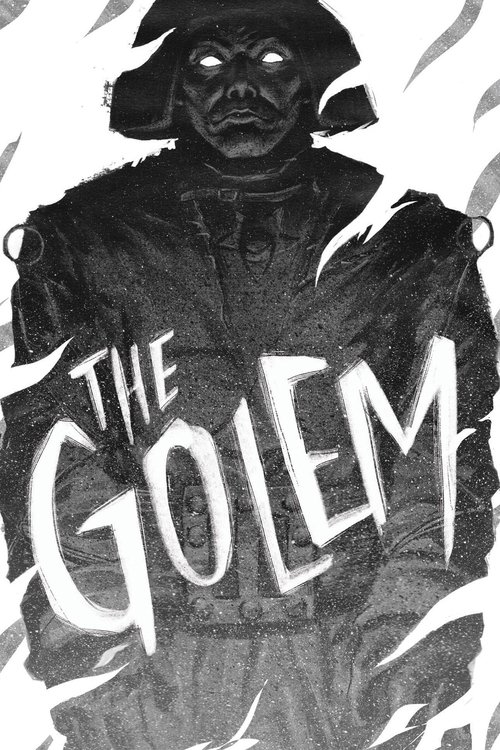
The Golem: How He Came into the World1920
Another German Expressionist triumph. A rabbi creates a clay giant to protect his people; the film explores what happens when your creation turns against you. Deeply atmospheric, morally complex.
But It's slow-burn horror with long stretches of mood over action. The plot is simple but the film stretches it thin at times.
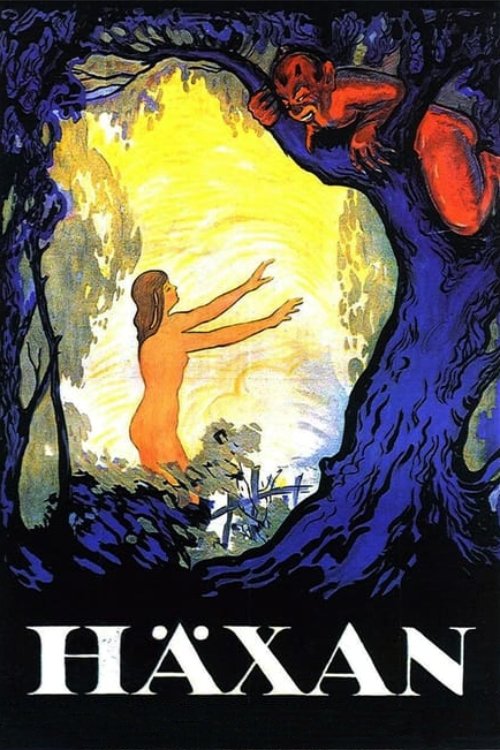
Häxan1922
Christensen's documentary-fantasia about witchcraft is unlike anything else from the era. It mixes historical inquiry with surreal dramatization and genuine horror. Visually bizarre and intellectually restless.
But Disjointed and strange by design. It feels like nightmares edited together. Some sequences are cruel and disturbing in ways modern audiences should prepare for.
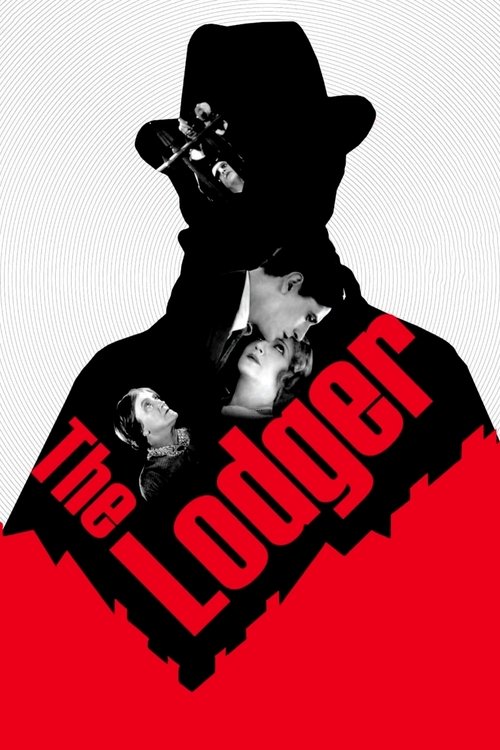
The Lodger: A Story of the London Fog1927
Hitchcock's first thriller invents the suspense grammar we still use. A mysterious boarder in a London townhouse; paranoia builds through performance and shadows. Tense and witty, with a formal brilliance.
But The mystery resolves in a way some find unsatisfying. There's also an anti-Semitic subplot that reflects its era, which troubles the experience.
Pandora's Box1929
Pabst's portrait of Lulu, a woman whose sexuality destabilizes every man she meets, is frank and modern. Louise Brooks is magnetic. The film is both erotic and tragic, never quite condemning its heroine.
But It's overtly sexual for 1929, which some found scandalous then and might find dated now. The ending is bleak and the worldview is cynical.

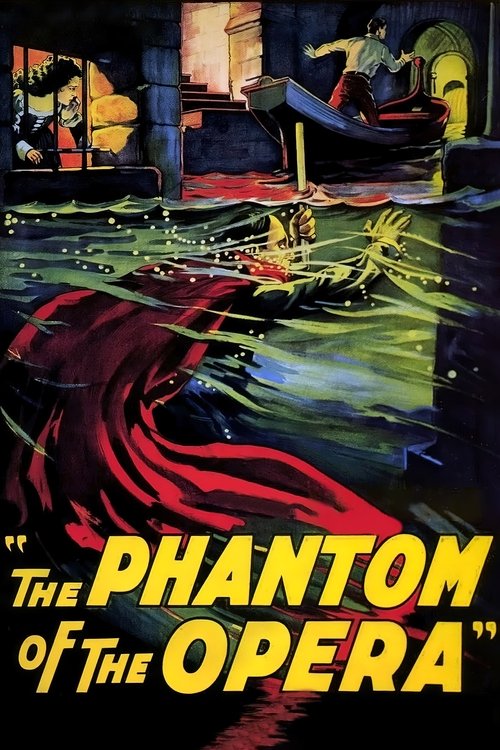
The Phantom of the Opera1925
Lon Chaney's Erik is grotesque and tragic. The ball sequence is color-tinted and genuinely lavish. A love story told through opera and architecture; the visuals are so carefully composed they hold you.
But The plot is melodrama and the pacing can feel slow. Chaney's performance, while extraordinary, is sometimes hammy by modern standards.
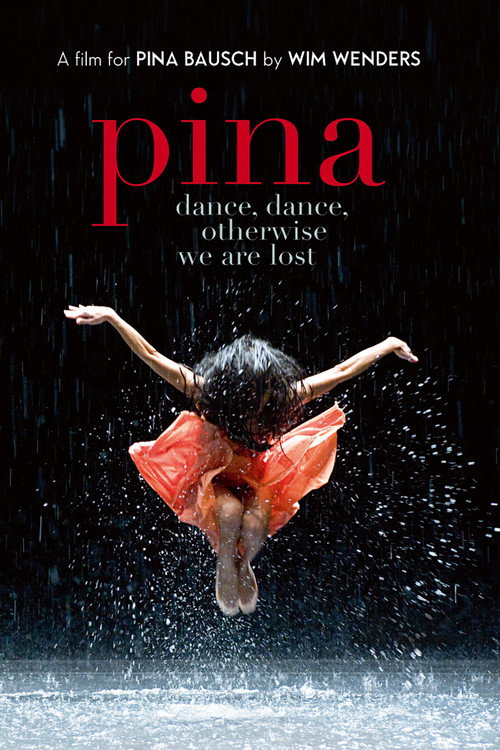
Pina2011
Like the 1918 Salome, Pina uses the body as the primary text for telling stories about power, gender, and forbidden desire. Both works understand that dance—whether implicit in cinema or literal on a stage—is a language older and more honest than words.
Wim Wenders filmed Pina Bausch's dance theater in 3D. The result is not a documentary but a translation of movement into cinema. You don't watch it, you're inside it. Bausch's work was always about bodies in conflict; Wenders makes the conflict spatial.
But It's dance, not narrative. If you're looking for plot or dialogue, it will feel like an endurance test. The 3D gimmick can distract. Some of the sequences are more successful than others.
People
Cast
 Theda BaraSalome
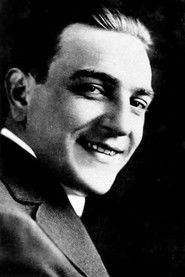 G. Raymond NyeKing Herod
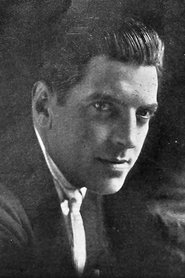 Alan RoscoeJohn the Baptist
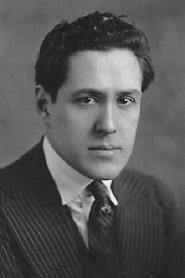 Herbert HeyesSejanus
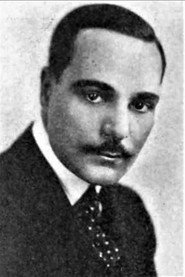 Bertram GrassbyPrince David
- Genevieve BlinnQueen Miriam
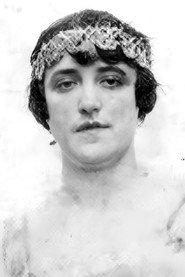 Vera DoriaNaomi
- Al FremontGalba