
Film
Metropolis
Fritz Lang's silent monument to science-fiction cinema imagines a city split into gleaming towers and subterranean machine-rooms, where the son of the ruling elite falls for a woman who might be a saviour, or a spark. Watch it for the images — the Machine-Man's birth, the flooding tunnels, the choreography of thousands — not the dialogue, which barely exists and doesn't need to.
If you liked this
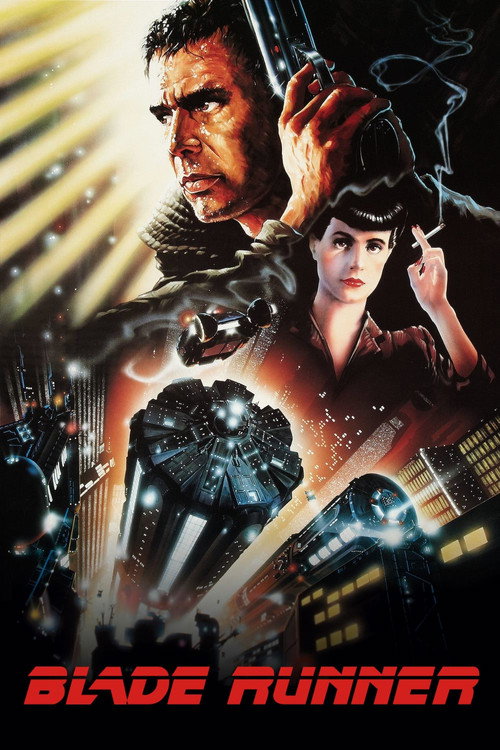
Blade Runner1982
The direct descendant — Ridley Scott openly borrowed Metropolis's vertical city, its towers of privilege above a flooded, neon underclass, and gave it a detective's cynicism instead of a prophet's hope.
But Slow, moody, and more interested in atmosphere than plot; if you want answers rather than questions, it will frustrate you.
Snowpiercer2013
Takes Metropolis's spatial logic — literally, the poor at the back, the rich at the front — and turns it into a train hurtling through a frozen apocalypse. Brutal, inventive, angrier than its ancestor.
But The class allegory is delivered with a sledgehammer; subtlety was never the goal here.

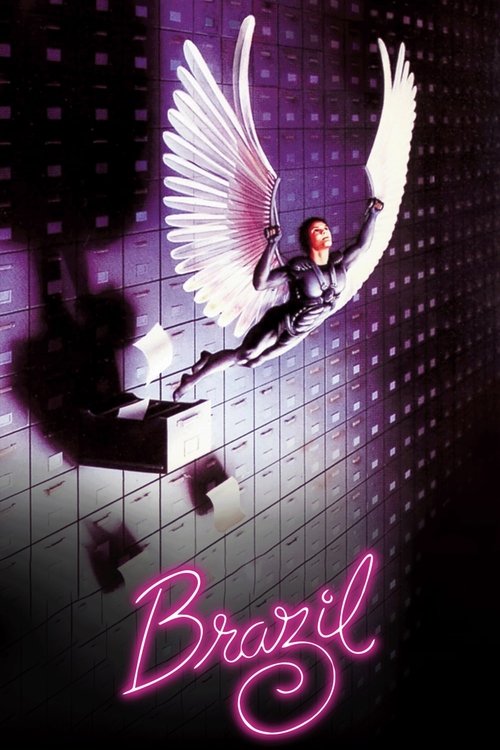
Brazil1985
Terry Gilliam's bureaucratic nightmare shares Metropolis's obsession with machinery swallowing the individual, but swaps sincerity for absurdist British comedy and paranoid dread.
But Deliberately chaotic and overstuffed; some find its manic production design exhausting rather than exhilarating.
The wildcard
Something you would not have found on your own.
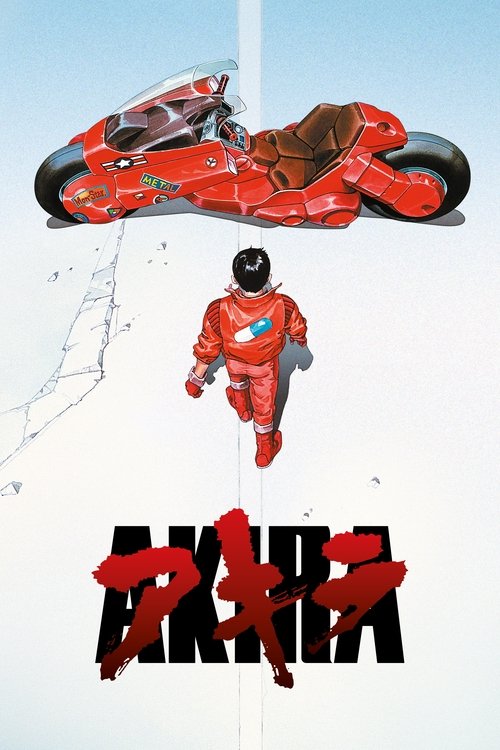
Akira1988
Same DNA — a stratified city, an uprising, a chosen figure who might destroy or save everyone — but animated, Japanese, and forty years angrier.
Japanese animation's answer to Metropolis: a neon megacity, a psychic messiah figure, biker gangs standing in for workers on the edge of revolt, all rendered in astonishingly detailed hand-drawn chaos.
But Dense, violent, and narratively fragmented — it assumes you'll keep up with a plot that doesn't always explain itself.
More like this (8)
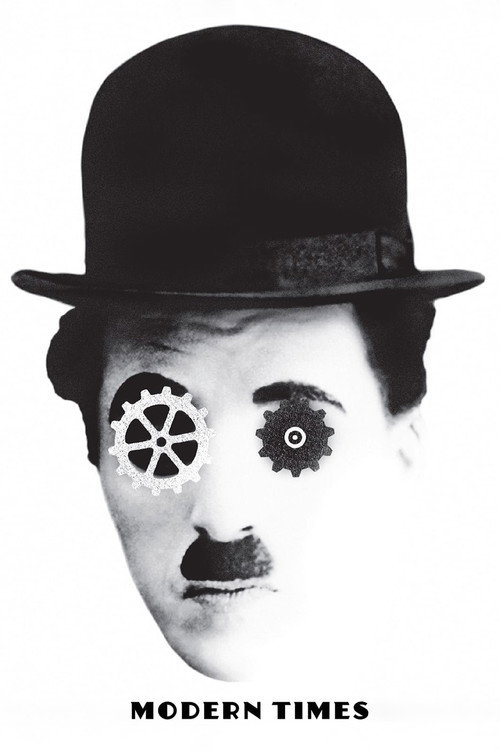
Modern Times1936
Chaplin's factory-line satire is the other great silent-era statement on man versus machine, funnier and gentler than Lang's vision but cutting just as deep about industrial dehumanization.
But It's comedy first, so if you want Metropolis's grandeur and dread, this feels almost too light-footed.
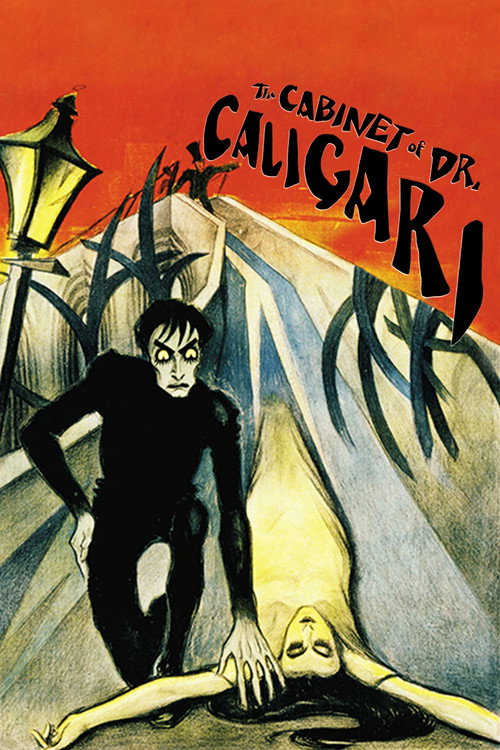
The Cabinet of Dr. Caligari1920
The German Expressionist film that taught Lang how to build a world out of shadow and distortion — jagged sets, sleepwalking figures, a city that looks like a fever dream.
But Even shorter and stranger than Metropolis; the twist ending has become a genre cliché, which dulls its original shock.
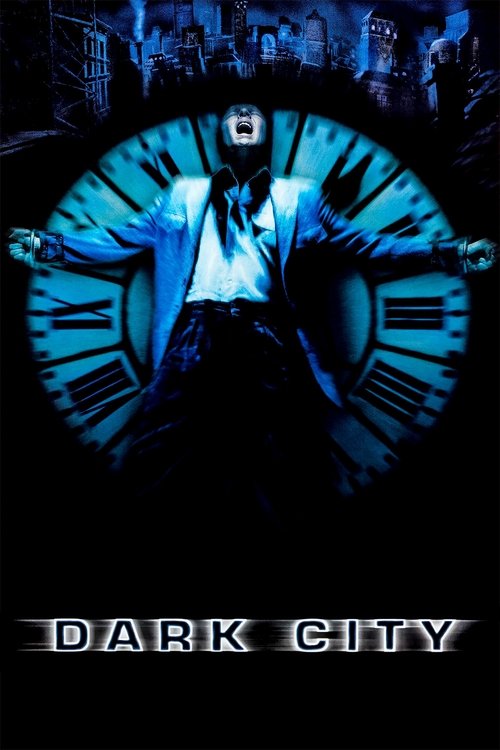
Dark City1998
A noir-sci-fi hybrid that borrows Metropolis's shifting, oppressive cityscape and its themes of memory, control, and hidden architects pulling strings from above.
But Overshadowed at release by The Matrix, which arrived a year later covering similar ground with more style.
Things to Come1936no page yet
H.G. Wells's own utopian rebuttal to Metropolis-style dystopias — vast sets, sweeping decades, an argument that science and reason, not revolution, would save civilization.
But Its politics feel dated and its pacing is stiff by modern standards; admired more than loved.
Nosferatu1922
Another silent German masterpiece from the same expressionist wave, trading class war for vampiric dread, but sharing Metropolis's genius for turning shadow and architecture into pure menace.
But No dialogue, no colour, and a slower rhythm than horror fans used to jump-scares may tolerate.

Sunrise: A Song of Two Humans1927
Released the same year, F.W. Murnau's silent romance shows what German-inflected visual storytelling could do with intimacy instead of spectacle — proof the era's craft wasn't only about scale.
But It's a domestic melodrama, not science fiction; if you came for machines and cityscapes, this won't deliver them.

Harlan County U.S.A.1976
Strips Lang's allegory of its fantasy: this is the underclass uprising Metropolis dramatizes, except it actually happened, filmed as it unfolded.
A documentary about a real Kentucky coal miners' strike, following the human cost of exactly the owner-versus-worker divide Metropolis renders as myth and spectacle.
But No score, no stylised imagery, no catharsis — just handheld footage of poverty, violence, and grinding negotiation.

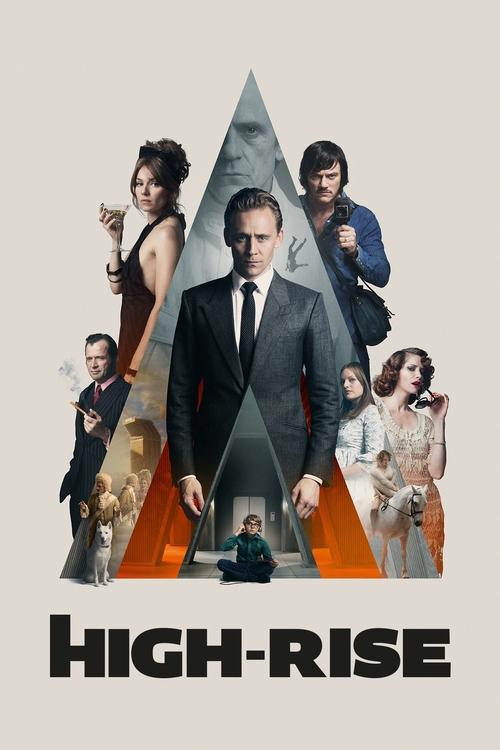
High-Rise2015
The same top-versus-bottom architecture as Metropolis, but compressed into one building and one decade, swapping prophecy for pitch-black satire.
Ben Wheatley's adaptation of J.G. Ballard's novel takes the vertical-city-as-class-metaphor and literalises it inside a single luxury tower descending into savage social collapse, shot with cold, stylish menace.
But Deliberately repellent and morally bleak — it wants to disturb you, not console you, and offers no Metropolis-style redemption.
People
Cast
 Gustav FröhlichFreder Fredersen
 Brigitte HelmMaria / The Machine Man
 Alfred AbelJohann 'Joh' Fredersen
 Rudolf Klein-RoggeC.A. Rotwang
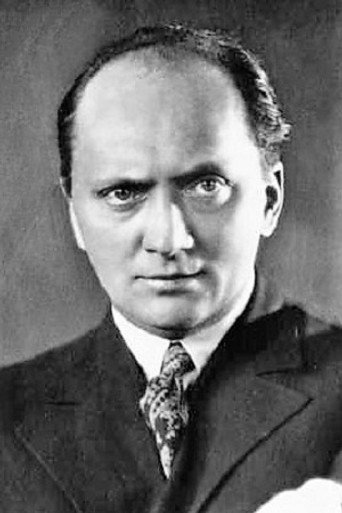 Theodor LoosJosaphat
 Fritz RaspThe Thin Man
- Erwin BiswangerNo. 11811 - Georgy
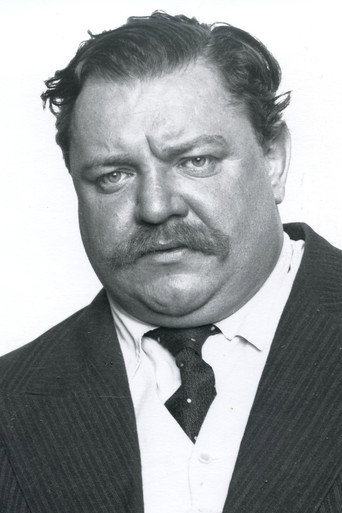 Heinrich GeorgeGrot
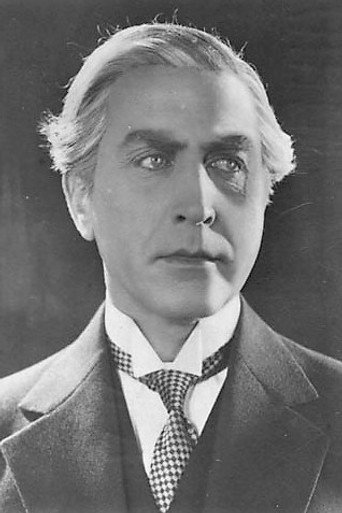 Fritz AlbertiCreative Human - Man Who Convinces Babel (uncredited)
- Grete BergerWorking Woman (uncredited)
- Olly BoeheimWorking Woman (uncredited)
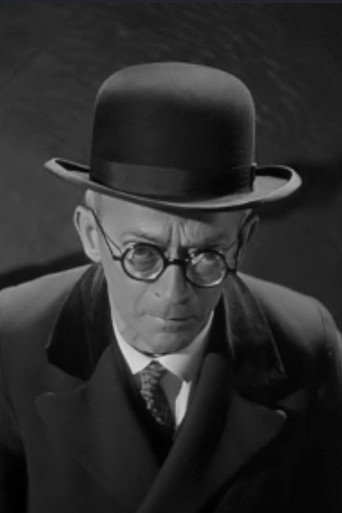 Heinrich GothoMaster of Ceremonies (uncredited)
Directing
- Slatan DudowAssistant Director
- Fritz LangDirector
Writing
- Thea von HarbouNovel
- Fritz LangScreenplay
- Thea von HarbouScreenplay
Production
- Erich PommerProducer
Recommended by
Brazil, The Fifth Element, Snowpiercer, Blade Runner 2049, Blade Runner, Ex Machina, Alphaville, Battleship Potemkin, Jodorowsky's Dune, Elysium, The Man in the White Suit, Castle in the Sky, PlayTime, The Time Machine, In Time, The Cabinet of Dr. Caligari, THX 1138, October (Ten Days that Shook the World), Man with a Movie Camera, A Trip to the Moon, Soylent Green, Arcane: League of Legends, A.I. Artificial Intelligence, Logan's Run, Monsters, Inc., Nineteen Eighty-Four, The Golem: How He Came into the World, Antz