
Film
The Mysterious Island
A 1929 silent adventure that plunges into an impossible underwater world of mechanical marvels and alien creatures. Lavish set design and earnest drama collide with genuine strangeness—it's Jules Verne filtered through German Expressionism. For anyone curious how early cinema imagined the fantastic, or who loves steampunk aesthetics before the term existed.
Should you watch it?
Watch it if you enjoy early-talkie adventures where the sheer strangeness of an undersea world matters more than polish, and you don't mind creaky effects if the imagination is generous.
Skip it if you need brisk pacing and modern effects, because this runs slow in its setup, its dialogue plays stagey, and the creature work looks dated by today's standards.
What it asks of you: Ninety-five minutes of unhurried, old-fashioned storytelling that builds in stages, with stage-bound performances and a patience for scenic wonder over rapid cutting.
Not sure? Find tonight's pick in a minute.
If you liked this
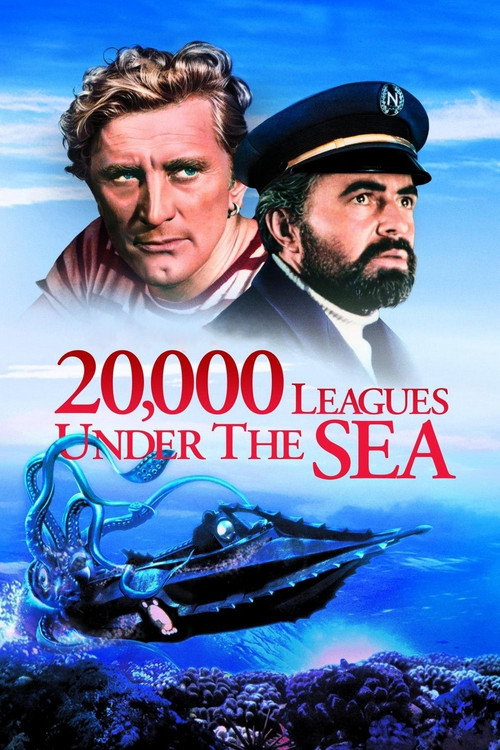
20,000 Leagues Under the Sea1954
Kirk Douglas and James Mason battle aboard the Nautilus in this Technicolor spectacle that realizes Verne's submarine romance with style, mystery, and real underwater photography that still astounds.
But It's a straightforward adventure-thriller without the deliberate strangeness that makes The Mysterious Island fascinating. Comfortable where the original is genuinely odd.
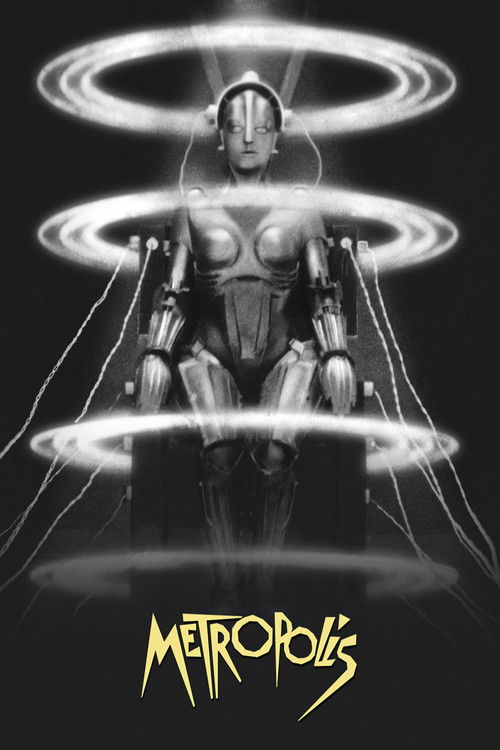
Metropolis1927
Fritz Lang's vision of a future city uses practical effects and architectural ambition to create a world that feels both alien and entirely handmade. Essential silent sci-fi that shares the era's visual language.
But It's nearly three hours of social parable, and the pacing won't match modern expectations. Some prints are incomplete or heavily restored, affecting the experience.
Nosferatu1922
German Expressionist horror that proves silent cinema could generate genuine dread through composition, shadow, and performance alone. Influences everything that followed, including modern creature design.
But It's monochromatic, slow by contemporary standards, and the vampire itself might register as quaint rather than frightening depending on what you've already seen.

Not sure tonight? Get a pick in a minute, starting from The Mysterious Island
The wildcard
Something you would not have found on your own.
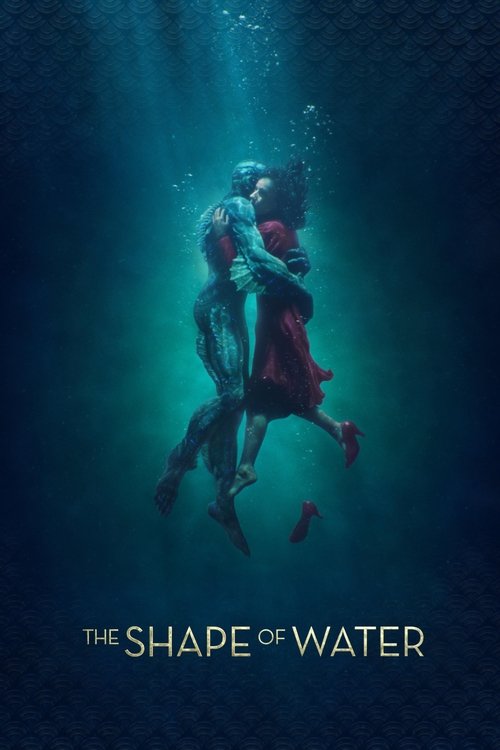
The Shape of Water2017
Both pit humanistic heroes against militaristic villains in lavish underwater/creature-filled worlds, and both treat their impossible inhabitants as tragic figures rather than simple monsters. Same moral universe, ninety years apart.
Guillermo del Toro's creature-romance that directly channels the feeling of classic Universal monster films and golden-age fantasy. A love letter to practical creature design and practical effects cinema itself. Gorgeous, strange, utterly alive.
But It's deliberately nostalgic and its romance between woman and amphibious creature will feel absurd if you're not willing to meet the film's emotional logic. Heavy-handed at moments.
More like this (8)
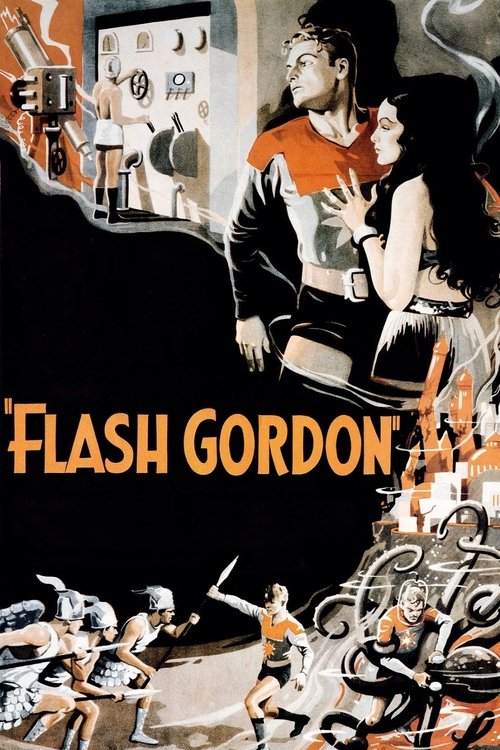
Flash Gordon1936
Garish, campy, utterly committed serials that embrace the ridiculous while spending real money on miniatures and sets. Peak pulp adventure, wildly entertaining in its earnestness.
But The acting is broad, the science is nonsense, and it's deliberately silly in ways that don't always land. Requires you to meet it on its own terms.
The Phantom Carriage1921
Swedish silent masterpiece about ghosts and redemption that matches visual innovation with emotional depth. If you want to understand what cinema could do in its infancy, this is it.
But It's a ghost story more interested in morality than spectacle. Slow, meditative, and completely devoid of action or heroics. Demands patience.

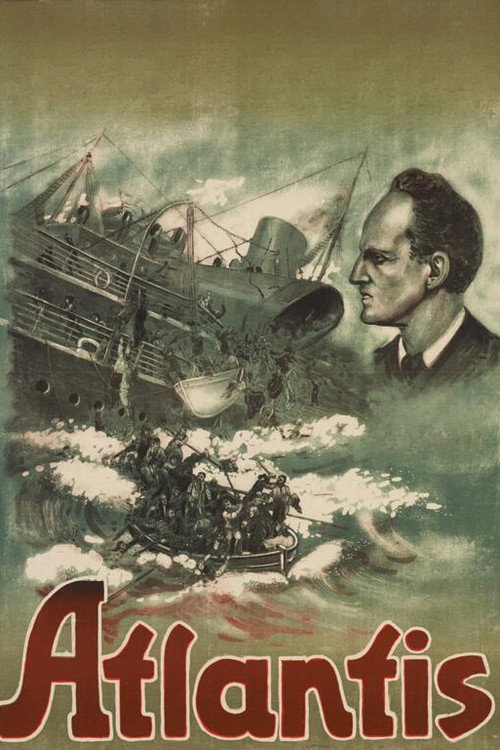
Atlantis1913
A lost-civilization epic that predates most submarine and disaster film conventions. Ambitious, strange, and genuinely difficult to find—but pivotal in showing what early cinema tried to accomplish.
But It's fragmentary, barely survives, and restoration copies vary wildly in quality. Watching it feels more like archaeology than entertainment.
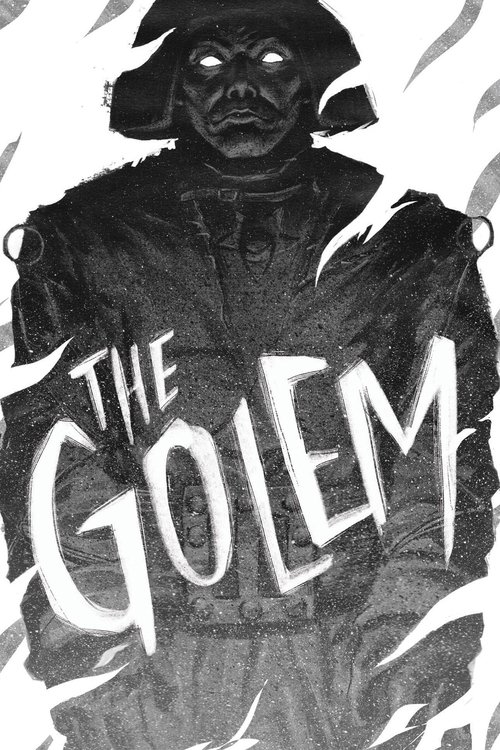
The Golem: How He Came into the World1920
Czech-German production about an animated clay creature defending a medieval city. Practical effects, architecture, shadow work—the DNA of creature design and practical horror.
But It moves glacially and its narrative barely exists. The creature appears late and infrequently. Beautiful to look at but not plot-driven.
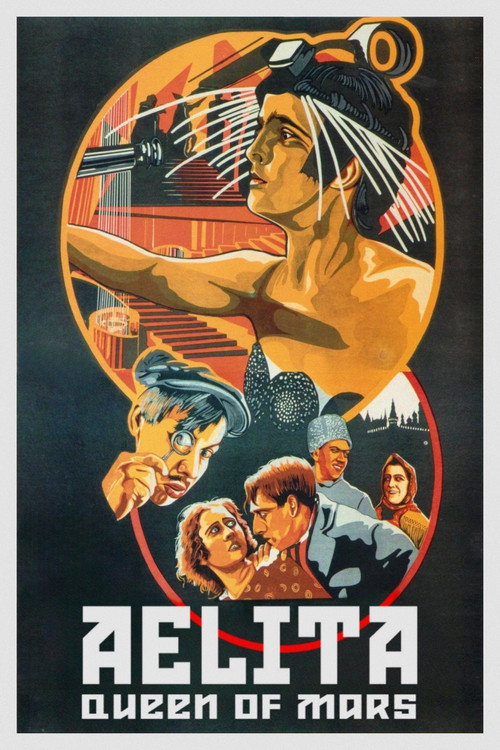
Aelita: Queen of Mars1924
Soviet sci-fi about a Mars expedition that mixes social critique with genuine visual invention. Constructivist set design, experimental editing, and ideas that feel centuries ahead of its time.
But It's politically didactic in ways that feel dated, and the narrative is thin. Purely a visual experience, and not everyone values that alone.
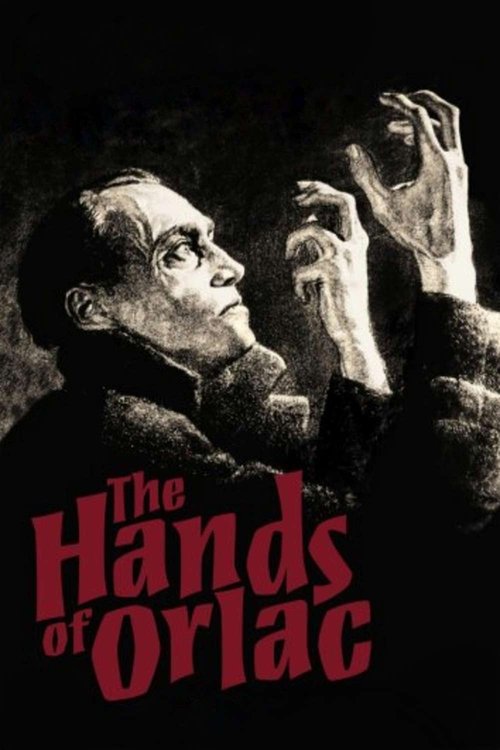
The Hands of Orlac1924
A pianist receives a dead man's hands in this Expressionist psychological thriller. Excellent central performance and visual storytelling that prefigures body-horror as a genre entirely.
But The plot becomes increasingly implausible, the pacing drags in the middle act, and it relies on conventions that have been done better since.
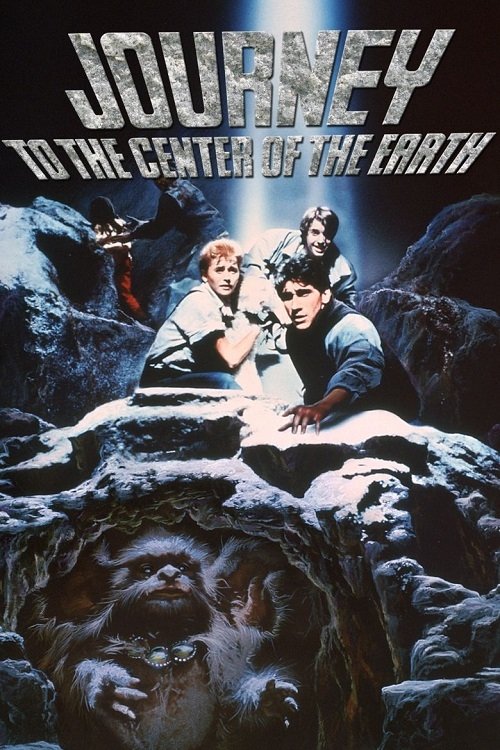
Journey to the Center of the Earth1988
Both are direct Verne adaptations that prioritize the journey and discovery over plot coherence, using practical production design to create tactile impossible worlds. Both oddly sincere about their weirdness.
Hallmark miniseries that actually commits to Verne adaptation with practical sets, genuine adventure spirit, and actors who treat impossible premises seriously. Forgotten gem that captures childlike wonder without condescension.
But It's earnestly 1989 in all its soft-focus glory, the acting is uneven, and it takes forever to get anywhere. Miniseries pacing tests modern patience.
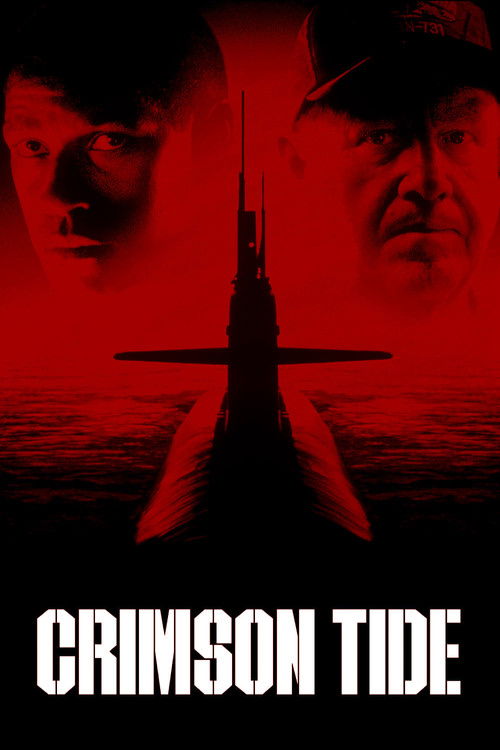
Crimson Tide1995
Both make submarines the central character rather than mere setting, exploring how confined, technological spaces transform human relationships and create moral complexity. The vessel itself becomes the story.
Submarine thriller where the entire conflict happens inside a metal tube—claustrophobic, philosophically rigorous, and entirely character-driven. Watchers and Ridley Scott crafting tension from dialogue and decision-making rather than spectacle.
But It's static, intellectual, and built entirely on interpersonal conflict rather than external action. People who want adventure will find it tedious; people seeking plot will find it repetitive.
People
Cast
 Lionel BarrymoreAndre Dakkar
 Jacqueline GadsdenSonia Dakkar
 Lloyd HughesNikolai Roget
 Montagu LoveFalon
- Montagu LoveMikhail
 Snitz EdwardsAnton
 Gibson GowlandDmitry
- Dolores BrinkmanTeresa
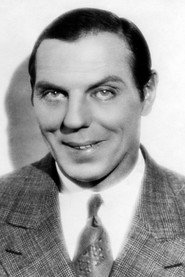 Karl Dane(uncredited)
 Pauline Starke(uncredited)
- Carl RoupUnderwater Creature (uncredited)
 Angelo RossittoUnderwater Creature
Directing
- Benjamin ChristensenDirector
- Lucien HubbardDirector
- Maurice TourneurDirector
Writing
- Jules VerneBook
- Lucien HubbardWriter
Production
- J. Ernest WilliamsonProducer