
Film
Atlantis
A 1913 Danish film about a despondent biologist seeking renewal through travel and chance encounters. Silent cinema at its most romantic and introspective, built on intimate character study rather than spectacle. For those curious about early European drama and how cinema expressed emotional complexity before sound.
If you liked this
Broken Blossoms or The Yellow Man and the Girl1919
Lillian Gish's luminous performance anchors this story of gentle souls damaged by circumstance. Like Atlantis, it finds profound beauty in quietness and the possibility of redemption through connection.
But The racial politics are of their era and deeply uncomfortable. The pacing will test modern patience; nothing happens quickly.

The Phantom Carriage1921
Swedish silent masterpiece about a man given a final chance to reckon with his life. Shares Atlantis's meditation on second chances, regret, and the transformative power of encountering another person.
But Visually striking but narratively bleak in ways that can feel punishing. The supernatural elements may seem overwrought to contemporary viewers.

Sunrise: A Song of Two Humans1927
A man adrift considers abandoning his wife for another woman, then discovers what he actually values. The same emotional terrain as Atlantis—crisis, temptation, the fragility of happiness—executed with breathtaking visual sophistication.
But The score (even newly composed ones) can feel melodramatic. The ending's wholesomeness may strike you as sentimental.

Not sure tonight? Get a pick in a minute, starting from Atlantis
The wildcard
Something you would not have found on your own.
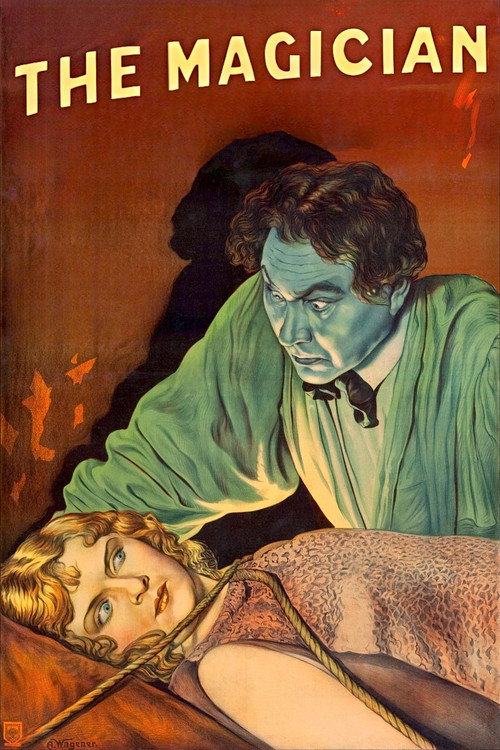
The Magician1926
Both stories center on a man seeking renewal through encounter with a stranger or stranger's promise, and both ask whether escape or transformation is actually possible, or just a fantasy we tell ourselves.
A mysterious hypnotist arrives in a small town promising transformation and renewal—literally selling what Atlantis's hero is seeking. Swedish, visually sumptuous, and far more cynical about whether second chances actually heal anything.
But Deeply pessimistic in a way that can feel like nihilism. The hypnosis sequences are genuinely disorienting and won't be everyone's idea of entertainment.
More like this (8)
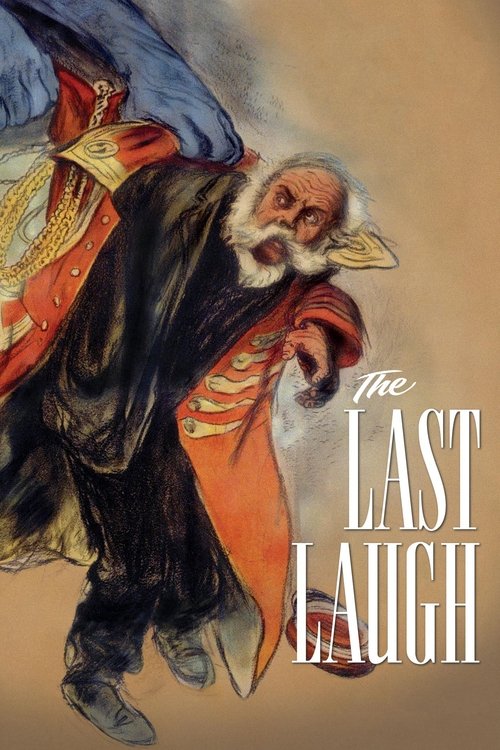
The Last Laugh1924
Emil Jannings as a doorman whose dignity is stripped away, then restored through an unexpected turn. Explores masculine vulnerability and social humiliation with the same tender realism Atlantis brings to personal crisis.
But Jannings's performance is occasionally overwrought by modern standards. The plot hinges on coincidence that strains credibility.
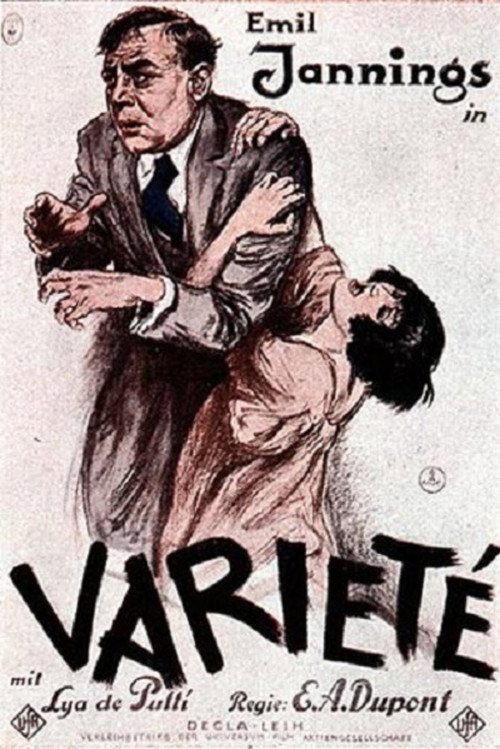
Variety1925
A trapeze artist's marriage fractures when passion enters their lives. Combines romantic entanglement with the psychology of desire the way Atlantis does, wrapped in genuinely dazzling technical innovation.
But The love triangle can feel familiar and predictable. Some of the Berlin cabaret atmosphere hasn't aged well.
The Golem: How He Came into the World1920
A Prague legend about a creature created to protect a city. Despite the supernatural framing, it shares Atlantis's interest in fate, transformation, and whether external forces can truly change us.
But The Expressionist style is mannered and can feel claustrophobic. The plot is thin—mostly atmosphere and visual ideas.

Häxan1922
A Danish documentary-drama hybrid about witchcraft and superstition. Visually inventive and genuinely unsettling. Worth it for the sheer ambition of early Nordic cinema doing something completely its own.
But It's deliberately grotesque and designed to disturb. The 'drama' sequences feel dated in ways the documentary portions don't. Not a comfortable watch.

The Passion of Joan of Arc1928
Renée Jeanne Gallo's face becomes the entire film as Joan faces her judges. A masterclass in how close-ups and performance can convey interiority. Spiritually aligned with Atlantis's belief that cinema can express interior life.
But Relentless intensity without relief. The repetition of interrogation scenes tests patience. Requires genuine emotional investment to justify its length.

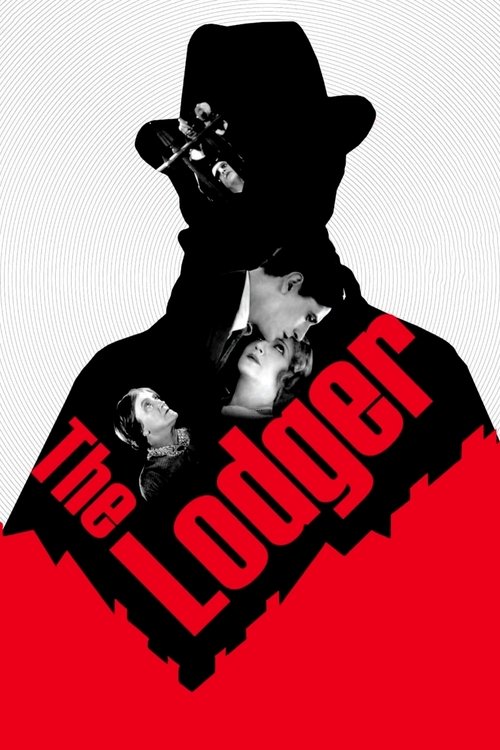
The Lodger: A Story of the London Fog1927
Early Hitchcock exploring suspicion and misunderstanding in close quarters. Tense where Atlantis is contemplative, but both use the confined space of human relationship to explore character.
But The thriller mechanics are more interesting than the characters. The twist is guessable and doesn't satisfy the buildup.
City Girl1930
Both are structured as journeys toward a new life, toward choosing what matters. Both suggest that renewal comes not from exotic travel but from recognizing what's in front of you.
F.W. Murnau's final silent film about a city girl and a farmboy discovering love in rural America. Sound is about to arrive but this is cinema's last gasp of visual poetry. Ravishing, melancholic, completely of its moment.
But The romantic idealization of rural life is complicated by class anxiety in ways that haven't fully aged well. It's a film about contentment, which is not the same as excitement.

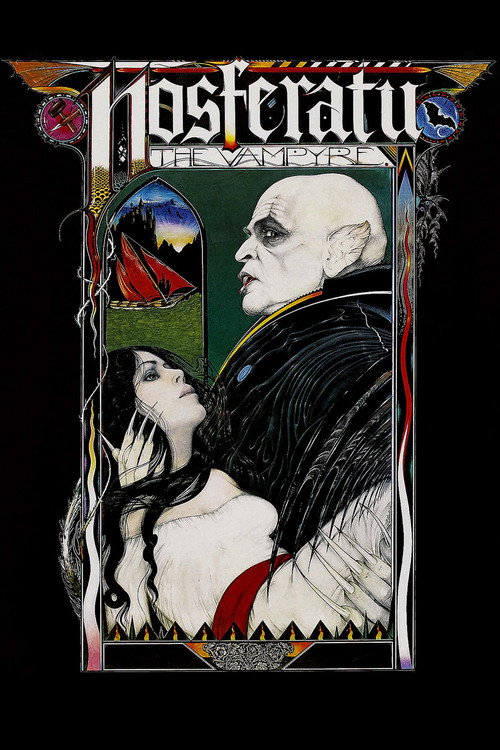
Nosferatu the Vampyre1979
Both pit an alienated, spiritually exhausted protagonist against fate and the question of whether another person can truly save us or whether we're condemned to solitude by nature. Both are fundamentally about the terror of connection and whether it's worth the risk.
Werner Herzog's remake of the 1922 expressionist classic, made 66 years later. Klaus Kinski as a vampire seeking escape from his own curse. Hypnotic, beautifully shot, and deeply melancholic about the impossibility of genuine connection.
But Pacing is glacial even by arthouse standards. It's gothic and strange in a way that can feel pretentious. Much less 'fun' than the original.
People
Cast
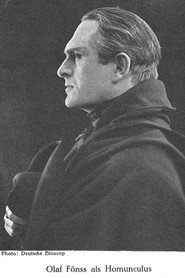 Olaf FønssDr. Friedrich von Kammacher
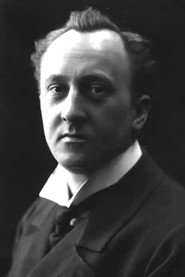 Frederik JacobsenDr. Rasmussen
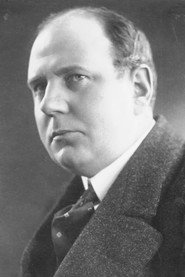 Carl LauritzenDr. Peter Schmidt
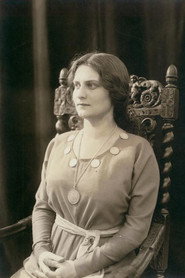 Ida OrloffIngigerd Hahlstrøm – Dancer
 Ebba ThomsenEva Burns – Sculptor
- Charles UnthanArthur Stoss – Artist
 Alma HindingRussian Refugee
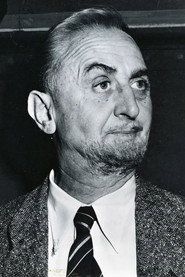 Torben MeyerWilly Snyders
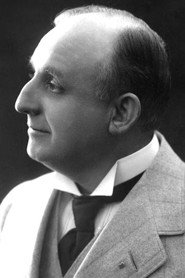 Cajus BruunFriedrich's Father
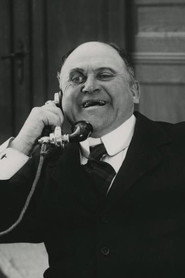 Christian SchrøderIngigerd's Father
- Franz SkondrupStoss' Servant
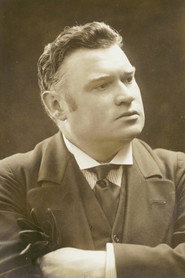 Svend KornbeckCaptain
Directing
- Robert DinesenAssistant Director
- August BlomDirector
Writing
- Gerhart HauptmannNovel
- Axel GardeScreenplay
- Karl Ludwig SchröderScreenplay
Production
- Ole OlsenProducer