
Film
The Magician
Other titles called The Magician: the 1958 film, the 1973 series (NBC).
A 1926 silent horror-fantasy where a woman torn between a manipulative occultist and a devoted surgeon must resist supernatural seduction and dark magic. Visually baroque, genuinely unsettling, steeped in Weimar-era decadence and psychological menace. For anyone hungry for silent cinema that still disturbs, or curious how horror operated before sound effects and jump cuts.
If you liked this
Nosferatu1922
The definitive silent vampire film, equally obsessed with atmosphere and dread. Orlok's presence generates the same magnetic, suffocating malevolence that Haddo exerts—evil as seduction rather than spectacle.
But Silent films move at their own pace, and this one refuses to hurry. If you need plot momentum over mood, it will test your patience.

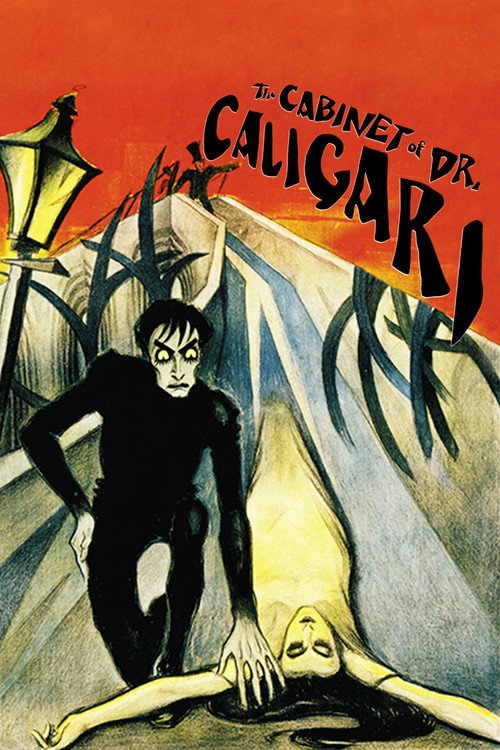
The Cabinet of Dr. Caligari1920
Distorted sets and shadows create psychological horror through pure visual design. Both films pit vulnerable protagonists against charismatic men promising forbidden knowledge, with reality itself becoming unreliable.
But The expressionist style looks more like a fever dream than naturalism. Some find it more interesting than emotionally gripping.
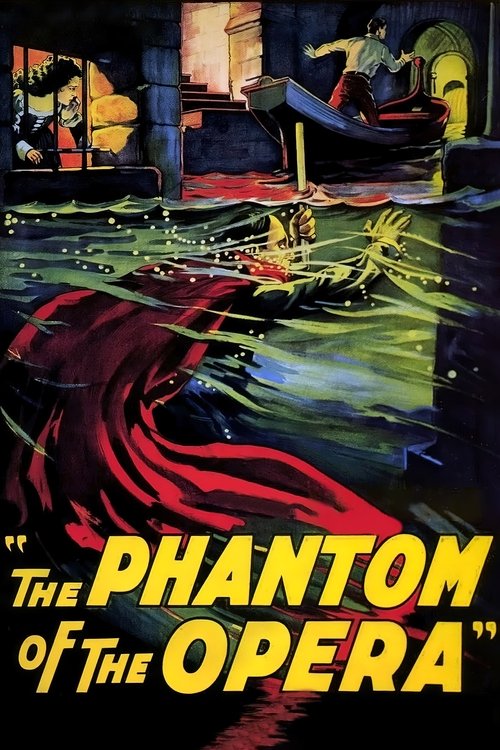
The Phantom of the Opera1925
Lon Chaney's masked composer is another aristocrat of darkness who entrances a young woman. Lavish, Gothic, and genuinely frightening without relying on gore—pure cinema at its most theatrical.
But The middle section drags, and the masquerade ball feels like filler before the real story resumes.
Not sure tonight? Get a pick in a minute, starting from The Magician
The wildcard
Something you would not have found on your own.
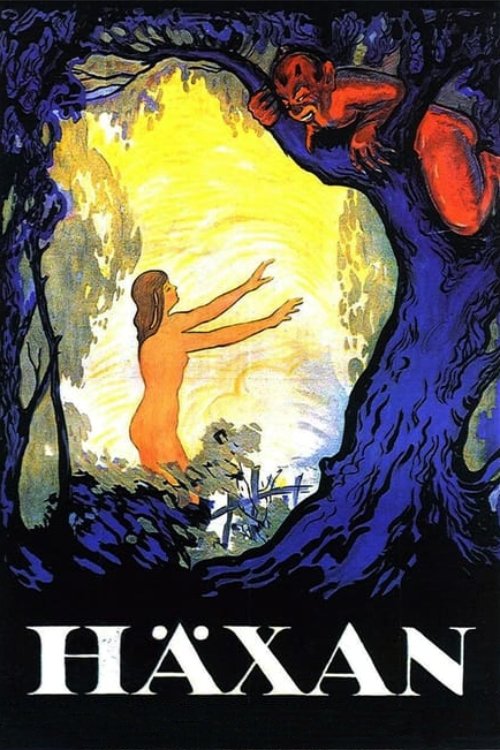
Häxan1922
Both use cinema's visual language to make the invisible (magic, seduction, evil) visceral and real. Both are more interested in evoking a state of mind than telling a straightforward story.
A Swedish documentary-fantasy hybrid about witchcraft across centuries, presented as fever dream rather than academic lecture. Same Weimar-era obsession with the occult, but through a totally different formal lens—part serious history, part grotesque spectacle, entirely hypnotic.
But It's not a narrative film; it's closer to an immersive gallery of nightmares. The mixture of education and surrealism alienates audiences looking for plot or clear genre boundaries.
More like this (7)
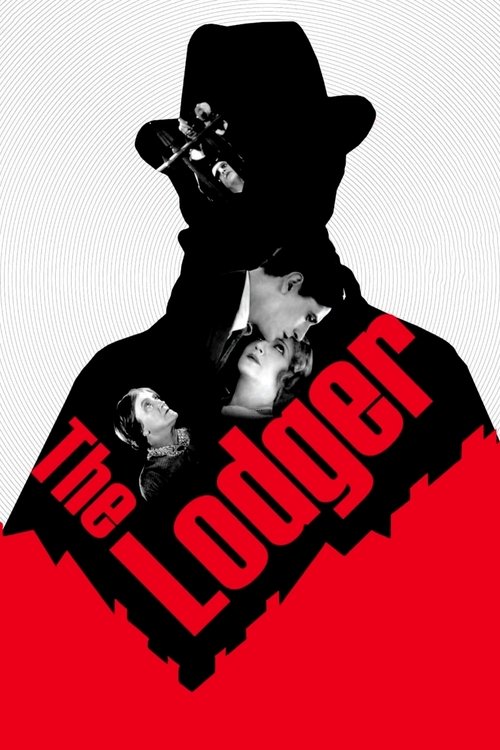
The Lodger: A Story of the London Fog1927
Hitchcock's first film shares the same paranoia about charismatic strangers in the home. Suspicion and ambiguity drive the narrative rather than explicit horror—you're never quite sure what's real.
But It's slower and less sensational than Hitchcock's later work. The resolution may feel anticlimactic if you're expecting a violent climax.
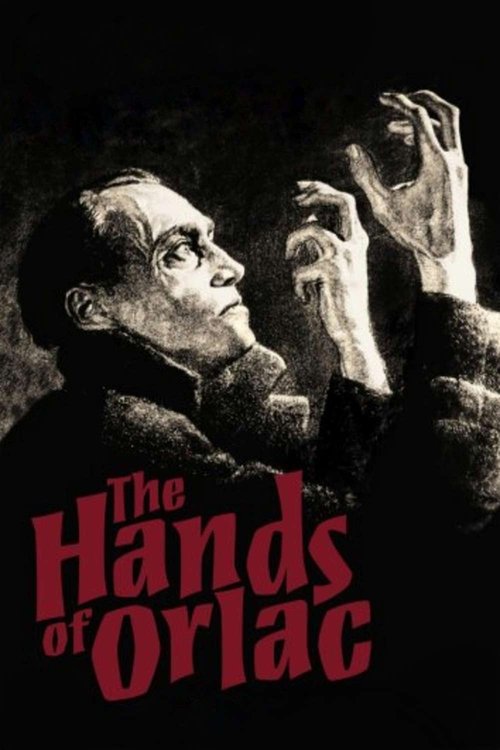
The Hands of Orlac1924
A pianist receives transplanted hands from a executed murderer and fears he's possessed by evil. The same fascination with the body as a site of supernatural invasion, and the same psychological torment.
But The pacing is deliberate to the point of glacial. Long sequences of anguish and doubt may feel repetitive.
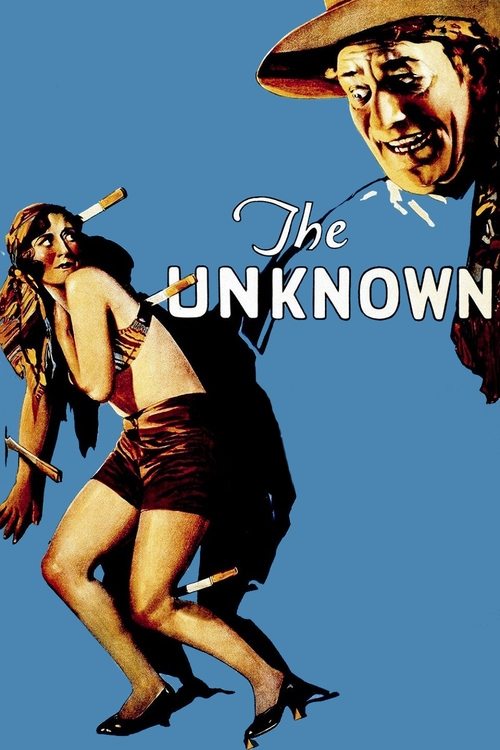
The Unknown1927
Lon Chaney as a circus performer with a secret so dark it corrupts everyone who loves him. Explores how manipulation and deception poison relationships, with a shocking final twist that reframes everything.
But The plot hinges on a detail modern audiences may find dated or uncomfortable. The emotional payoff requires patience through a slow build.
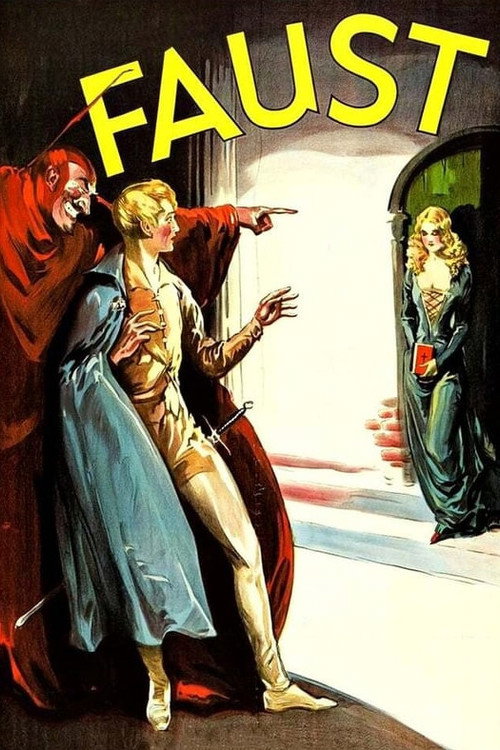
Faust1926
German Expressionist masterpiece about a scholar's deal with the devil. Shares Haddo's seductive evil and the same visual vocabulary of shadows, distortion, and supernatural threat rendered through pure cinema.
But Nearly three hours, almost entirely wordless, and demands active attention. Not a passive viewing experience.
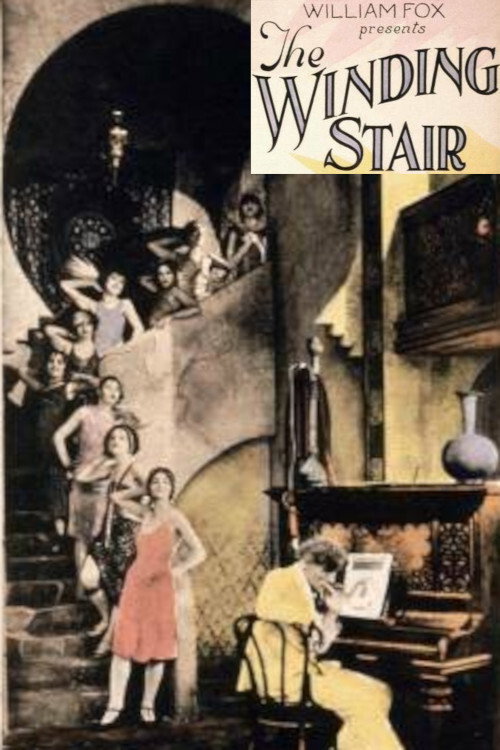
The Winding Stair1925
A woman falls under the spell of a mysterious, aristocratic man who turns out to be her undoing. Intimate and claustrophobic, it captures the same slow-burn dread of psychological manipulation.
But It's obscure for good reasons—emotionally thin and plot-heavy without sufficient payoff. Feels more like an exercise than a fully realized vision.
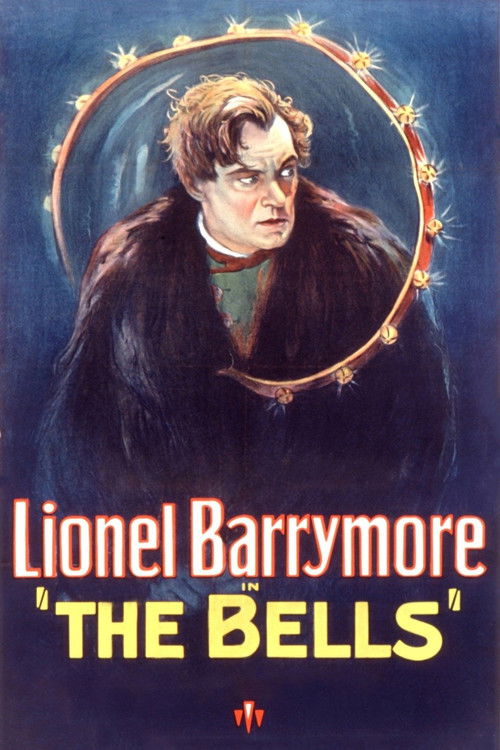
The Bells1926
Lionel Barrymore as a murderer haunted by guilt and illusion. The same interrogation of madness and moral corruption, with hallucinatory sequences that rival The Magician's visual invention.
But Barrymore's performance is enormous and theatrical in a way that can feel ham-handed. The psychological exploration doesn't quite justify the elaborate staging.
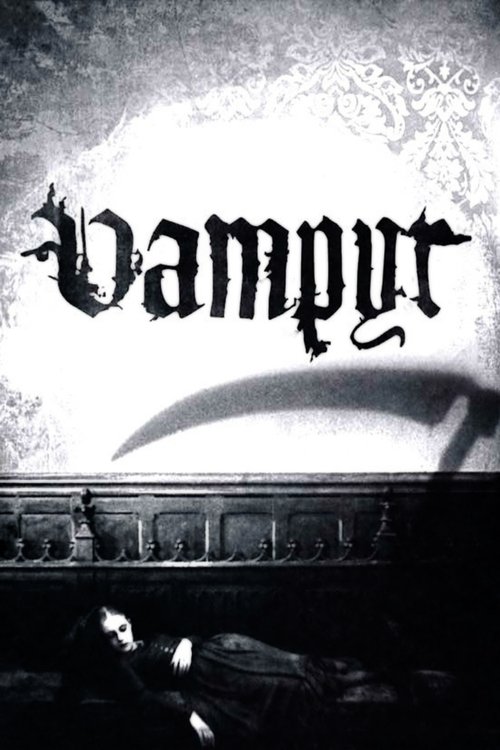
Vampyr1932
Both treat evil as something that seeps into the psyche rather than announces itself. Both use distortion and strangeness not for shock value but to show how perception breaks down when faced with the genuinely occult.
Dreyer's only sound film, made just after silent cinema's decline. A young man stumbles into a village where death and the undead seem almost philosophical—corruption moves slowly, invisibly, through society like a shadow.
But Extremely slow, with minimal dialogue. The horror is abstract and atmospheric rather than concrete. Some find it beautiful; others find it boring.
People
Cast
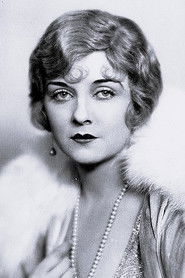 Alice TerryMargaret Dauncey
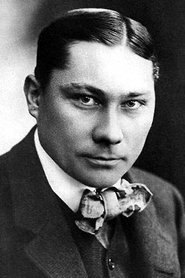 Paul WegenerOliver Haddo
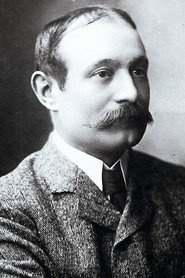 Firmin GémierDr. Porhoët
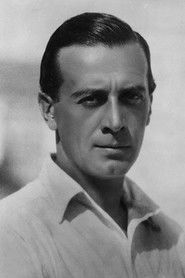 Iván PetrovichDr. Arthur Burdon
- Gladys HamerSusie Boyd
- Henry WilsonHaddo's Servant
- Hubert I. StowittsDancing Faun
- Claude FieldingDancing Faun (uncredited)
- Gerald FieldingDancing Faun (uncredited)
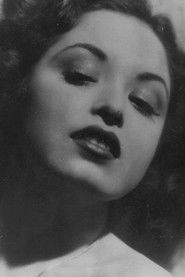 Rosita GarciaYoung Woman Bitten by Snake (uncredited)
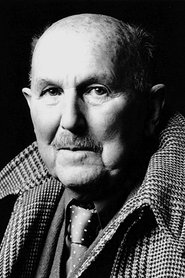 Michael PowellMan with Balloon at Snake Charming (uncredited)
Directing
- Michael PowellAssistant Director
- Rex IngramDirector
Writing
- Rex IngramAdaptation
- W. Somerset MaughamNovel
- Rex IngramScreenplay
Production
- Rex IngramProducer
- Harry LachmanProduction Manager