
Television series
The Magician
Other titles called The Magician: the 1926 film, the 1958 film.
A wrongly imprisoned magician returns to America and uses his escape artistry and illusions to help innocent people trapped by crime and injustice. Bill Bixby plays Anthony Blake with charm and quiet purpose, moving between glitzy stage performances and dangerous vigilante work. It's a 1970s procedural with genuine heart—less about spectacle, more about a man keeping his promise to fix what the system breaks.
Should you watch it?
Watch it if you enjoy a case-of-the-week caper where the hook is a clever trick of hands and misdirection, and a wronged protagonist who uses stagecraft to set things right.
Skip it if you want a slow-burning mystery with a tightly serialized plot, since each hour mostly wraps its own problem in a self-contained package.
What it asks of you: It asks for an hour a week and a tolerance for old-fashioned network pacing: unhurried setups, familiar plot beats, and a lot of watching someone work a room.
Not sure? Find tonight's pick in a minute.
If you liked this
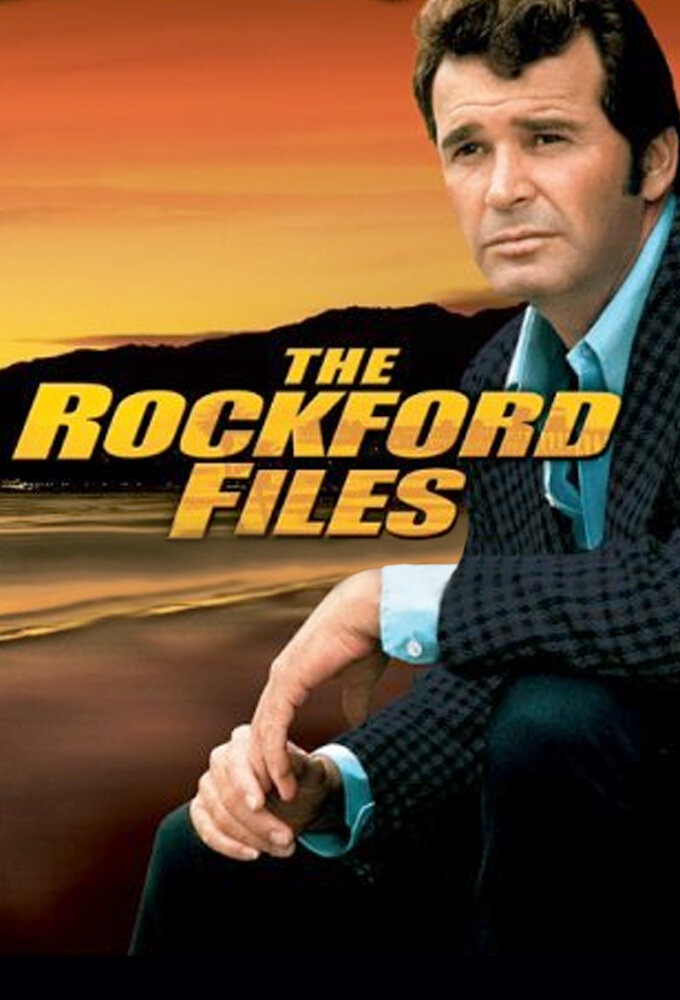
The Rockford Files1974
James Garner's wisecracking private investigator works outside the law to help people the system has abandoned, with the same mix of charm, danger, and resourcefulness that defines Anthony Blake's mission.
But Slower-paced than modern TV, and the cases often meander before they resolve. Some episodes feel padded.
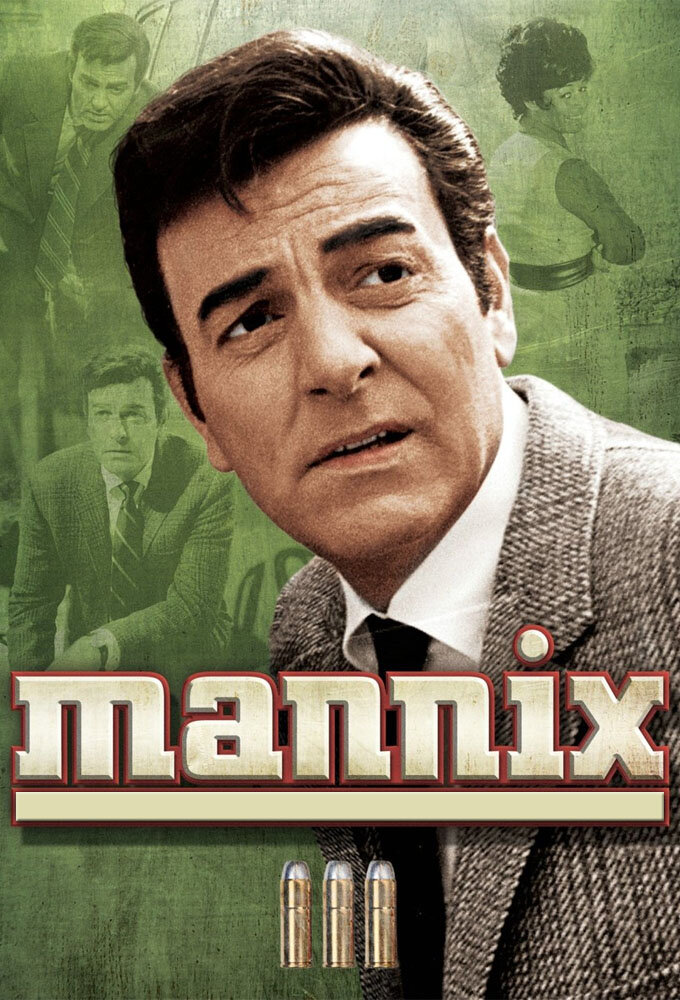
Mannix1967
Joe Mantegna's detective bends rules and uses unconventional methods to protect the innocent. Same 1970s sensibility of the lone operator against institutional indifference.
But Formulaic week-to-week plotting can feel repetitive. The action occasionally tips into melodrama.
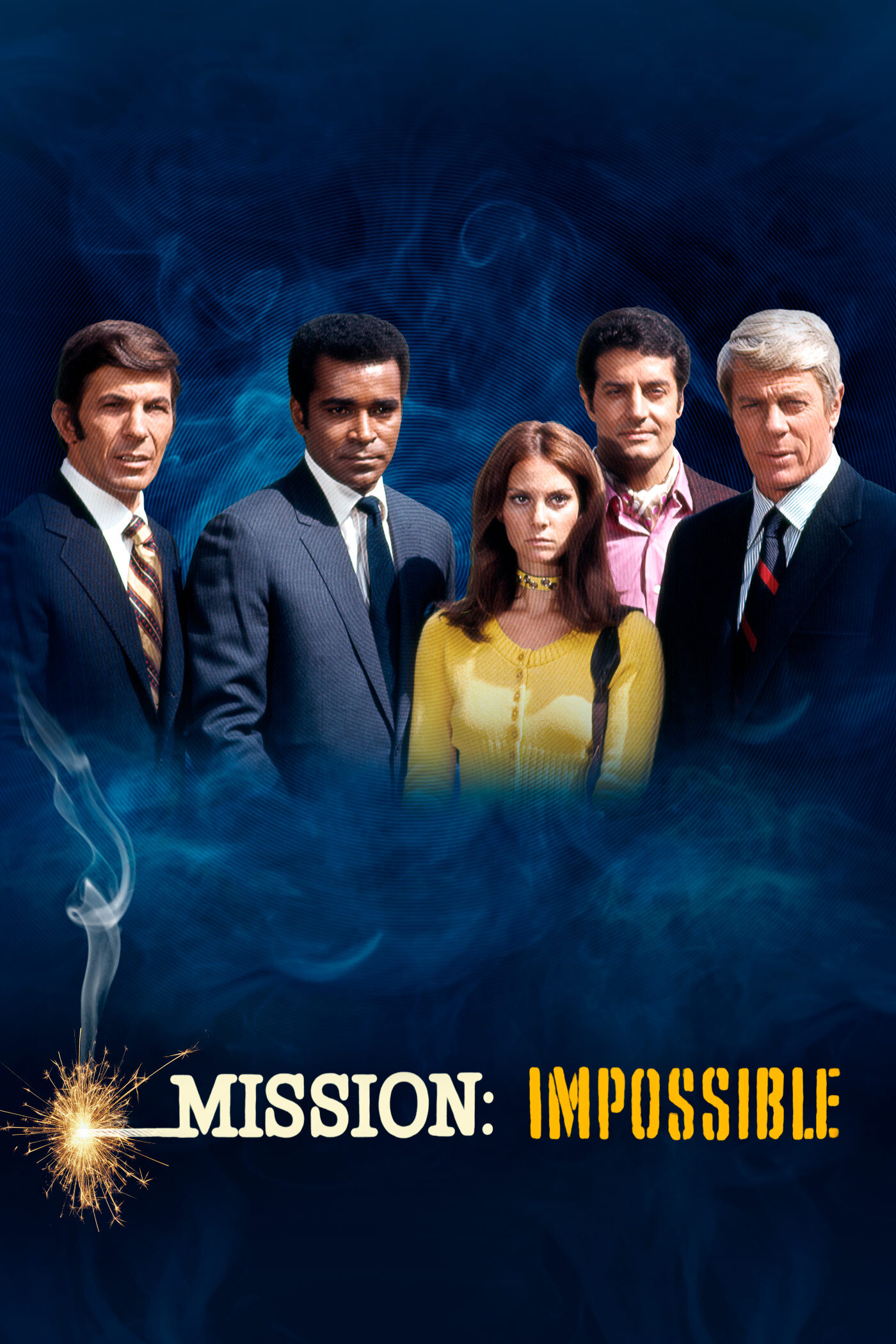
Mission: Impossible1966
Teams of specialists use elaborate planning, disguises, and technical cunning to outmaneuver criminals and corrupt officials. The same satisfaction of watching clever people execute impossible rescues.
But Long exposition sequences set up each mission. Some episodes rely too heavily on coincidence to resolve.
Not sure tonight? Get a pick in a minute, starting from The Magician
The wildcard
Something you would not have found on your own.
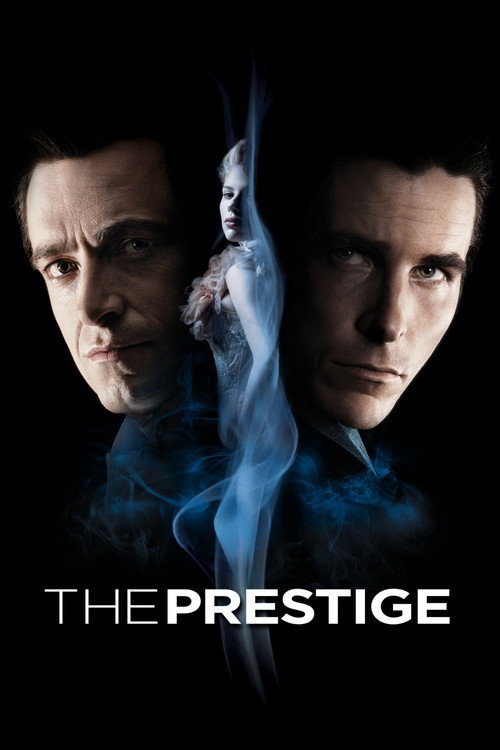
The Prestige2006
Both treat magic not as entertainment but as a serious practice—a discipline rooted in psychology, physics, and the manipulation of perception. For both Anthony Blake and the film's protagonists, the illusion is the point, not the spectacle.
Two stage magicians engaged in an escalating competition explore obsession, sacrifice, and the cost of creating the perfect illusion. Nolan's exploration of how magic works—the preparation, the misdirection, the reward—mirrors Anthony Blake's use of illusion as a tool for justice.
But The plot is deliberately complex and demands attention. Some viewers feel manipulated by the film's own misdirection, which can feel like a cheat rather than clever.
More like this (8)
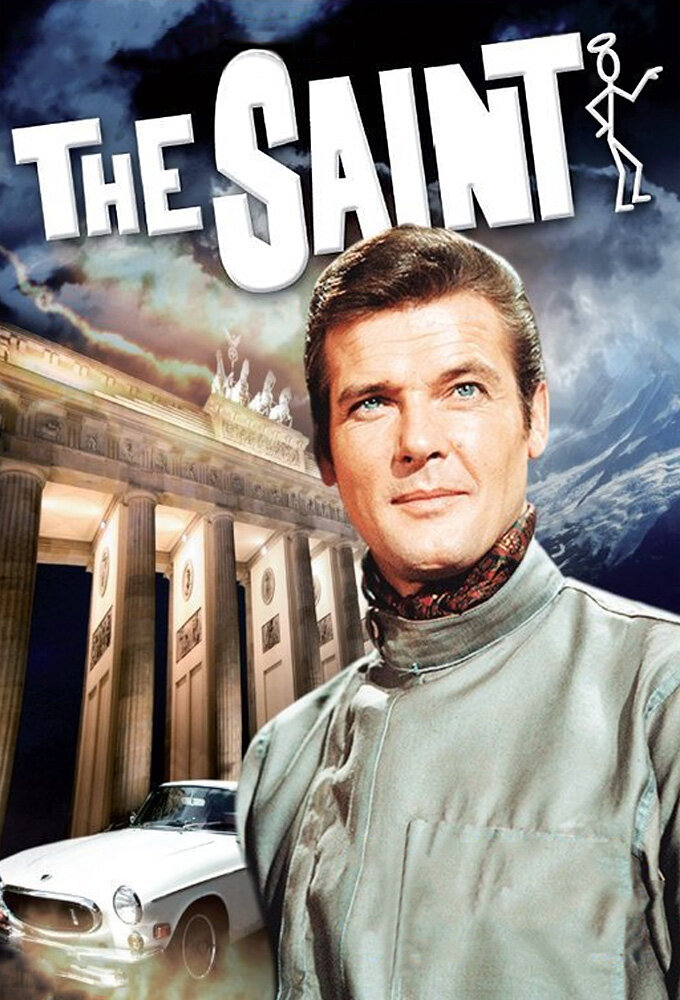
The Saint1962
Roger Moore's Simon Templar is a charming rogue who helps innocent people while staying ahead of the law. That same blend of style, danger, and Robin Hood morality.
But Lighter in tone than The Magician—sometimes veers toward camp. Episodic plotting means no real stakes carry over.
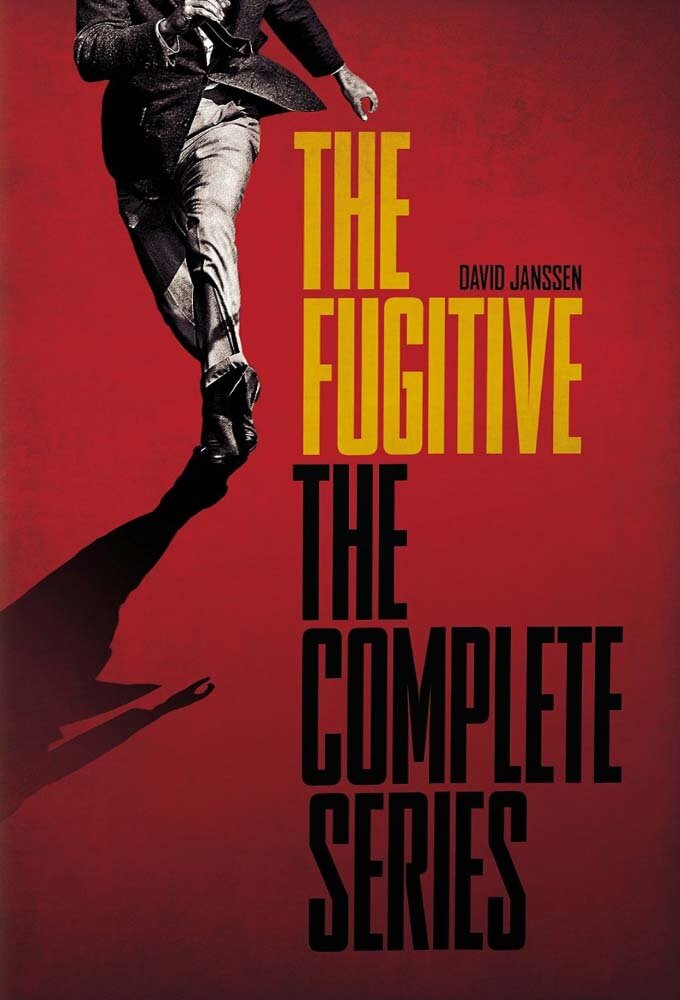
The Fugitive1963
Richard Kimble is hunted while fighting injustice and helping strangers. The central engine is identical: a skilled man on the run, using his wits to protect others, never quite safe.
But More grim and paranoid than The Magician. Slower build, especially in early seasons. The repetition of the formula becomes apparent by season three.
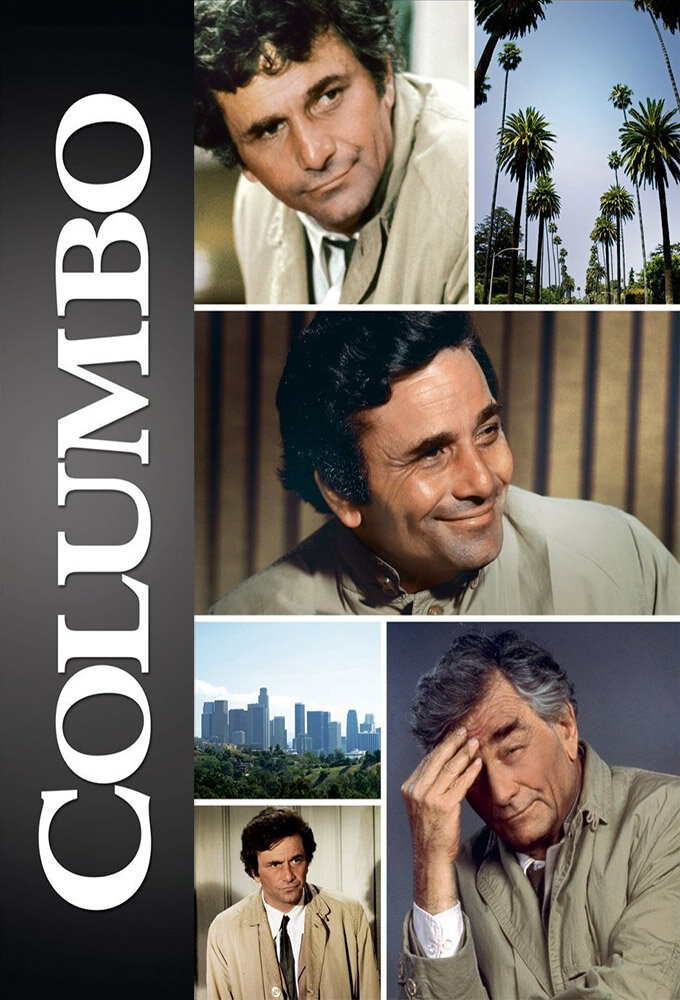
Columbo1968
Peter Falk's detective uses intelligence and persistence rather than brute force to catch killers. Same 1970s craft-focused approach to solving crime, with genuine warmth beneath the procedural.
But The format is rigid: you know the killer from the start, so mystery gives way to waiting for Columbo to catch up. Pacing can drag.
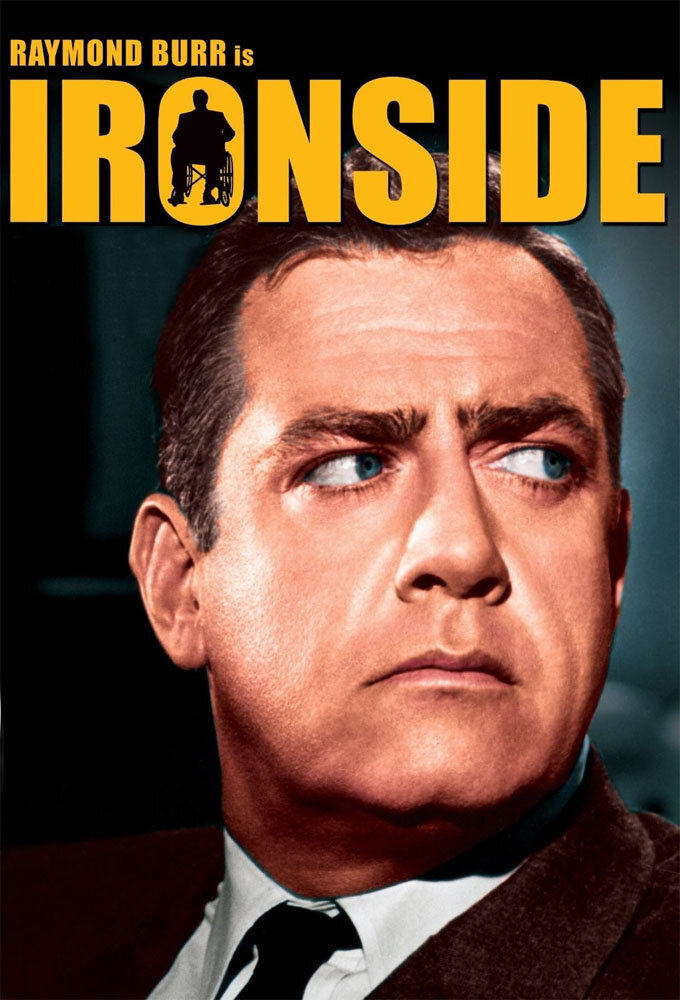
Ironside1967
Raymond Burr plays a wheelchair-bound detective solving crimes through intellect and determination. That same spirit of turning limitation into advantage and using the mind as your primary weapon.
But Sentimental streak about disability that hasn't aged well. Some episodes feel preachy about social issues.
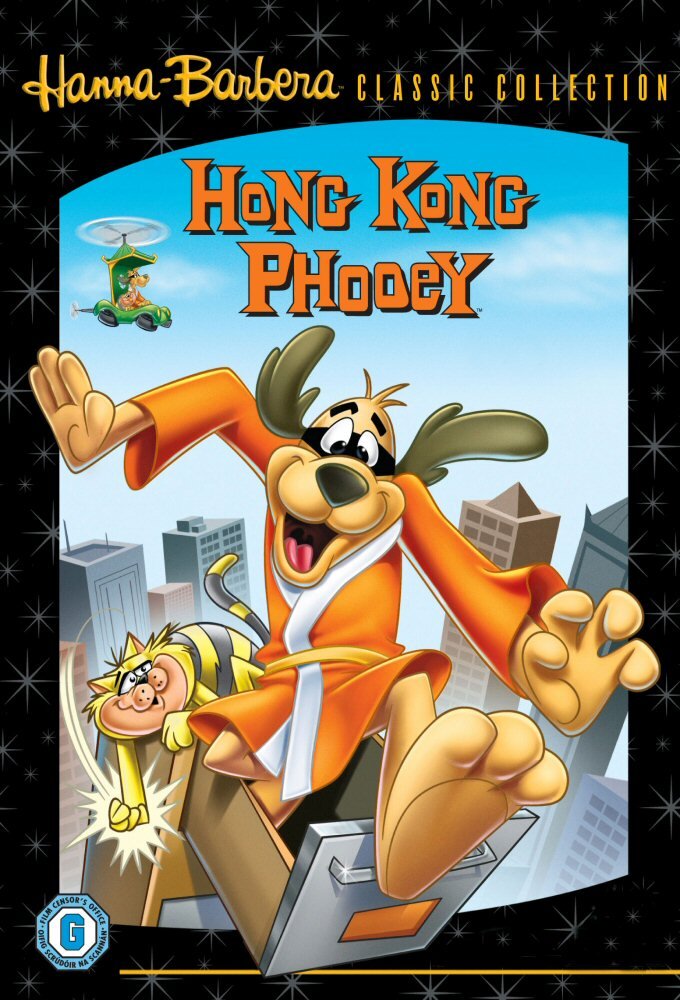
Hong Kong Phooey1974
Rod Taylor's American in Hong Kong helps people caught in dangerous international situations using wits and resourcefulness rather than authority. Same lone operator against larger forces.
But Obscure series with production values that feel cheap even for the era. Finding all episodes is difficult.
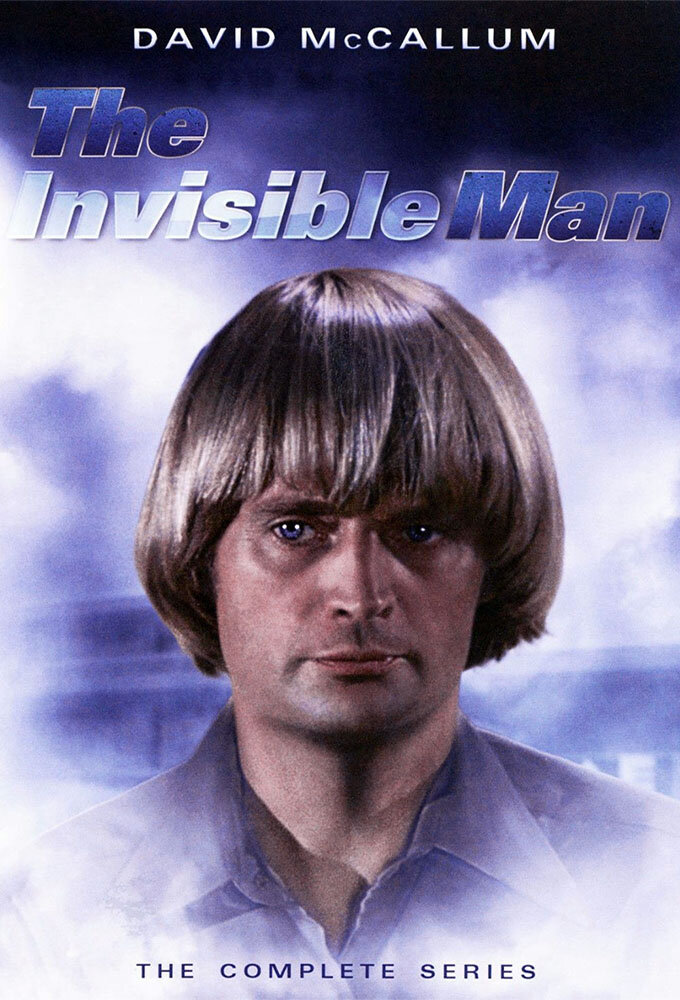
The Invisible Man1975
A scientist uses his invisibility to help people and pursue justice outside normal channels. That same theme of using an unusual skill to fight for the powerless.
But The gimmick quickly wears thin. Heavy-handed moral lessons. The writing doesn't match the premise's potential.
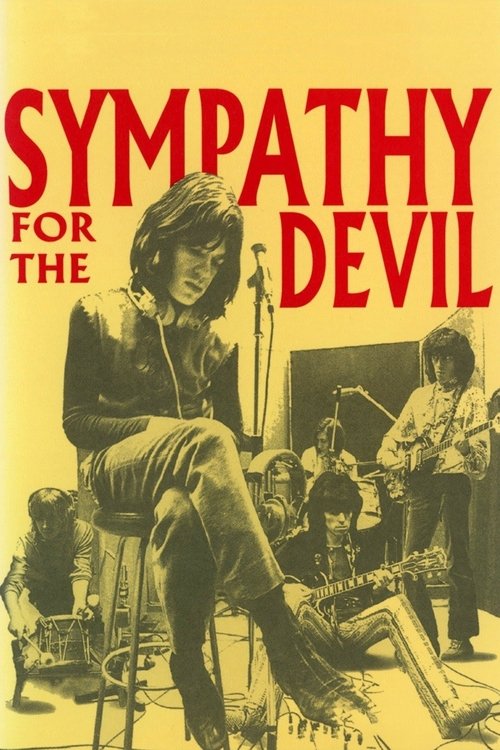
Sympathy for the Devil1968
Both are fascinated by performance as a mask and as truth. Both ask what happens when someone uses their public image—Anthony Blake's touring magician persona—as cover for a different agenda underneath. Both understand that what an audience sees is never the whole picture.
Jean-Luc Godard's experimental film follows the Rolling Stones recording while interviewing figures playing versions of historical oppressors and rebels. A radical 1968 interrogation of power, performance, and the gap between public persona and private truth.
But Structurally chaotic and deliberately difficult. Godard's politicism is heavy-handed. There is almost no traditional narrative. Most viewers find it exhausting.
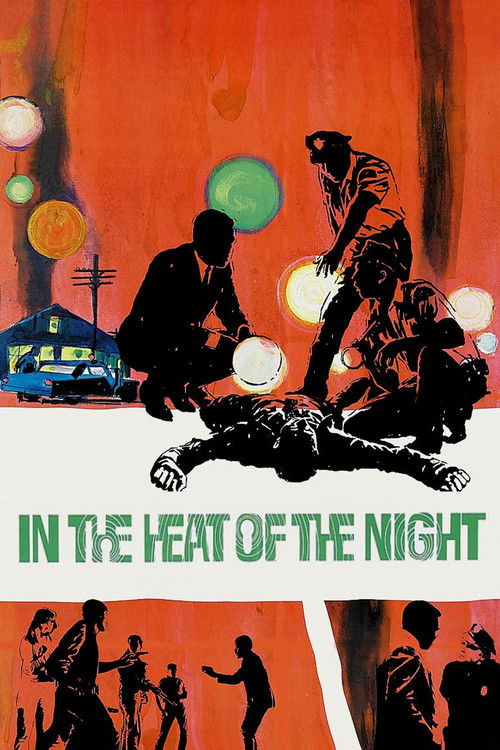
In the Heat of the Night1967
Both are about a skilled outsider forced to navigate a broken system, solving problems through intellect while remaining fundamentally apart from the establishment. Both understand that injustice is structural, and that one person's integrity, however brilliant, can only chip away at it.
Sidney Poitier's Philadelphia detective works within a racist Southern system, using intelligence and moral clarity to solve a murder while exposing corruption. Same 1970s faith in individual competence as a tool against institutional failure.
But The social commentary, while powerful, is sometimes direct to the point of obviousness. The cat-and-mouse with the local police chief can feel staged rather than organic.
People
Cast
Writing
- Bruce LansburyCreator