
Television series
H.R. Pufnstuf
- Fairy tale
- Action
- Strange
A psychedelic children's adventure from 1969 where a boy and his magical golden flute find refuge on Living Island, a surreal realm of talking animals and anthropomorphic plants. H.R. Pufnstuf—a benevolent dragon mayor—protects them from the scheming witch Witchiepoo. Wildly imaginative, genuinely weird, and utterly sincere in its strangeness.
Should you watch it?
Watch it if you love Saturday-morning oddness played completely straight, where talking objects and a villain with a hungry grudge are treated as ordinary business for everyone involved.
Skip it if you want a story that moves; episodes circle the same chase, and the sing-along logic and bright, repetitive pacing can wear thin past a few sittings.
What it asks of you: Each episode runs about half an hour, so the commitment is light, but you'll need patience with a slow, sun-bright tempo and a plot that loops back on itself.
Not sure? Find tonight's pick in a minute.
If you liked this
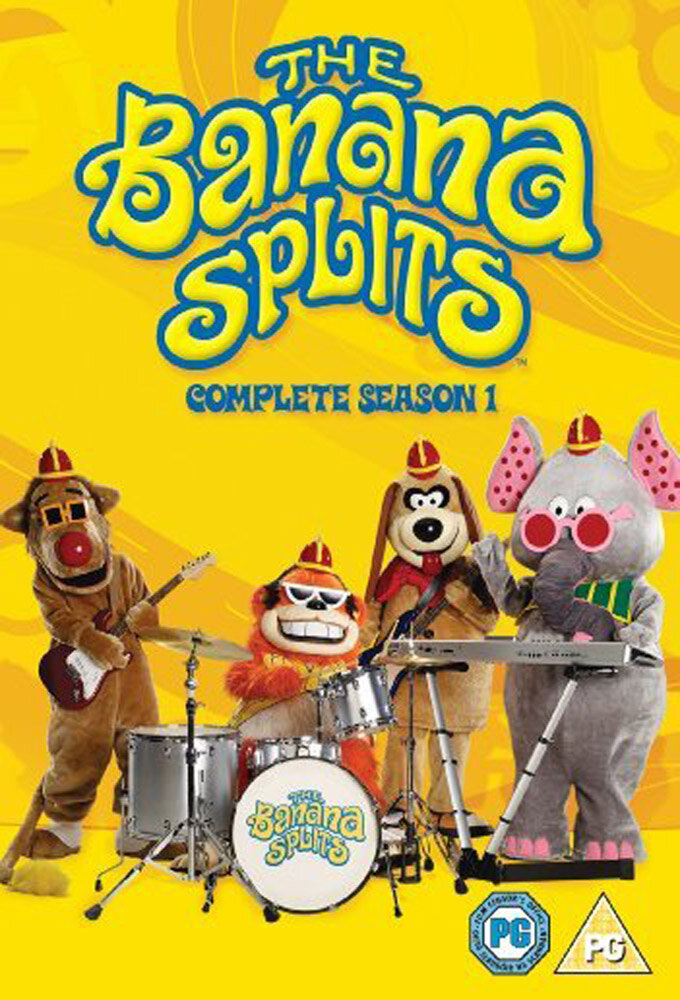
The Banana Splits Adventure Hour1968
Vibrant, anarchic variety show with the same groovy spirit and practical creature design. Features genuinely funny skits, bizarre songs, and a universe that feels expansive and lived-in despite its artificiality.
But The variety format means tone whiplash between segments. Some sketches land better than others, and the pacing can feel scattered to modern viewers.
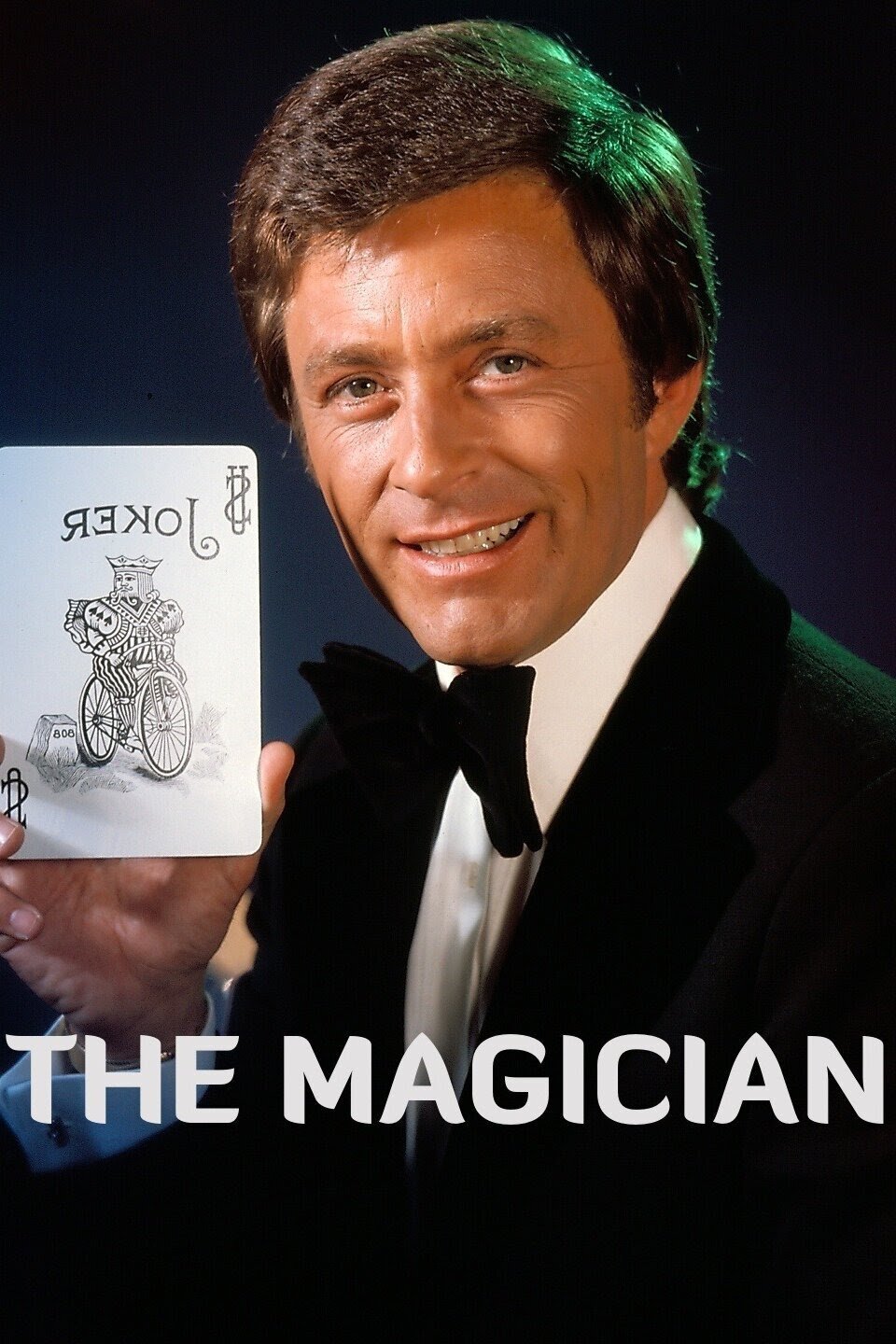
The Magician1973
Bill Bixby as a traveling illusionist solving crimes. Same era, same practical effects, same commitment to wonder. Genuinely clever mysteries wrapped in seventies glamour and real stagecraft.
But It's aimed at adults, not children, so the pacing is slower. The magic tricks, while impressive, are explained—which removes some of the mystery.
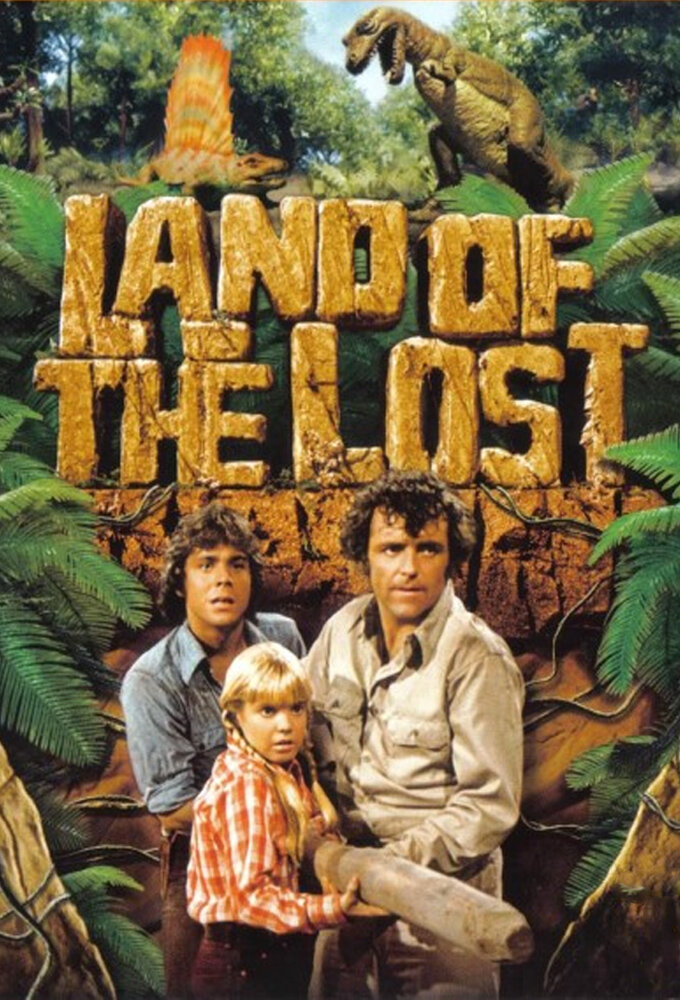
Land of the Lost1974
A family trapped in a parallel dimension with dinosaurs and lizard people. Krofft production with higher stakes, genuine peril, and surprisingly thoughtful science-fiction ideas beneath the colorful costumes.
But The dinosaur effects are unconvincing even by 1974 standards. Some episodes feel padded, and the tone can't quite decide between adventure and comedy.
Not sure tonight? Get a pick in a minute, starting from H.R. Pufnstuf
The wildcard
Something you would not have found on your own.
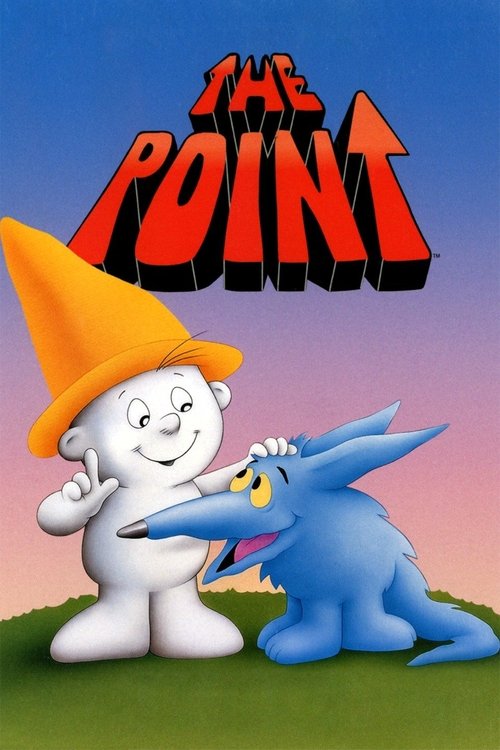
The Point1971
Both use impossible worlds and animal companions to explore what it means to belong when you're fundamentally different. Both trust that children understand metaphor.
Animated feature about a boy with a pointed head in a pointless society. Harry Nilsson's score and animation that's genuinely experimental. Same era, same sense of benign surrealism, but rendered entirely through animation.
But The philosophical framing can feel heavy-handed. It's shorter and more abstract than H.R. Pufnstuf, which some will find precious rather than magical.
More like this (5)
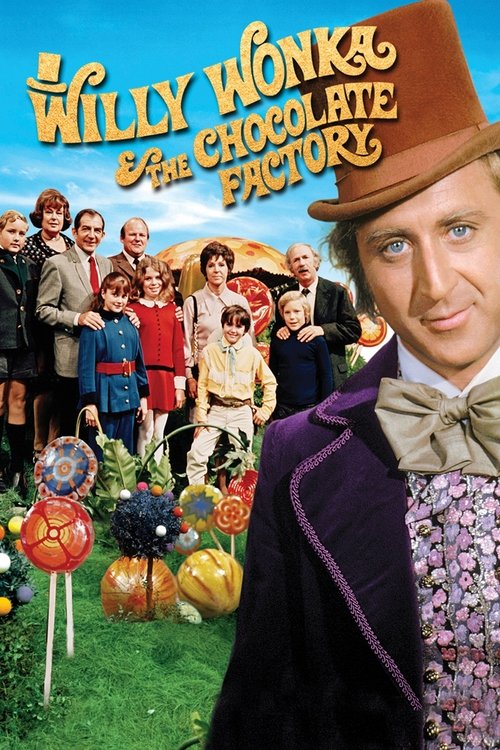
Willy Wonka & the Chocolate Factory1971
Gene Wilder in a world of practical wonder and genuine menace. Same golden-age-children's-book energy, same commitment to set design as character, same understanding that magic must look slightly uncomfortable.
But Darker than H.R. Pufnstuf in ways that can be genuinely distressing for younger children. The film earns its darkness, but it's there.
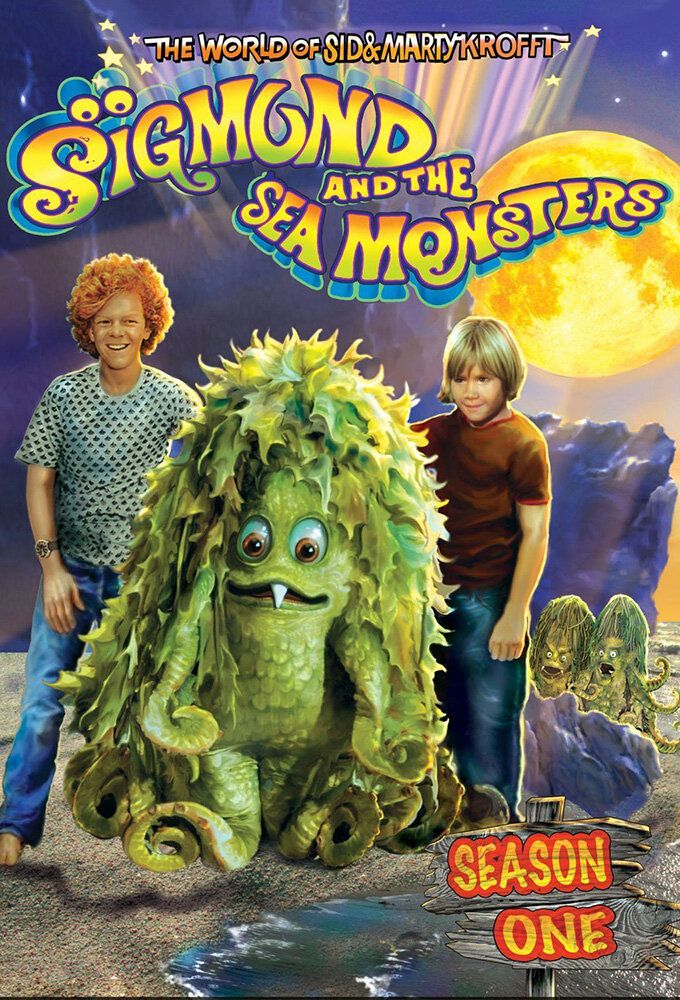
Sigmund and the Sea Monsters1973
Krofft again: two boys befriend a sea creature rejected by his own family. Surprisingly warm, genuinely funny, with creature design that holds up. Heart beneath the strangeness.
But The practical suits show their age. Some episodes rely heavily on slapstick that doesn't age particularly well.
Uncle Croc's Block1975
Hosted by Charles Nelson Reilly in makeup, it's a sketch show with cartoons, practical effects, and that same commitment to being weird for kids without condescension.
But Sketch shows live or die by their best bits. When it misses, it misses badly. Very uneven episode to episode.
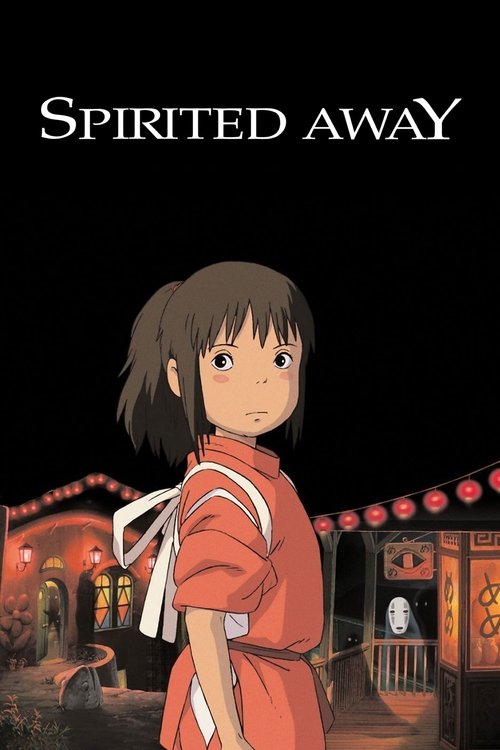
Spirited Away2001
Both feature child protagonists in lavish worlds where every character—from the helpful to the threatening—is rendered as a complete being. Both understand that the best children's fantasy respects the child's intelligence.
A girl navigates a world of spirits and talking creatures with the same clear-eyed wonder. Studio Ghibli's hand-drawn animation achieves what Krofft reached for with practical effects: a universe that operates on dream logic but with absolute internal consistency.
But It's Japanese animation, which some viewers approach with preconceptions. It's also more complex narratively than H.R. Pufnstuf and requires patience with ambiguity.
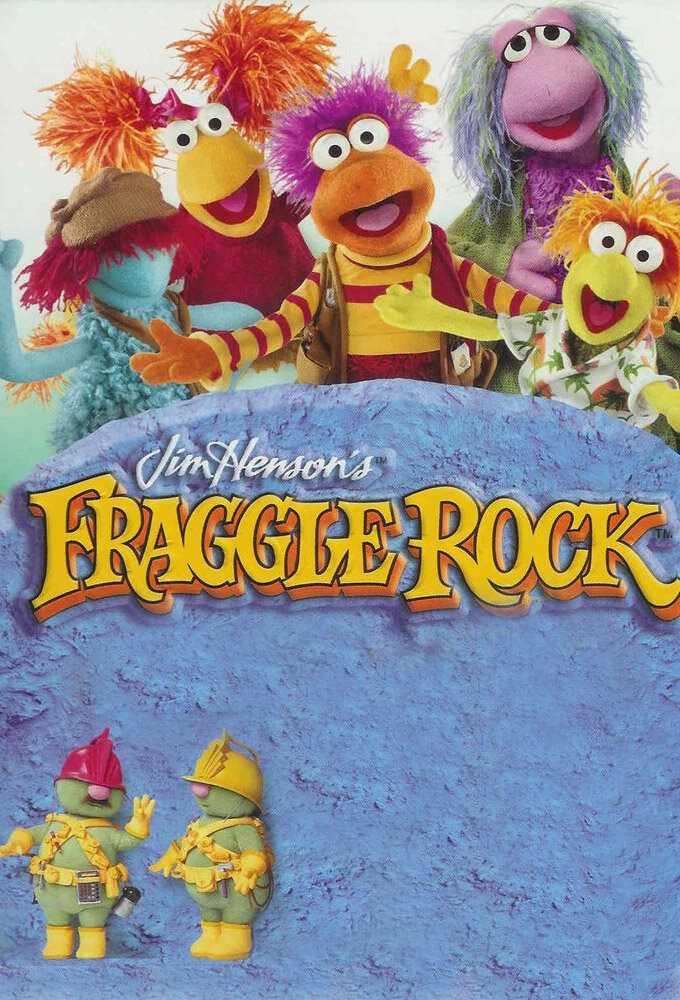
Fraggle Rock1983
Both are creature-forward worlds built by people who understood that practical puppetry could create a richer sense of place than animation alone. Both feature communities, not just heroes and villains. Both understand that a world is only as real as its supporting characters.
Jim Henson's universe of sentient Muppets living in vast cave systems. Hand puppetry at its absolute peak. Genuinely funny for adults, genuinely wonderful for children, with sophisticated storytelling beneath the felt and foam.
But It's more sentimental than H.R. Pufnstuf and leans toward earnest lessons. The relentless positivity can feel cloying if you're not in the right mood.
People
Cast

Writing
- Marty KrofftCreator
- Sid KrofftCreator
Recommended by
The Banana Splits Adventure Hour, Sigmund and the Sea Monsters, The Krofft Supershow, The Bugaloos