
Television series
Land of the Lost
Other titles called Land of the Lost: the 2009 film.
A forest ranger and his two kids tumble through a time vortex into a hostile alien world. Each episode is a tight thirty-minute survival puzzle: navigate dinosaurs, outsmart lizard-people, decode strange physics. It's earnest, inventive Saturday-morning adventure that treats its young characters as capable problem-solvers rather than victims. Pure imagination on a shoestring budget.
Should you watch it?
Watch it if you love low-stakes puzzle adventures where a family improvises its way through a strange world, and you don't mind wobbly 1970s special effects in exchange for cheerful, inventive oddness.
Skip it if you need modern effects, fast cuts or serialized plotting, since these are episodic half-hours with a deliberately gentle pace and visibly dated production.
What it asks of you: Thirty-minute episodes, one after another, with patience for repetition and slow setups; it wants you to settle in and let the odd rhythm carry you rather than chase tension.
Not sure? Find tonight's pick in a minute.
If you liked this
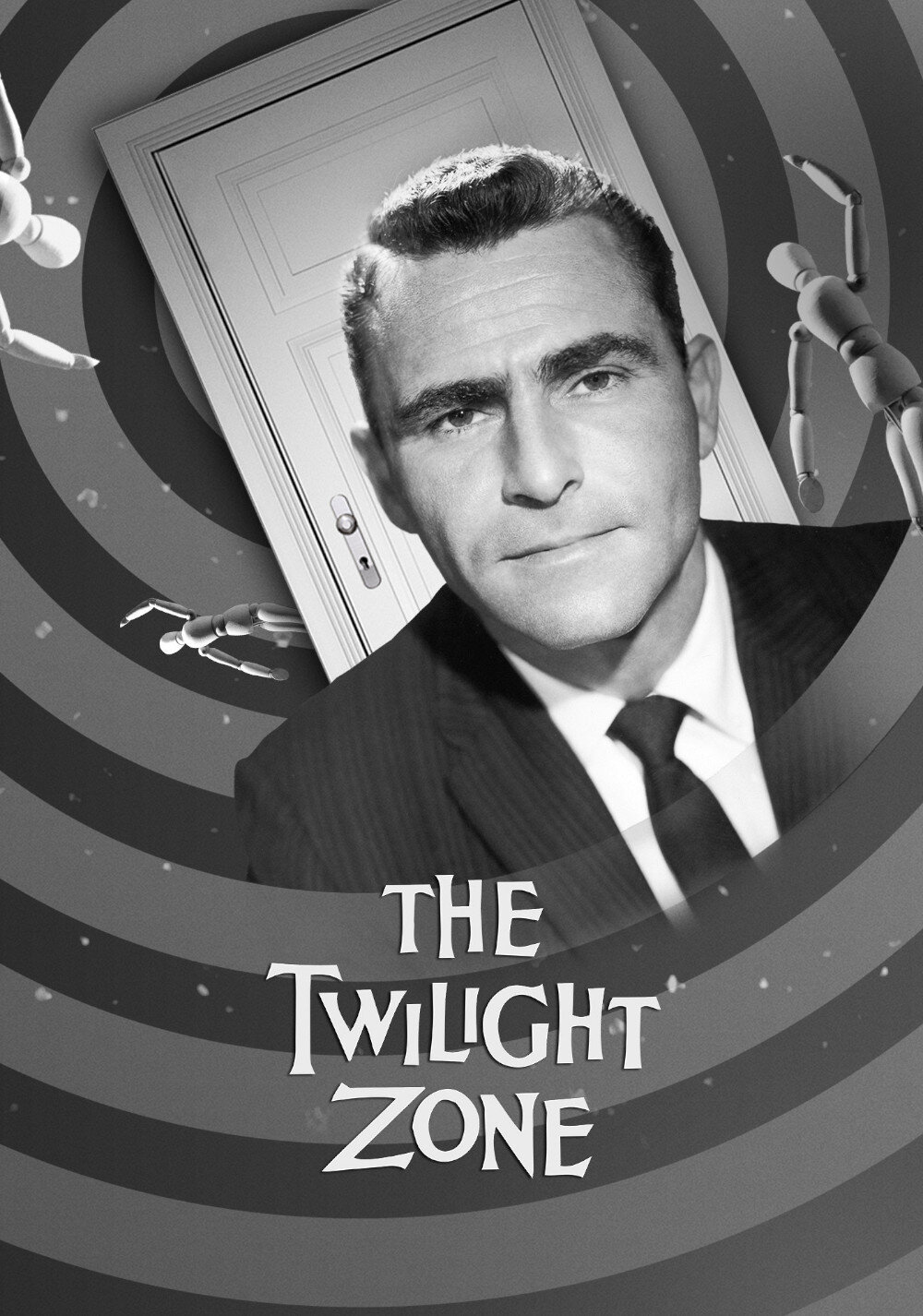
The Twilight Zone1959
Anthology structure lets it explore wildly different ideas—sci-fi, horror, philosophical riddles—all in tight packages. The same DNA as Land of the Lost: a world with its own logic that the characters must decode to survive.
But Fifties pacing and some episodes lean heavily on twist endings rather than character. A few feel more interested in the gimmick than the human story.
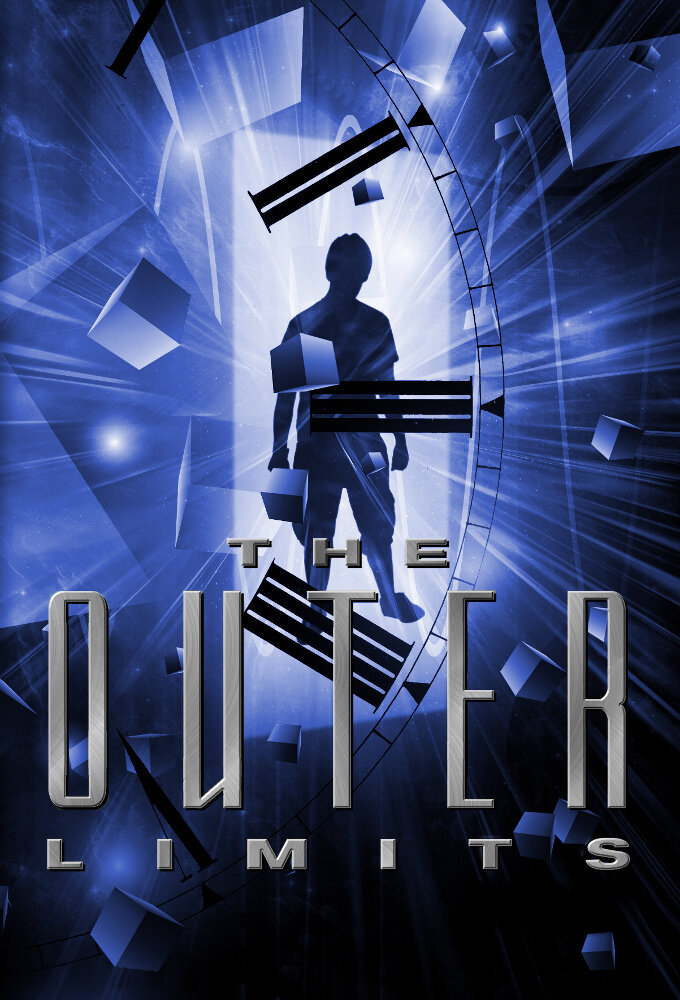
The Outer Limits1995
Weekly sci-fi mysteries with practical effects and genuine strangeness. Like Land of the Lost, it builds entire worlds on modest budgets and fills them with creatures that feel genuinely alien rather than costumed.
But Quality is uneven—some episodes are brilliant, others are placeholders. The pacing can drag and the acting is sometimes stiff.
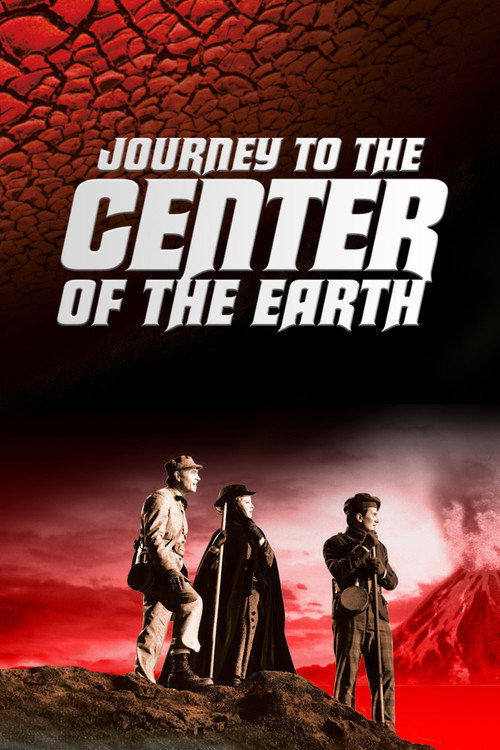
Journey to the Center of the Earth1959
A small crew navigates a lost world of dinosaurs and impossible geography. It captures the same sense of awe at discovering the undiscoverable, with practical creature work and real danger underneath the adventure framing.
But Fifties sensibilities mean it's slower than you'd expect, and the romance subplot feels obligatory. Some effects haven't aged gracefully.
Not sure tonight? Get a pick in a minute, starting from Land of the Lost
The wildcard
Something you would not have found on your own.
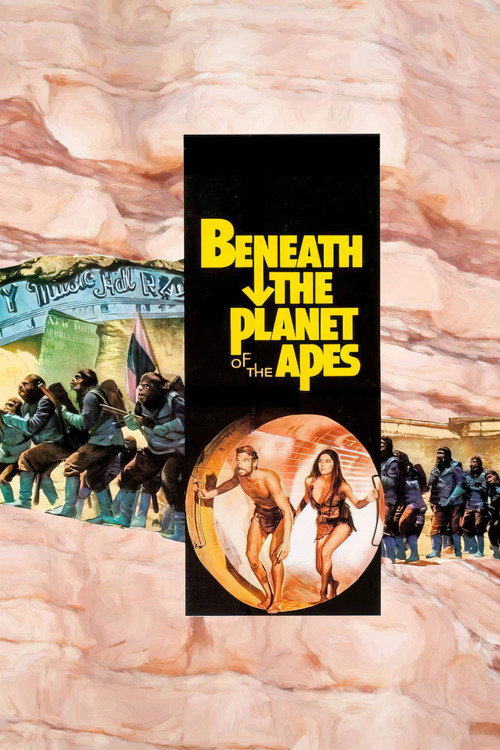
Beneath the Planet of the Apes1970
Both burrow into worlds with their own logic and civilization, where humans are the outsiders learning rules they don't make. Both ask what happens when you can't leave.
The sequel abandons the first film's restraint and goes surreal—underground civilizations, mutant telepaths, theological science fiction. It's messy but genuinely strange, treating a found world as genuinely alien rather than just different Earth.
But Tonally chaotic and narratively bloated. Some sequences feel self-indulgent and the ending divides audiences sharply. It's a lot of movie to hold together.
More like this (8)
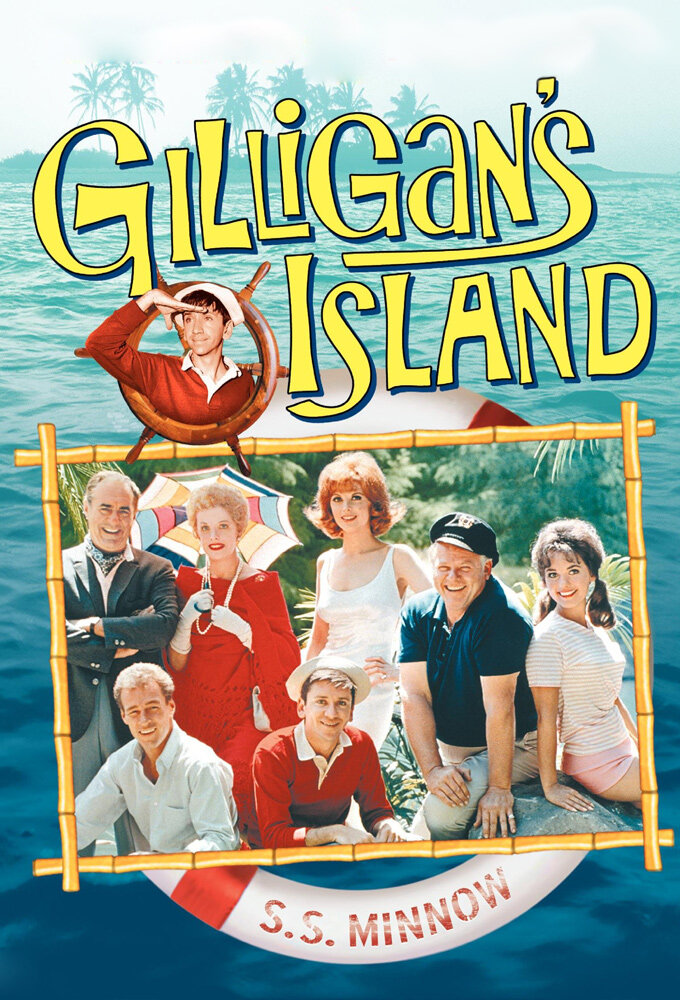
Gilligan's Island1964
Stranded characters solving problems with ingenuity and luck in an environment with its own rules. Same optimistic spirit—the universe is dangerous but solvable, and the group survives through brains and cooperation.
But The humor is broad and the stakes are always reset. If you need genuine peril and consequence, this softness will frustrate you.
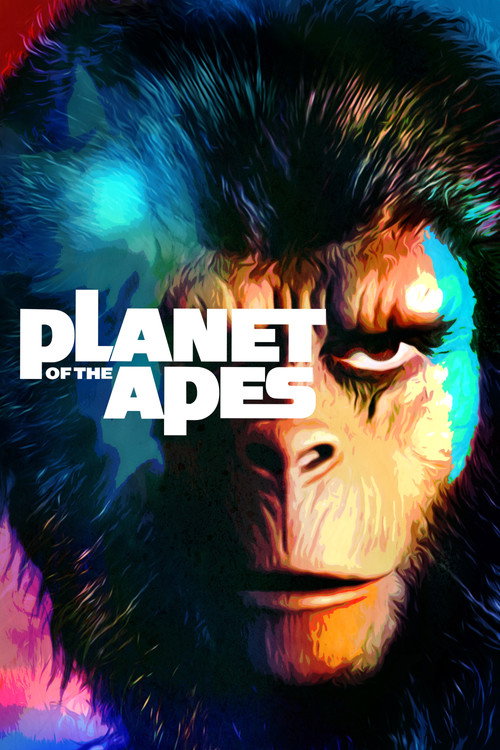
Planet of the Apes1968
A world with inverted rules where the familiar is alien and the alien is civilized. Strong practical creature design and a story where characters must navigate a society with logic utterly different from home.
But It's a single statement dressed as a film—the twist is the whole point. Once you know it, rewatches lose their power.
The Poseidon Adventure1972
An ensemble crew navigates an inverted, hostile environment using problem-solving and teamwork. Practical set design and genuine tension as they move through an unfamiliar world governed by different physical laws.
But Character work is thin and the tone wavers between thriller and melodrama. By modern standards, the pacing feels bloated for its story.
Irwin Allen's Voyage to the Bottom of the Sea1964
A submarine crew encounters weekly threats in an environment with its own physics and inhabitants. Same framework: confinement, exploration, creatures you must understand before you can survive them.
But Repetitive formula—almost every episode follows the same beats. The show runs out of ideas and starts recycling heavily.
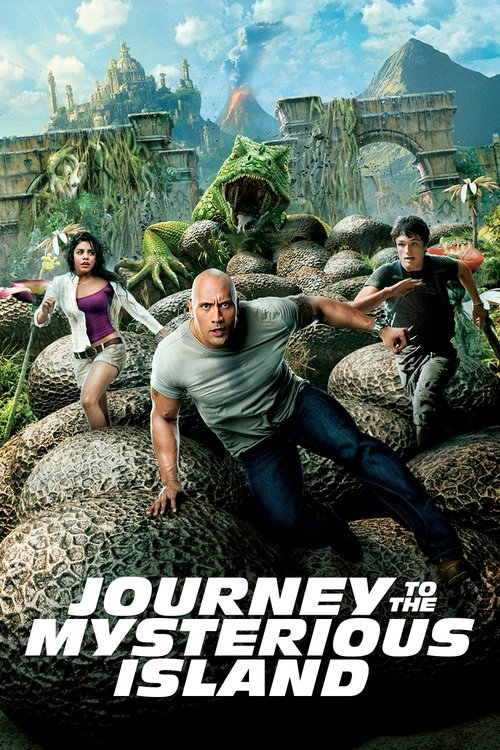
Journey 2: The Mysterious Island2012
Stranded survivors discover a lost world populated by impossible creatures. Ray Harryhausen's stop-motion work is luminous, and the film trusts kids as genuine characters with agency, not sidekicks.
But Harryhausen sequences are sparse and the gaps are filled with slow dialogue and clumsy plot exposition. Long stretches feel like marking time.
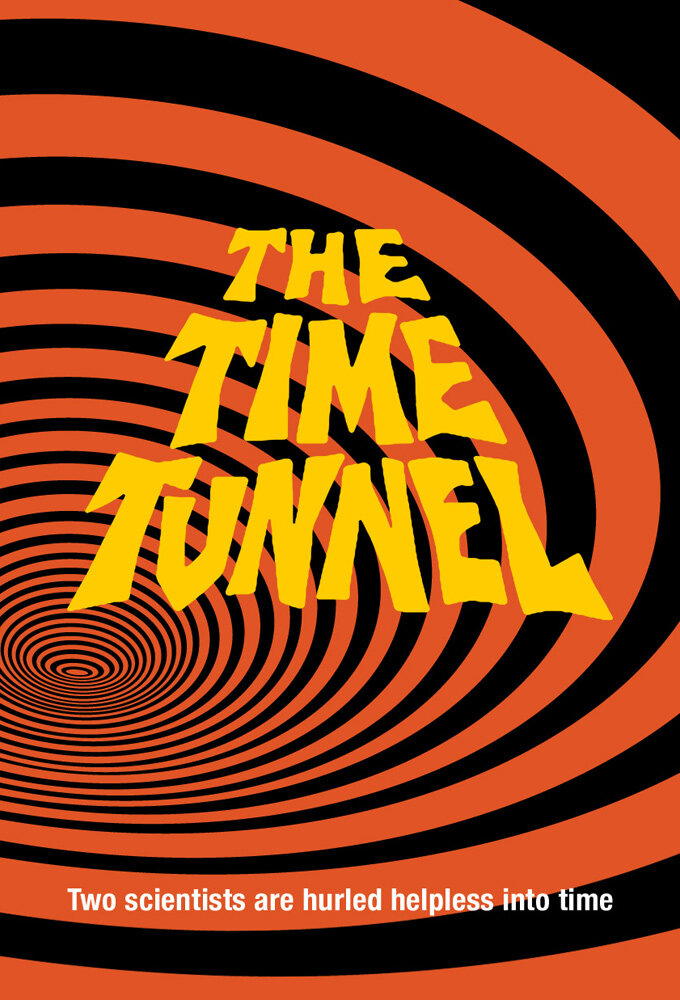
The Time Tunnel1966
Two scientists pulse through different historical moments trying to find their way home. Like Land of the Lost, it's a series about displacement in an environment you don't control, where every location has new rules.
But Effects are weak and the script often settles for adventure-by-numbers. Many episodes feel like they're retreading ground.
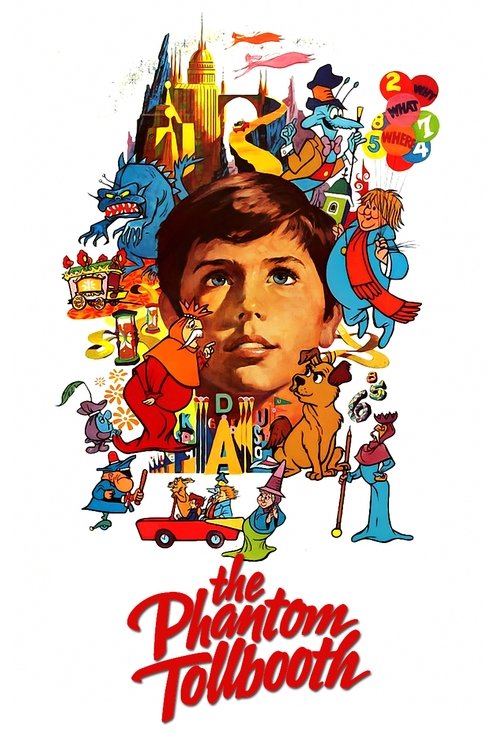
The Phantom Tollbooth1970
Both celebrate smart kids as protagonists and build worlds where language and logic are as important as muscle. Both trust children to figure things out.
Stop-motion and live-action hybrid about a bored boy navigating a world of literal wordplay and physics-defying logic. Completely original and visually inventive, it shares Land of the Lost's core: a child protagonist solving puzzles in an environment that doesn't follow home rules.
But The puns are relentless and the narrative is actually thin—it's more a series of set pieces than a traditional plot. Patience required.
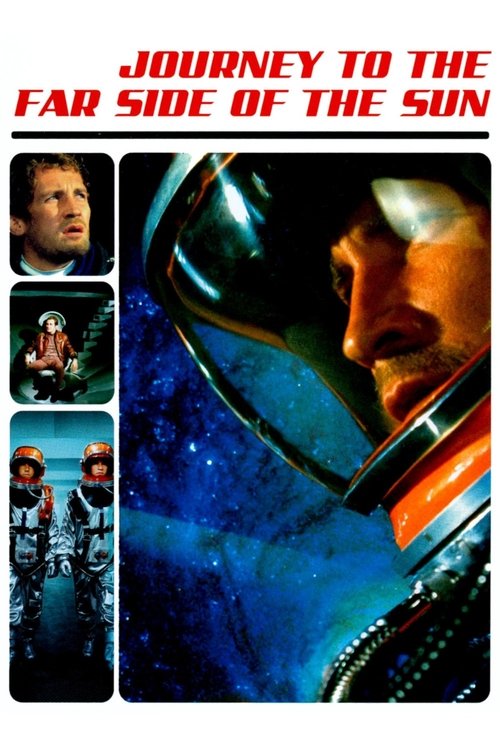
Doppelgänger1969
Both are about displacement in a world governed by logic you can almost grasp. Both refuse easy solutions and treat mystery as genuine rather than theatrical.
A space mission discovers an exact duplicate Earth on the far side of the sun—and nothing works the way they expect. Practical 1960s sci-fi with genuine disorientation; it's about the horror and wonder of a world that *almost* makes sense.
But Slow-burn and dialogue-heavy, with special effects that don't aim for spectacle. If you need action every five minutes, you'll find it tedious.
People
Cast





Recommended by
Moondial, Ark II, Land of the Lost, Space Academy, Sealab 2020, Return to the Planet of the Apes, H.R. Pufnstuf, Sigmund and the Sea Monsters, The Osmonds, The Krofft Supershow, The Fantastic Journey