Television series
Sealab 2020
- Science fiction
- Action
- Light-hearted
Sealab 2020 is a live-action adventure series set in an underwater research station where scientists and their families tackle mysteries beneath the ocean. It's earnest, optimistic seventies sci-fi with practical effects and a genuine sense of wonder. Perfect for anyone who loves speculative adventure with heart, or wants to revisit when TV believed the future was something worth exploring.
If you liked this
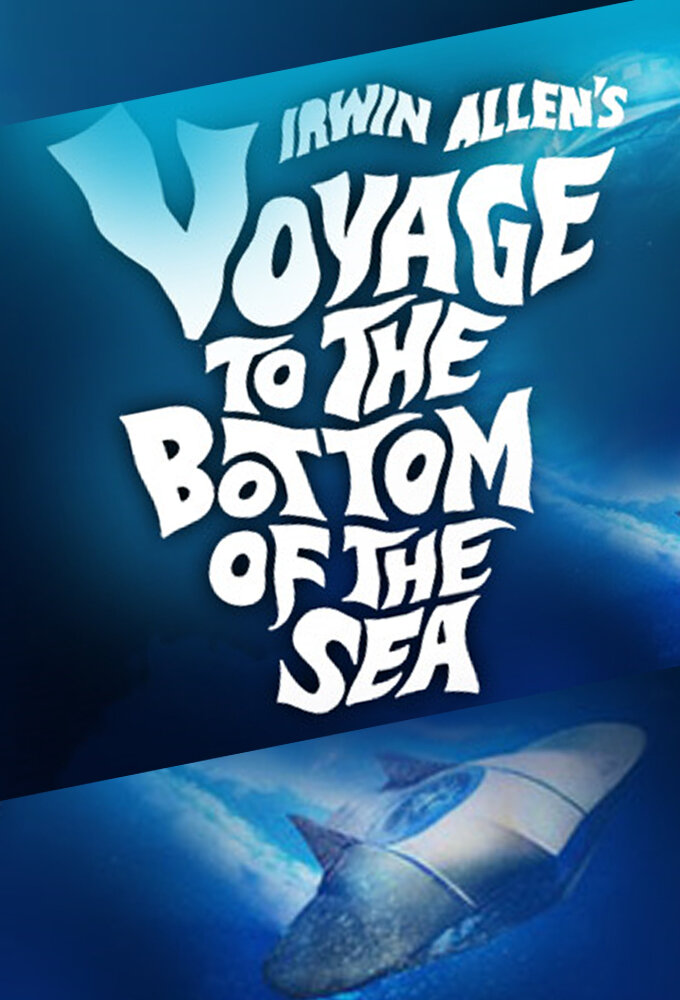
Irwin Allen's Voyage to the Bottom of the Sea1964
The spiritual predecessor to Sealab—a submarine series with the same blend of science-fiction, adventure, and family-friendly storytelling. Absolutely captures that optimistic sixties-seventies vibe about exploration.
But It's longer and more sprawling, and some episodes veer into campy territory that might test your patience.
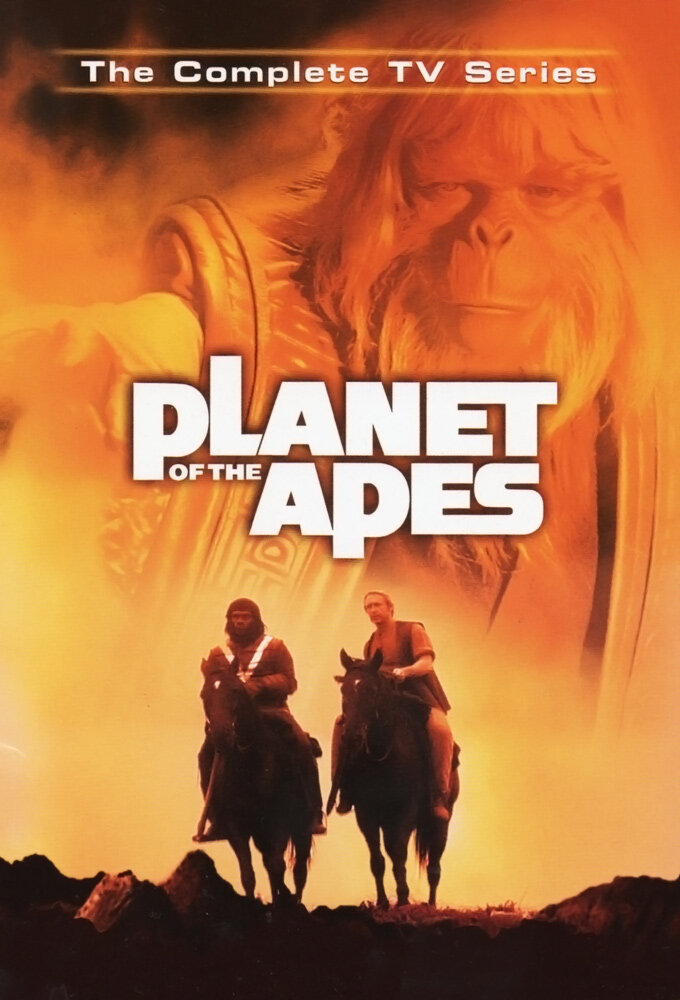
Planet of the Apes1974
Another early-seventies adventure series with the same spirit of imaginative world-building and practical effects. It treats its premise seriously while maintaining genuine excitement and wonder.
But It's more episodic and the writing is uneven—some episodes land, others feel like filler dressed up in costumes.
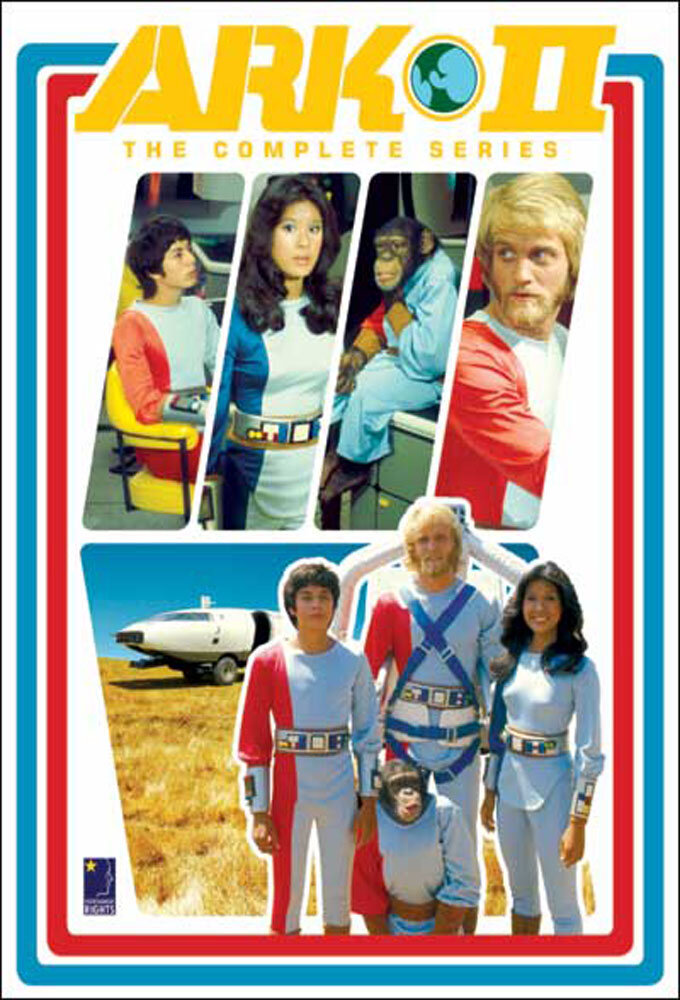
Ark II1976
A live-action post-apocalyptic adventure series with a similar educational bent and earnest commitment to exploring 'what if' scenarios. Features the same spirit of discovery and problem-solving.
But The acting is quite wooden and the special effects are even more primitive, which can feel more distracting than charming.
Not sure tonight? Get a pick in a minute, starting from Sealab 2020
The wildcard
Something you would not have found on your own.
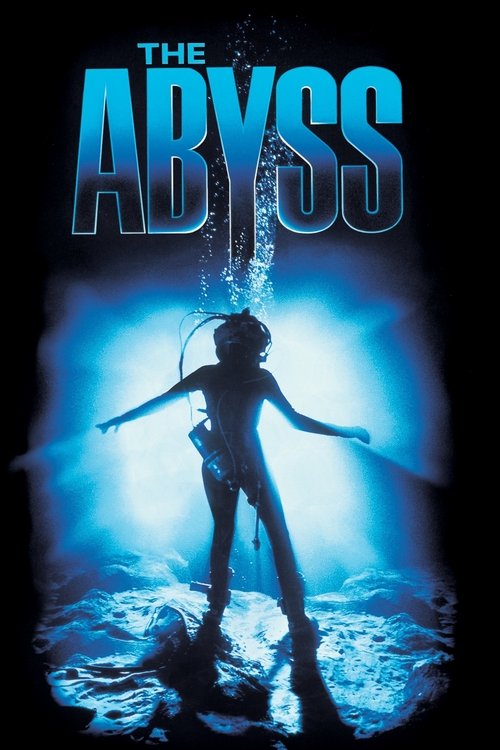
The Abyss1989
Both treat the ocean as a frontier worth taking seriously—not as backdrop but as a character. Both balance scientific curiosity with genuine peril, and both believe the deep is beautiful rather than merely threatening.
James Cameron's deep-sea thriller captures what Sealab was always reaching for: genuine wonder at undersea exploration combined with real danger and stakes. It's visually stunning and emotionally raw in ways that elevate the premise.
But It's three hours long, it's an adult drama about a collapsing marriage, and the special effects, while revolutionary, are now dated enough to break immersion for some viewers.
More like this (6)
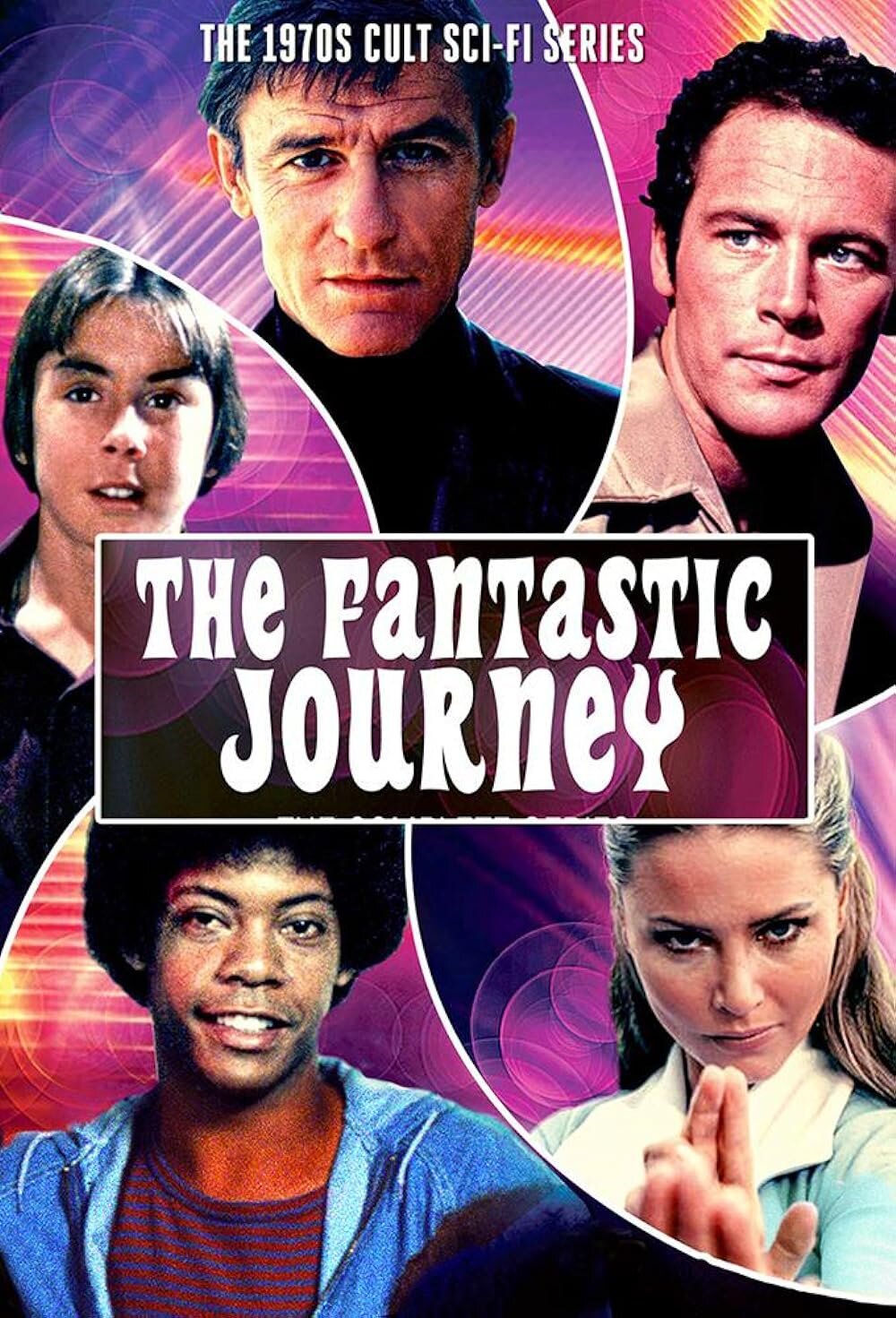
The Fantastic Journey1977
An adventure series about a group navigating a mysterious zone with sci-fi elements. Captures that seventies earnestness and the idea of ordinary people solving extraordinary problems through teamwork.
But It was cancelled quickly and feels somewhat scattered; the plotting is thin and it never quite finds its footing.
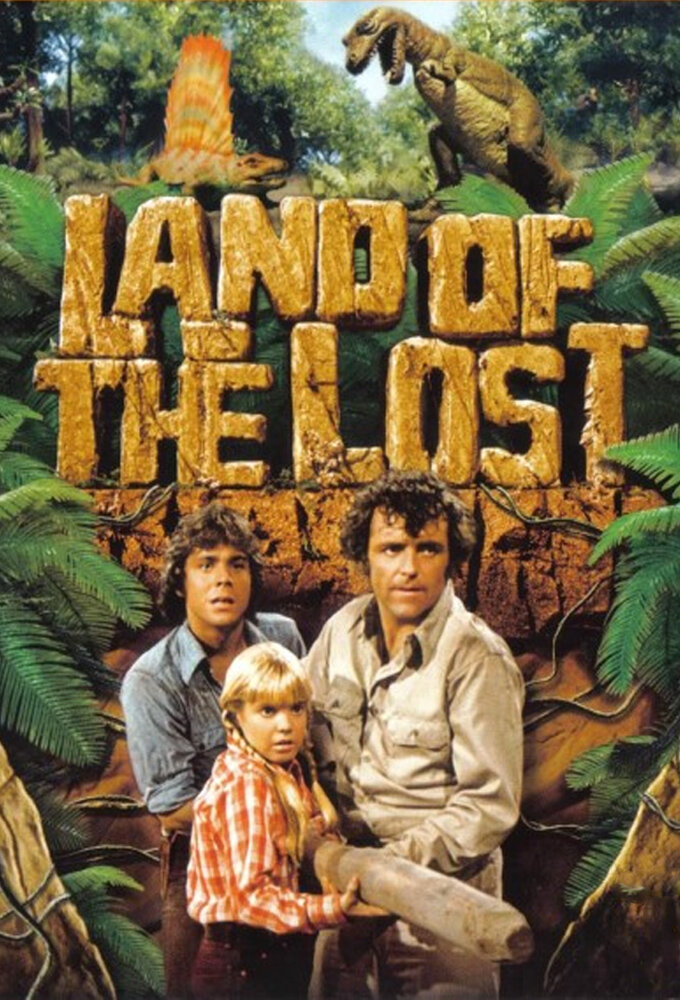
Land of the Lost1974
A family adventure series with a similarly creative premise and the same willingness to explore strange worlds seriously. Features good practical effects and genuine moments of wonder alongside the action.
But The special effects, while admirable for their time, can feel hokey. The episodic structure means quality varies significantly from episode to episode.
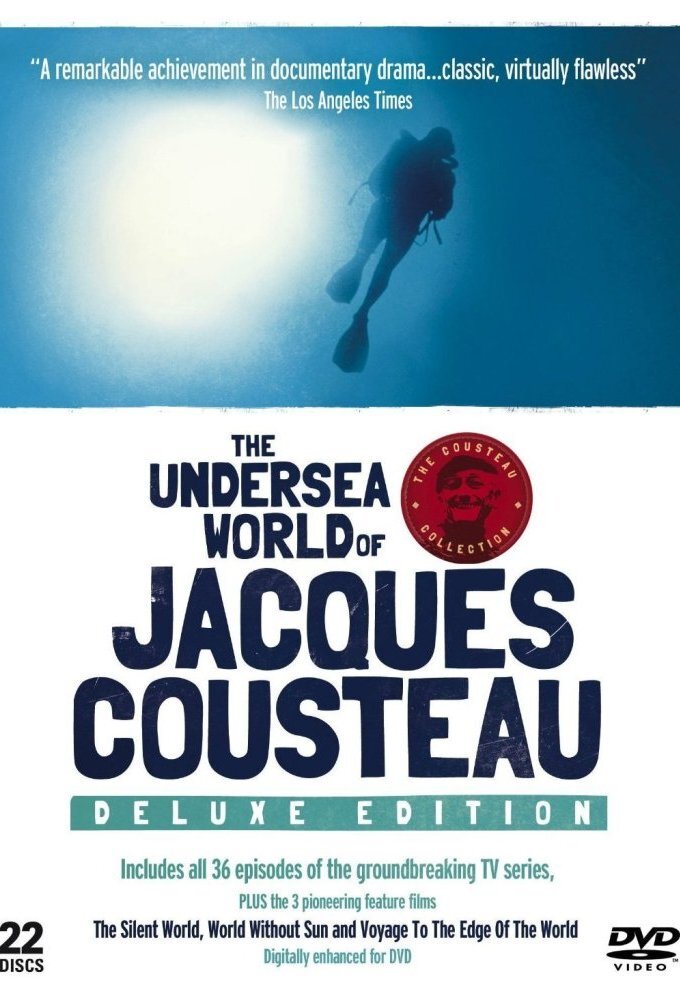
The Undersea World of Jacques Cousteau1968
If you want the real thing, Cousteau's documentary series captures actual underwater exploration with genuine beauty and mystery. It's what inspired shows like Sealab and it's absolutely hypnotic.
But It's a documentary, not narrative drama, so the pacing is glacial and it's more meditative than thrilling. Some won't find that rewarding.
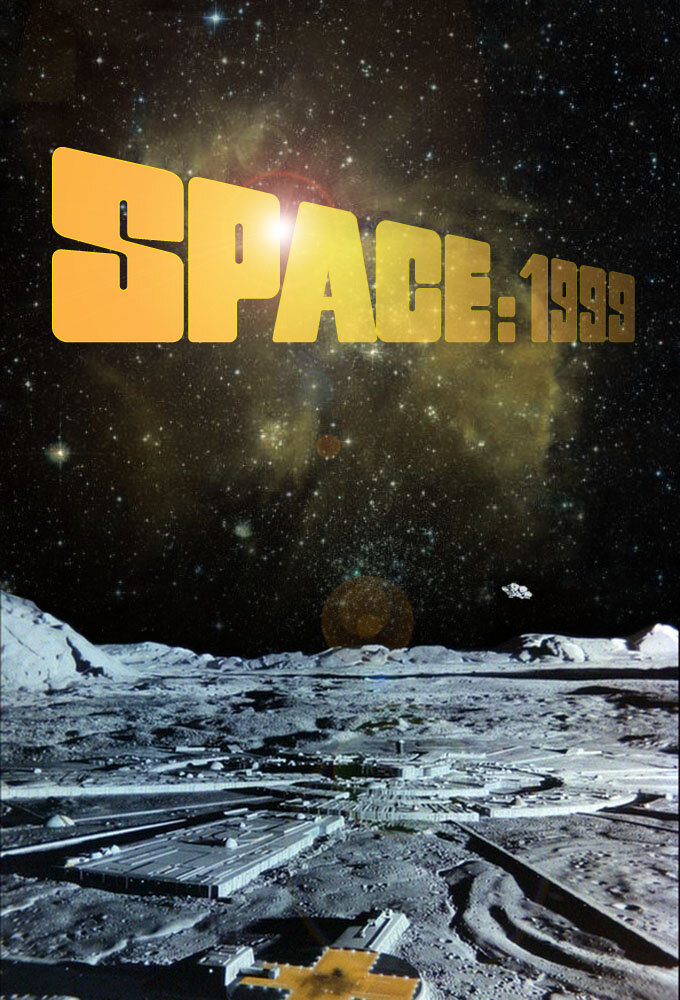
Space: 19991975
A lavish British-Italian co-production about survivors of a moonbase accident. It has spectacular effects for its era and shares Sealab's willingness to treat sci-fi adventures with genuine seriousness and scale.
But It's genuinely uneven in quality, sometimes pretentious, and the first season is bloated—it works better if you skip ahead to season two.
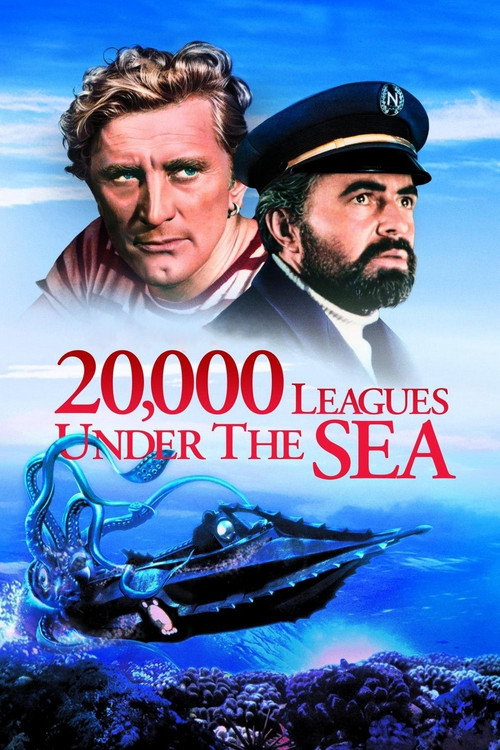
20,000 Leagues Under the Sea1954
Sealab 2020 is essentially what happens when you update Verne's vision to the optimistic seventies—the same belief that human ingenuity and courage can unlock the ocean's secrets, that technology and science are good things worth pursuing.
Disney's adaptation of Jules Verne is the granddaddy of all underwater adventure, with real submarine effects and a sweep that influenced everything Sealab was trying to be. It's handsome, thrilling, and endlessly entertaining.
But It's an older film and moves at its own pace. Some will find the theatrical style and the romance subplot slow the action unbearably.
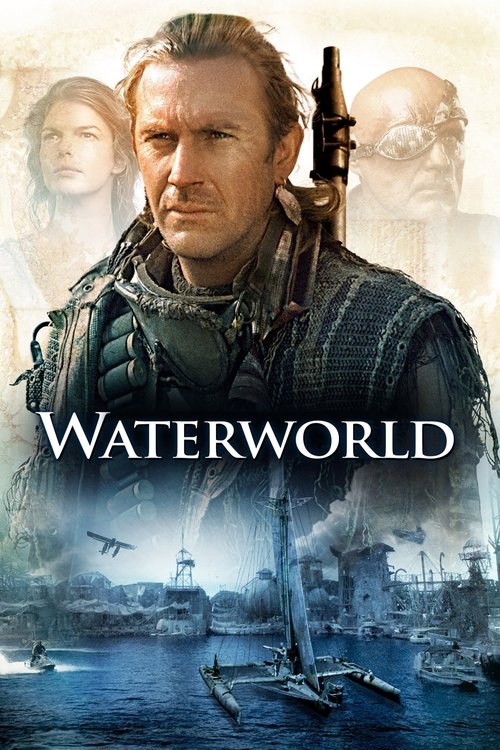
Waterworld1995
Where Sealab sees the ocean as a place of discovery and opportunity, Waterworld sees it as a refuge and a prison. Both treat the water as civilization's frontier, but one is utopian and one is dystopian. Watching them back-to-back shows you how the same setting can embody completely opposed visions of the future.
Kevin Reynolds's post-apocalyptic epic is thoroughly despised, but it's actually a fascinating inversion of Sealab's optimism: what happens when humanity has to live permanently on the water, not explore it. It's absurd, ambitious, and visually striking in ways that matter.
But It's genuinely bad in several ways—wildly expensive, structurally confused, and Kevin Costner's performance is legendarily wooden. It's easier to mock than enjoy.