
Television series
Space: 1999
A 1970s British sci-fi epic where the Moon is knocked out of orbit and becomes an interstellar wanderer. It's gorgeously designed, earnestly philosophical, and wildly uneven—thrilling one episode, baffling the next. For people who love bold, ambitious television that swings for the fences.
Should you watch it?
Watch it if you love lonely-outpost sci-fi where the wonder comes from a stranded community's bickering, hardware and mounting strangeness more than from space battles.
Skip it if you want tight plotting and modern effects; the 1970s sets, stiff dialogue and earnest pacing will feel dated, and the stories can run on the same formula.
What it asks of you: Sixty-minute episodes with long stretches of talk and corridor walking between the bursts of action, delivered with an earnest straight face rather than a wink.
Not sure? Find tonight's pick in a minute.
If you liked this
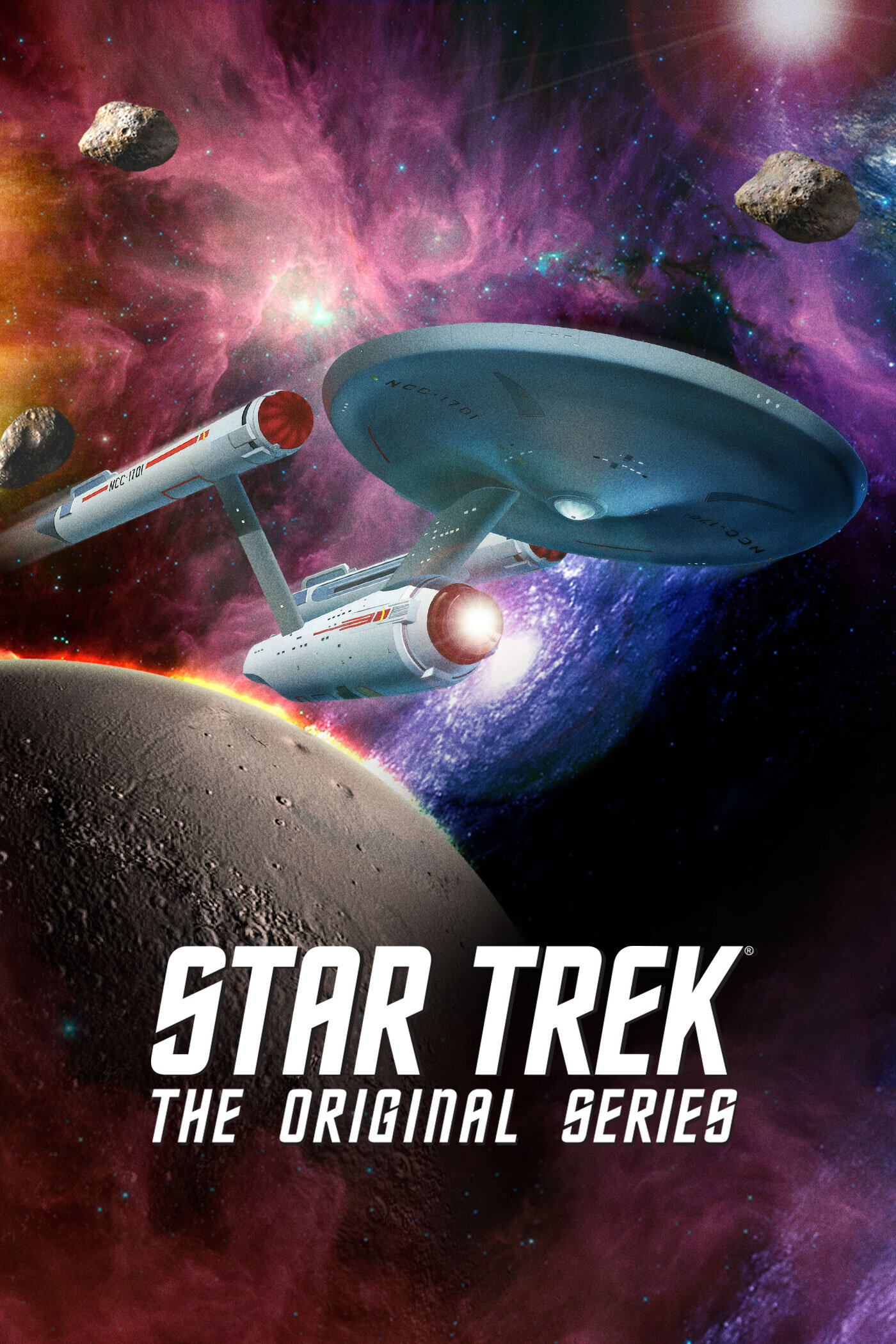
Star Trek1966
The DNA is there: optimistic exploration, philosophical dilemmas, a charismatic crew facing impossible odds. TOS did it first and with unshakeable conviction, even on a shoestring budget.
But The pacing is much slower, the special effects are even more dated, and it takes patience to warm to some episodes. Genuinely archaic television in places.
The Expanse2015
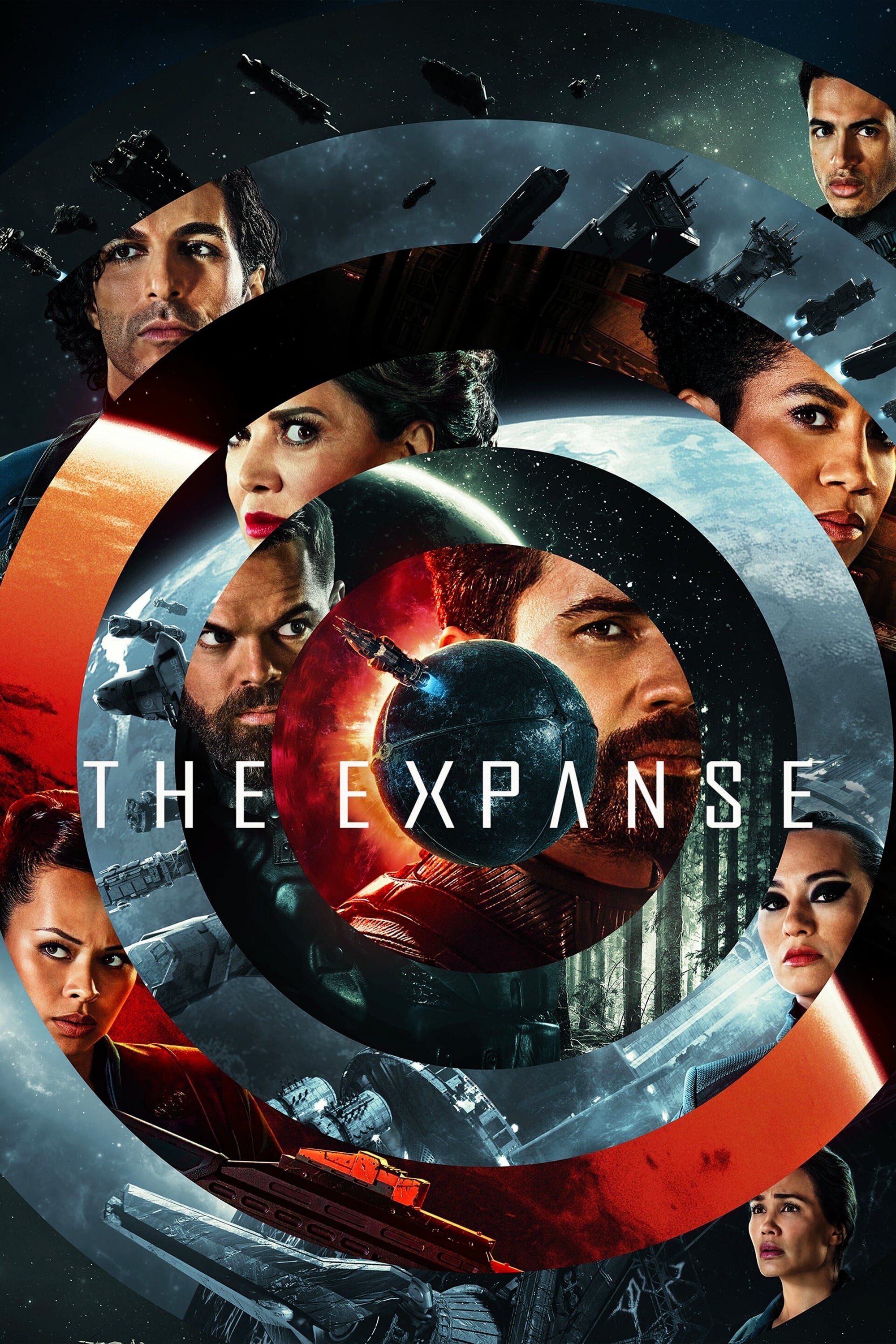
Modern space opera with the same DNA: claustrophobic base life, crew dynamics under pressure, real physics playing a role, existential threats. It learns from shows like Space: 1999 and executes with precision.
But Grittier and more politically complex than 1999, which might feel like trading wonder for realism. Takes two seasons to fully click.
Fireball XL51962
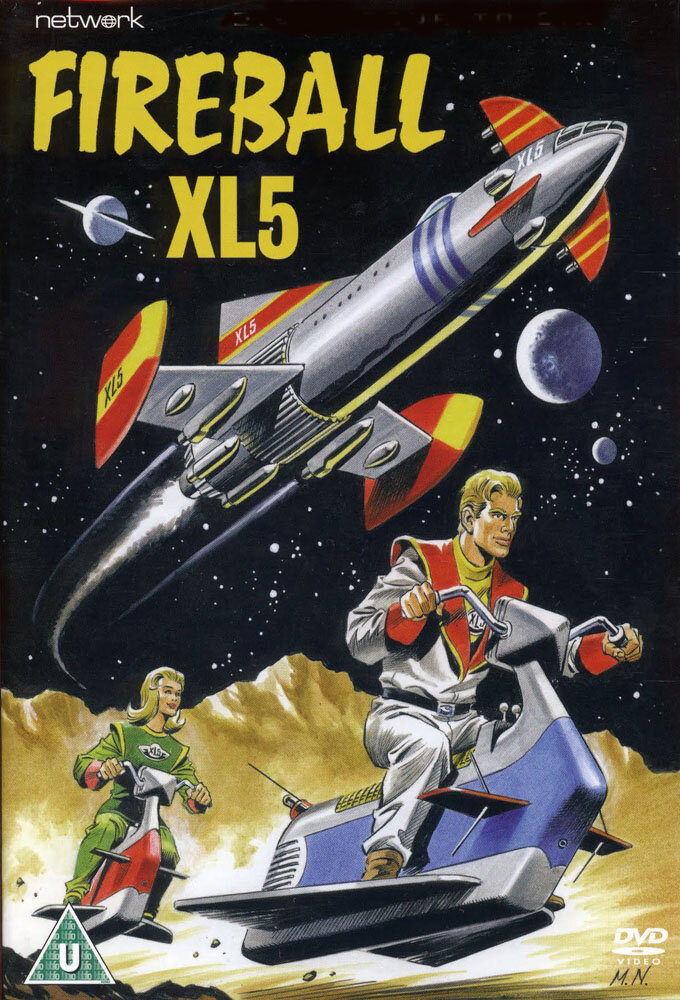
Gerry Anderson's puppet-based space adventure that directly inspired Space: 1999's visual language and scope. Charming, inventive, and the DNA of 70s sci-fi optimism runs through it.
But It's puppets, not actors, which is delightful or distracting depending on your tolerance. Episodes are 25 minutes and somewhat repetitive in structure.
Not sure tonight? Get a pick in a minute, starting from Space: 1999
The wildcard
Something you would not have found on your own.
Solaris1972
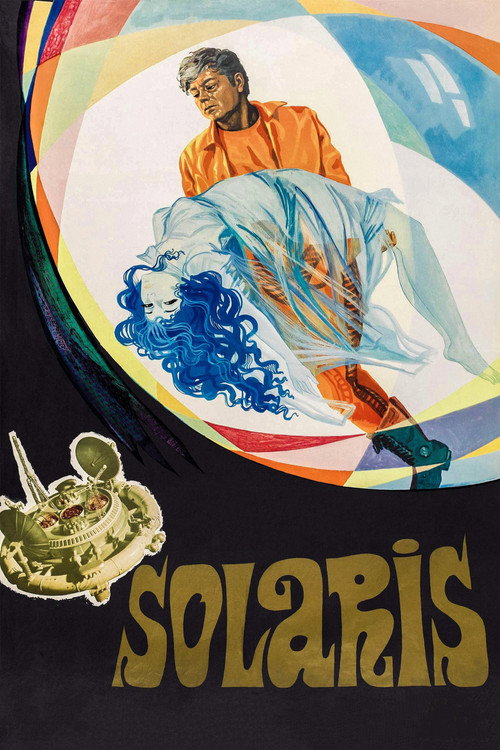
Both strand crews in isolation facing incomprehensible vastness. Both use sci-fi's distance to ask human questions about loneliness, meaning, and whether we can ever truly understand what we encounter.
Tarkovsky's philosophical masterpiece about isolation and communication on a space station orbiting an alien ocean. If Space: 1999 is what people *think* 70s sci-fi was, this is what it actually was at its best.
But 168 minutes of meditative, almost glacial pacing. Demands active attention. Some find it transcendent, others find it glacially dull.
More like this (6)
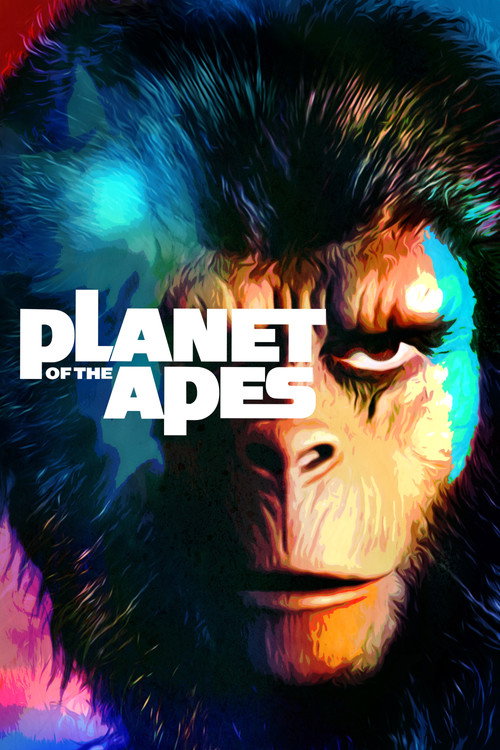
Planet of the Apes1968
The same era's best-case scenario for ambitious sci-fi: bold premise, social commentary, genuine stakes. Proves the 60s-70s could do speculative fiction with real teeth.
But It's a film, not a series, so no room for the character arcs you get from longer storytelling. The ending divides people sharply.
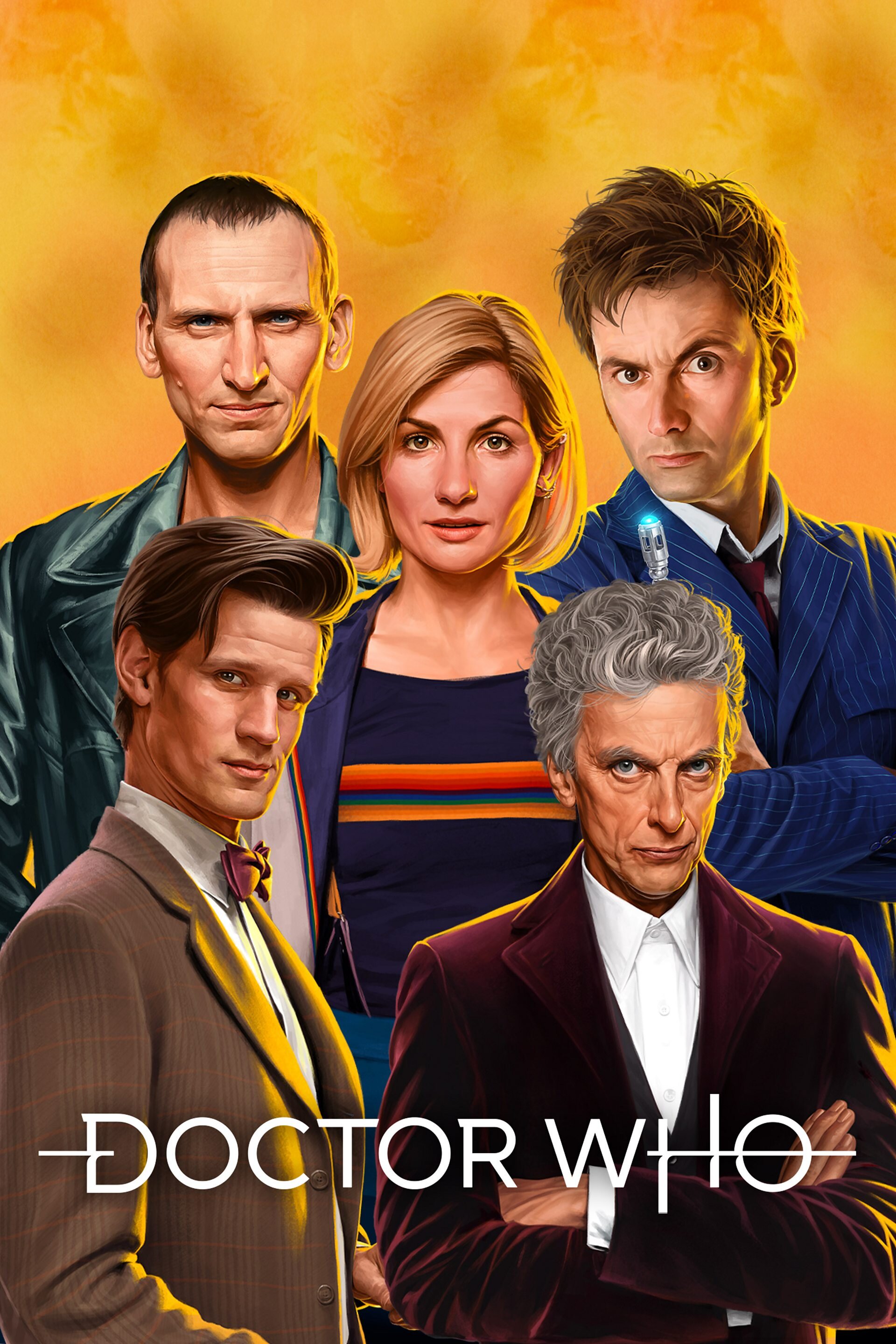
Doctor Who2005
The closest British cousin: time and space travel, episodic mysteries, a mix of wonder and dread, production values that suggest rather than show. The TARDIS wanders like the Moon does.
But Inconsistent in quality by design—early serials drag, later ones are rushed. Requires buying into very cheap-looking aliens and sets.
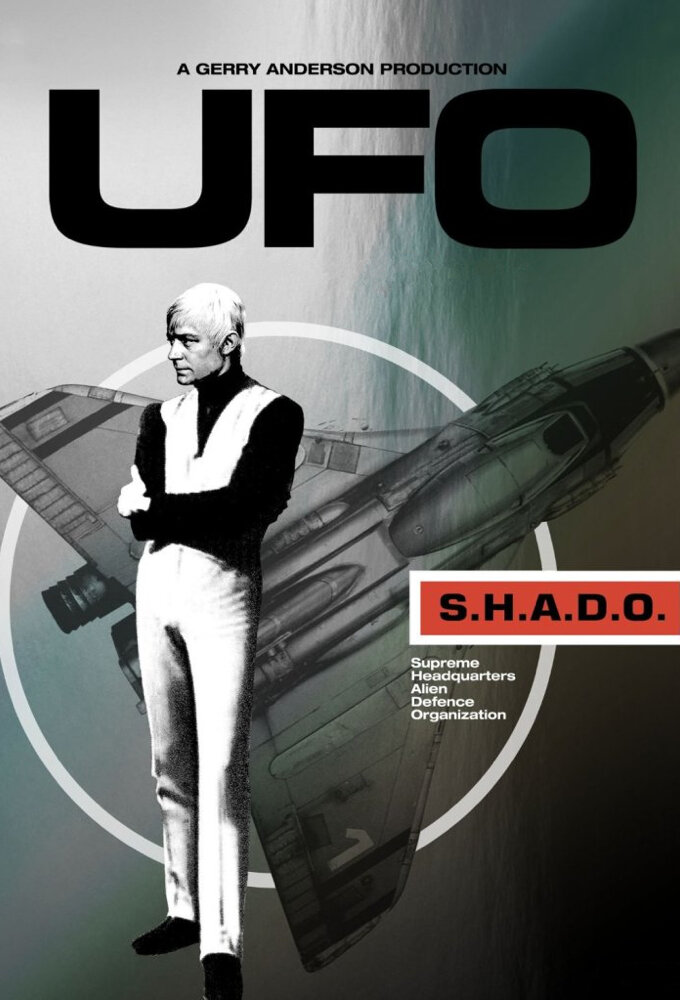
UFO1970
Gerry Anderson's live-action spy-sci-fi hybrid with the same formal elegance and design obsession. Defense against alien contact meets Cold War paranoia. Propulsive and visually stunning.
But More grounded and procedural than Space: 1999, which might feel less romantic. Doesn't reach for the same philosophical heights.
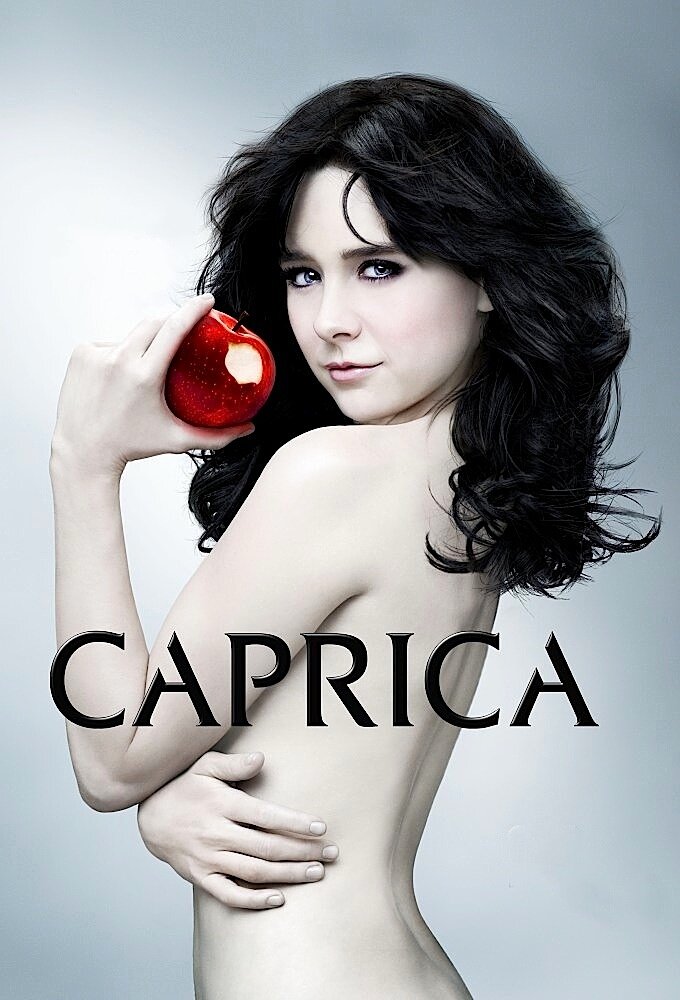
Caprica2010
A prequel that works as standalone drama about people in confined spaces facing existential questions. Sci-fi used seriously as a vehicle for character and philosophy, not spectacle.
But Slow-burn and sometimes ponderous. Cancelled early and doesn't resolve everything. Requires patience even from sci-fi fans.
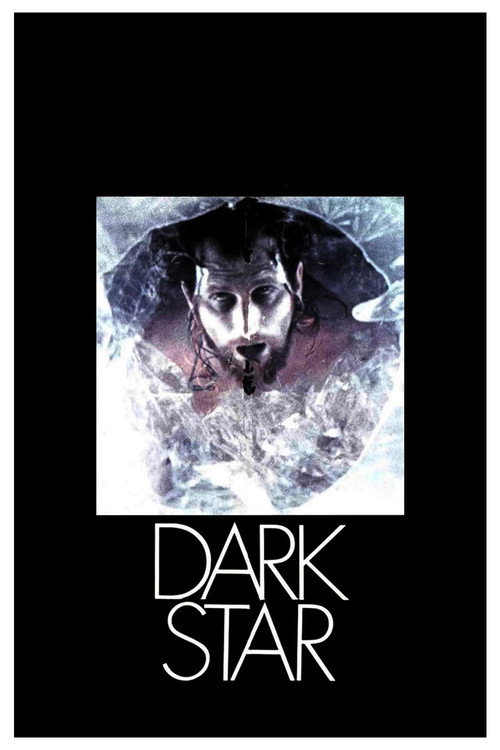
Dark Star1974
John Carpenter's low-budget space comedy about bored astronauts maintaining a roaming ship. Achieves more with humour and wit than most expensive productions. Cult for good reason.
But It's deliberately slack and darkly funny in ways that undercut tension. Some find it too silly; others find Space: 1999 sillier without the self-awareness.
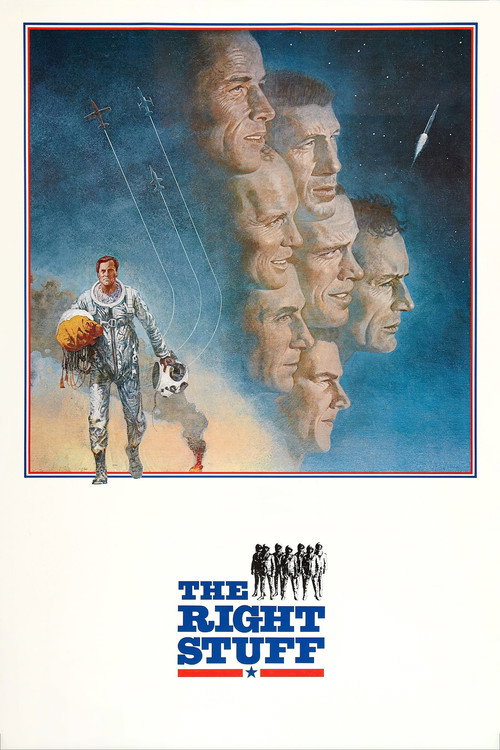
The Right Stuff1983
Both obsess over what the frontier demands of people. Space: 1999's crew is forced into exile; these astronauts chase it. Same cosmic pull, opposite relationship to it.
Philip Kaufman's four-hour epic about America's first astronauts with humor, scale, and genuine complexity. The other side of the Moon: earthbound obsession with space as conquest rather than exile.
But Very long, very American in its mythology, and terrestrial rather than cosmic. If you want isolation and void, this celebrates ambition and achievement.
People
Cast









Directing
- Ken BakerAssistant Director
Writing
- Gerry AndersonCreator
- Sylvia AndersonCreator
Production
- Gerry AndersonExecutive Producer
- Sylvia AndersonProducer
Recommended by
Babylon 5, Thunderbirds, Captain Scarlet and the Mysterons, Terrahawks, Battle of the Planets, Fireball XL5, Buck Rogers in the 25th Century, Irwin Allen's Lost in Space, Jason of Star Command, Star Cops, Automan, Sealab 2020, The Shape of Things to Come, Return to the Planet of the Apes, Salvage 1