
Film
The Shape of Things to Come
A 1979 space opera where humanity's lunar colonies face extinction unless a ragtag team can stop a megalomaniacal tyrant on a distant planet. It's got practical effects, earnest sci-fi world-building, and the kind of pulpy adventure logic that doesn't pause to overthink itself. For anyone who loves seventies space movies that swing for the fences, regardless of their reach.
Should you watch it?
Watch it if you enjoy earnest, cheaply built 1970s science fiction, where a scenery-chewing villain and a ramming-spaceship plot are taken completely seriously.
Skip it if you need tight pacing, polished visuals or a sleek modern look; its dated effects, talky stretches and clunky dialogue will test your patience.
What it asks of you: Settle in for a short 98 minutes of earnest, steady storytelling that wants you to accept its pulpy premise without a wink.
Not sure? Find tonight's pick in a minute.
If you liked this
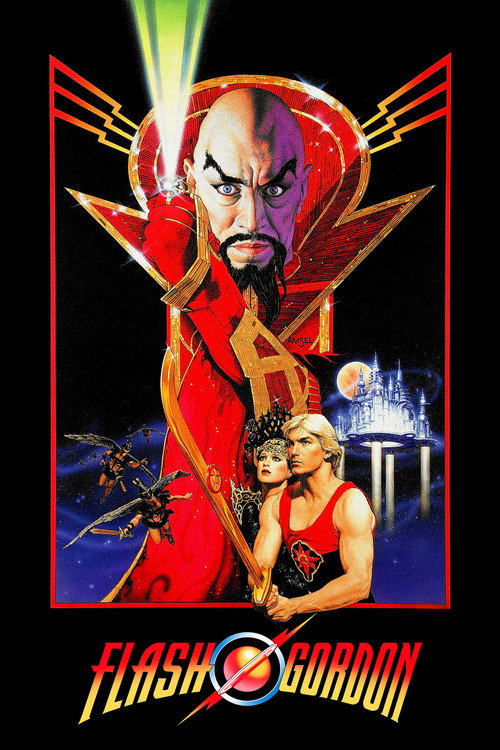
Flash Gordon1980
Burt Lancaster, camp, elaborate sets, and genuine enthusiasm for its own ridiculousness. It's a space adventure that knows exactly what it is and commits completely to the fun.
But The self-aware campiness won't land if you want your sci-fi played straight, and some of the humour lands harder than others.
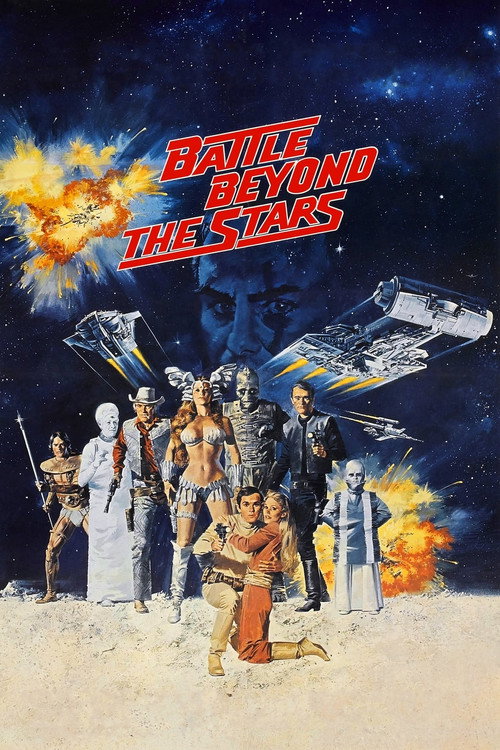
Battle Beyond the Stars1980
Roger Corman's Magnificent Seven in space, with wild practical effects and a genuine sense of wonder despite its B-movie budget. Pure adventure energy.
But The dialogue can clank, and the pacing meanders. It's very much a product of its era's constraints, which shows.
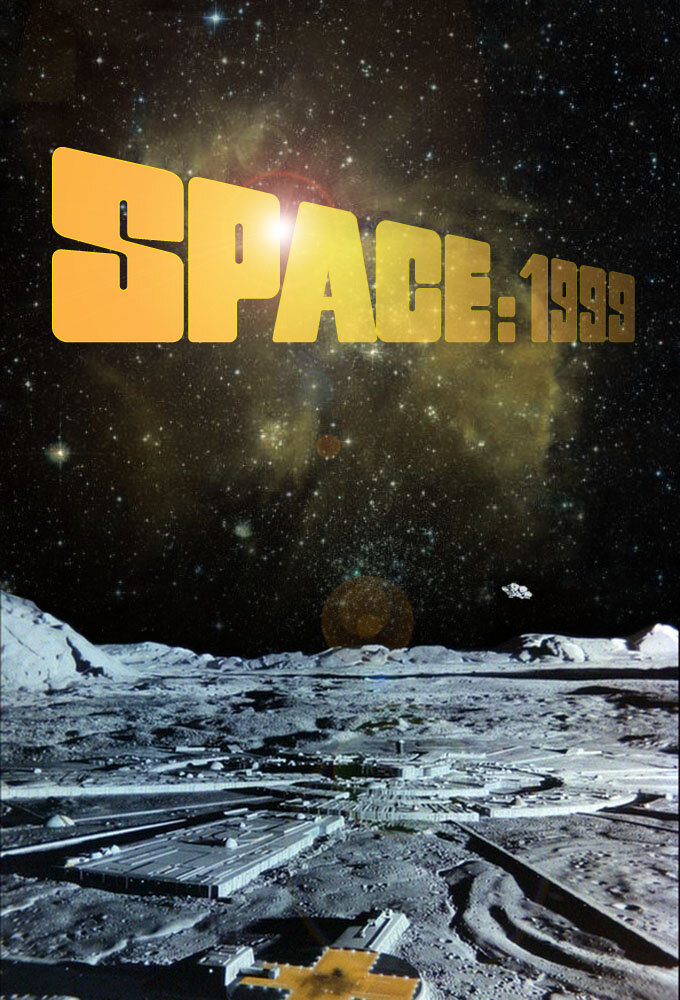
Space: 19991975
A Moon-based colony fights for survival across a prestige British sci-fi series with proper production values and genuinely unsettling episodes. Weekly stakes and real atmosphere.
But It takes itself seriously in ways that can feel heavy-handed now, and some episodes drag. Commitment required.
Not sure tonight? Get a pick in a minute, starting from The Shape of Things to Come
The wildcard
Something you would not have found on your own.
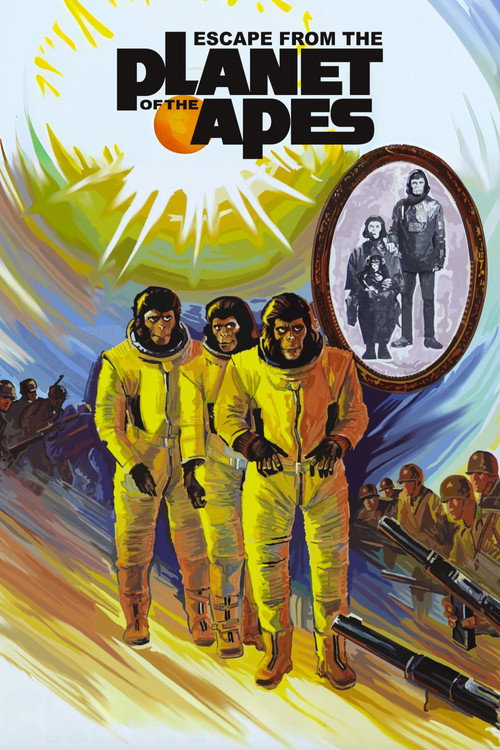
Escape from the Planet of the Apes1971
Both pit a small group against an oppressive authority using technology as a tool of control; both root their sci-fi in physical world-building rather than ideas.
Takes the franchise sideways into 1970s Los Angeles, trading spectacle for satire about scientific ethics and Cold War paranoia. Far smarter and stranger than sequels have any right to be.
But It's a middle chapter that assumes you know the story, and its politics read as heavy-handed now. Also considerably cheaper-looking than the first film.
More like this (8)
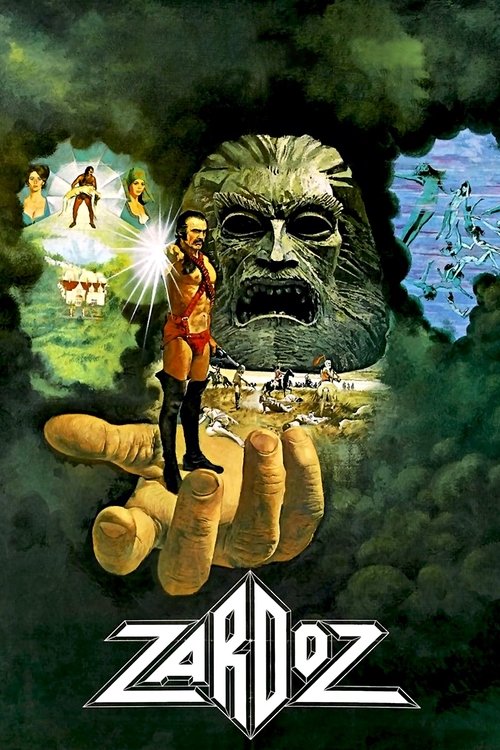
Zardoz1974
Sean Connery in the strangest film of his career: bizarre, uncompromising, visually arresting sci-fi that builds a genuinely alien world. Absolutely fearless in its strangeness.
But It's genuinely hard to parse, deliberately opaque, and prioritizes mood over plot clarity. Not a movie that meets you halfway.
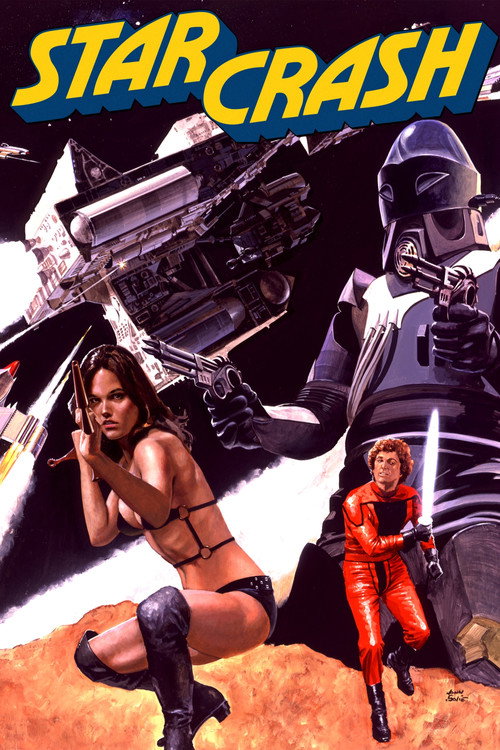
Starcrash1978
Italian space opera with Caroline Munro, practical models, and a tone somewhere between sincere adventure and gleeful kitsch. The ambition far outpaces the budget in the best way.
But Technical rough edges and a narrative that doesn't always hold together. You're watching for spectacle and spirit, not coherence.
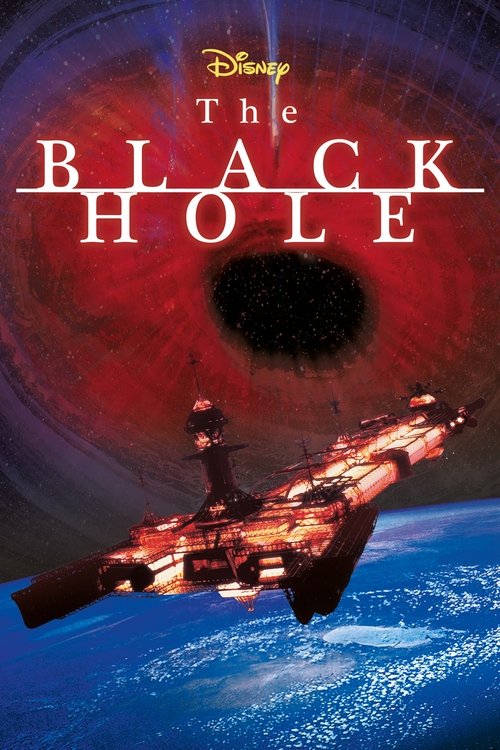
The Black Hole1979
Disney's attempt to make a prestige sci-fi thriller aboard a doomed spacecraft. Atmospheric, genuinely eerie, with a production design that still impresses.
But The script fumbles the third act, and some of the choices feel dated. It reaches higher than it ultimately lands.
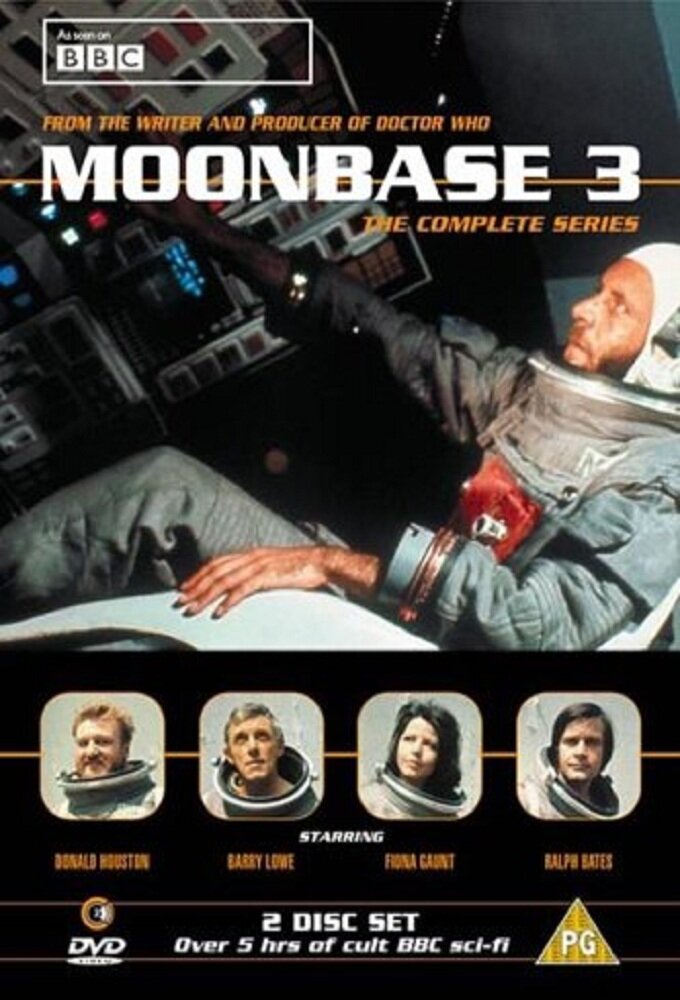
Moonbase 31973
A quieter, more grounded take on lunar colony life with real scientists involved in the writing. Thoughtful, procedural, often unsettling in its specificity.
But Quieter means slower, and some episodes feel more like technical problem-solving than drama. Patience required.
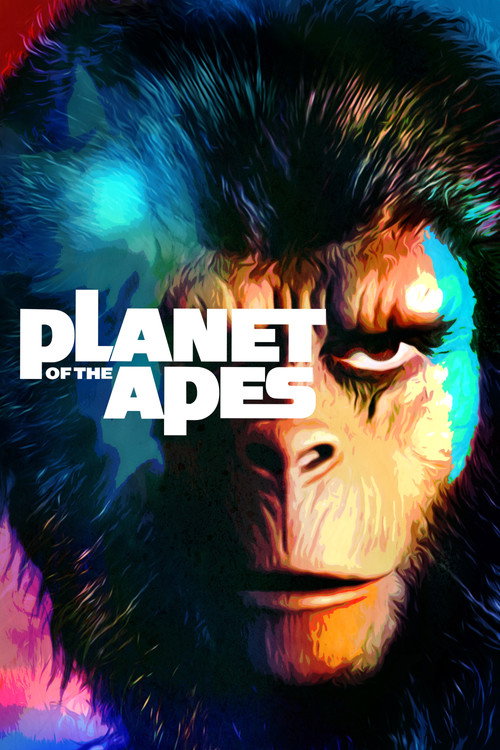
Planet of the Apes1968
A masterpiece of dystopian sci-fi that works as action, philosophy, and social commentary simultaneously. Charlton Heston, stunning makeup, a twist that still lands.
But The first film overshadows the others, and its political allegory can feel blunt now. Also just very seventies in its sensibilities.
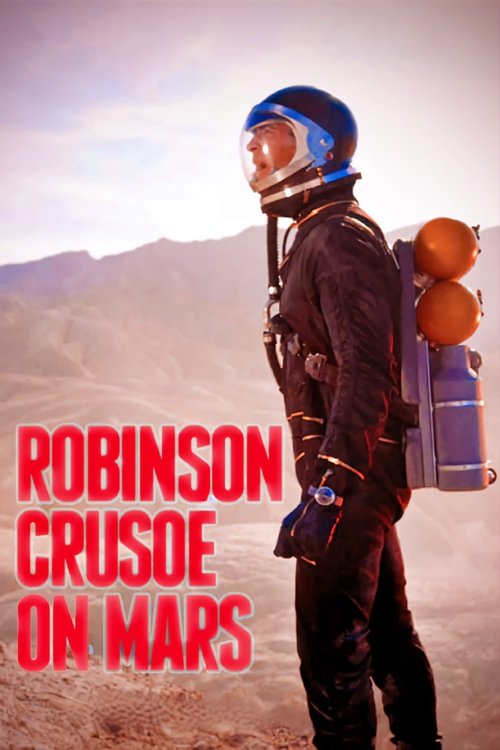
Robinson Crusoe on Mars1964
A genuinely strange survival story on an alien planet with practical effects and a willingness to sit with isolation. Underrated and quietly inventive.
But Not much happens in the second half, and the pacing is deliberate to the point of testing. It's a mood piece, not an action film.
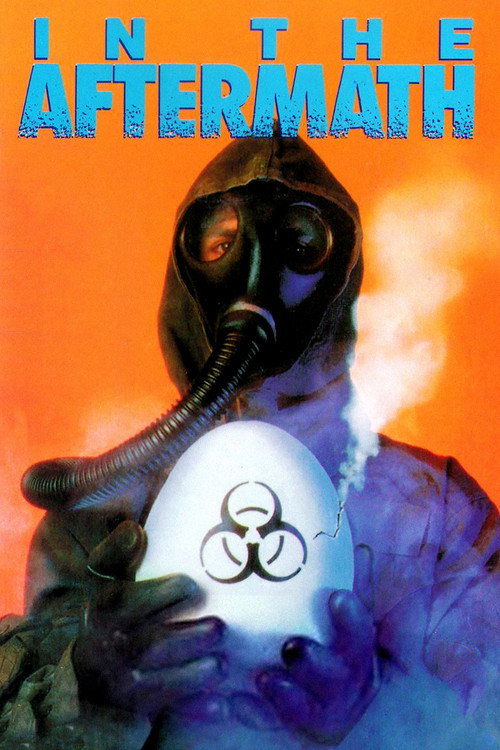
In the Aftermath1988
Both depict humanity's refuge in domed/enclosed spaces after planetary catastrophe; both build worlds through environment rather than exposition.
A post-apocalyptic film from Russia about drift and survival in a devastated world. Genuinely haunting, visually striking, and utterly unlike Western sci-fi conventions.
But Slow, poetic, almost dialogue-free for stretches. Requires patient viewing and tolerance for ambiguity. Not an action film.
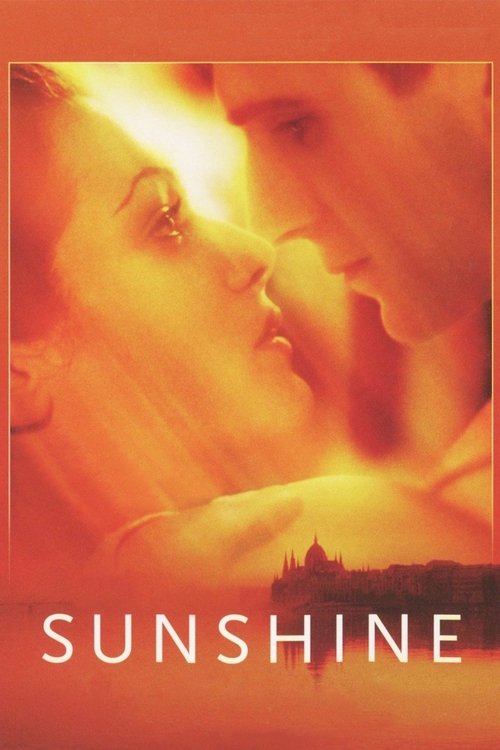
Sunshine1999
Both embrace the adventure-film form while refusing its consolations; both ask what survival actually costs and who gets to survive, with no easy answers.
László Nemes' predecessor shows his entire visual vocabulary: a desperate mission in a confined space where physics and fate matter more than heroics. Epic scale, intimate focus.
But It's a companion to Nemes' later Holocaust film; this is a Soviet space disaster. Very heavy, very uncompromising, not traditionally cathartic.
People
Cast
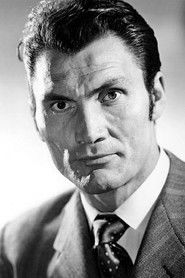 Jack PalanceOmus
 Carol LynleyNikki
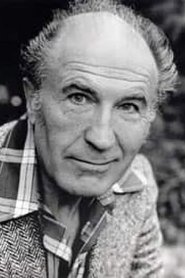 Barry MorseDr. John Caball
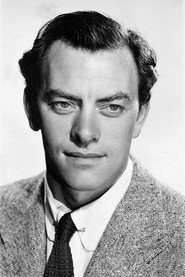 John IrelandSenator Smedley
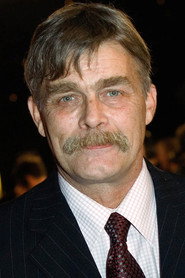 Nicholas CampbellJason Caball
 Anne-Marie MartinKim Smedley
- Greg SwansonSparks (voice)
- Mark ParrSparks
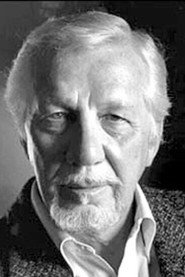 William HuttLomax (voice)
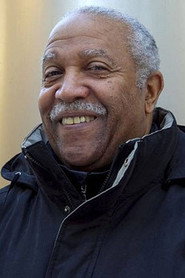 Ardon BessMerrick
 Lynda Mason GreenLunar technician
- Albert HumphriesRobot technician
Directing
- Blanche McDermaidContinuity
- George McCowanDirector
- Gord RobinsonFirst Assistant Director
- David ShepherdSecond Assistant Director
- Michael MacDonaldThird Assistant Director
Writing
- Joseph GlaznerAdaptation
- Mike ChedaAdaptation
- H. G. WellsNovel
- Martin LagerScreenplay
Production
- John DanylkiwAssociate Producer
- Ali KarnickCasting
- Maria ArmstrongCasting
- Harry Alan TowersExecutive Producer
- Tony LucibelloLocation Manager
- William DavidsonProducer
- Barry LeylandProduction Accountant
- Marilyn StonehouseProduction Manager
- Kristine M. GilbertProduction Secretary
- Joan HounsellPublicist
Recommended by
Aelita: Queen of Mars, The Cat from Outer Space, Planet of the Apes, The Tunnel, Day the World Ended