
Film
Aelita: Queen of Mars
A Soviet silent film that asks what revolution might look like on another world. A young engineer rockets to Mars, falls in love with the Queen, and sparks an uprising against her tyrannical advisors. It's a dazzling collision of Constructivist design, geometric sets, and political idealism—visually unlike anything made before or since. For anyone curious what 1920s science fiction looked like when it took itself seriously.
Should you watch it?
Watch it if you love silent-era science fiction where bold sets, constructivist design and a sense of revolutionary fervour matter as much as the plot, and you enjoy seeing early cinema strain toward the future.
Skip it if you need brisk pacing and modern effects, since the story moves at a deliberate silent-film tempo and the Martian scenes can feel stagey and rough around the edges.
What it asks of you: Almost two hours of patient silent storytelling, with long stretches of gesture and title cards; it rewards close looking more than quick attention.
Not sure? Find tonight's pick in a minute.
If you liked this
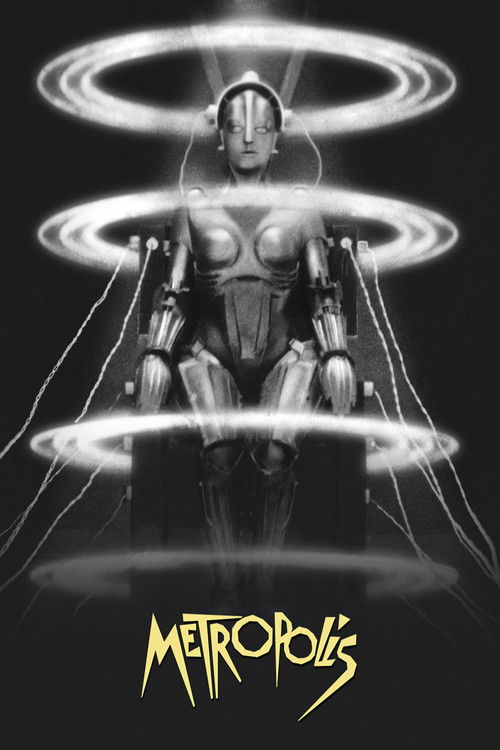
Metropolis1927
Fritz Lang's masterpiece of futuristic cities and class revolt. Equally gorgeous, equally political, and made just three years later—proof Aelita wasn't alone in imagining sci-fi as a vehicle for utopian thought.
But At 153 minutes and silent, it demands patience. The restored versions are better, but no cut is truly complete, and that incompleteness can feel frustrating.
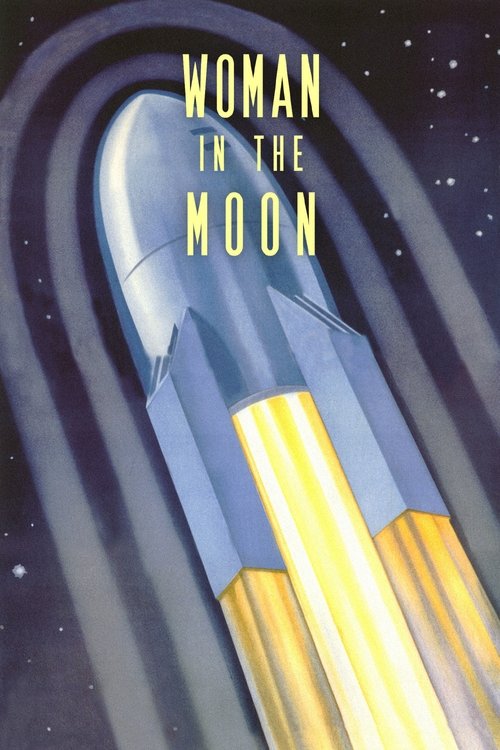
Woman in the Moon1929
Lang again, this time sending people to the actual Moon with rigorous (for the time) scientific detail. A thriller wrapped in hard sci-fi, with a female lead who's resourceful and not purely decorative—rare for 1929.
But The pacing is slower than modern sci-fi, and a significant subplot involves greed and betrayal that can feel melodramatic to contemporary eyes.
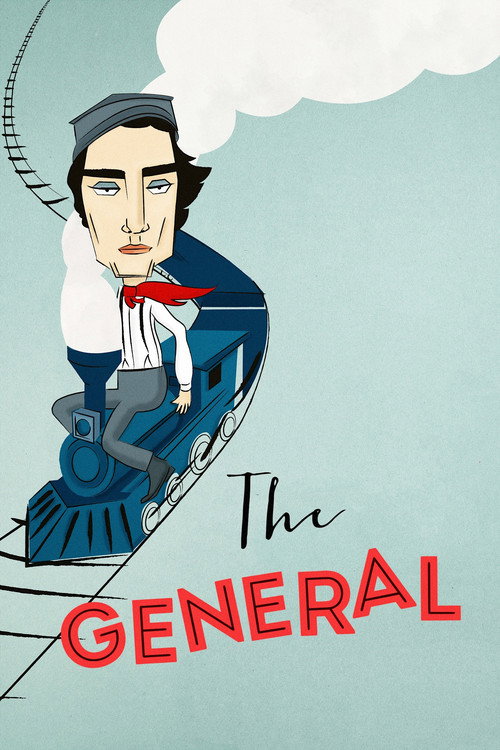
The General1926
Buster Keaton's masterpiece of silent physical comedy, made the same year as Aelita. Completely different in tone but equally ingenious in how it builds meaning from images rather than words. A reminder of what cinema could do before sound arrived.
But If you're expecting dialogue-driven narrative, you'll miss it entirely. Some sight gags haven't aged well; others depend on understanding period technology.
Not sure tonight? Get a pick in a minute, starting from Aelita: Queen of Mars
The wildcard
Something you would not have found on your own.
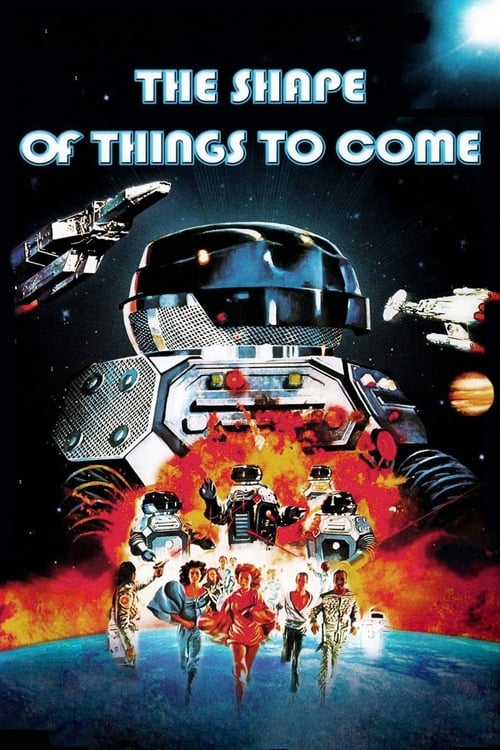
The Shape of Things to Come1979
Both films use utopian sci-fi as a blueprint for political change, both prize design and spectacle, and both were made by filmmakers who believed cinema could reshape how audiences thought about the future.
H.G. Wells's own adaptation of his futurist novel—art deco design, a world government, flying cities. Where Aelita imagined revolution on Mars, Wells imagined it on Earth, using cinema as a manifesto. A direct ideological heir, but twelve years later and with sound.
But The dialogue is talky and didactic; Wells was less interested in drama than in explaining his vision. The pacing stops dead whenever the philosophy needs airing.
More like this (8)
Battleship Potemkin1925
Sergei Eisenstein's revolutionary film about revolution—Soviet montage editing at its peak. Like Aelita, it's politically urgent and visually radical, though it trades Mars for Odessa and fantasy for documentary-style realism.
But The political message is unambiguous and sometimes heavy-handed. If didacticism puts you off, this won't convert you.

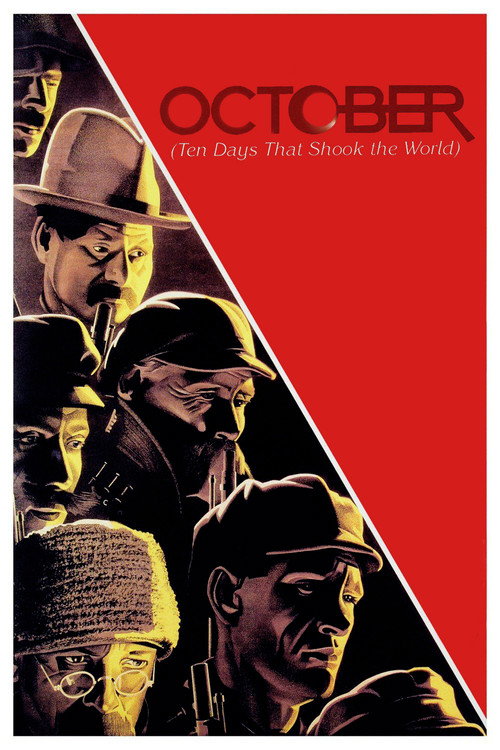
October (Ten Days that Shook the World)1928
Eisenstein's other masterpiece, depicting the Russian Revolution itself. The same visual genius and political passion as Potemkin, but bigger in scope. Essential context for understanding why Aelita's revolution mattered so much to its makers.
But It's abstract and symbolic rather than narrative—harder to follow than Potemkin, and nearly three hours long. Patience is not optional.
The Phantom Carriage1921
Swedish silent film about a ghost returning on New Year's Eve. Masterfully composed and genuinely eerie, it proves the era produced great cinema across genres. If you loved Aelita's visual ambition, this shows what else was possible.
But It's a ghost story, not sci-fi, so the connection may feel distant. The melodrama is heavy, and the moral ending is preachy.

Nosferatu1922
F.W. Murnau's vampire film—the same era as Aelita but German Expressionism instead of Soviet Constructivism. Both films use production design as their main storytelling tool; this one proves that visual language was the great innovation of silent cinema.
But It's a horror film, which means sustained dread rather than utopian excitement. The pacing is glacial by modern standards.

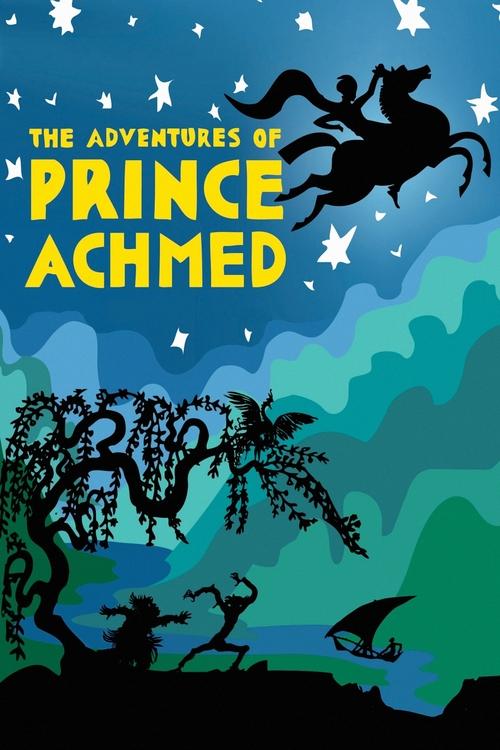
The Adventures of Prince Achmed1926
A silhouette animation fantasy of dizzying imagination and charm. Made the same year as Aelita, it proves that silent cinema's visual revolution wasn't limited to live-action—it was happening everywhere at once.
But It's abstract, sometimes confusing, and very long. Animation enthusiasts will treasure it; general audiences often find it slow.
Intolerance: Love's Struggle Throughout the Ages1916
D.W. Griffith's ambitious four-story epic about conflict across centuries. A flawed but undeniable influence on everything that came after, including Aelita. Massive in scale and intention, even if the execution creaks.
But It's nearly four hours, and some of the parallel narratives feel thin. Griffith's politics are complicated, and parts of this film are genuinely uncomfortable.

Stalker1979
Both are Soviet or Russian films that treat science fiction as a mirror for ideology and desire. Aelita asks what we'd build on Mars; Stalker asks what we'd want if anything was possible. Same country, opposite centuries, same spiritual DNA.
Andrei Tarkovsky's meditation on desire, faith, and the unknown—a slow pilgrimage through a mysterious zone toward a room that grants wishes. Visually as precise as Aelita, but interior and philosophical rather than external and revolutionary. Russian cinema at its most hypnotic.
But It is very slow. Nearly three hours of deliberate pacing, long takes, and minimal plot. If you want momentum, this will test you severely.

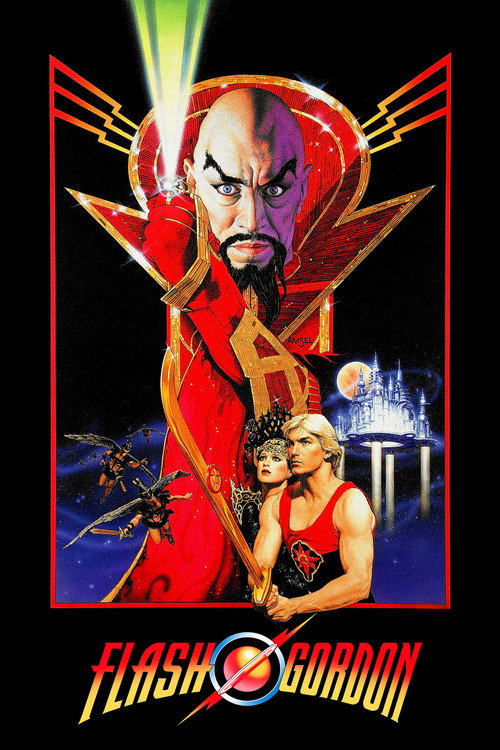
Flash Gordon1980
Both feature benevolent or romantic queens ruling other worlds; both are design-obsessed visual fantasies unconcerned with realism; both treat the arrival of an outsider as a catalyst for upheaval. But where Aelita is earnest, Flash Gordon winks at the camera—same DNA, opposite registers.
Mike Hodges's cult sci-fi operetta—impossibly colorful, campy, earnest, with Queen Frahna and her father Ming ruling a planet with the aesthetic of a glam rock concert. Aelita influenced generations of space opera; Flash Gordon is the moment that lineage went deliriously, gloriously off the rails.
But It's broad, silly, and self-aware in a way that can read as empty. If you take sci-fi seriously, this will seem like a parody. If you don't, you might think it's trying too hard.
People
Cast
 Yuliya SolntsevaAelita, Queen of Mars
 Igor IlyinskyKravtsov - amateur sleuth
- Nikolai TseretelliEvguieni Spiridinov
 Nikolai BatalovGusev, Red Army Soldier
 Vera OrlovaNurse Masha, Gusev's Wife
 Valentina KuindzhiNatasha, Los' Wife (as Vera Kuindzhi)
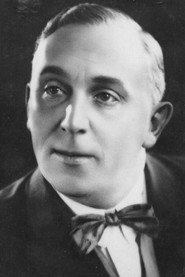 Pavel PolViktor Ehrlich, Sugar Profiteer
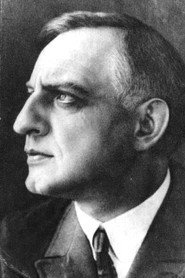 Konstantin EggertTuskub, Ruler of Mars
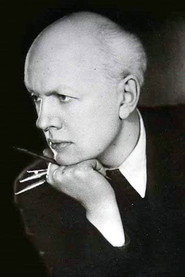 Yuri ZavadskyGol, Radiant Energy Tower Guardian
 Aleksandra PeregonetsIhoshka, Aelita's Maidservant
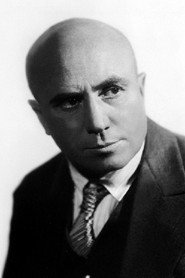 Iosif TolchanovMars Astronomer with Ihoshka
- N. TretyakovaYelena, Ehrlich's Wife
Directing
- David MorskoiAssistant Director
- Yakov ProtazanovDirector
Writing
- Aleksei TolstoyNovel
- Aleksei FajkoScreenplay
- Fyodor OtsepScreenplay
Production
- Moisey AleynikovProducer
Recommended by
A Trip to the Moon, The Mysterious Island, First Men in the Moon