
Film
Woman in the Moon
Fritz Lang's 1929 silent masterpiece imagines a lunar voyage with stunning technical ambition and romantic intrigue. A scientist's dream of reaching the moon collides with greed, betrayal, and the engineering limits of his era. It's visually magnificent, genuinely thrilling, and moves at a pace that rewards patience—a foundational work of science fiction cinema that still astonishes.
Should you watch it?
Watch it if you love silent-era spectacle where the sheer ambition of the machinery, rockets built by hand and crowds pressing toward a launch, carries the emotion as much as the performers do.
Skip it if you need brisk pacing or modern special effects; at nearly three hours, its long stretches of intertitles and deliberate setup can test patience even among admirers of early cinema.
What it asks of you: Settle in for a very long, unhurried sitting; it moves at the pace of 1929 filmmaking, lingering on preparations and gestures, so attention drifts easily unless you give it room.
Not sure? Find tonight's pick in a minute.
If you liked this
Metropolis1927
Lang's earlier epic of futuristic cities and social upheaval. If Woman in the Moon captivates you, this is the logical next step: grander in scale, equally visionary in design, with the same sense of cinema as engineering marvel.
But It's even longer than Woman in the Moon, and the restoration debate means you'll find multiple versions. The gender politics are distinctly of their moment.

Nosferatu1922
A contemporary silent film with comparable visual poetry and atmosphere. Where Woman in the Moon dreams upward, Nosferatu descends into dread—both prove silent cinema could achieve genuine grandeur without dialogue.
But The pacing is slow and hypnotic rather than propulsive. If you want plot momentum, this will test you.

The Phantom Carriage1921
Another Swedish silent that uses technical innovation to create something emotionally piercing. Shares Woman in the Moon's faith in cinema as a tool for the impossible, but trades rockets for ghosts and redemption.
But It's a ghost story about mortality and regret, not adventure. The melancholy may feel heavy if you're in the wrong mood.

Not sure tonight? Get a pick in a minute, starting from Woman in the Moon
The wildcard
Something you would not have found on your own.
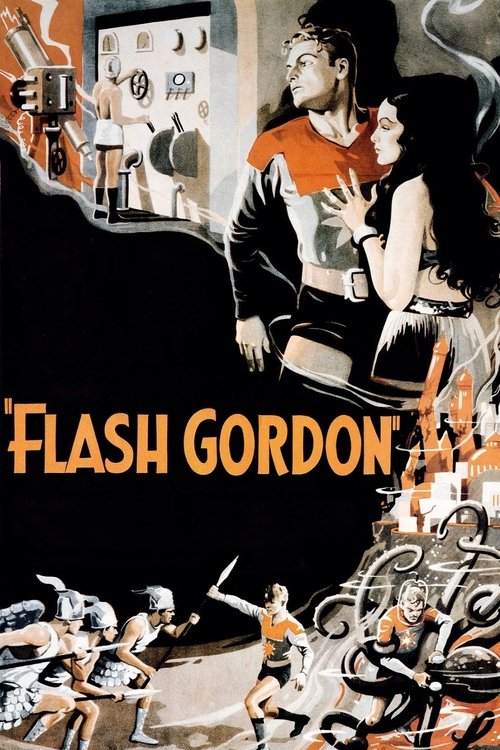
Flash Gordon1936
Both films were the first serious cinematic treatments of space travel; Flash Gordon builds directly on Woman in the Moon's visual and narrative vocabulary, but with a completely different register—earnest pulp versus ambitious drama.
A direct descendent of Woman in the Moon's space adventure DNA, now with dialogue and a pulpier sensibility. Watching how this film adapted Lang's vision into serial entertainment is endlessly fun, and it's genuinely entertaining on its own terms.
But It's campy and silly, which works against it if you're in a reverent mood about early sci-fi. Some find it charming; others find it infantile.
More like this (8)
Intolerance: Love's Struggle Throughout the Ages1916
Griffith's vast, ambitious narrative tapestry shows what silent cinema could attempt before Lang. A different kind of vision, but equally committed to scale and spectacle as a way to move audiences.
But At three and a half hours across four time periods, it demands real endurance. Some of the emotional beats land harder than others.

Battleship Potemkin1925
Eisenstein's revolutionary approach to montage and movement. Where Lang builds awe through design, Eisenstein builds it through editing. Both are essential silent cinema, just different engines.
But It's a propaganda film about a mutiny, and the politics are very present. The rhythm is avant-garde, which some find exhilarating and others find exhausting.

Sunrise: A Song of Two Humans1927
Murnau's masterpiece of intimate human drama shot with the visual sophistication of Woman in the Moon. Proof that silent cinema could break your heart as easily as it could take your breath away.
But It's a quiet film about infidelity and forgiveness. If you're after spectacle, this is delicate rather than grand.

The Golem: How He Came into the World1920
Wegener's expressionist fantasy about creation and responsibility. Shares Woman in the Moon's interest in ambitious men playing with forces beyond their control, wrapped in shadowy, sculptural beauty.
But The plot is thin and the pacing medieval. It's more mood and design than narrative drive.

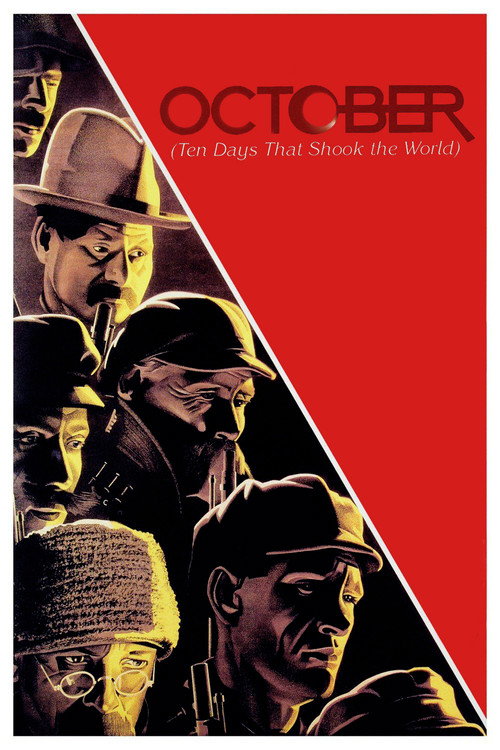
October (Ten Days that Shook the World)1928
Eisenstein's historical epic uses montage to create something monumental. Another silent film that proves scale and innovation could combine to move audiences in ways dialogue never could.
But It's a film about revolution with a clear political agenda. The editing style is dense and demands active viewing.
The Last Laugh1924
Murnau without narrative grandeur—a small story about a doorman told with visual brilliance. Shows that silent cinema's innovation wasn't confined to epics; intimacy could be just as groundbreaking.
But It's achingly sad and very much about decline and humiliation. Not an uplifting evening, and the story is deliberately modest.

House1977
Both are films obsessed with showing you impossible things through technical innovation—but where Lang used it to make the fantastical feel real, Obayashi uses it to make reality feel fractured and dreamlike. Both prioritize the audience's sense of wonder over conventional storytelling.
Obayashi's utterly unhinged horror-comedy about a haunted house. It's visually surreal and tonally chaotic in ways that shouldn't work but do. If you loved the technical audacity and visual invention of Woman in the Moon, this is for people who want to see what happens when technique becomes pure style.
But It's aggressively weird and deliberately incoherent. It has almost no plot and trades narrative for pure visual and emotional sensation. Some viewers find it pretentious or exhausting rather than liberating.

Ikarie XB 11963
Both are serious, technologically-minded films about humanity reaching for space, made by filmmakers who believed cinema could make the impossible tangible. Ikarie XB 1 is what Woman in the Moon might have become if made thirty years later in a different country—the same faith in vision, updated by real physics and Cold War anxiety.
A Czechoslovak space exploration film that channels Woman in the Moon's ambition into a genuine sci-fi narrative about a crewed mission to another star. It's sober, intelligent, and visually striking in ways that feel descended from Lang but evolved through the Soviet space age.
But It's slow and procedural, with an ensemble cast and competing philosophies rather than a love triangle driving plot. The stakes are cerebral, not personal, which some find cold.

People
Cast
 Willy FritschWolf Helius
 Gerda MaurusFriede Velten
 Klaus PohlGeorg Manfeldt
 Fritz RaspWalt Turner
 Gustav von WangenheimHans Windegger
 Tilla DurieuxFünf Gehirne und Scheckbücher
 Margarete KupferFrau Hippolt
 Alexa von PorembskyVeilchenverkäuferin
 Gerhard DammannWerkmeister
 Heinrich GothoMieter
- Alfred LorettoZwei eindeutige Existenzen
 Gustl GstettenbaurGustav
Directing
- Fritz LangDirector
Writing
- Thea von HarbouNovel
- Fritz LangScreenplay
- Hermann OberthScreenplay
- Thea von HarbouScreenplay
Production
- Fritz LangProducer