
Film
Ikarie XB 1
- Science fiction
- Very dark
A 1963 Czechoslovak vision of deep-space exploration where a multinational crew ventures toward a distant star. Beautifully designed, deliberately paced, and preoccupied with the psychological and social architecture of surviving together in isolation. It's utopian sci-fi that takes its ideas seriously—about cooperation, human nature, and what we carry into the future.
Should you watch it?
Watch it if you love earnest, talky early science fiction where the ideas come from crew debate rather than set pieces, and enjoy watching a genre find its feet.
Skip it if you need brisk pacing and fast-moving action, since this moves at a deliberate, often stilted pace and its characters can feel more like mouthpieces than people.
What it asks of you: Eighty-eight minutes, most of it aboard the ship in talk and quiet, asks for patience; the mood is cool and cerebral rather than thrilling, and the pauses do real work.
Not sure? Find tonight's pick in a minute.
If you liked this
Solaris1972
Andrei Tarkovsky's meditative masterpiece about a space station orbiting an alien ocean. Like Ikarie XB 1, it prioritizes philosophical inquiry and human consciousness over spectacle, and moves with patient intensity through questions that linger after it ends.
But It's very slow. Philosophical cinema demands patience; if you want plot momentum or conventional drama, this will feel like watching paint dry in zero gravity.

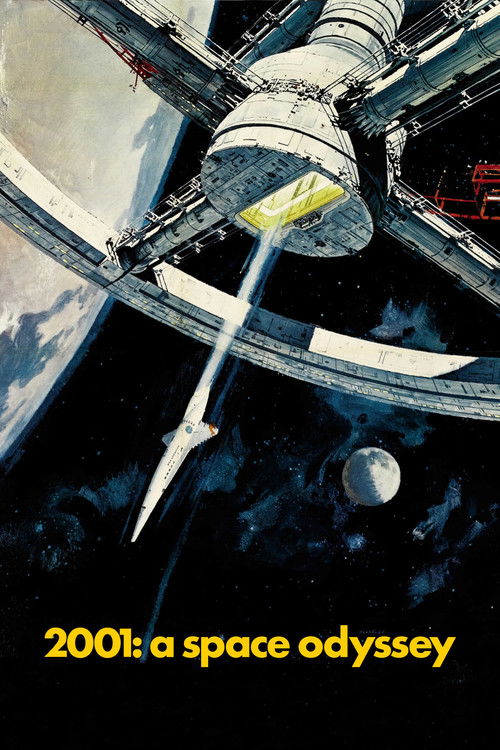
2001: A Space Odyssey1968
Kubrick's epochal vision shares Ikarie's commitment to rigorous, unsentimental space travel and its fascination with how humans might evolve beyond themselves. Both films trust the audience to sit with ambiguity and visual wonder.
But Nearly three and a half hours, deliberately enigmatic, and interested in technology and philosophy rather than character arcs. It can feel cold, even alienating.
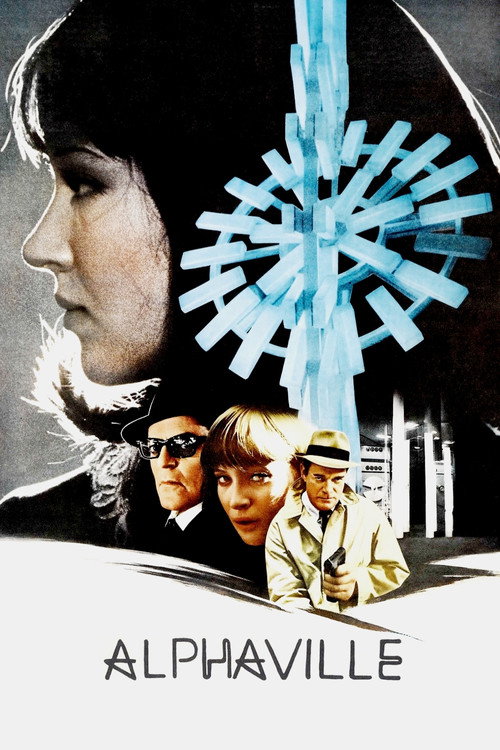
Alphaville1965
Godard's sci-fi oddity uses 1960s Paris as a dystopian future city. Like Ikarie, it's more interested in ideas—language, surveillance, human connection—than in extrapolating technology, and it shares that era's cool, intellectual approach to genre.
But Deliberately fragmented, deliberately frustrating. Godard is testing you as much as entertaining you, and that can feel exhausting rather than rewarding.
Not sure tonight? Get a pick in a minute, starting from Ikarie XB 1
The wildcard
Something you would not have found on your own.
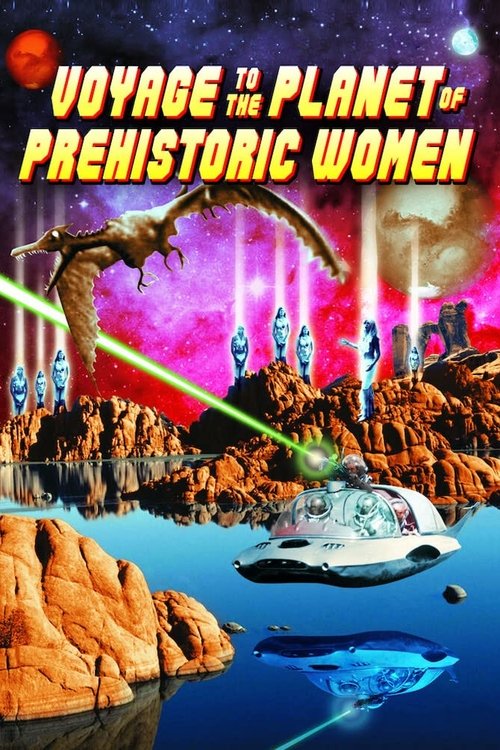
Voyage to the Planet of Prehistoric Women1968
Both are products of mid-century Cold War optimism about space, both feature multinational, women-inclusive crews, and both believe space travel is ultimately about human connection rather than conquest.
A gloriously strange Soviet-American co-production that shares Ikarie's earnest, utopian vision of space exploration, complete with women cosmonauts and a humanist faith in discovery. It's also gorgeously trashy—a genuine window into Cold War sci-fi delirium.
But The editing is chaotic, the logic is incomprehensible, and it moves between earnestness and pure camp without irony. You have to surrender to its oddness.
More like this (5)
Stalker1979
Another Tarkovsky meditation on human purpose and desire, this time set in a mysterious zone on Earth. It mirrors Ikarie's concern with consciousness, group psychology, and the weight of ambition—but in a stranger, more metaphysical register.
But Nearly three hours of slow, hypnotic imagery. If you approach it looking for conventional narrative momentum, you will be profoundly disappointed.

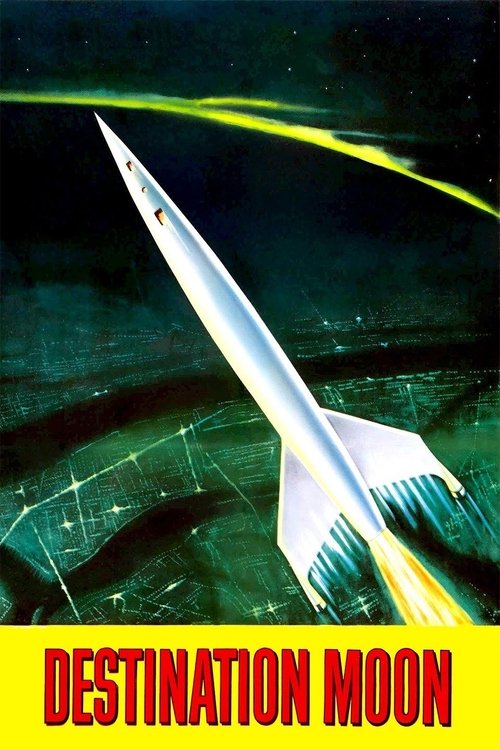
Destination Moon1950
George Pal's earnest, science-minded predecessor shares Ikarie's faith in rational planning and international cooperation, with similarly meticulous production design and a crew solving problems rather than fighting monsters.
But The special effects are visibly dated, and the pacing is stately in a way that feels distinctly of the 1950s. It can read as quaint rather than visionary.
Dark City1998
A noir-tinged sci-fi film that trades Ikarie's optimism for noir paranoia, but shares its commitment to atmosphere, design, and the psychological toll of isolation and surveillance. It's immersive in a similar way.
But Heavy on mood and visual style, lighter on character development. Some find it beautiful; others find it hollow.

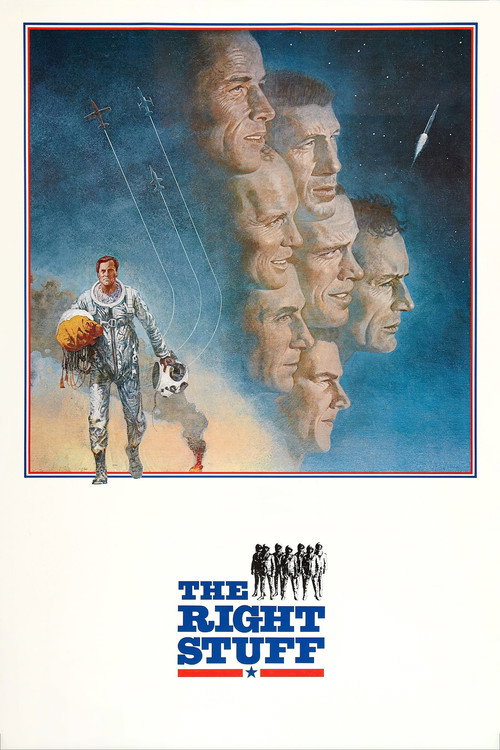
The Right Stuff1983
Kaufman's epic traces the Mercury space program with the same veneration for human courage and teamwork that Ikarie brings to the cosmos. Both films treat exploration as a heroic, collective endeavor with real stakes.
But Over three hours, episodic, and centered on American exceptionalism in a way that dates it. Not everyone connects with period nostalgia of this stripe.
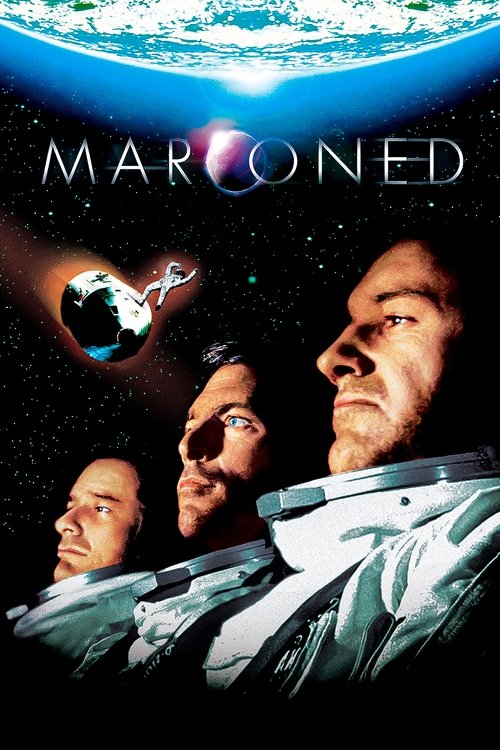
Marooned1969
A NASA-adjacent thriller about a space rescue that shares Ikarie's interest in technical problem-solving and crew dynamics under pressure, with that same 1960s faith in science and procedure as salvation.
But It's quite earnest and procedural, which can feel dry. The space hardware steals focus from character, and the pacing is methodical to the point of tedium.
People
Cast
 Zdeněk ŠtěpánekCaptain Vladimír Abajev
 František SmolíkAnthony Hopkins, Mathematician
 Dana MedřickáNina Kirová, Sociologist
 Irena KačírkováBrigitta
 Radovan LukavskýCommander MacDonald
 Otto LackovičMichal, Coordinator
 Miroslav MacháčekMarcel Bernard
 Jiří VršťalaErik Svenson, Pilot
 Rudolf DeylErvin Herold, Pilot
 Jaroslav MarešMilek Wertbowsky
 Martin ŤapákPetr Kubeš, Biologist
- Marcela MartínkováŠtefa, Wertbowsky's wife
Directing
- Jindřich PolákDirector
- Hynek BočanFirst Assistant Director
- Eva MičulkováScript Supervisor
- Jiří RůžičkaSecond Assistant Director
Writing
- Vladimír BorCreative Producer
- Stanisław LemNovel
- Jindřich PolákScreenplay
- Pavel JuráčekScreenplay
- Jindřich PolákStory
- Pavel JuráčekStory
Production
- Jiří ŠeborExecutive Producer
- Eliška DoubkováProduction Assistant
- Ferdinand ZelenkaProduction Assistant
- Rudolf WolfProduction Manager
- František JaderníkUnit Production Manager
- Ludmila TikovskáUnit Production Manager
Recommended by
Dark Star, Meteor, Marooned, Woman in the Moon, Doppelgänger, The Fury, This Island Earth, Red Planet Mars, Andromeda Nebula, The Bamboo Saucer, Warning from Space, Doctor Who: An Unearthly Child, Conquest of Space, Inuyashiki, The Gladiators