
Film
Meteor
A 1979 disaster thriller where Sean Connery and an international cast race to stop a city-sized meteor with nuclear satellites. It's earnest, propulsive, and stuffed with period-specific Cold War intrigue—the kind of film that believed apocalypse was imminent and cinema should say something about it. Pure blockbuster ambition from an era that didn't apologize for spectacle.
Should you watch it?
Watch it if you relish seventies disaster movies built on earnest Cold War bargaining, where superpower politics matter as much as the spectacle and the clunky sincerity is part of the pleasure.
Skip it if the science is hand-waved, the pacing is leisurely for a doomsday story, and the performances are more stiff than gripping, so the stakes can feel abstract.
What it asks of you: Expect under two hours of meetings, countdowns and bulletin-style updates, with the mood steadily urgent rather than dark, and only light attention needed to follow the politics.
Not sure? Find tonight's pick in a minute.
If you liked this
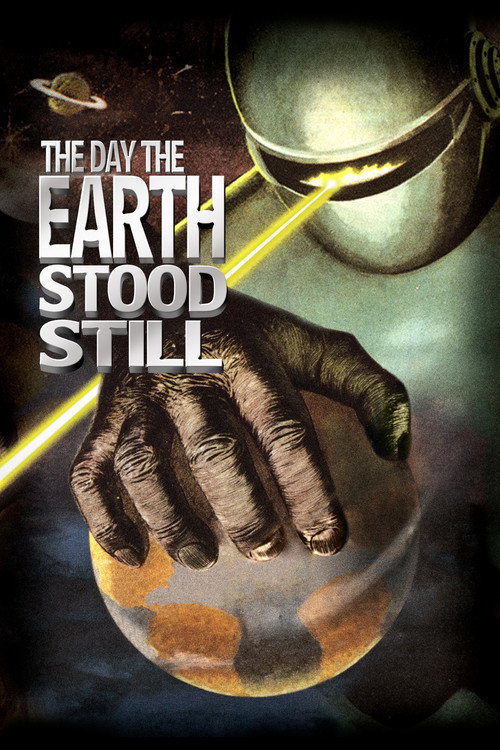
The Day the Earth Stood Still1951
Foundational sci-fi about alien contact forcing geopolitical cooperation. It has the same grave tone and belief that existential stakes demand serious moral reckoning from world powers.
But The pacing is deliberate—talky by modern standards—and the finale prioritizes philosophy over action.
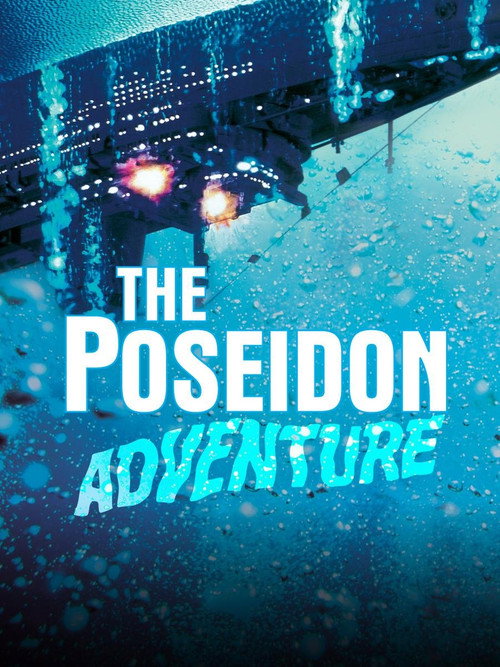
The Poseidon Adventure1972
The disaster-film ancestor: capsized ship, ensemble cast, each person racing against time and their own flaws. It's operatic and occasionally ridiculous, but utterly committed to the spectacle of human survival.
But The disaster itself happens early; everything after is people crawling through corridors. If you need fresh catastrophe every ten minutes, this will feel repetitive.
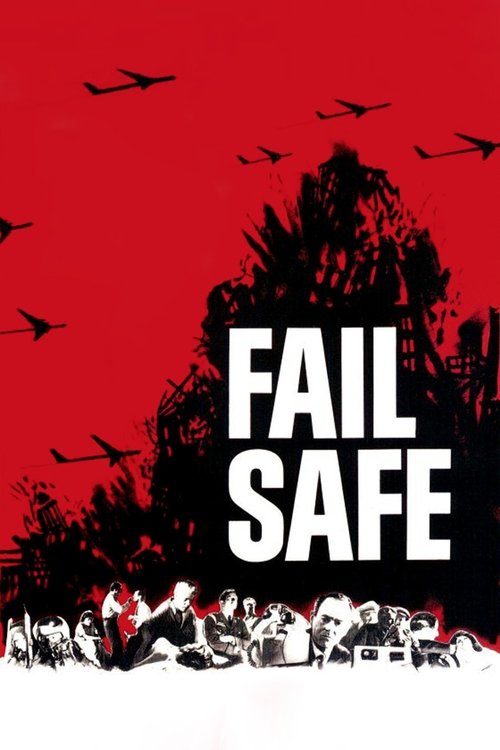
Fail Safe1964
A taut Cold War thriller where American and Soviet command centres must cooperate to prevent nuclear annihilation. It has the same political anxiety and the same belief in reason under pressure.
But It's black-and-white and formally restrained. No spectacle, no relief—just mounting dread and difficult choices.
Not sure tonight? Get a pick in a minute, starting from Meteor
The wildcard
Something you would not have found on your own.
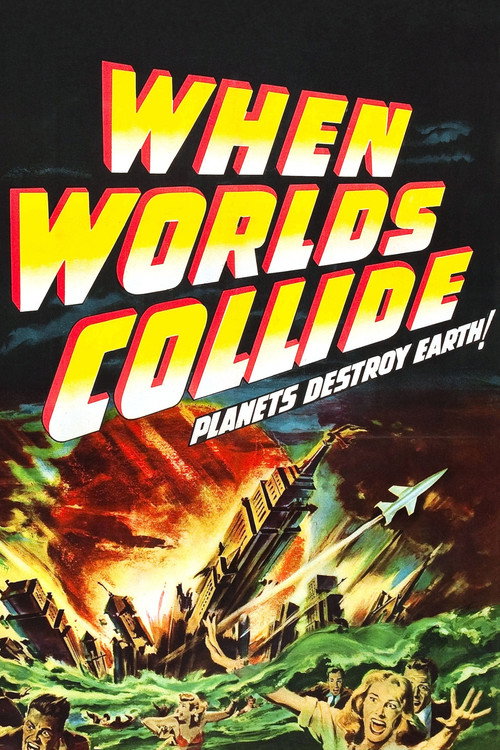
When Worlds Collide1951
Both stage existential crisis as a test of whether nations can overcome ideology to survive; both believe the threat reveals character.
A rogue planet approaches Earth and humanity must choose who deserves salvation. It's older than Meteor by 28 years but uses almost identical plot machinery—the real connection is both films asking whether governments cooperate or fracture under apocalypse.
But The special effects are primitive even by 1951 standards and the film moves at a pace that assumes you have nowhere else to be. Some will find it quaint rather than gripping.
More like this (8)
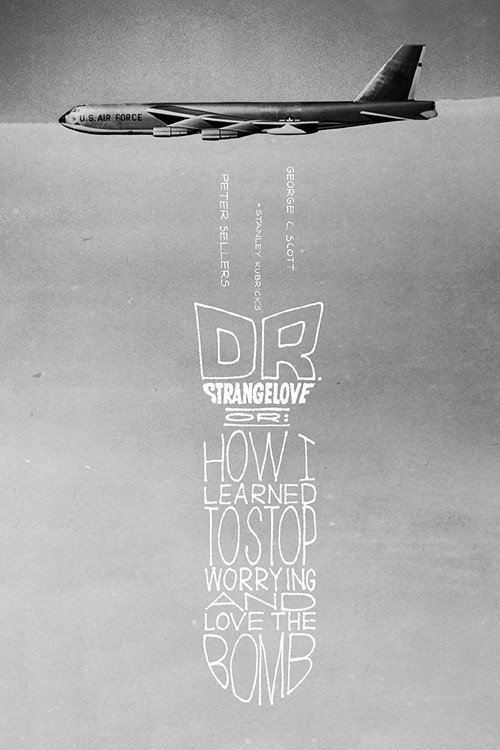
Dr. Strangelove or: How I Learned to Stop Worrying and Love the Bomb1964
Black comedy about nuclear paranoia and Cold War miscalculation. If you want to understand the era Meteor inhabits, this is the mirror image—same stakes, completely different register.
But It's relentlessly cynical and the humour can obscure the actual horror. Some find satire a barrier rather than an entry point to the ideas.
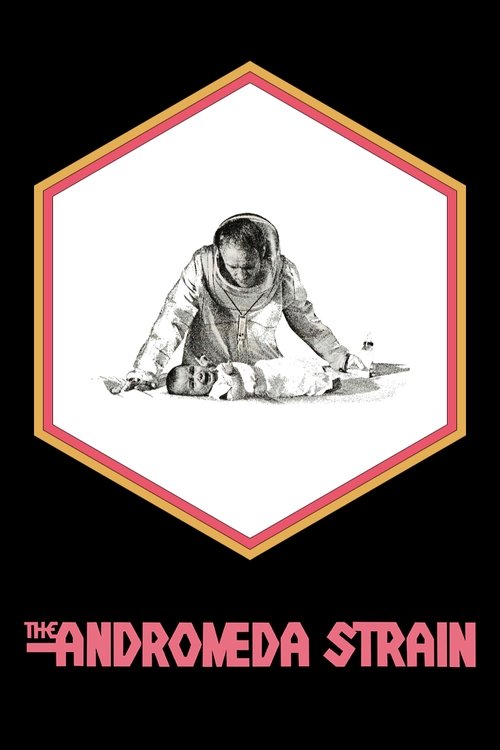
The Andromeda Strain1971
Scientists race to contain an alien microbe before it destroys humanity. Methodical, intelligent, genuinely suspenseful—Robert Wise's direction treats the problem like a puzzle to be solved, not just a scenario to survive.
But It's more cerebral than visceral. The threat is invisible, which some find less gripping than a visible meteor hurtling toward you.
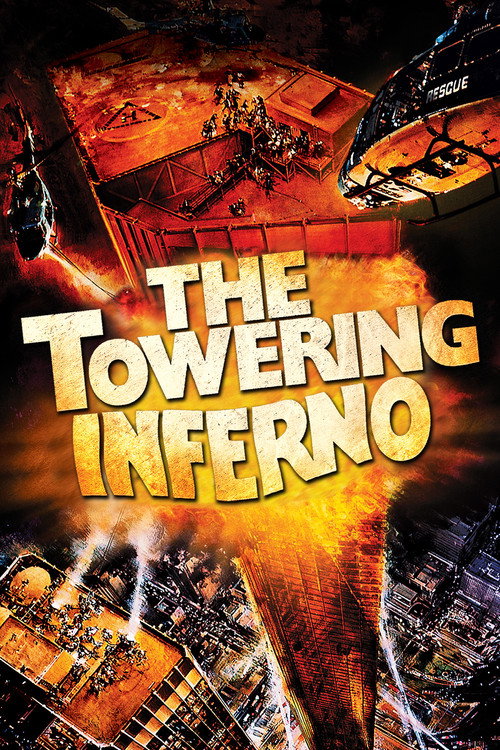
The Towering Inferno1974
Ultra-prestige disaster film with Newman and McQueen trapped in a burning skyscraper. The production design is staggering and the film never stops believing in the reality of the crisis.
But At nearly three hours, it sprawls. The romantic subplot drags, and the film's faith in heroic individualism hasn't aged well.
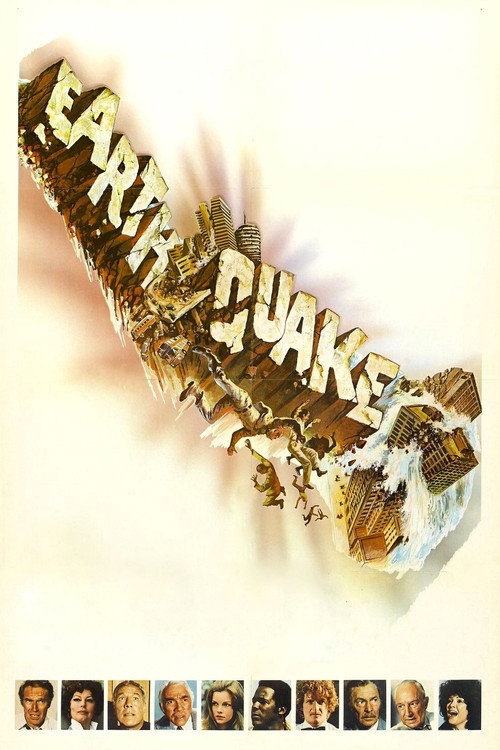
Earthquake1974
Charlton Heston and ensemble navigate Los Angeles's structural collapse. Peak-era disaster spectacle with genuine practical effects and the slightly overwrought emotional tone that made these films so memorable.
But The dramatic scenes between disasters are earnest to the point of unintentional comedy. The gender dynamics are dated in ways that actively grate.
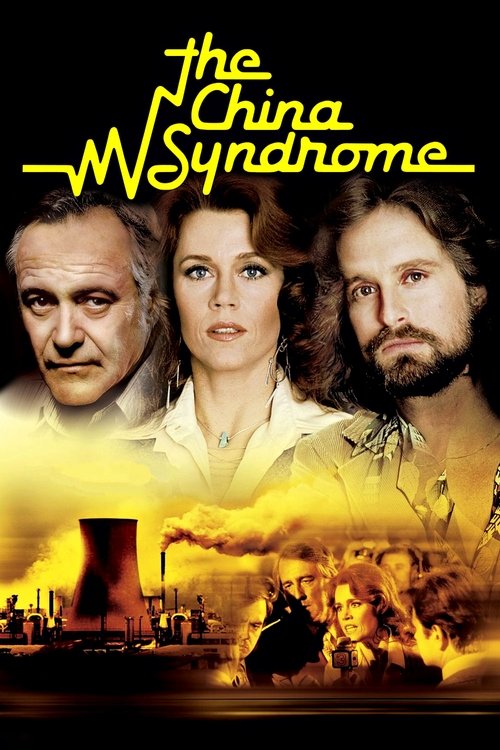
The China Syndrome1979
Released the same year as Meteor and tapping similar Cold War anxieties, this is taut corporate thriller about nuclear meltdown. Fonda and Douglas bring conviction to a scenario that feels genuinely dangerous.
But It's a talking film about policy and cover-ups. If you want Meteor's action and spectacle, this is the opposite direction.
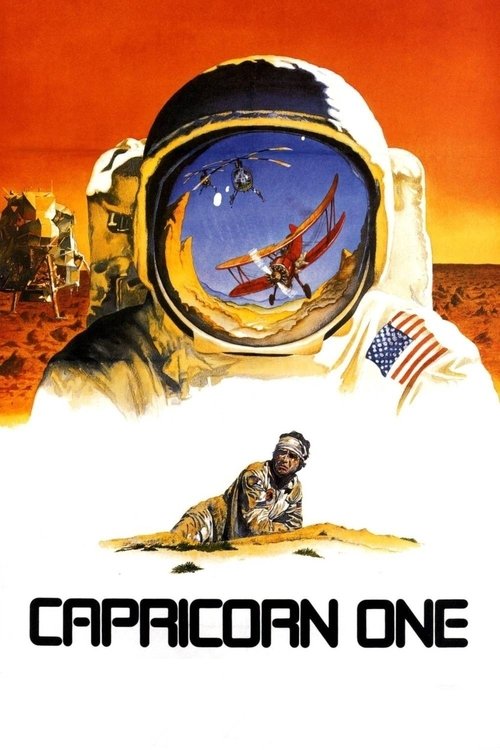
Capricorn One1977
Government conspiracy thriller: a faked Mars landing unravels into a manhunt. It has paranoia, practical stunts, and that specific 70s belief that powerful people are actively lying to you.
But The plot becomes increasingly implausible as it goes. The resolution relies on luck rather than cleverness, which deflates the tension.
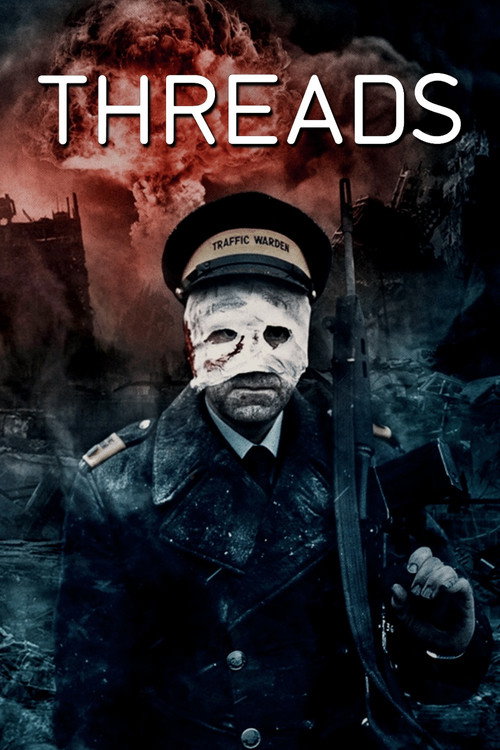
Threads1984
Where Meteor imagines humanity united against external threat, Threads imagines humanity as the threat—same era's anxiety, opposite conclusion.
A British nuclear war docudrama that makes Meteor's Cold War paranoia concrete and unflinching. It's in the same universe of dread—the same understanding that superpowers hold apocalypse in their hands—but rendered in grainy, hyperrealistic detail.
But It's brutally depressing and offers no comfort, heroism, or last-minute rescue. The visual style is intentionally ugly. Many find it unwatchable, and they're not wrong to.
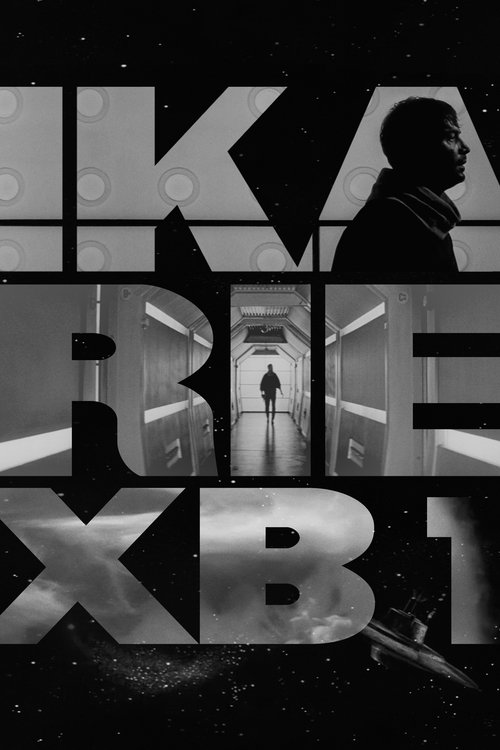
Ikarie XB 11963
Both are earnest Cold War-era films about human cooperation in extreme circumstances; Ikarie looks inward to character, Meteor looks outward to spectacle.
A Czech sci-fi film about a space mission to Venus: formally inventive, visually stunning, and quietly obsessed with how crews survive isolation and maintain cooperation under pressure. It shares Meteor's faith in international crews solving impossible problems, but inward rather than outward.
But It's in Czech with subtitles, the pacing is meditative rather than propulsive, and there's no traditional climax—just philosophical resolution. If you came for disaster spectacle, you'll feel cheated.
People
Cast
 Sean ConneryPaul Bradley
 Natalie WoodTatiana Donskaya
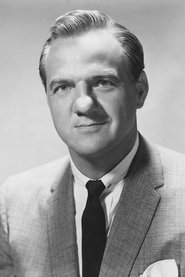 Karl MaldenHarry Sherwood
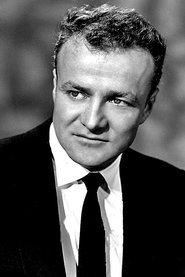 Brian KeithDr. Dubov
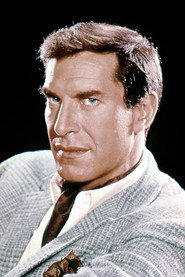 Martin LandauGeneral Adlon
 Trevor HowardMichael Hughes
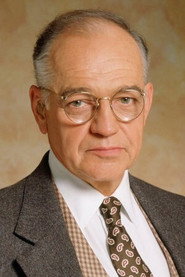 Richard DysartSecretary of Defense
 Henry FondaThe President
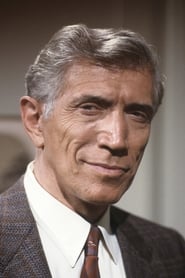 Joseph CampanellaGeneral Easton
 Bo BrundinRolf Manheim
- Katherine De HetreJan Watkins
 James G. RichardsonAlan Marshall
Directing
- Ronald NeameDirector
- Daniel McCauleyFirst Assistant Director
- Albert M. ShapiroSecond Assistant Director
- D. Scott EastonSecond Assistant Director
Writing
- Edmund H. NorthScreenplay
- Stanley MannScreenplay
- Edmund H. NorthStory
Production
- Bill EwingCasting Coordinator
- Gabriel KatzkaExecutive Producer
- Samuel Z. ArkoffExecutive Producer
- Sandy HowardExecutive Producer
- Arnold H. OrgoliniProducer
- Run Run ShawProducer
- Theodore R. ParvinProducer
Recommended by
Armageddon, Damnation Alley, Submersion of Japan, Superman IV: The Quest for Peace