
Film
Capricorn One
A 1977 conspiracy thriller where NASA fakes a Mars landing to save face, then must silence the astronauts who know the truth. Capricorn One is a taut, paranoid film that treats its high concept with complete seriousness, building tension through bureaucratic villainy rather than spectacle. It's for anyone who loves smart thrillers where the real danger comes from institutions, not monsters.
Should you watch it?
Watch it if you enjoy 1970s paranoid conspiracy thrillers with a streak of pulp, where the suspense comes from ordinary people outmaneuvered by institutions and a stubborn reporter refusing to let go.
Skip it if the premise carries more intrigue than the execution, and its action beats and plotting can feel more dated than gripping if you want a sleek, modern thriller.
What it asks of you: Settle in for just over two hours of patient setup before the pursuit picks up, with a deliberate, unfussy pace and a grounded, mostly serious tone.
Not sure? Find tonight's pick in a minute.
If you liked this
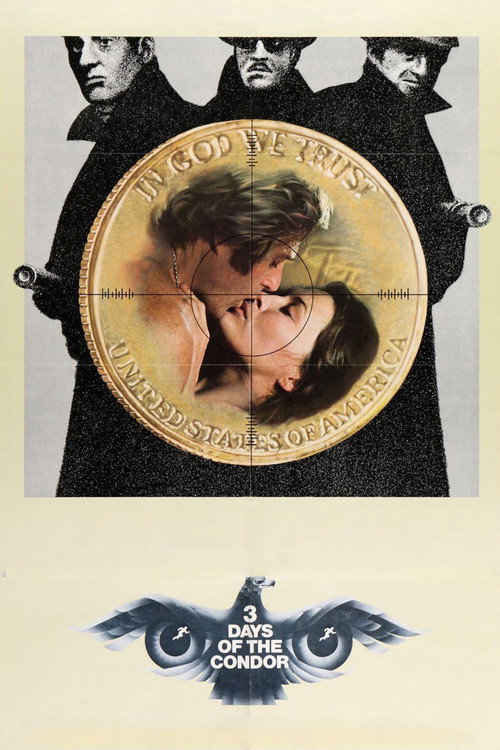
Three Days of the Condor1975
Robert Redford hunted by his own government in a thriller that nails 1970s paranoia and distrust of institutions. Like Capricorn One, it's about ordinary men discovering the system they served has become their enemy.
But The pacing is deliberate and cerebral rather than action-packed, and it requires patience with ambiguity and moral complexity.
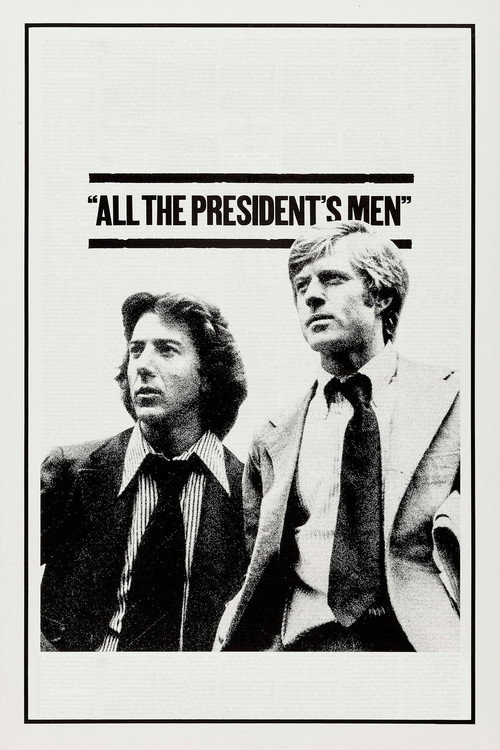
All the President's Men1976
Woodward and Bernstein expose Watergate by following evidence and asking questions—the journalist hero mirrors Caulfield's crusade here. Both films trust viewers to follow procedural detail because the stakes are real.
But It's a talking-heavy political thriller with minimal action; some find the newsroom scenes dry compared to conventional drama.
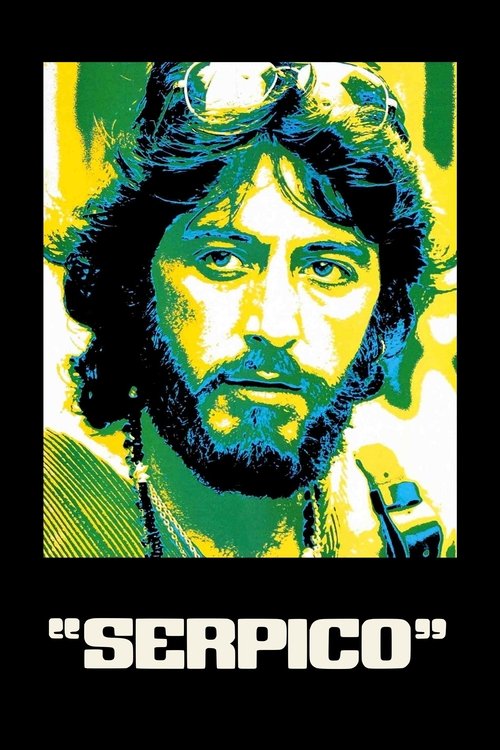
Serpico1973
Al Pacino plays a cop fighting corruption within his own institution, isolated and in danger from those he once trusted. The moral isolation and institutional betrayal echo Capricorn One's core tension perfectly.
But It's a police procedural that meanders between personal and political stakes, and the ending doesn't provide cathartic resolution.
Not sure tonight? Get a pick in a minute, starting from Capricorn One
The wildcard
Something you would not have found on your own.
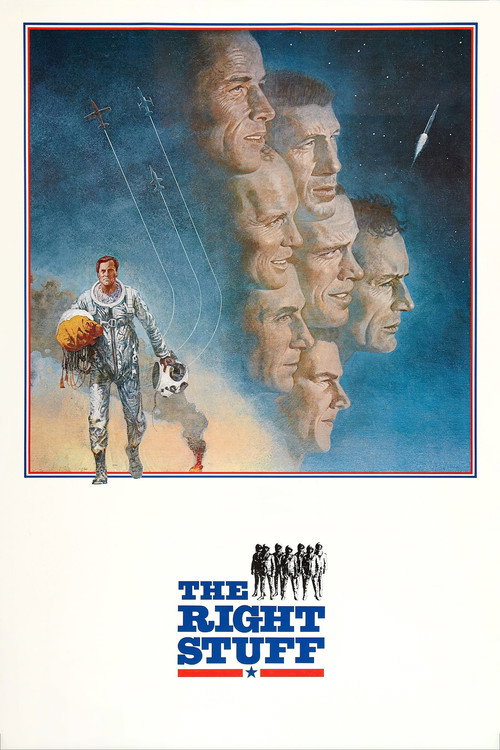
The Right Stuff1983
Both films center on the astronaut program, but where Capricorn One asks 'What if NASA lied?', The Right Stuff asks 'Why were these men worth trusting?' They're inverse examinations of institutional faith.
Philip Kaufman's epic chronicles the real Mercury and Gemini programs with the care and reverence Capricorn One denies them. Watching actual astronauts celebrated after seeing them betrayed makes this the perfect companion piece—it's what the lie in Capricorn One destroys.
But It's a 193-minute ensemble film with a sprawling narrative and no single hero; some find the scope exhausting rather than epic.
More like this (8)
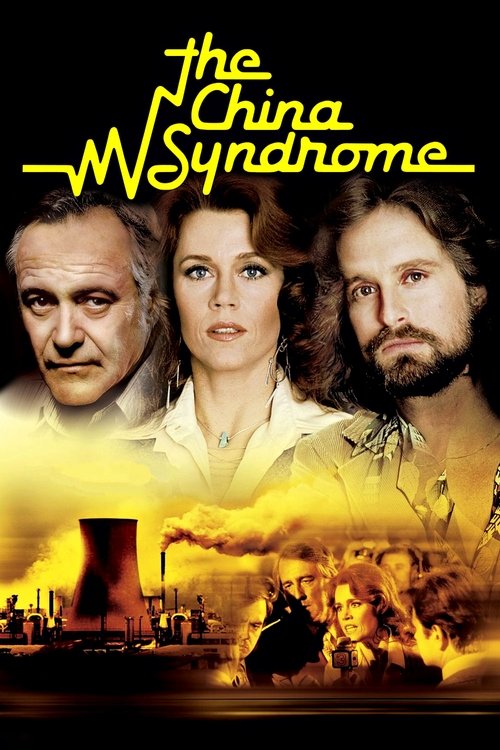
The China Syndrome1979
A nuclear plant whistleblower teams with a reporter to expose a cover-up. Made just before Three Mile Island, it captures the same fear of institutional lies that Capricorn One weaponizes brilliantly.
But The plot hinges on technical details about nuclear safety that some viewers find tedious or hard to follow.
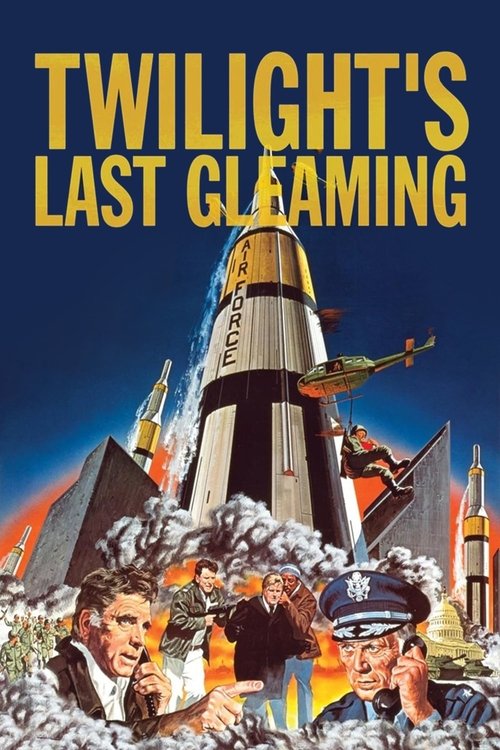
Twilight's Last Gleaming1977
Released the same year as Capricorn One, this film concerns military secrecy, classified information, and government deception. Both are paranoia thrillers that treat the apparatus of power as the real antagonist.
But It's a lengthy political thriller with an ensemble cast that divides focus; the pacing is slow by modern standards.
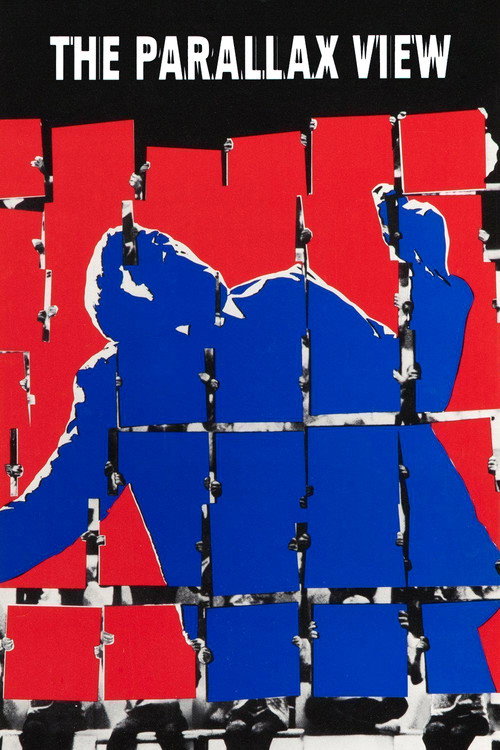
The Parallax View1974
Warren Beatty investigates a conspiracy involving a shadowy organization within the system itself. Like Capricorn One, it's about a lone man uncovering institutional villainy and the cost of knowing too much.
But The narrative is deliberately fragmented and the ending is bleak; some find the structure confusing rather than clever.
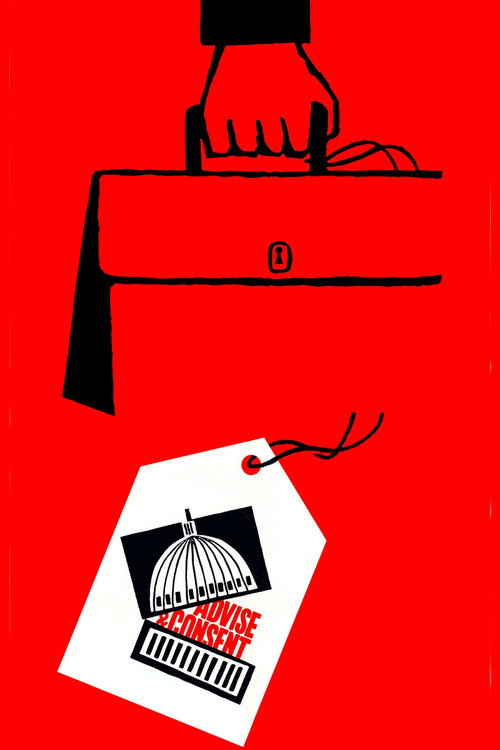
Advise & Consent1962
Otto Preminger's Senate thriller about hidden agendas and institutional power games. It shares Capricorn One's interest in how systems protect themselves through secrecy and compromise.
But It's a lengthy political drama from the early '60s; the pacing and sexual politics feel dated, and it's dense with procedural detail.
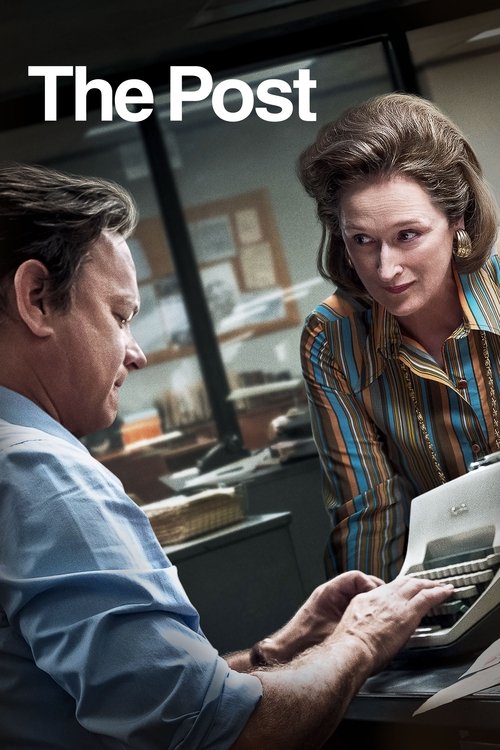
The Post2017
Meryl Streep and Tom Hanks navigate Pentagon Papers publication while fighting government suppression of truth. It echoes Capricorn One's theme: institutions lie, and exposing them costs something.
But It's a Spielberg film that can feel earnest and somewhat didactic; the outcome is historically determined, which lessens suspense.
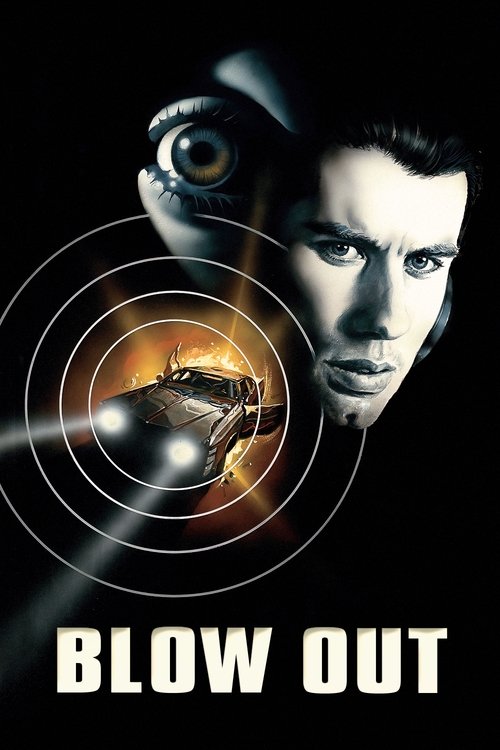
Blow Out1981
John Travolta's sound engineer witnesses a conspiracy and tries to expose it while being hunted. De Palma's thriller has Capricorn One's DNA: a nobody discovering he knows too much, with institutional forces closing in.
But The plot becomes convoluted in the third act, and the misogynistic subtext is uncomfortable even by '80s standards.
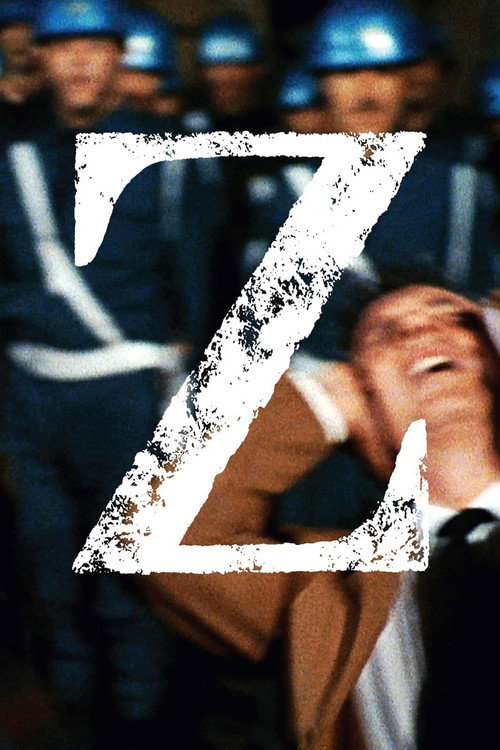
Z1969
Both are procedural thrillers about uncovering institutional crime, but Z operates in a dictatorship while Capricorn One's horror is that America's democracy enables the cover-up just as effectively.
Costa-Gavras's urgent political thriller about investigating an assassination in a dictatorship uses rapid cutting and procedural detective work to build suffocation. It's a masterclass in paranoia cinema that makes Capricorn One's quieter dread feel like the American cousin of European political rage.
But It's a French-Algerian production in subtitled French and Arabic; the rapid editing and fragmented narrative can feel disorienting.
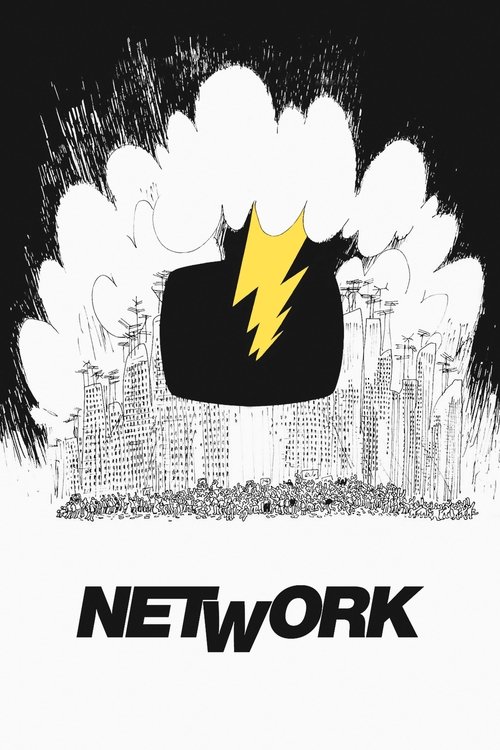
Network1976
Both emerged from mid-'70s American cinema's crisis of faith in institutions. Capricorn One makes you afraid; Network makes you furious. They're the same darkness, different genres.
Paddy Chayefsky's dark satire about TV, ratings, and institutional corruption. While Capricorn One plays the conspiracy straight, Network treats institutional rot as inherently absurd. Together they show paranoia can be either terrifying or hilarious—both register as truth.
But It's a scathing critique of media and capitalism that's cynical to the point of nihilism; some find the satire blunt and the prescient anger exhausting.
People
Cast
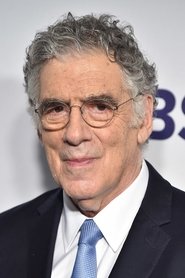 Elliott GouldRobert Caulfield
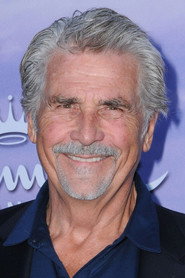 James BrolinCol. Charles Brubaker
 Brenda VaccaroKay Brubaker
 Sam WaterstonLt. Col. Peter Willis
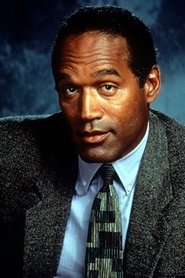 O. J. SimpsonCmdr. John Walker
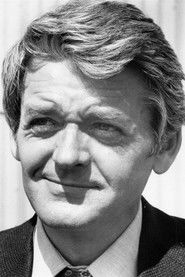 Hal HolbrookDr. James Kelloway
 Karen BlackJudy Drinkwater
 Telly SavalasAlbain
 David HuddlestonHollis Peaker
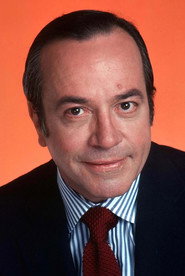 David DoyleWalter Loughlin
 Lee BryantSharon Willis
 Denise NicholasBetty Walker
Directing
- Irby SmithAssistant Director
- Peter HyamsDirector
- Marshall J. WolinsScript Supervisor
Writing
- Peter HyamsScreenplay
Production
- Michael I. RachmilAssociate Producer
- Jane FeinbergCasting
- Mike FentonCasting
- Ron UnderwoodLocation Manager
- Paul Lazarus IIIProducer
Recommended by
All the President's Men, Meteor, Marooned, Dreamscape, Mirage Men, Moonwalkers, Looker, Warlords of Atlantis, Mobius, Star Cops, Moonbase 3, Operation Avalanche, Saturn 3, Project X