
Film
Mirage Men
Mirage Men investigates how US Air Force and intelligence agencies weaponized UFO mythology as counterintelligence, ensnaring researchers and their own operatives in elaborate deception. It's a paranoia-inducing procedural that treats a conspiracy as simultaneously real and unverifiable, asking whether institutional manipulation or genuine encounters matter more. For those suspicious of authority and fascinated by how belief systems calcify.
Should you watch it?
Watch it if you enjoy documentaries that treat a fringe obsession as a tangled intelligence story, where former insiders talk carefully and you slowly work out who was playing whom.
Skip it if you want a visually rich, fast-cut investigation; this is mostly talking heads in plain rooms, and the claims often outrun the evidence on screen.
What it asks of you: Around eighty-five minutes of steady listening, with little visual variety, so you need patience and a willingness to weigh contradictory testimony yourself.
Not sure? Find tonight's pick in a minute.
If you liked this
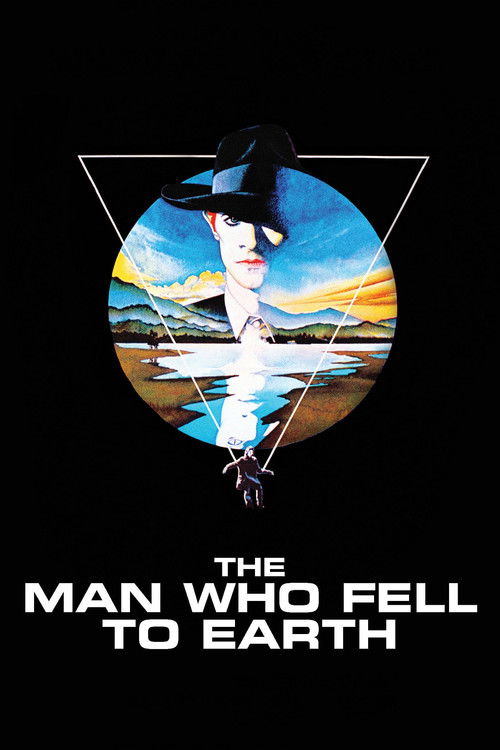
The Man Who Fell to Earth1976
David Bowie as an alien navigating American capitalism and media manipulation. Visually hypnotic, structurally inventive, and shares Mirage Men's interest in how institutions exploit outsiders and the gap between perception and truth.
But Glacially paced, deliberately obscure, and often more interested in atmosphere than plot. Some sequences feel padded even at 118 minutes.
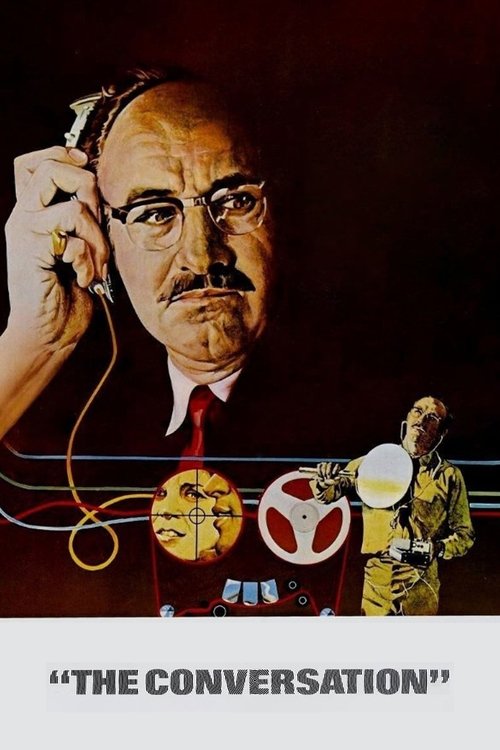
The Conversation1974
Gene Hackman as a surveillance expert unraveling whether he's uncovered a real crime or a paranoid delusion. It's about how institutions manipulate information and how certainty erodes—the exact engine of Mirage Men, just turned inward.
But Deliberately muffled dialogue, long sequences of technical work, and a refusal to answer its own questions cleanly. Deliberately frustrating.
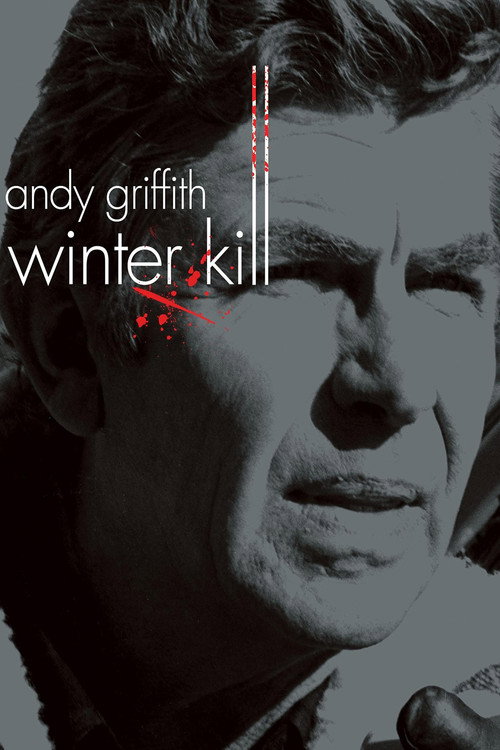
Winter Kill1974
Made-for-TV thriller about a small-town sheriff investigating murders while government agents obstruct him. Taps that same current of institutional distrust and the horror of being gaslit by authority. Lean, paranoid, and genuinely unsettling.
But Low budget shows, acting is uneven, and the plot creases a bit by the end. Very much a relic of its moment rather than polished.
Not sure tonight? Get a pick in a minute, starting from Mirage Men
The wildcard
Something you would not have found on your own.
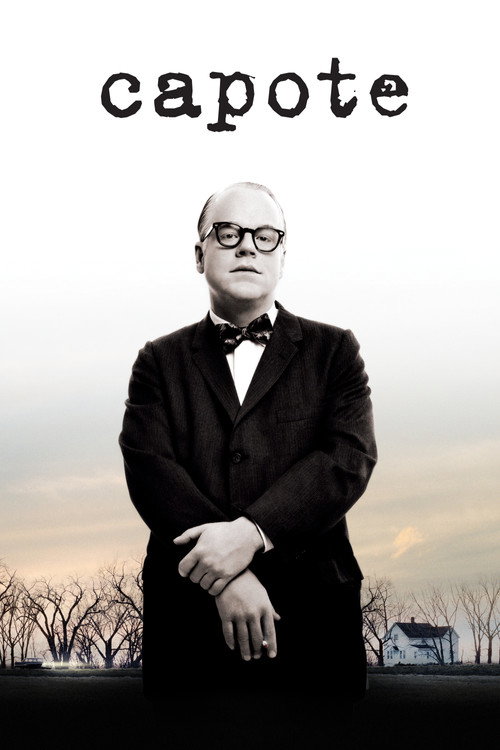
Capote2005
Both explore how smart, credible people become trapped by compelling narratives they can't verify, and the toll of chasing something that may exist only in the space between evidence and need.
Philip Seymour Hoffman as Truman Capote chasing a true crime story that slowly consumes and warps him. Like Mirage Men, it's about obsessive investigation, the blurring of truth and narrative, and how belief in a story can hollow you out.
But Slow character study rather than thriller. Long stretches of Capote being precious and manipulative; easy to find him insufferable rather than tragic.
More like this (8)
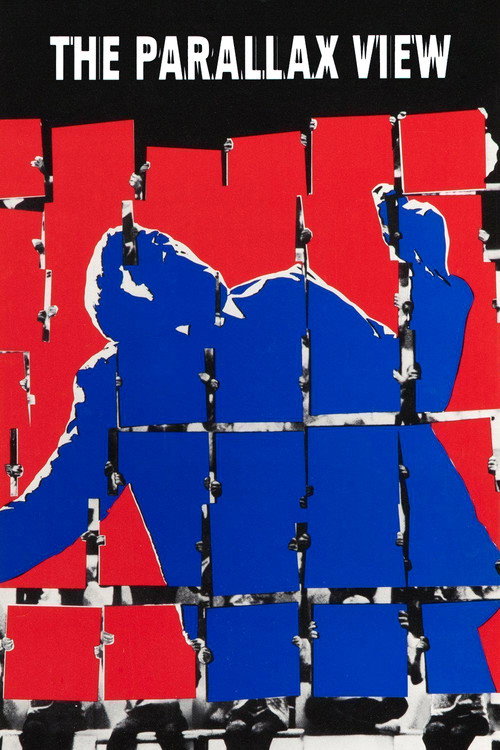
The Parallax View1974
Warren Beatty investigating an assassination conspiracy that might not exist. Structurally mirrors Mirage Men perfectly: a paranoid protagonist chasing an organization designed to stay invisible, unsure what's real anymore.
But Bleak, slow-burn, and the ending is genuinely nihilistic rather than satisfying. Not a film that gives its audience release.
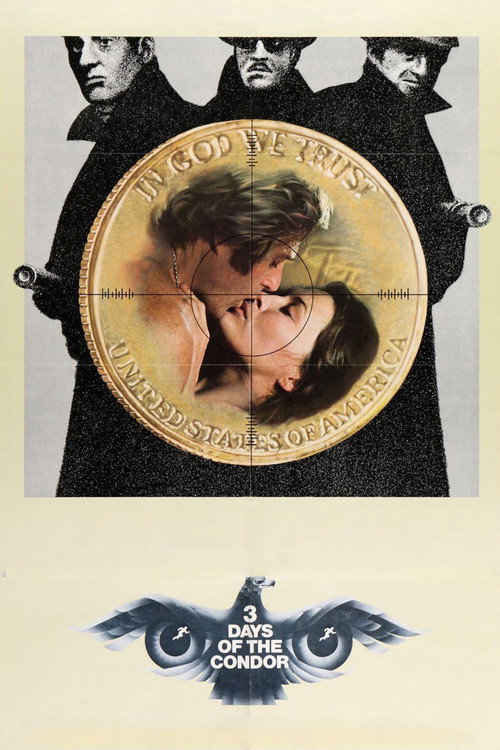
Three Days of the Condor1975
Robert Redford as a CIA analyst targeted by his own employer. Gripping spy thriller that nails the vertigo of not knowing who to trust, with the added texture that the conspiracy is depressingly mundane rather than cosmic.
But Occasionally creaky '70s action work, and the romance subplot feels obligatory. Some plotting relies on convenient coincidence.
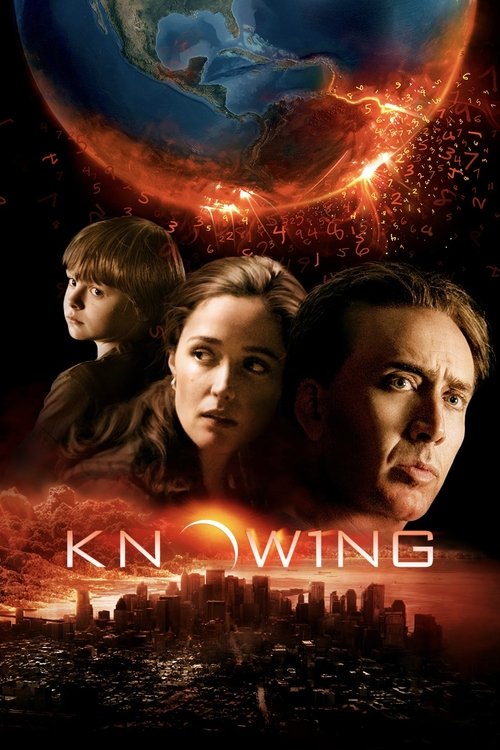
Knowing2009
Nicolas Cage discovering a decades-old prophecy that may predict real catastrophes. Shares Mirage Men's dread—is this evidence of something real or the projection of pattern-seeking minds? Visually striking apocalyptic sci-fi.
But Lurches toward mysticism in ways that abandon logic. The final act splits audiences sharply; many find it unearned and pretentious.
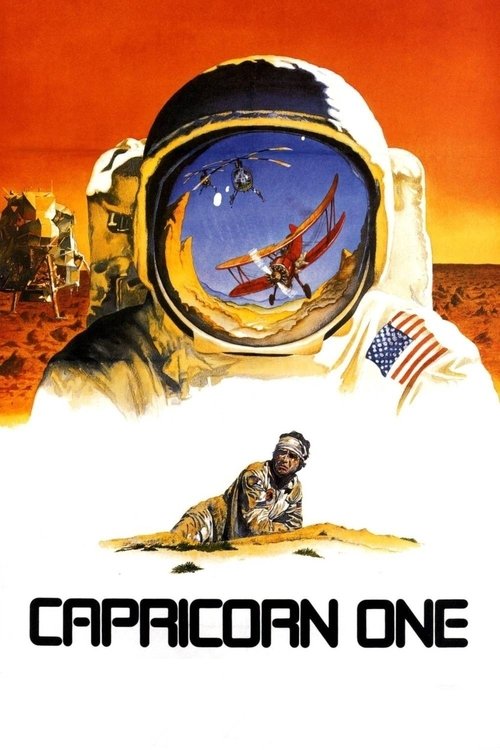
Capricorn One1977
Fake moon landing conspiracy thriller with O.J. Simpson and Elliott Gould. Paranoid procedural that asks what happens when you can't trust institutional truth. Surprisingly smart about the mechanics of coverup and doubt.
But Looks and feels very '70s, which will feel dated to modern viewers. Some sequences are slow, and the final act splinters focus.
Stonehearst Asylum2014
Ben Kingsley and James McAvoy in a Gothic nightmare about institutional deception and unreliable narration. Like Mirage Men, it asks: who's been manipulated, who's manipulating, and how do you ever know?
But More interested in atmosphere than coherence. Plot logic frays in the third act, and some viewers will feel cheated rather than unmoored.

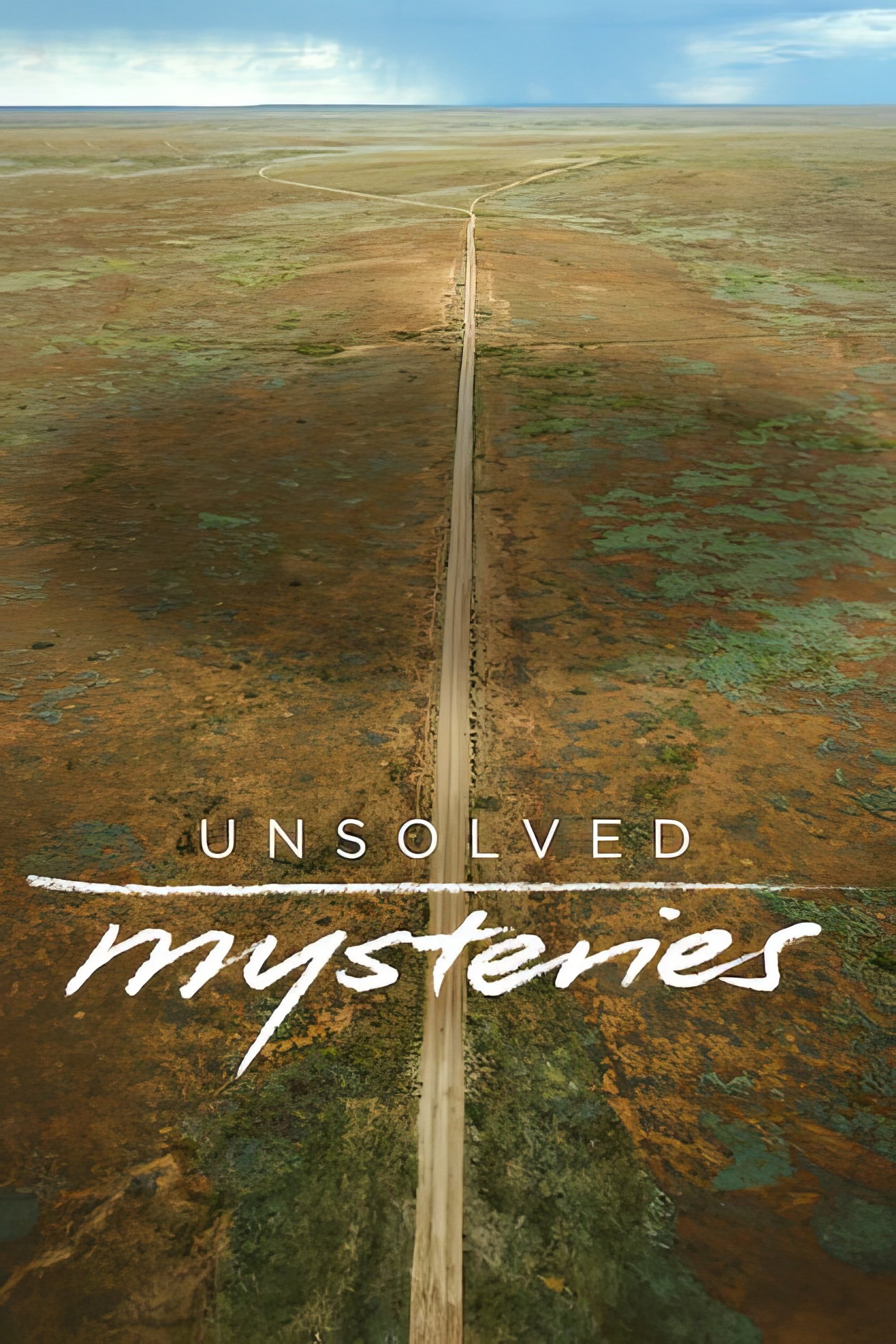
Unsolved Mysteries2020
Robert Stack narrating paranormal and criminal cases presented as genuinely unexplained. Episodic format lets you dip in; shares Mirage Men's fascination with the gap between evidence and meaning, and whether some mysteries stay mysterious intentionally.
But Uneven—some episodes are gripping, others feel like filler. The tone is so earnest it sometimes tips into unintentional camp, and it occasionally presents debunked claims as mysteries.
A Ghost Story2017
Both ask whether something is real if we can't point to it, photograph it, or make others see it. Both treat the unbridgeable gap between inner and outer certainty as the central human problem.
Casey Affleck as a ghost unable to leave his house, watching time erode meaning. It's about presence without proof, memory without verification, and whether something exists if no one can confirm it. Formally inventive, genuinely eerie, entirely unexploitable.
But Two-thirds of the runtime is Affleck in a white sheet. Glacial pacing. The philosophical grandeur won't land for everyone—many find it self-indulgent.

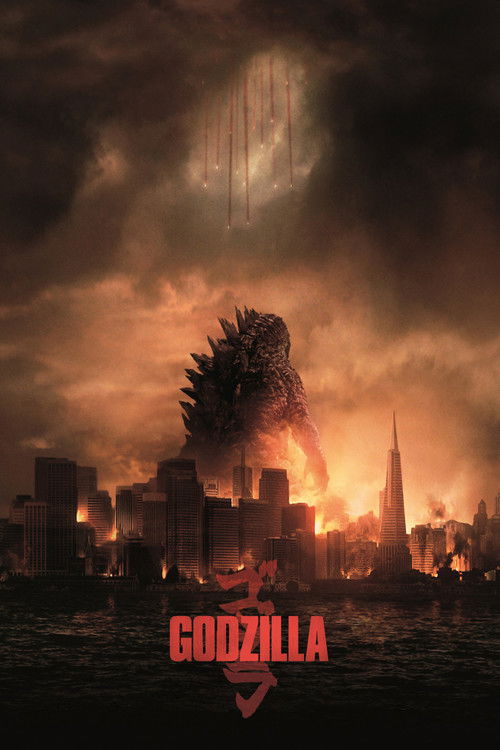
Godzilla2014
Both use opacity and institutional obstruction as their actual subject. Both ask: when authorities tell you to trust them while withholding information, what do you actually know? Both treat uncertainty as the realistic default.
Gareth Edwards' monumental creature film where government agencies are as much an obstacle as the monster itself. The film is interested in what we can't control, can't confirm, can't kill. A disaster film about institutional failure that actually earns that premise.
But Deliberately withholds the monster—if you came for set pieces, you'll leave frustrated. Human drama is secondary. Some will find the pacing punishing rather than patient.
People
Cast
- Bob DurantSelf – Former Airline Pilot
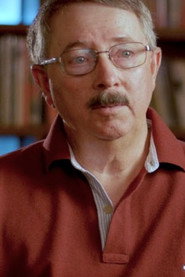 Richard DotySelf – Former Special Agent, U.S. Air Force
- Tracy TorméSelf – TV Producer, 'Star Trek: The Next Generation'
- Peter GerstenSelf – Attorney & UFO Activist
- Walter BosleySelf – Former Special Agent, U.S. Air Force (as Walter Boseley)
- Greg BishopSelf – Author, 'Project Beta'
- Ron RegehrSelf – Retired Aerospace Engineer, Voyager Program
- Gabe ValdezSelf – Highway Patrolman, Dulce, New Mexico
 Linda Moulton HoweSelf – Investigative Journalist & Film Maker
 Christopher GreenSelf – Former CIA Science Analyst
- Mark PilkingtonSelf – Author, 'Mirage Men'
 Richard DolanSelf – UFO Historian
Directing
- Kypros KyprianouCo-Director
- Roland DenningCo-Director
- John LundbergDirector
Writing
- Mark PilkingtonWriter
Production
- George DuffieldAssociate Producer
- John RowePost Production Coordinator
- John LundbergProducer
- Kypros KyprianouProducer
- Mark PilkingtonProducer
- Roland DenningProducer
- Greg BishopProduction Consultant