
Film
Marooned
A 1969 space rescue thriller about three stranded astronauts with failing life support and a hurricane threatening the launch of their rescue mission. It's a methodical, tension-building drama that treats the science seriously—no aliens, no explosions, just the grinding problem-solving of keeping men alive in orbit. For anyone who loves the cerebral side of space exploration.
Should you watch it?
Watch it if you enjoy slow-burning space procedurals where the tension comes from engineers in mission control doing careful, unglamorous problem-solving rather than from explosions or aliens.
Skip it if you want a brisk pace; at well over two hours, much of it is patient set-up, bureaucratic meetings and technical back-and-forth that some viewers will find hard to sit through.
What it asks of you: Settle in for a long, measured film with plenty of quiet stretches, where the suspense builds gradually and asks you to follow the reasoning as closely as the drama.
Not sure? Find tonight's pick in a minute.
If you liked this
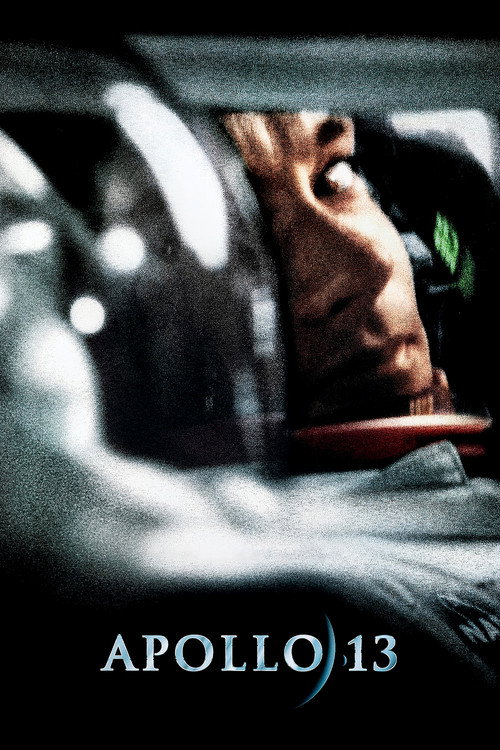
Apollo 131995
Ron Howard's masterclass in controlled suspense: a real space crisis told with the same meticulous attention to procedure and human ingenuity that makes Marooned work. The stakes feel genuine because the physics and the stakes feel real.
But If you want spectacle or character development beyond "these people are trying not to die," this is relentlessly focused on the problem at hand.
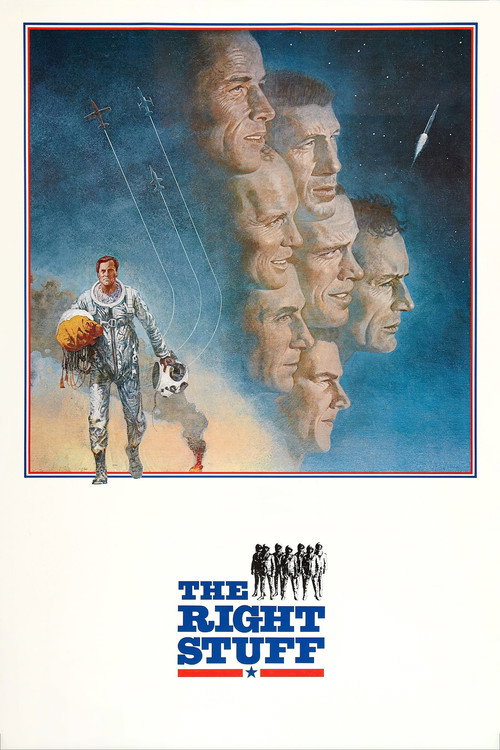
The Right Stuff1983
Philip Kaufman's epic about the Mercury program has Marooned's respect for the engineering and the courage required, but adds the full sweep of American space ambition. Chuck Yeager, test pilots, the beginning of it all.
But Nearly four hours long and moves at its own unhurried pace. The early sections are about flying planes, not space.
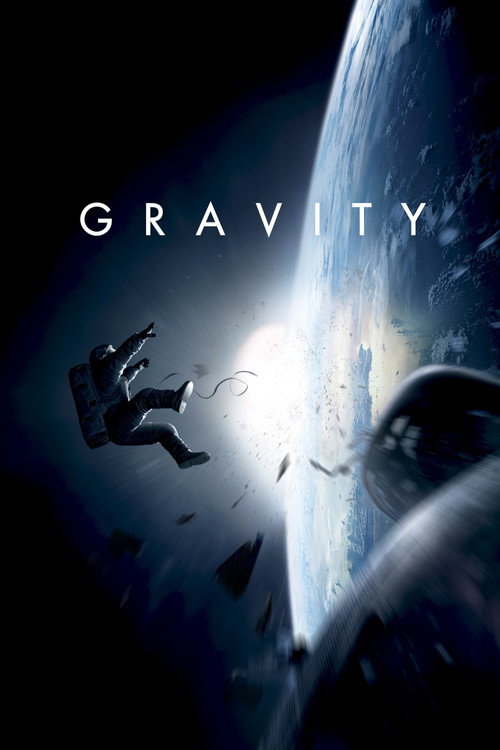
Gravity2013
Alfonso Cuarón traps Sandra Bullock in orbit with a ticking clock and minimal dialogue. It's Marooned's central idea—one person, one problem, diminishing resources—turbocharged with modern cinematography and visceral panic.
But The science gets looser as it goes. If plausibility matters to you, the last act will cost you points.
Not sure tonight? Get a pick in a minute, starting from Marooned
The wildcard
Something you would not have found on your own.
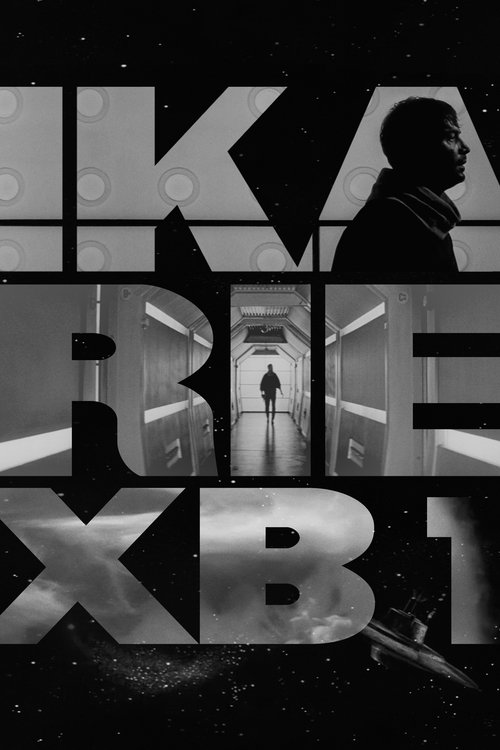
Ikarie XB 11963
Both films treat space not as a backdrop for heroics but as an engineering and psychological problem. Neither romanticizes space travel; both are fascinated by how ordinary people handle extraordinary situations under constraint.
A Czechoslovak sci-fi film about a spacecraft journey to explore life around Alpha Centauri. It shares Marooned's obsession with the procedural and scientific—how people actually live and work in space—but with a completely different visual language and philosophical undercurrent about human nature in isolation.
But It's in Czech with subtitles, and the pacing is patient to the point of meditative. If you need constant action or aren't used to Soviet-era production design, it will feel slow.
More like this (8)
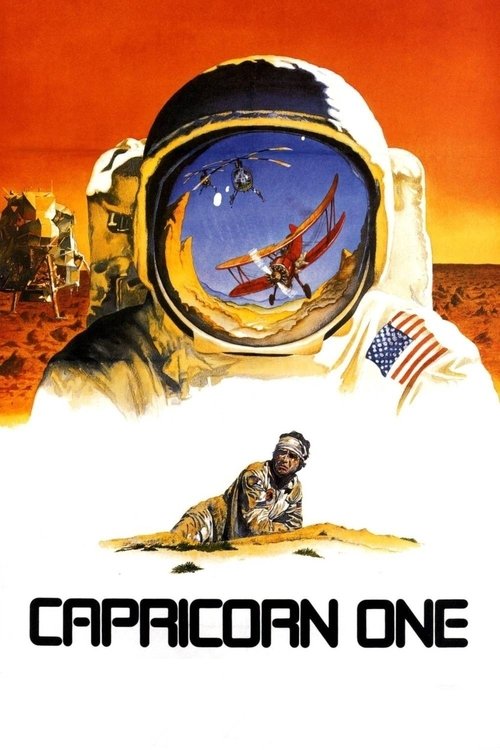
Capricorn One1977
A NASA conspiracy thriller with James Brolin, O.J. Simpson, and Sam Waterston as astronauts faking a Mars landing. Paranoid, propulsive, and genuinely smart about how institutions handle crisis and cover-up.
But The politics are very 1970s. If you're looking for space realism, this trades it early for intrigue and car chases.
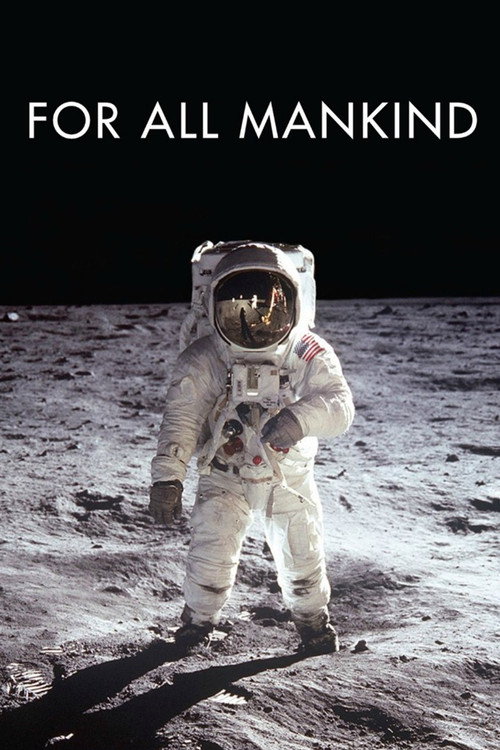
For All Mankind1989
Al Reinert's documentary uses real NASA footage and reconstructions to tell the Apollo story as pure cinema. Majestic, moving, and shares Marooned's sense that getting to space and coming home is the actual drama.
But It's a documentary, not a narrative—if you want plot and character arcs, you won't find them. Some of the music feels dated now.
Failure Is Not an Option2003
HBO miniseries dramatizing the Apollo program and its near-disasters, built around Gene Kranz and Mission Control. The procedural tension of Marooned extended into a full history—how NASA learned to survive failure.
But Episodic structure means it takes a while to settle in. Some of the episodes are stronger than others.
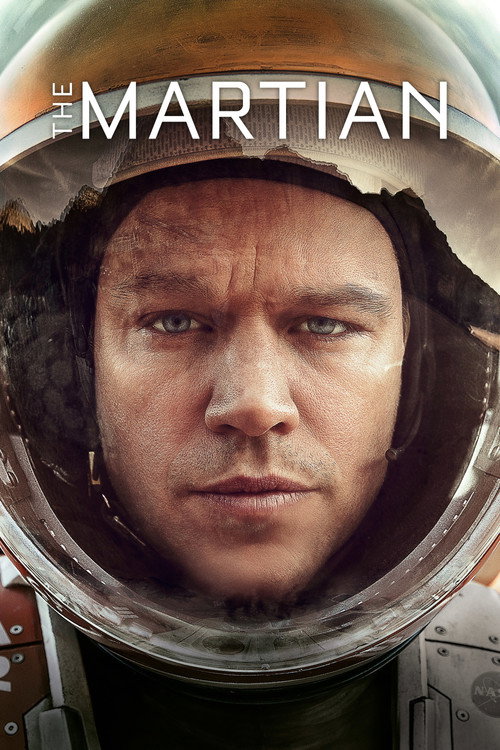
The Martian2015
Matt Damon alone on Mars, solving problems one potato crop at a time. It has Marooned's faith in ingenuity and procedure, plus actual warmth and humor. Ridley Scott makes stranded feel like an engineering puzzle, not just despair.
But The tone is lighter and more comedic than Marooned. If you want grit and doubt, this leans toward triumph.
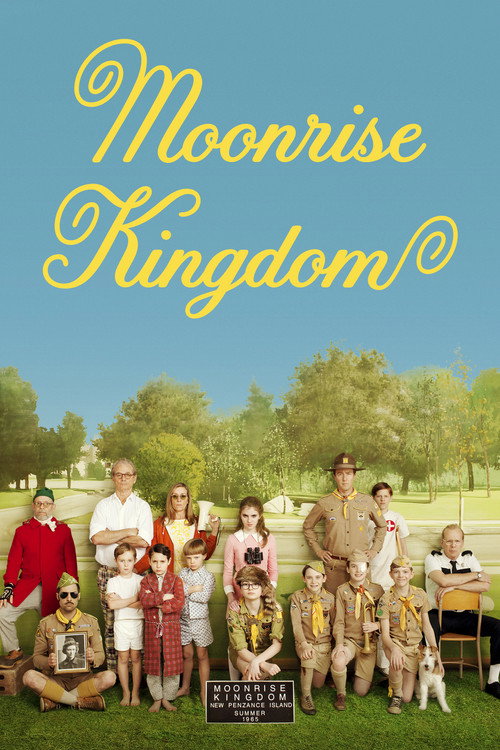
Moonrise Kingdom2012
Wes Anderson's whimsical film about two kids running away to an island. The structural DNA is similar—isolation, dwindling supplies, a ticking clock, people trying to solve an impossible situation. The register is completely different, but the shape holds.
But It's a Wes Anderson film: precious, symmetrical, styled to the hilt. If you hate that aesthetic, everything will annoy you.
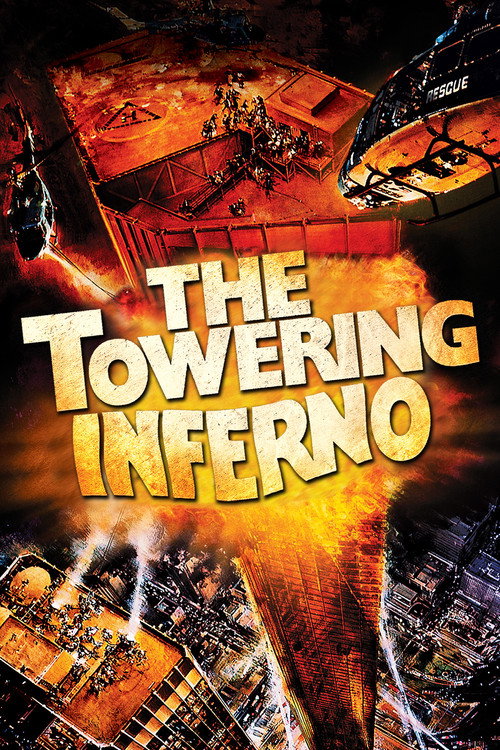
The Towering Inferno1974
A disaster film that treats its engineering and procedure seriously: Paul Newman and Steve McQueen in a burning skyscraper, with real attention paid to how buildings work and how you get people out alive.
But It's a 1970s disaster spectacle first and character drama second. The acting is functional rather than deep.
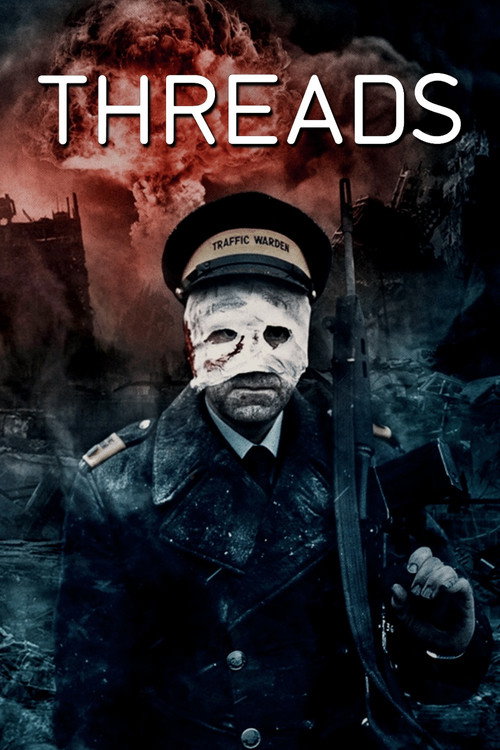
Threads1984
Both films refuse to look away from consequence. Neither one lets you off the hook with action sequences or heroic music. They ask: what actually happens when the systems fail and no one is coming?
A British nuclear war drama that's not about space but operates from identical premises: a closed system, dwindling resources, bureaucracy trying to manage the unmanageable, ordinary people realizing their situation has become genuinely dire. Marooned in a different kind of trap.
But It's one of the most bleak and devastating films ever made—a slow-motion catastrophe with no rescue. Watching it is an ordeal by design. Not entertainment in any conventional sense.
Stalker1979
Both films use science-fiction premises to explore human nature rather than to create spectacle. Both trust the audience's intelligence and are willing to spend time on mood and implication rather than action.
Andrei Tarkovsky's science-fiction meditation on desire and meaning set in a mysterious zone. It has nothing to do with space rescue, but shares Marooned's patient, almost documentary-like approach to reality—the film trusts you to sit with long takes and let meaning accumulate rather than explaining itself.
But It is slow. Hypnotically, unapologetically slow. Running 163 minutes of Russian philosophy and long corridors. If you need plot momentum, you will feel every minute.

People
Cast
 Gregory PeckCharles Keith
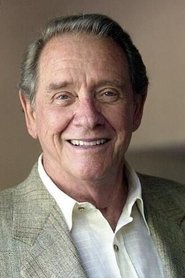 Richard CrennaJim Pruett
 David JanssenTed Dougherty
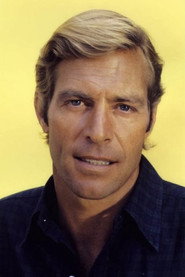 James FranciscusClayton Stone
 Gene HackmanBuzz Lloyd
 Lee GrantCelia Pruett
 Nancy KovackTeresa Stone
 Mariette HartleyBetty Lloyd
 Scott BradyPublic Affairs Officer
- Frank MarthAir Force Systems Director
- Craig HuebingFlight Director
 John CarterFlight Surgeon
Directing
- Daniel McCauleyAssistant Director
- John SturgesDirector
- John FrancoScript Supervisor
- Ralph E. BlackSecond Unit Director
Writing
- Martin CaidinNovel
- Mayo SimonScreenplay
Production
- Frank Capra, Jr.Associate Producer
- M.J. FrankovichProducer
- William J. O'SullivanProduction Manager
Recommended by
Gravity, Robinson Crusoe on Mars, Airport, Ikarie XB 1, Doppelgänger, Conquest of Space, Destination Tokyo, Salvage 1