
Film
Conquest of Space
A 1955 space opera about the first crewed mission to Mars, where technical challenges collide with the captain's religious crisis. It's earnest Cold War sci-fi with a genuine sense of scale and wonder, hampered by stagey performances and a screenplay that mistakes preachiness for depth. For anyone curious how Hollywood imagined the space age before we actually went.
If you liked this
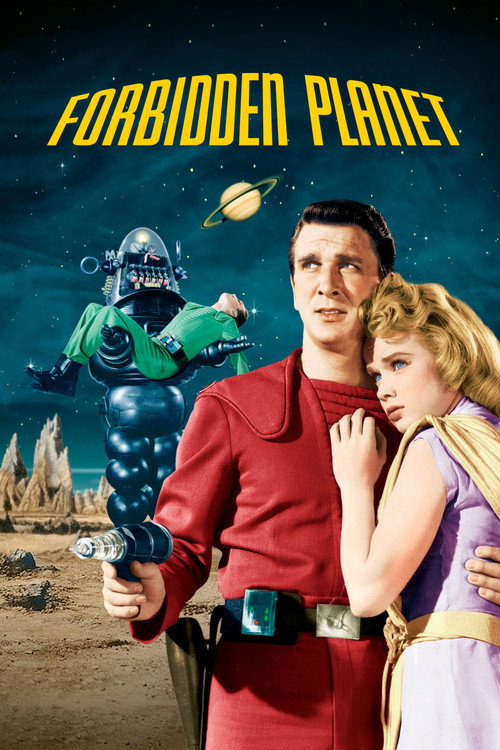
Forbidden Planet1956
The definitive 1950s space adventure: a well-funded studio picture with real set design, a synth score that still sounds alien, and Walter Pidgeon commanding a starship with actual gravitas. It's what the genre aspired to.
But The gender politics are dire even by period standards, and the plot dissolves into a monster movie in the third act. Dated special effects, though lovingly so.
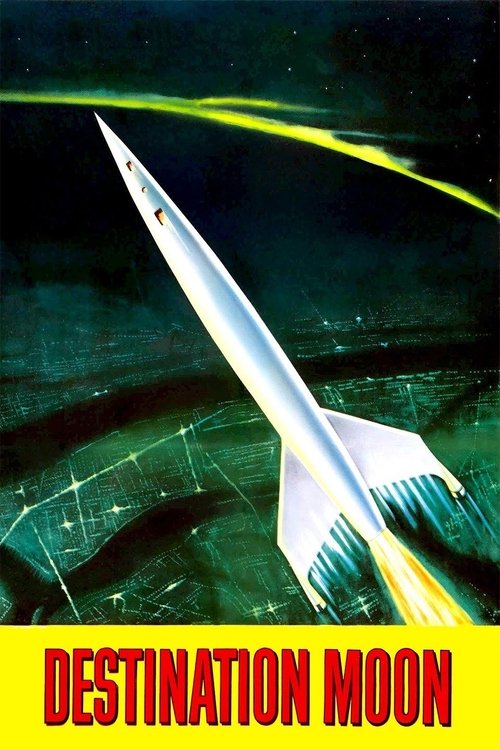
Destination Moon1950
Made five years earlier, this is where Conquest of Space got its visual DNA. Serious, procedural, genuinely concerned with the physics of spaceflight. Chesley Bonestell's matte paintings are still stunning.
But Almost nothing happens. It's an 87-minute depiction of people solving problems and looking at the moon. Some find this meditative; others find it nap-inducing.
The Quatermass Experiment1953
A British serial from the same year, equally fixated on the religious and moral dimensions of space exploration. Taut, clever, and it understands tension in a way Conquest doesn't quite manage.
But It's a 1950s TV serial, so it's cheap and creaky. The story wraps itself in philosophical knots it never fully unties.
Not sure tonight? Get a pick in a minute, starting from Conquest of Space
The wildcard
Something you would not have found on your own.
Ikarie XB 11963
Both pit individual conscience against state mission; both believe the space program is fundamentally a moral question, not just a technical one.
A Czechoslovak space-exploration film that asks all the same questions Conquest does—faith, duty, whether humans belong in space—but with a socialist's answer instead of a capitalist's. Gorgeously designed, thoughtful, and genuinely strange in its priorities.
But It's Eastern European sci-fi, which means it can be slow and ideologically thick. Some won't accept subtitles; others will find the gender politics just as archaic, only different.

More like this (8)
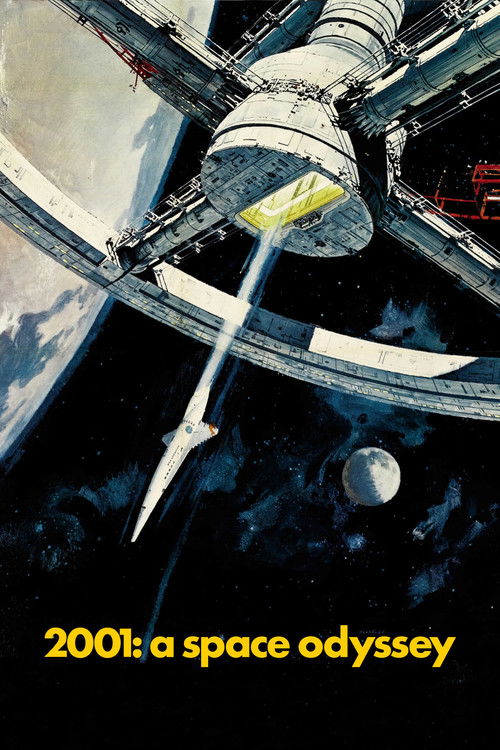
2001: A Space Odyssey1968
Kubrick does what Conquest of Space was trying: marries genuine awe about space travel with genuine philosophical weight. It's the film that made you believe sci-fi could be serious.
But Nearly three hours of deliberately paced ambiguity. If you wanted answers, you will leave frustrated and possibly angry.
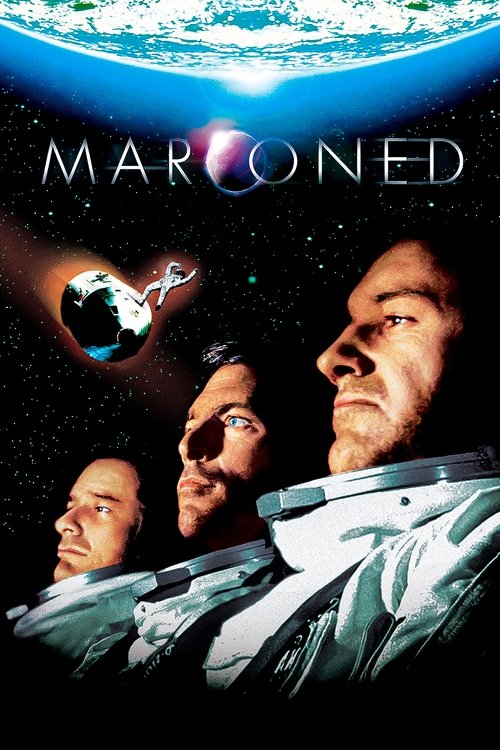
Marooned1969
Another astronaut-in-crisis film, but made after the actual space program proved most of Conquest's anxieties irrelevant. Suspenseful, cast beautifully (Gregory Peck!), and it takes the technical side seriously.
But The tension feels forced. You know how it ends because it's a real historical scenario, and the movie knows you know.
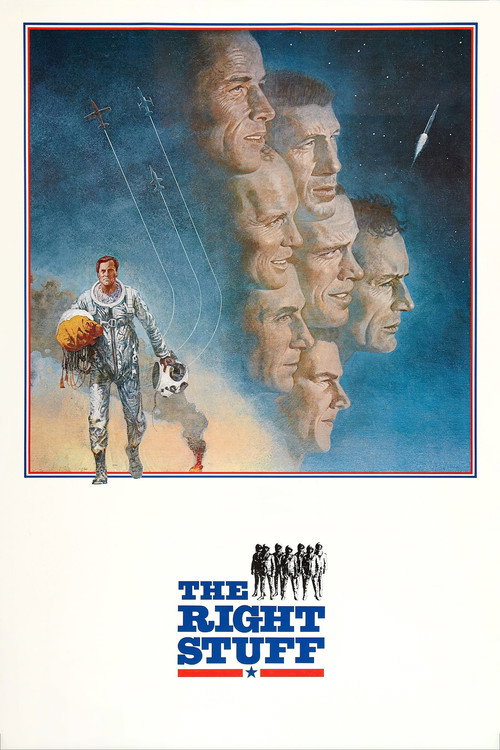
The Right Stuff1983
The sweeping, earned epic about Mercury, Gemini, and Apollo. It has the scale Conquest was reaching for, the performances it needed, and it actually understands why people wanted to go to space.
But Three hours forty. It's a commitment, and the middle sags around the test pilot sequences.
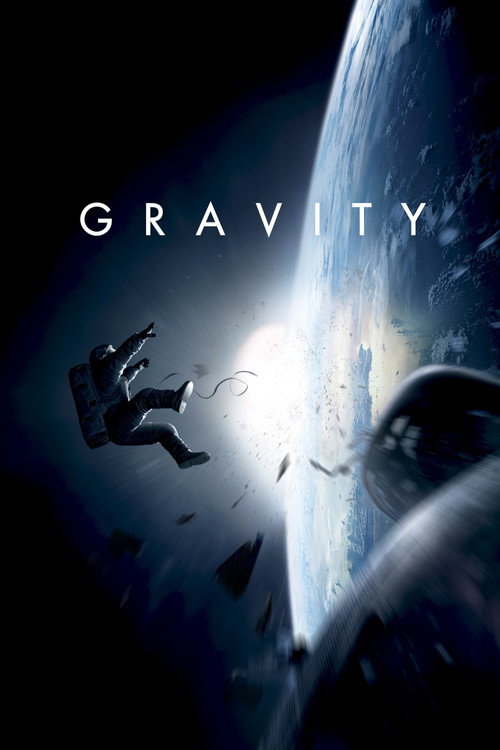
Gravity2013
Modern space-disaster filmmaking: pristine, terrifying, and hyperfocused on one person's survival. Shows how far the language of the space film has traveled since 1955.
But It's a 90-minute panic attack in zero-g. If you wanted contemplation, this is the opposite.
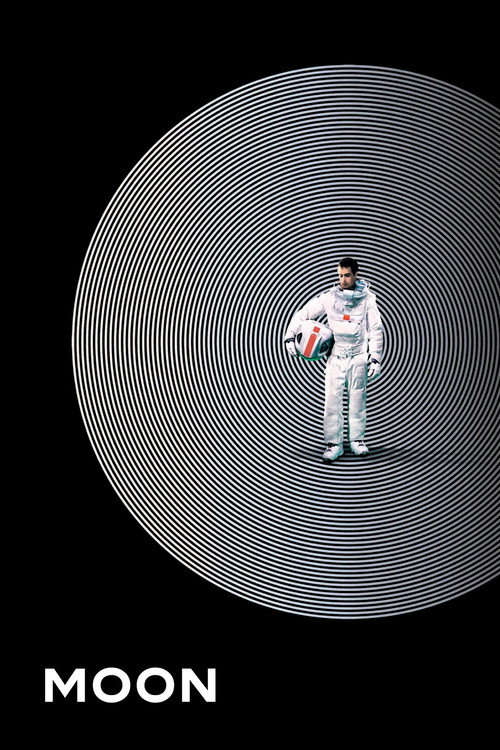
Moon2009
A small, smart thriller about isolation on the lunar base. It has the 1950s' faith in procedure and hardware, married to genuine existential dread. Sam Rockwell alone, mostly, and it's riveting.
But Deliberately claustrophobic and slow-burn. The reveal is clever but not as shocking as the film thinks.
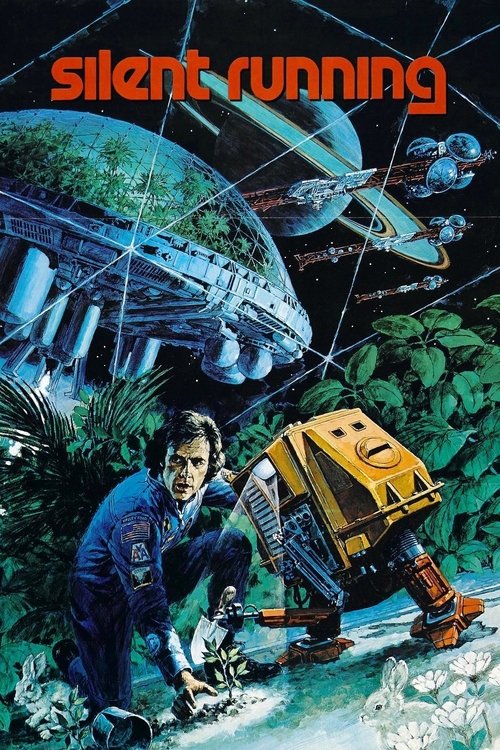
Silent Running1972
A genuinely oddball space film: Bruce Dern alone with robots and botanical gardens, going quietly mad. It's haunting, weird, and no other film quite sounds like it.
But The tone is so strange it alienates as much as it attracts. The robots are cute in a way that undercuts the existential horror.
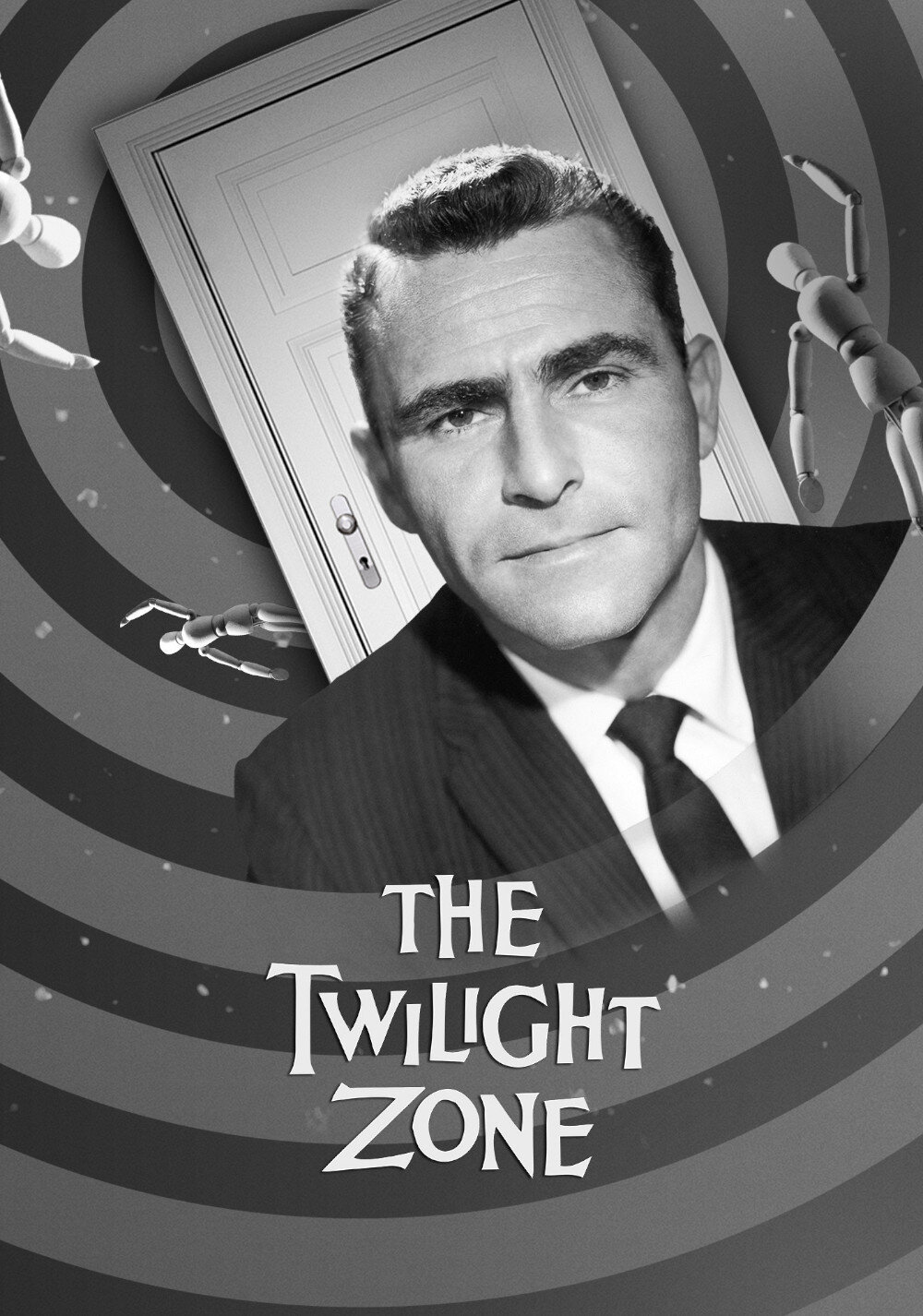
The Twilight Zone1959
Both use catastrophe—whether theological or astronomical—to crack open a character's worldview. Both believe the cosmos is the best stage for watching someone break.
A 25-minute catastrophe that does what Conquest tries across 81 minutes—moral crisis, cosmic scale, the human small against forces beyond control—and nails it. The twist is perfect, the execution flawless.
But Once you know the ending, it collapses entirely. And it's from a TV anthology, so it has that episodic brevity some find unsatisfying.
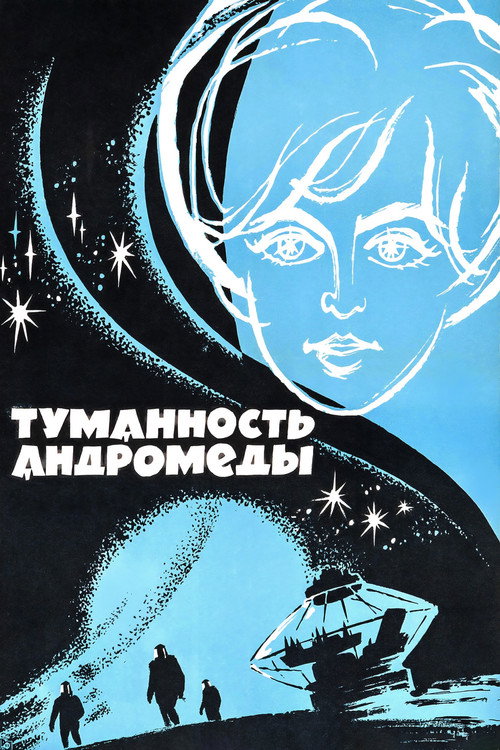
Andromeda Nebula1967
Both films believe that space travel is primarily a test of the soul, not the spacecraft. Both are socialist or quasi-socialist in their conviction that the mission matters more than the individual.
A Soviet adaptation of the Strugatsky brothers, and a genuinely strange artefact: gorgeous, ideologically baroque, full of genuine wonder and genuine confusion. It looks like nothing else, made with a budget and seriousness that shames most Western sci-fi of its era.
But It's 165 minutes of earnest Soviet philosophy and design-heavy sequences. The pacing is glacial. The ideological debates will bore you or make you very engaged depending on your tolerance for such things.
People
Cast
 Walter BrookeGen. Samuel T. Merritt
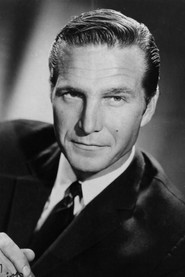 Eric FlemingCapt. Barney Merritt
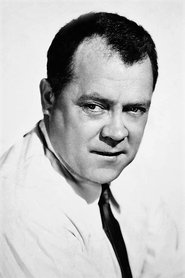 Mickey ShaughnessySgt. Mahoney
 Phil FosterJackie Siegle
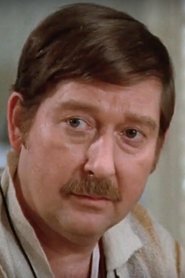 William RedfieldRoy Cooper
 William HopperDr. George Fenton
 Benson FongImoto
 Ross MartinAndre Fodor
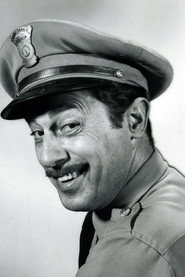 Vito ScottiSanella
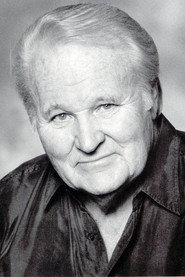 John DennisDonkersgoed
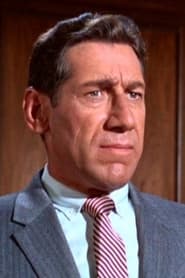 Michael FoxElsbach
 Joan ShawleeRosie McCann
Directing
- Byron HaskinDirector
Writing
- Barré LyndonAdaptation
- George Worthing YatesAdaptation
- Philip YordanAdaptation
- Chesley BonestellBook
- Willy LeyBook
Production
- Frank Freeman Jr.Associate Producer
- George PalProducer