
Television series
The Quatermass Experiment
A 1953 BBC serial that invented the template for serious science-fiction television. Three astronauts return from space—two missing, one transformed by something alien. It's tense, claustrophobic, and genuinely unsettling, watched live by millions who had no idea what would happen next. For anyone who loves the architecture of suspense.
Should you watch it?
Watch it if you love tight, low-budget 1950s science fiction where a scientist's cool logic carries the dread, and a slow-building mystery matters more than spectacle.
Skip it if you want fast pacing or modern effects, since this is talky 1950s television where dialogue carries most of the weight and the effects look modest by today's standards.
What it asks of you: Six half-hour episodes make it brisk, but it asks you to listen closely, since much of the tension comes from talk rather than action.
Not sure? Find tonight's pick in a minute.
If you liked this
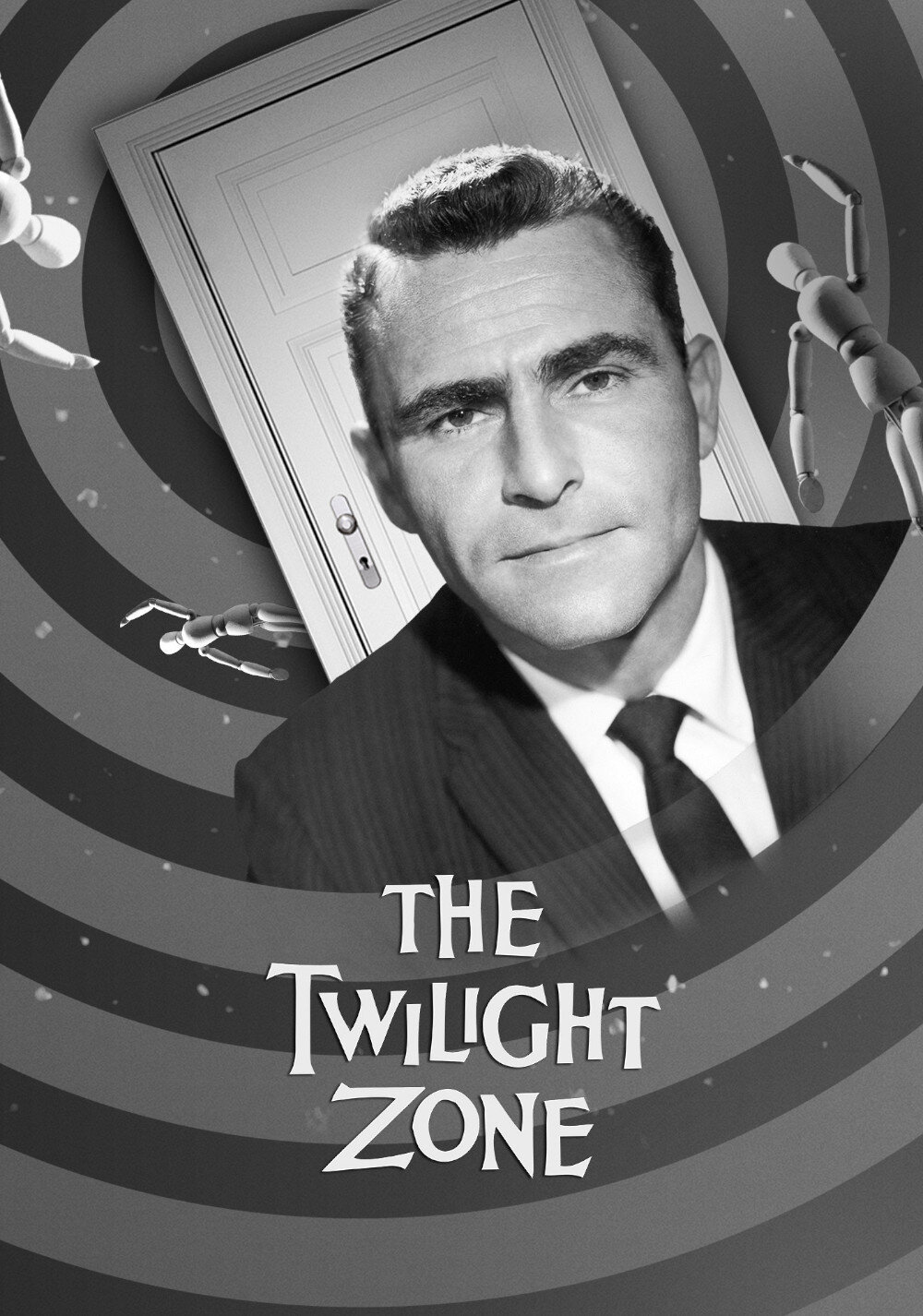
The Twilight Zone1959
Anthology series that proved American television could do speculative fiction with intelligence and moral weight. Each episode is a closed story, but they share Quatermass's gift for finding the uncanny in the everyday.
But Some episodes haven't aged as well as others, and the message-mongering can feel heavy-handed by today's standards.
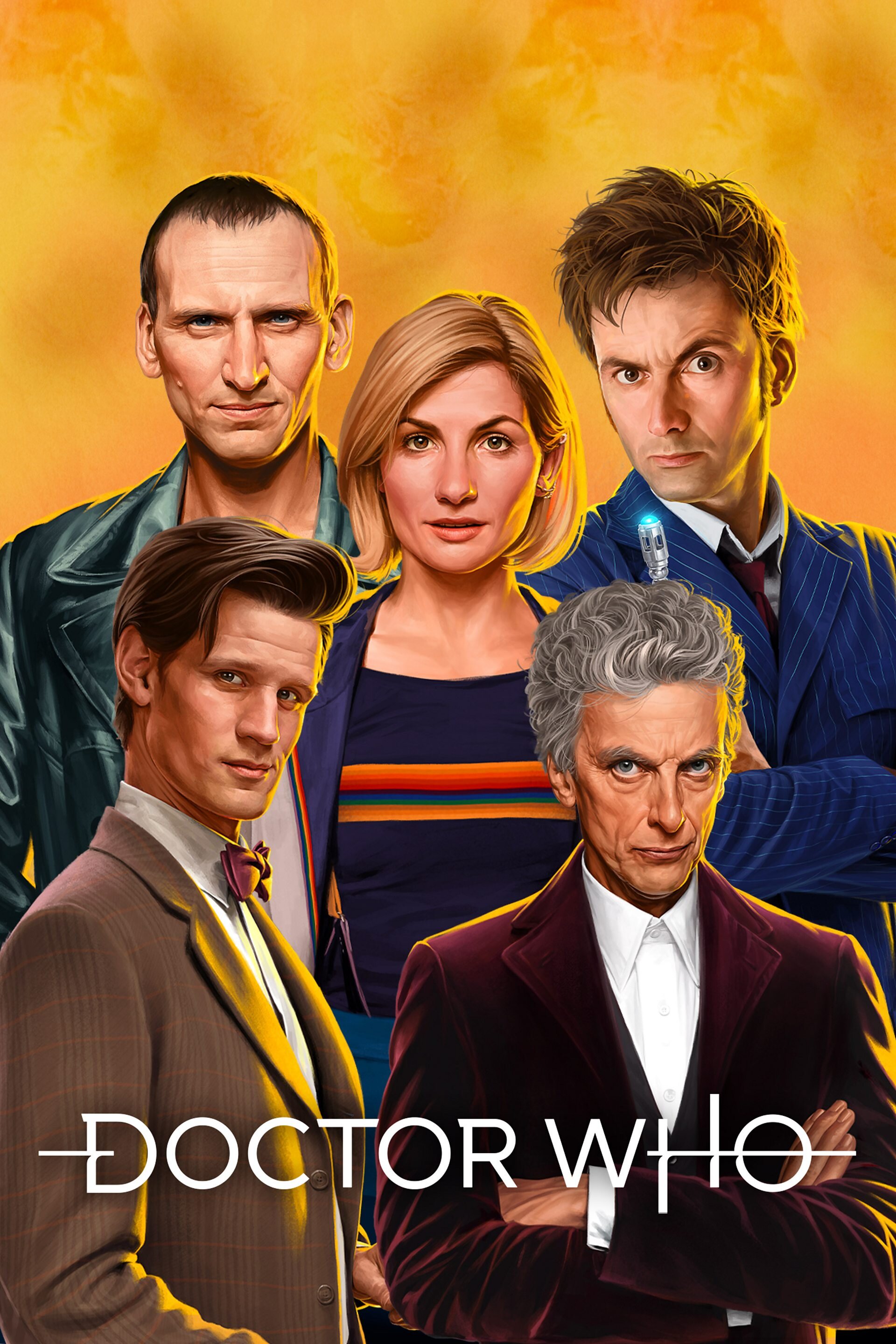
Doctor Who2005
Direct descendant of Quatermass's success—it proved the BBC could sustain an ongoing sci-fi narrative. Early seasons have that same low-budget ingenuity and genuine strangeness that makes your skin prickle.
But The production values are obviously primitive, and patience with 25-minute episodes spread across multiple parts is required.
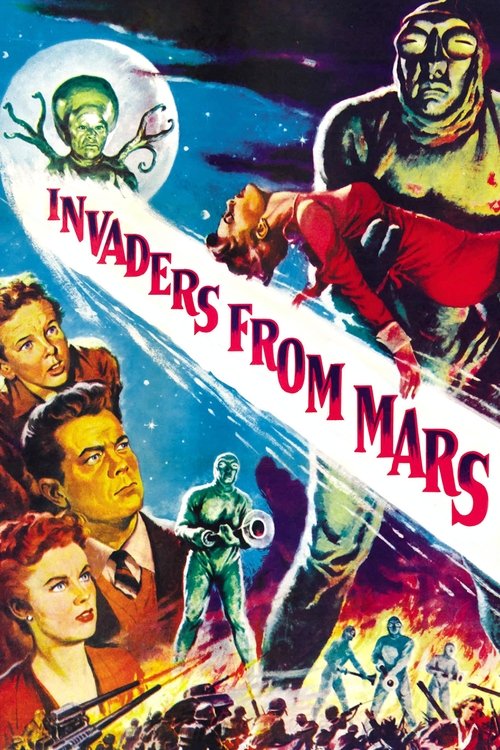
Invaders from Mars1953
Released the same year as Quatermass and equally paranoid. A small-town boy watches his parents become strangers. Alien invasion as intimate horror, shot with real dread.
But The budget shows in ways some find charming and others find distracting. The child protagonist will test your patience.
Not sure tonight? Get a pick in a minute, starting from The Quatermass Experiment
The wildcard
Something you would not have found on your own.
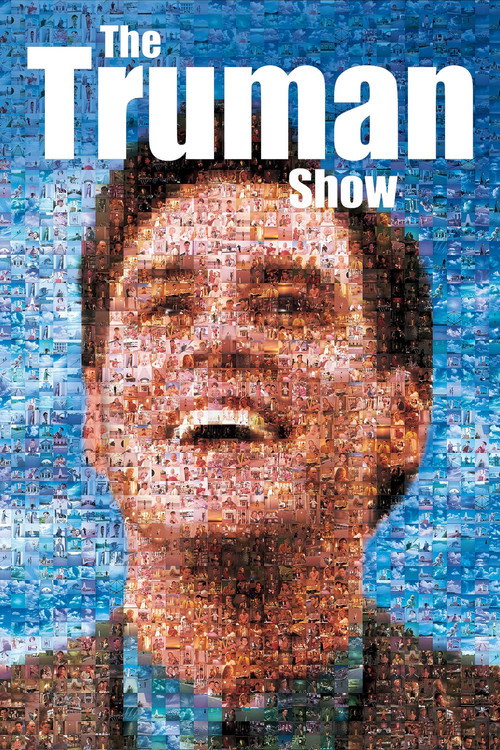
The Truman Show1998
Both are about rational men forced to accept that the world they understand is fundamentally wrong. The alien presence versus the artificial world, but the vertigo is identical.
A man discovers reality itself is constructed for him. Quatermass asks 'what happens when the impossible arrives?'; Truman asks 'what if your whole world is a carefully managed fiction?' Same DNA of reality-rupture, opposite direction.
But It's philosophically lighter than it appears on first viewing, and the whimsy can feel at odds with its darker implications.
More like this (7)
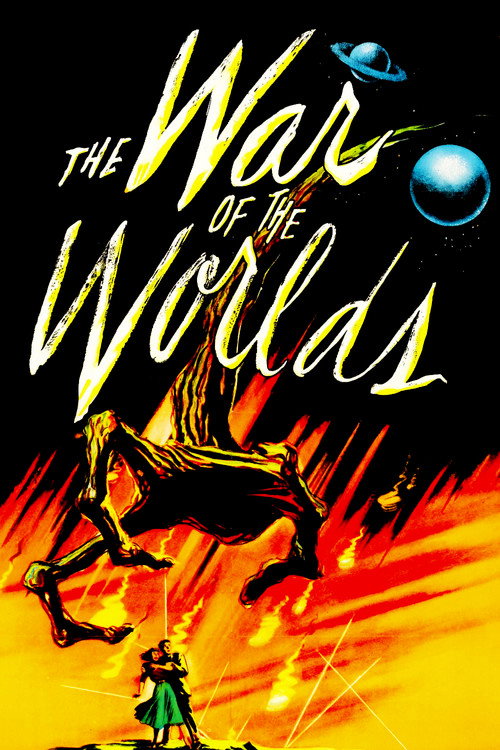
The War of the Worlds1953
Orson Welles's 1938 radio broadcast remade for cinema by George Pal. Massive scope and genuine apocalyptic anxiety, though grounded in human panic rather than spectacle.
But The pacing sags in the middle and the religious resolution will strike some as convenient.
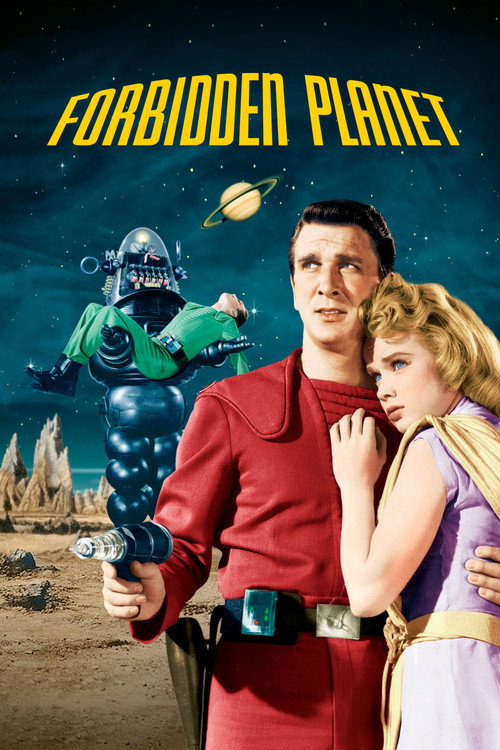
Forbidden Planet1956
Shakespeare's Tempest as space-opera: a lost colony, a genius scientist, his daughter, and something alive in the planet's mind. Widescreen wonder with real intellectual architecture underneath.
But It's optimistic about space in a way that can feel quaint, and the romantic subplot runs on 1950s assumptions that haven't aged well.
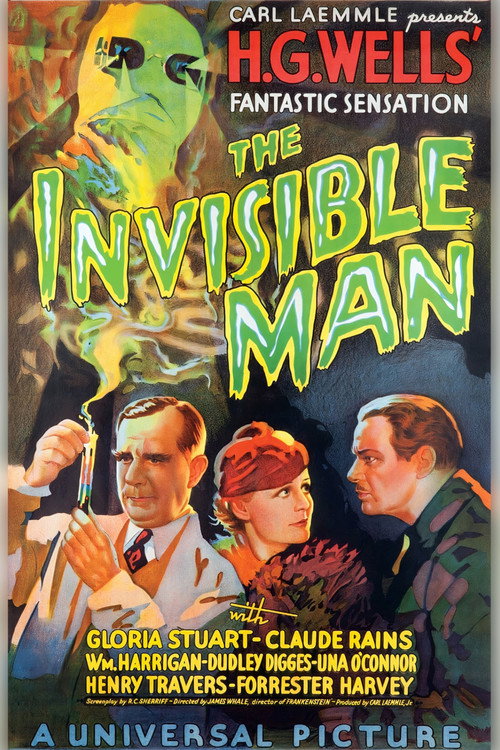
The Invisible Man1933
Universal's masterpiece of mounting dread. A man discovers invisibility and becomes monstrously selfish. It's about power corrupting instantly, watched through a camera that must convey menace without a face.
But The comedy undercuts the horror in ways modern viewers sometimes find jarring rather than balancing.
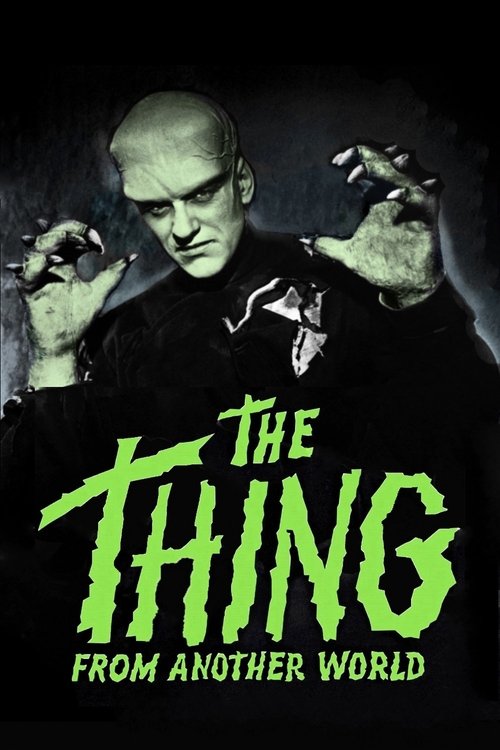
The Thing from Another World1951
A shape-shifting creature arrives in the Arctic. It's paranoia and claustrophobia before those became clichés, made by people who understood that the best sci-fi horror is about losing certainty.
But The science is silly on close inspection, and it's more interested in masculine bravado than character depth.
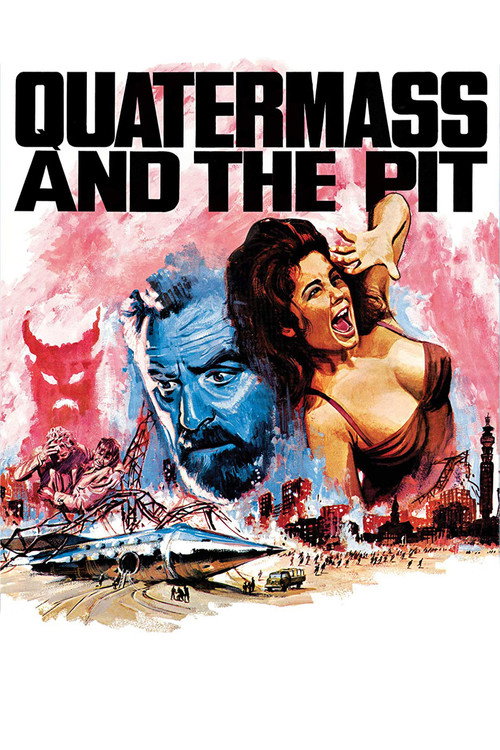
Quatermass and the Pit1967
Roy Ward Baker's TV adaptation of Kneale's Quatermass play. A tube excavation unearths ancient alien technology. It's Quatermass DNA expressed as methodical, intelligent sci-fi thriller, with atmosphere for days.
But It's slow-burn even by 1967 standards, and some will find the pacing glacial.
Stalker1979
Both treat aliens/otherness not as plot machinery but as genuine transformation of human consciousness. The encounter is the point, not what you fight against.
Tarkovsky's four-hour meditation on a mysterious zone and the obsession to enter it. Science-fiction as pure atmosphere and philosophical dread. Nothing like Quatermass's narrative urgency, but the same conviction that contact with the unknown changes you.
But It is genuinely, uncompromisingly slow. If you are not prepared to sit with long sequences of silence and landscape, you will find this unbearable.

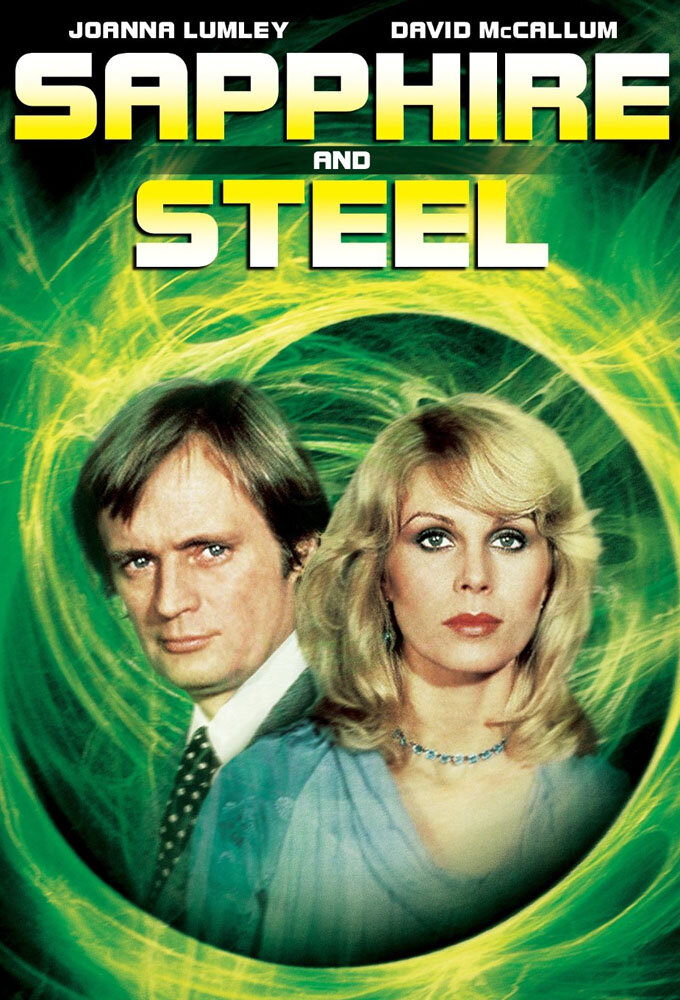
Sapphire and Steel1979
Both are British sci-fi serials built on the idea that some incursions from outside cannot be fully rationalized or defeated—only investigated and contained, imperfectly, by reasonable men.
Ambiguous beings investigate temporal disturbances. It's Quatermass's DNA written by someone who believes in withholding explanation. Eerie, literate, British, and built on the certainty that you'll never fully understand what you're watching.
But There is almost no plot in the conventional sense. If you need narrative momentum and clear answers, this will frustrate you deeply.
People
Cast

Recommended by
Ultra Q, The Legend of Boggy Creek, X: The Unknown, The Omega Factor, On the Buses, Phantom from Space, Matango, The Monster That Challenged the World, Dark Season, Hammer House of Horror, Conquest of Space