
Television series
On the Buses
Other titles called On the Buses: the 1971 film.
- Comedy
- Light-hearted
On the Buses is a sitcom about a bus driver, his conductor mate, and their attempts to chat up women while dodging their terrifying inspector and Stan's suffocating home life. It's broad, cheerful, and deeply of its era—the comedy lands in slapstick, double entendre, and the everyday indignities of working-class life. For anyone who loves characters over plot and doesn't mind laughing at things that would never fly today.
Should you watch it?
Watch it if you like old-school workplace sitcoms where the comedy comes from small schemes, cheeky banter and a boss who is forever ready to pounce.
Skip it if you need fast plotting or modern gag rates, since episodes amble through simple set-ups and the humour leans on period attitudes that have dated.
What it asks of you: Half an hour per episode, a sitcom's easy rhythm of setup and mischief, the same faces returning across seventy-odd episodes, so it rewards settling in over a binge.
Not sure? Find tonight's pick in a minute.
If you liked this
Steptoe and Son1962
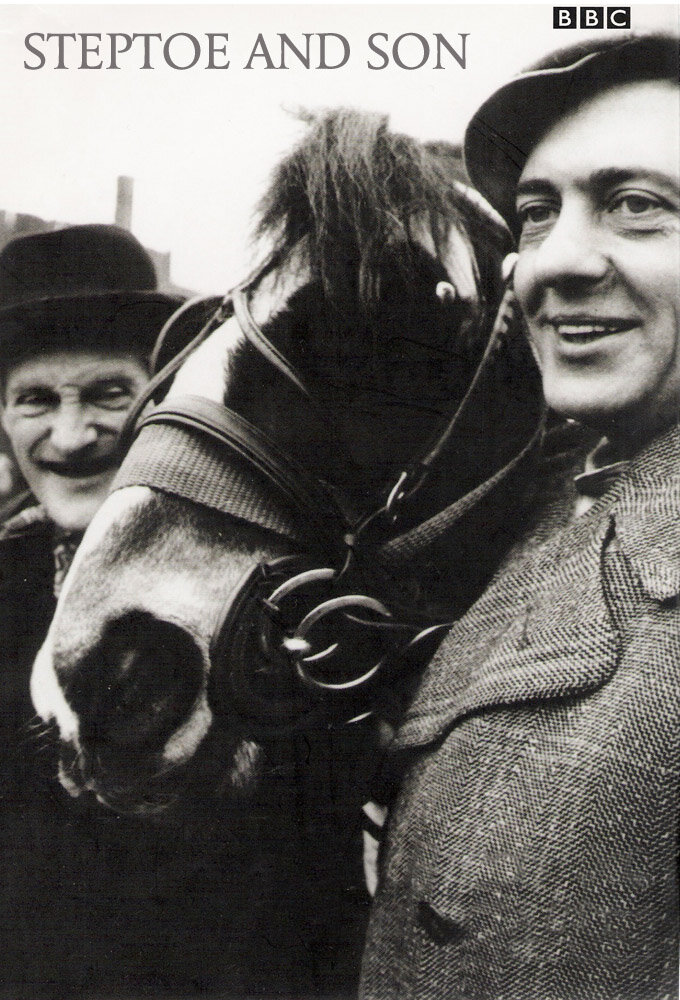
Two working-class men in a cramped house with a mountain of social awkwardness between them. Like On the Buses, it mines comedy from real constraint and affection that neither character would ever admit to.
But The humour is often cringe-based and the rhythms will feel slow to anyone raised on faster editing. Some plots resolve with Stan and Harold just being miserable.
Dad's Army1968
Ensemble sitcom with genuine warmth underneath the gags. A group of misfits united by work, bickering constantly but fundamentally loyal. The writing is clever without showing off.
But It's about the Home Guard in wartime, so the world is completely different. If you need constant movement and modern pacing, it will feel static.

Rising Damp1974
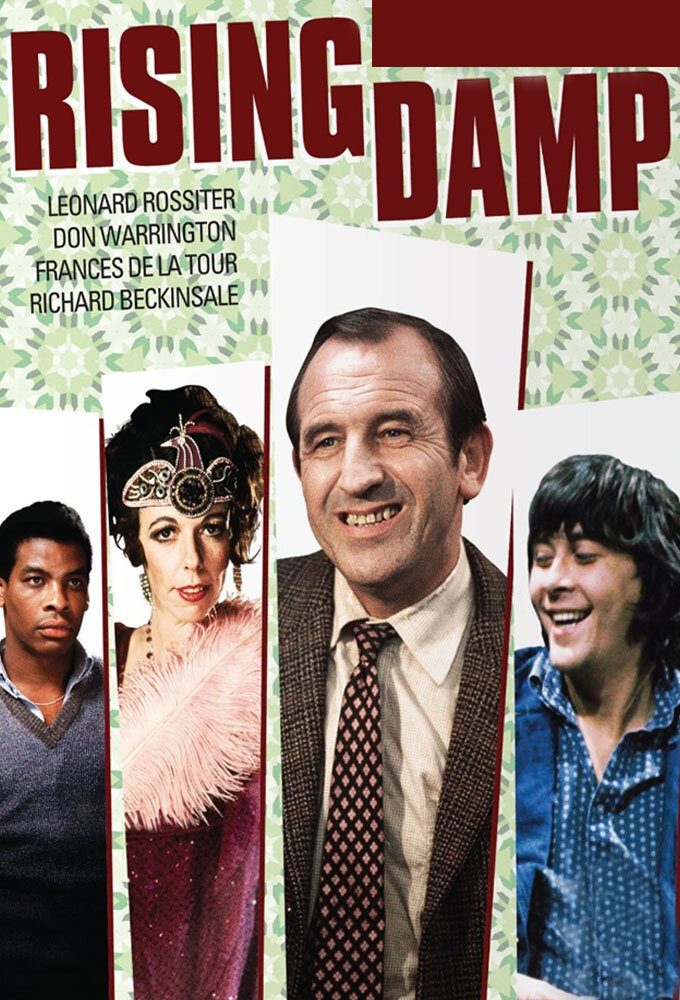
Leonard Rossiter as a landlord tormenting his tenants. The same energy as Stan versus Blakey—authority figures creating chaos, awful situations squeezed for comedy, a cast that knows exactly how to land a joke.
But The racial attitudes embedded in it are genuinely hard to watch, even accounting for the era. Some people find Rossiter's intensity exhausting rather than funny.
Not sure tonight? Get a pick in a minute, starting from On the Buses
The wildcard
Something you would not have found on your own.
Kes1970
Reg Varney appears in both; both are British working-class stories from the same year that treat their world with affection rather than mockery.
Also 1969, also about working-class life, also featuring Reg Varney. But where On the Buses finds warmth and comedy in constraint, Kes is about a boy trying to transcend his. Both are love letters to ordinary lives—just in completely different tones.
But It's a serious social realist drama about an unhappy teenager, not a sitcom. If you come for laughs, you'll be blindsided by genuine sadness.

More like this (7)
The Likely Lads1964
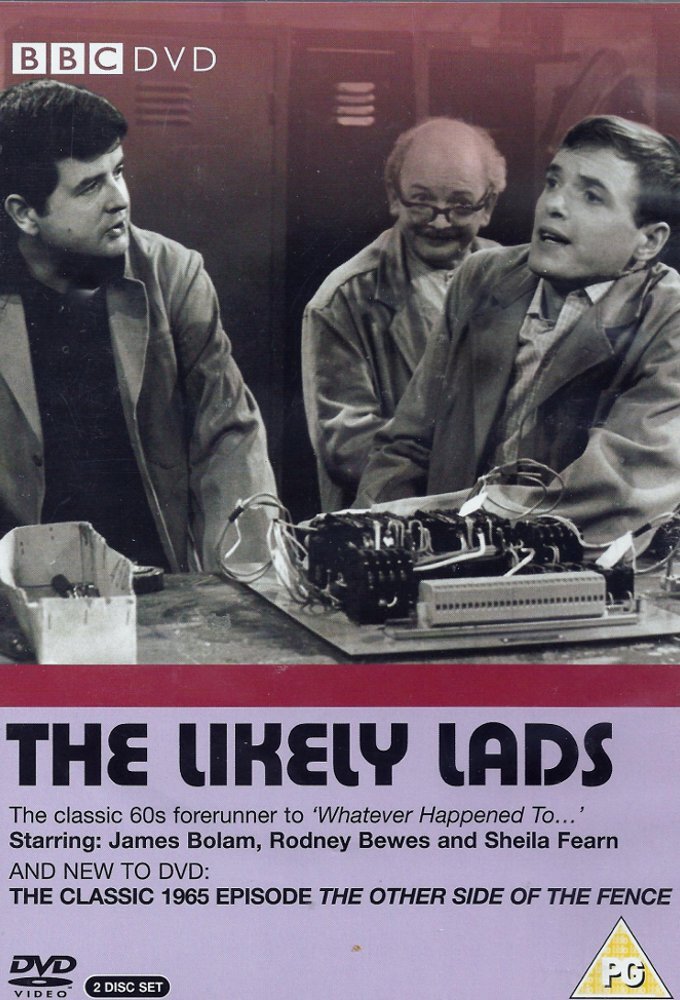
Two mates in the North trying to have fun and impress women while life keeps getting in the way. Same warmth, same earthy humour, same sense that these are real people we're laughing with.
But The second series got more sentimental and plotty. Early episodes are best, but that means starting from zero each time instead of a narrative arc.
The Comedians2015
A sketch show where British comedians work out their material. On the Buses is character-driven sitcom at its best; this shows you the raw energy and invention that feeds that tradition.
But Sketch shows are uneven by nature. Half the material lands, half doesn't. And it's very specifically a snapshot of 1970s club comics.

Carry On Camping1969
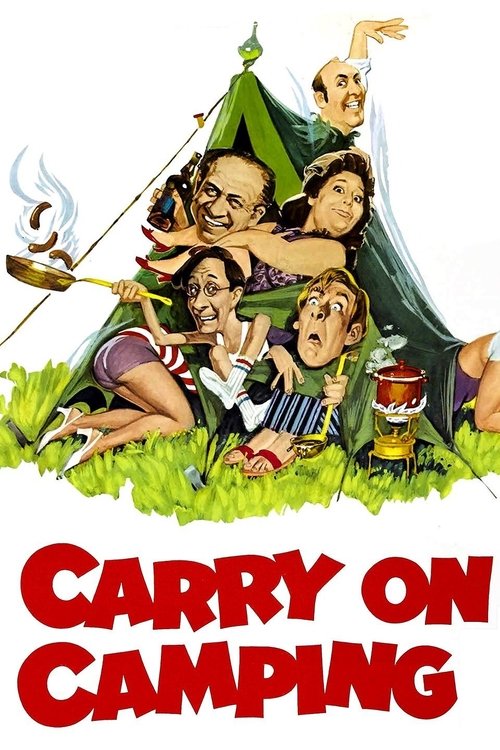
The Carry On films share On the Buses' DNA—seaside postcard humour, double entendre, a cast of reliable character actors, and an absolute commitment to making something that feels good to watch.
But They're films, so once you've seen the one joke setup, it's done. The comedy is even broader than the sitcom and relies more on innuendo than character.
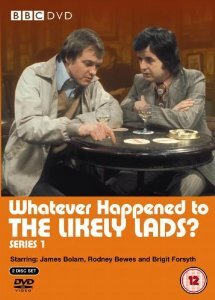
Whatever Happened to the Likely Lads?1973
The spiritual successor to The Likely Lads, this time about the same men a few years older. More sophisticated writing, still built on friendship and the gap between ambition and reality.
But It's a film rather than ongoing series, so it lacks the episodic comfort of a show you can dip into. And it's more reflective than purely funny.
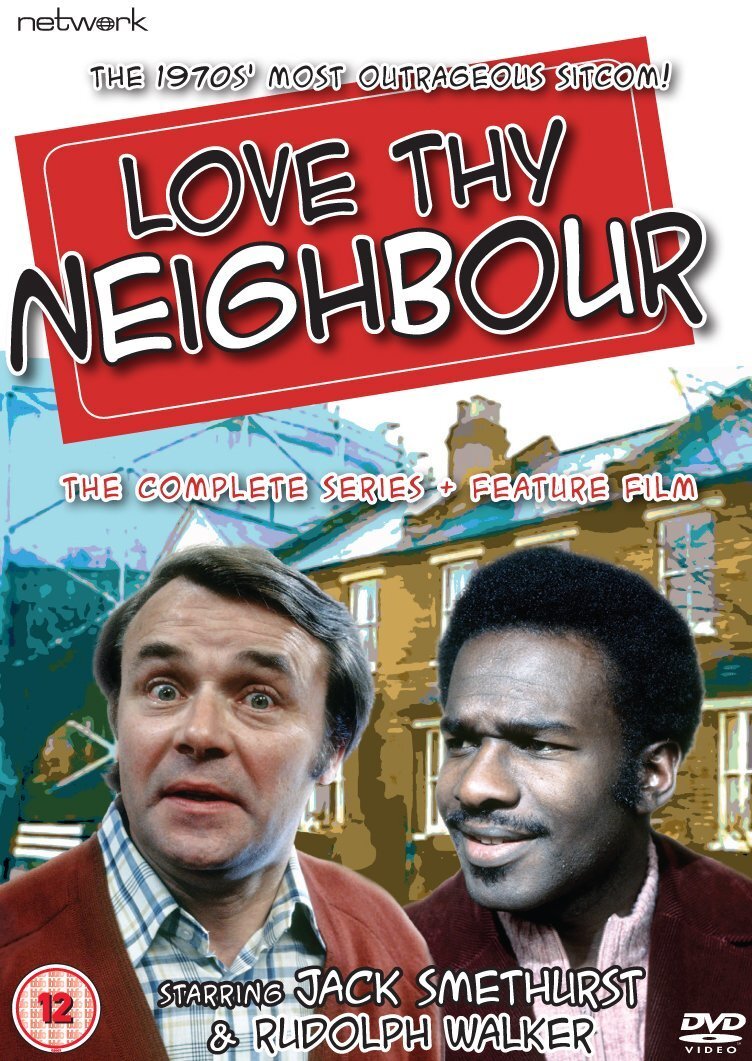
Love Thy Neighbour1972
Working-class sitcom with a similar cast energy and day-to-day domestic chaos. The same willingness to find comedy in ordinary people in ordinary situations.
But Its entire premise relies on racial stereotypes played for laughs. Even by 1972 standards, it's uncomfortable, and most viewers today won't be able to get past it.
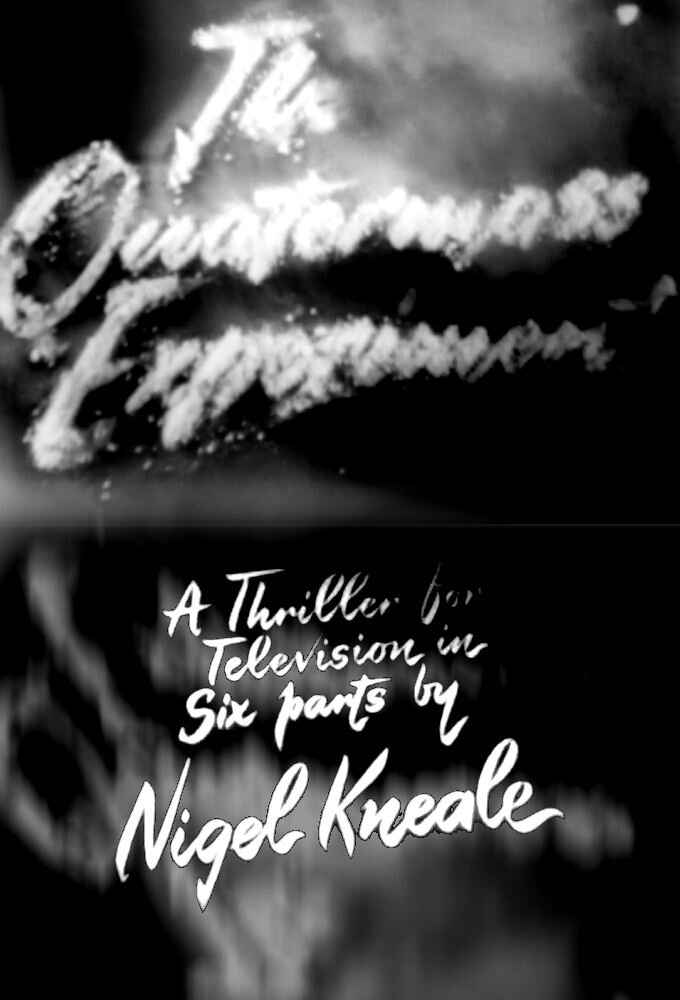
The Quatermass Experiment1953
Both find comedy and humanity in the gap between what men want and what their circumstances allow them to have. Both treat this gap with genuine affection rather than contempt.
A Japanese comedy-drama about salarymen trying to navigate work hierarchies, romantic misadventures, and the weight of family expectations. The bones are identical to On the Buses—the clash between desire and duty, the comedy in everyday humiliation—but in a completely different culture and register.
But It's in Japanese with subtitles. The pacing and joke structure are unfamiliar if you've never watched Japanese television. And it's more melancholic than the British original.
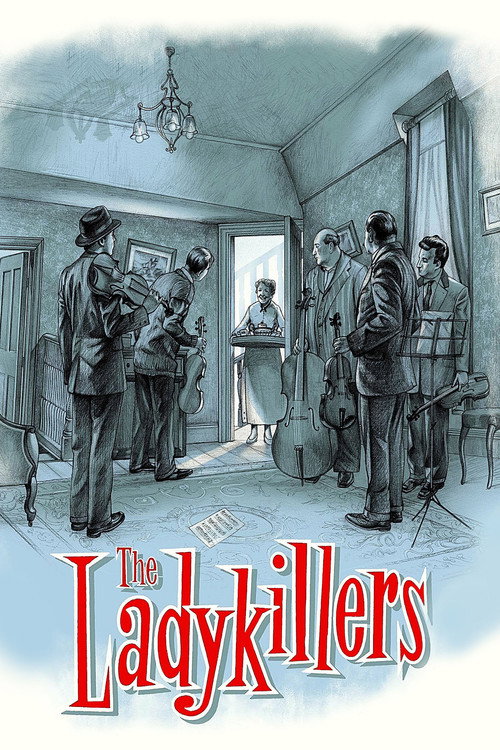
The Ladykillers1955
Both pit likeable men against authority and circumstance. Both find their comedy in character rather than gags. And both understand that domestic life is a sitcom in itself.
A heist film where a group of working-class men pretend to be musicians to plan a robbery. The real comedy comes from the collision between masculine bravado and domestic reality—Jack and Stan would recognize themselves in a heartbeat.
But It's a Ealing film from the 1950s, so the pacing is stately and the humour is understated. No slapstick or raised voices—it's all in the writing and performance.
People
Cast




Writing
- Ronald ChesneyCreator
- Ronald WolfeCreator