
Television series
Steptoe and Son
Two men in a cramped South London junkyard, bound by blood, poverty and habit, wear each other down week after week. Harold wants out and up; Albert, filthy and cunning, always finds a way to pull him back. Written by Galton and Simpson with real bite, it's less gag-a-minute sitcom than domestic tragedy that happens to be funny — claustrophobic, class-conscious, startlingly bleak for BBC teatime.
Should you watch it?
Watch it if you love sitcoms that run on two people who cannot escape each other, where the bickering is funny because the affection underneath is grudging and nearly invisible.
Skip it if you need likeable characters or modern pacing, since the men are often unpleasant to each other and the 1960s studio staging feels stagey and dated.
What it asks of you: Expect half-hour episodes built around one room and two voices, with the same argument circling back until its sting lands; patience pays more than speed does.
Not sure? Find tonight's pick in a minute.
If you liked this
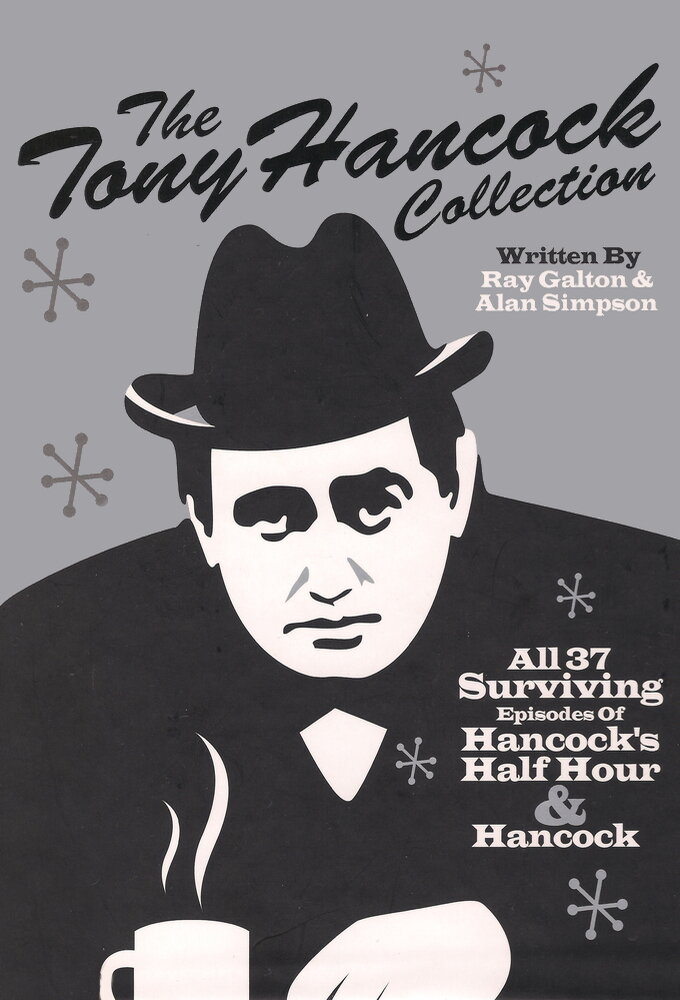
Hancock's Half Hour1956
The same writers, Galton and Simpson, building their voice on a different fool — Tony Hancock's grandiose self-delusion is the comic ancestor of Harold's doomed aspirations.
But Gentler and slower, with no squalor or despair; pure verbal comedy that some modern viewers find a bit stately.
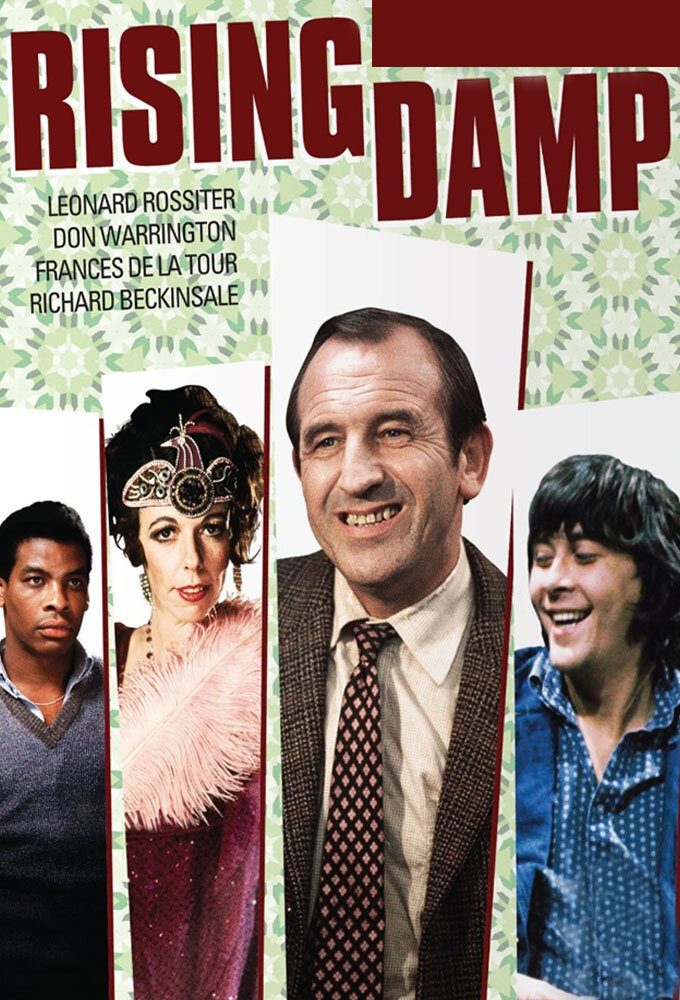
Rising Damp1974
Same grubby, class-bound British sitcom DNA — a mean landlord, tatty digs, and a brilliant two-hander built on contempt that's tangled up with real need.
But Studio-bound sitcom rhythms and a laugh track that some find creakier and more old-fashioned than Steptoe's.
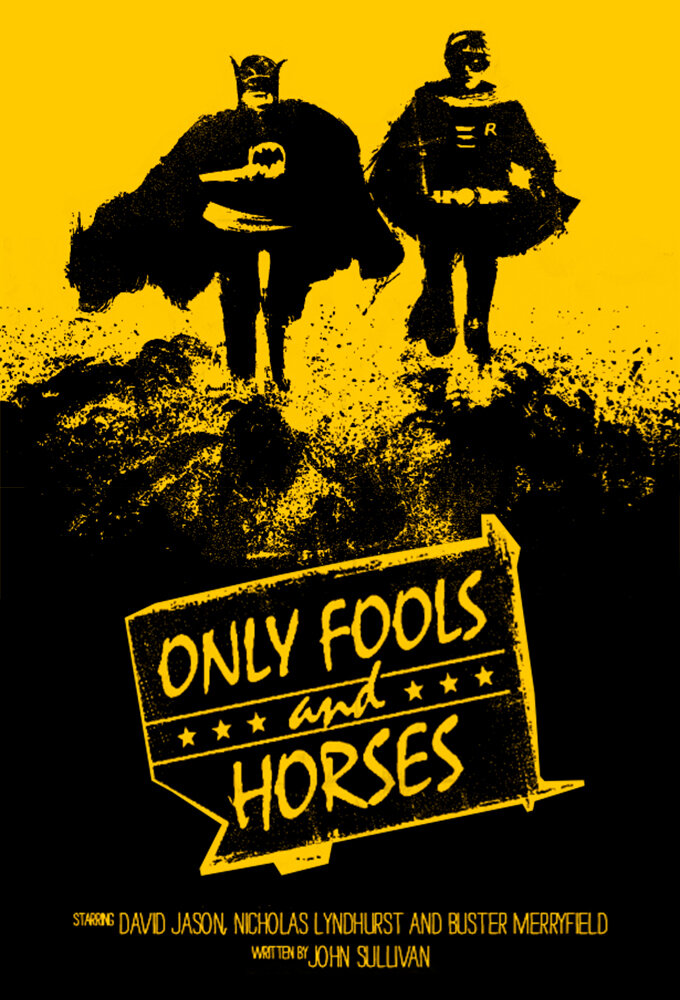
Only Fools and Horses....1981
Another cluttered yard, another scheme that never quite lands, another generation hoping this time will be different — warmer, but built from the same bones.
But Sunnier and more sentimental, missing the bitter, claustrophobic edge that makes Steptoe cut so much deeper.
Not sure tonight? Get a pick in a minute, starting from Steptoe and Son
The wildcard
Something you would not have found on your own.
Grey Gardens1976
Same shape as Steptoe — two people bound by blood and poverty who can't leave each other, love curdled into a life sentence. Grey Gardens proves families really do get stuck like this.
A real mother and daughter, once glamorous, now marooned together in a crumbling mansion — bickering, adoring, and suffocating each other in a way no script could improve on.
But It's a real family's decline caught on camera, not comedy, and watching it can feel intrusive, even queasy.

More like this (8)
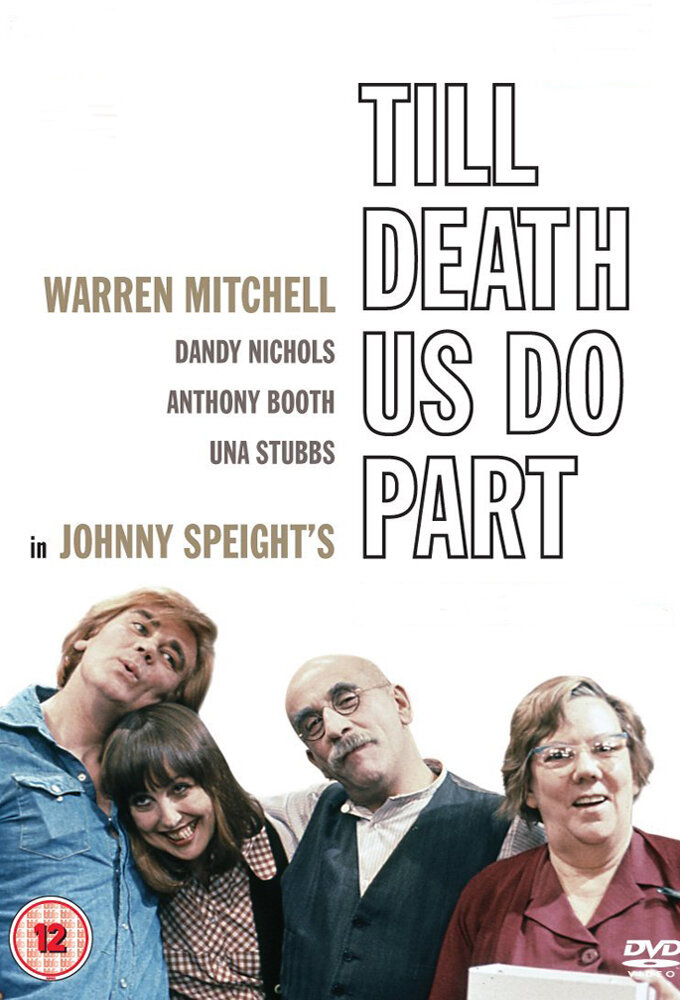
Till Death Us Do Part1966
Same era, same appetite for putting a loathsome, reactionary man at the centre of the joke and daring you to still find him funny.
But Alf Garnett's bigotry is played straight for shock, and some of it now lands as simply ugly rather than satirical.
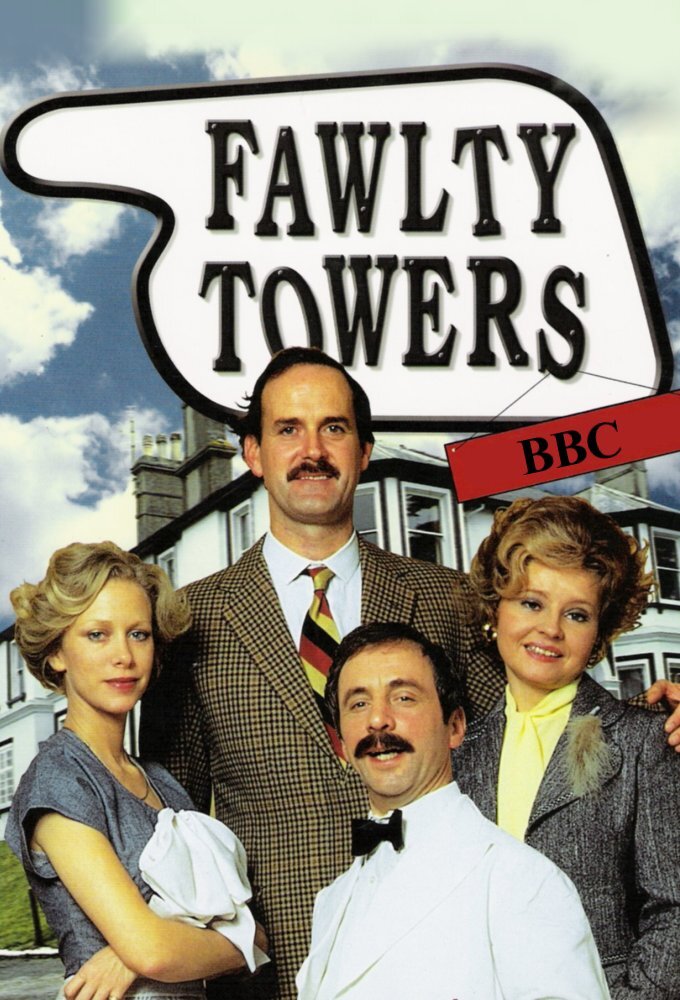
Fawlty Towers1975
A masterclass in trapping someone impossible with someone who can't leave, and wringing every ounce of humiliation out of it.
But Pure farce — faster, broader, and missing Steptoe's slow-burn melancholy and grime.
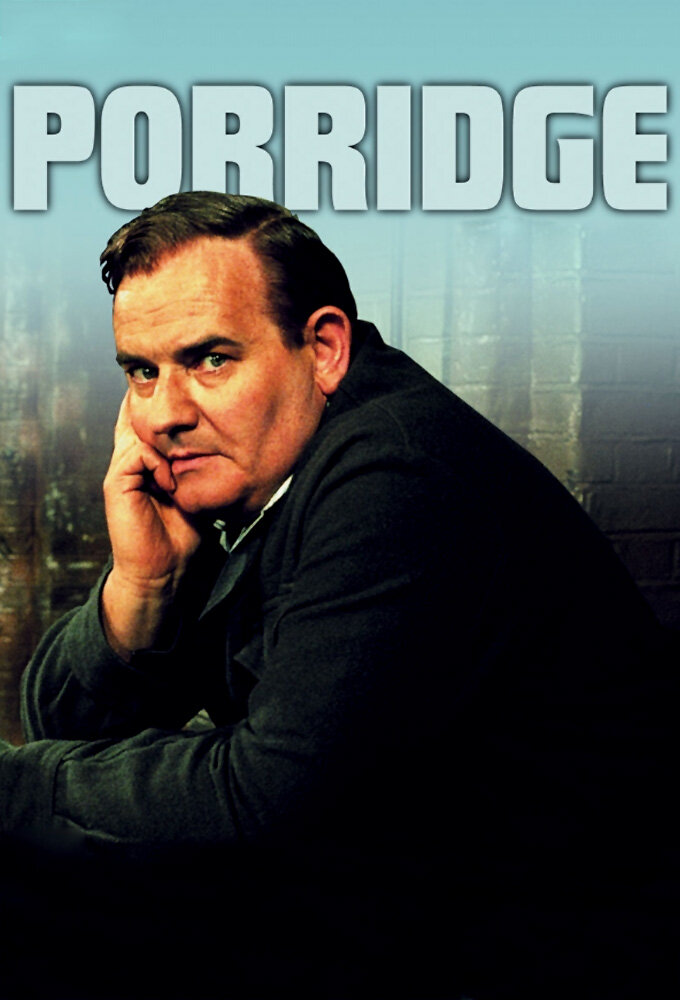
Porridge1974
Another two-man cell, another older cynic wearing down a younger man's hopes, written with the same unsentimental warmth by Clement and La Frenais.
But Prison swaps out Steptoe's filth and pathos for something tidier, cosier, and more forgiving.
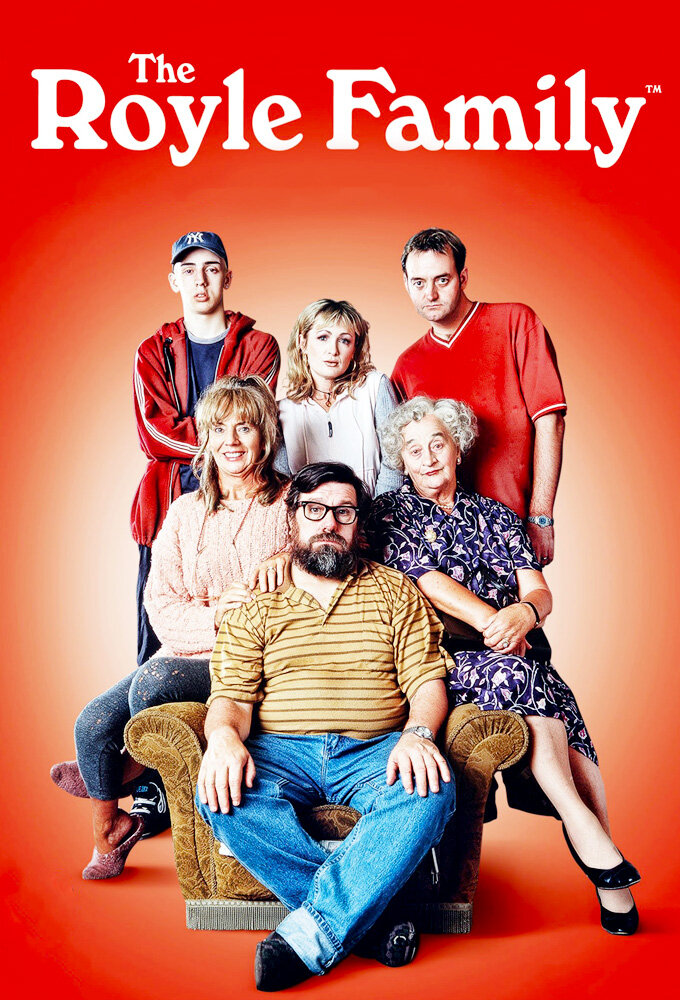
The Royle Family1998
Swaps the yard for a sofa but keeps the family stuck together, watching telly, going nowhere, loving and needling each other in equal measure.
But Almost plotless by design — if you need jokes with actual punchlines, this will frustrate you.
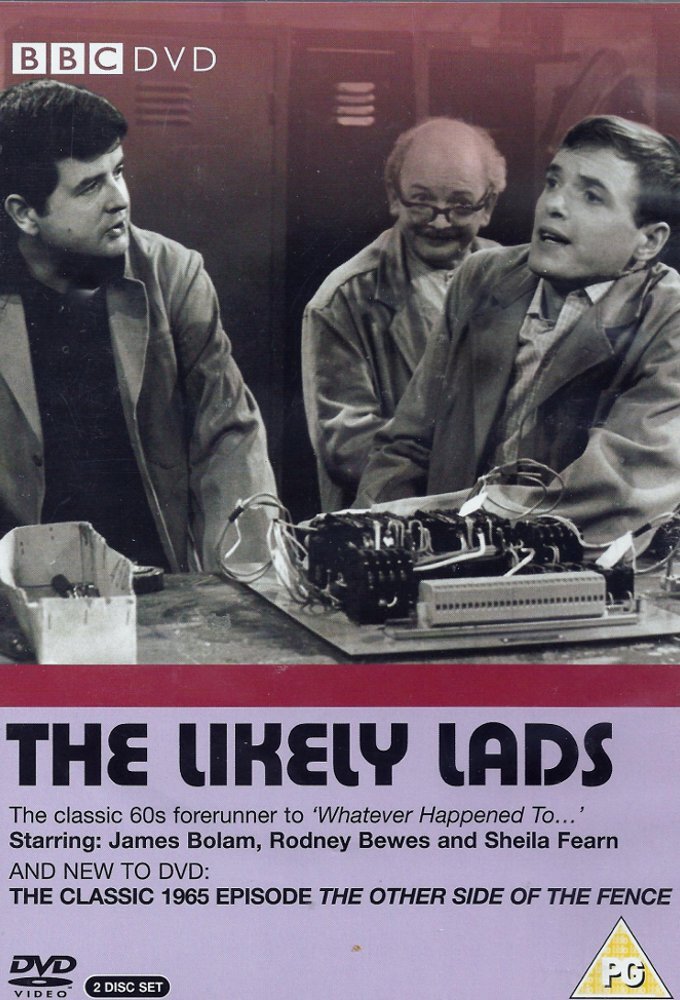
The Likely Lads1964
Working-class Newcastle lads instead of a junkyard, but the same ache of wanting more than your life seems willing to hand you.
But Softer stakes and no father figure crushing ambition — a gentler, less bitter kind of frustration.
Frasier1993
Swap the junkyard for a Seattle penthouse and you still get a son embarrassed by his father, and a father who refuses to be improved.
But Glossy, articulate and expensive — about as far from Steptoe's grime and desperation as a sitcom gets.
Waiting for Godot1961
Both are comedies of entrapment where escape is discussed constantly and never happens. Beckett got there first and stripped away the junkyard to expose the bare mechanism underneath.
Two men wait pointlessly by a road, sniping and depending on each other, filling dead time with routines that go nowhere — Beckett's tramps are Harold and Albert's philosophical cousins.
But No plot, no punchlines in the sitcom sense, and humour that's bone-dry rather than easy.
Long Day's Journey Into Night1962
The same father-son claustrophobia and thwarted ambition as Steptoe, drained of comedy entirely — proof the sitcom's structure was really tragedy wearing a laugh track.
A father and son locked in one house for one endless day, old wounds and resentments surfacing with unbearable honesty — the same engine as Steptoe, played dead straight.
But Nearly three hours of raw, tragic family confrontation with no jokes to let the pressure off — a heavy, demanding watch.
People
Cast

Recommended by
Porridge, Only Fools and Horses...., One Foot in the Grave, Hancock's Half Hour, Till Death Us Do Part, Bread, Rising Damp, Man About the House, Sanford and Son, The Fall and Rise of Reginald Perrin, Desmond's, The Likely Lads, Whatever Happened to the Likely Lads?, The Adventures of Barry McKenzie, On the Buses, The Best Pair of Legs in the Business, Father, Dear Father, Citizen Smith, Świat według Kiepskich, On the Buses, Kingswood Country, Are You Being Served? The Movie, Never Mind the Quality, Feel the Width, Love Thy Neighbour, Knight Errant Limited, George and Mildred, Still Game, Bless This House, The Army Game, Sykes, Mutiny on the Buses