
Television series
Rising Damp
A gloriously shabby 1970s sitcom set in one crumbling boarding house, where landlord Rigsby lords over his tenants with snobbery, self-pity and wildly inflated self-regard. Leonard Rossiter's comic timing carries every scene, but it's the show's melancholy — thwarted desire, class anxiety, loneliness dressed up as bluster — that makes it more than just gags. For anyone who likes their comedy a little sour.
If you liked this
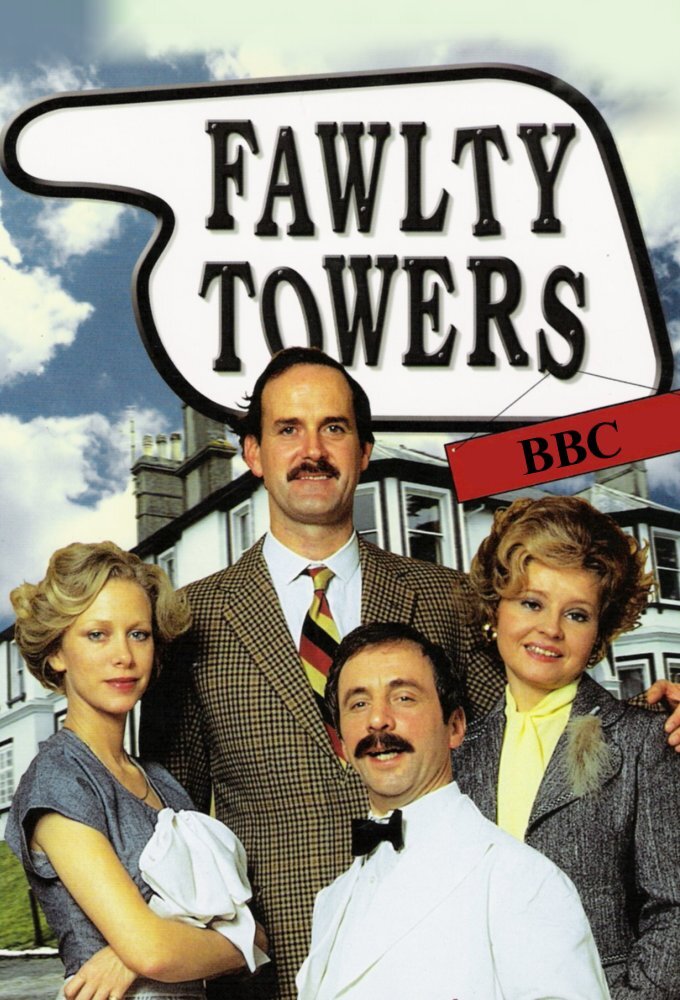
Fawlty Towers1975
If you love watching a proprietor's dignity get flayed episode after episode, this is the gold standard — Basil Fawlty is Rigsby's posher, equally deluded cousin, and Cleese's physical comedy is unmatched.
But Only twelve episodes exist, so it's over almost as soon as it starts, and Basil's rage is more manic, less melancholy.
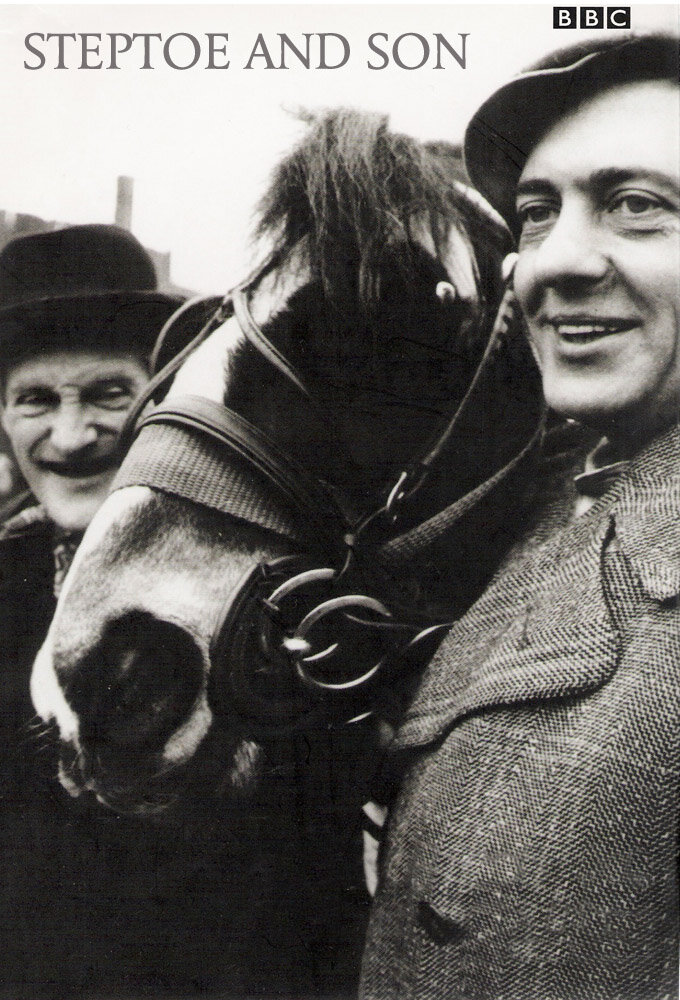
Steptoe and Son1962
Same trap of poverty and pretension, played for tragicomedy rather than gags — a father and son locked in a junkyard, endlessly at each other's throats and unable to leave.
But It's bleaker and slower than Rising Damp, with less plot and more existential despair; not one for a light evening.
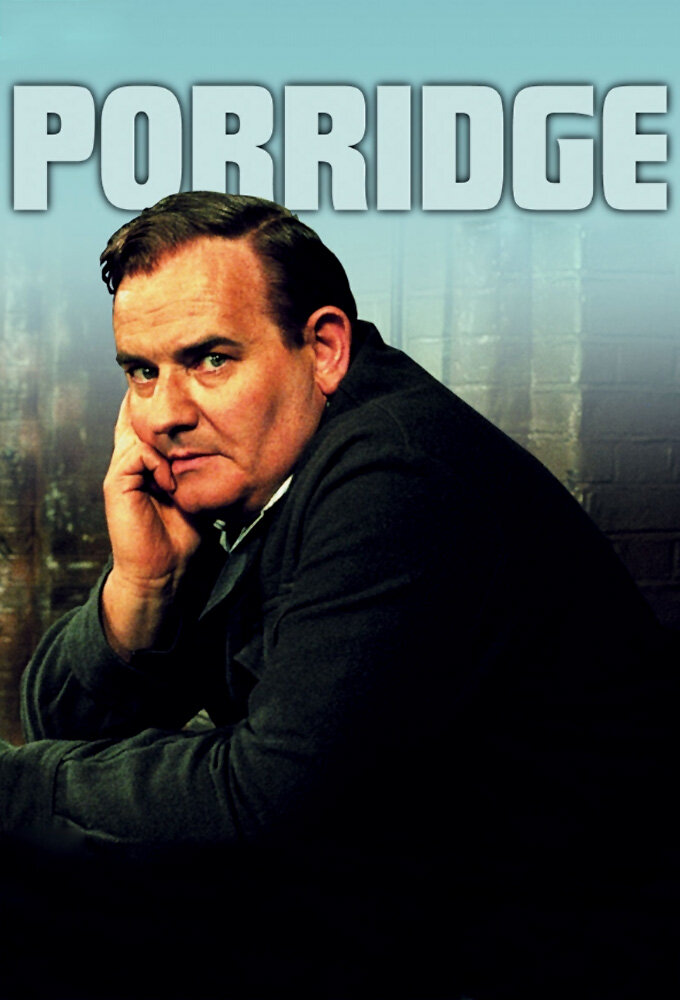
Porridge1974
Richard Beckinsale again, this time behind bars rather than in a bedsit, in a prison sitcom that finds the same warmth and wit in a grim, confined setting.
But The prison setting means less of the class-comedy skewering that makes Rigsby so much fun to watch.
The wildcard
Something you would not have found on your own.
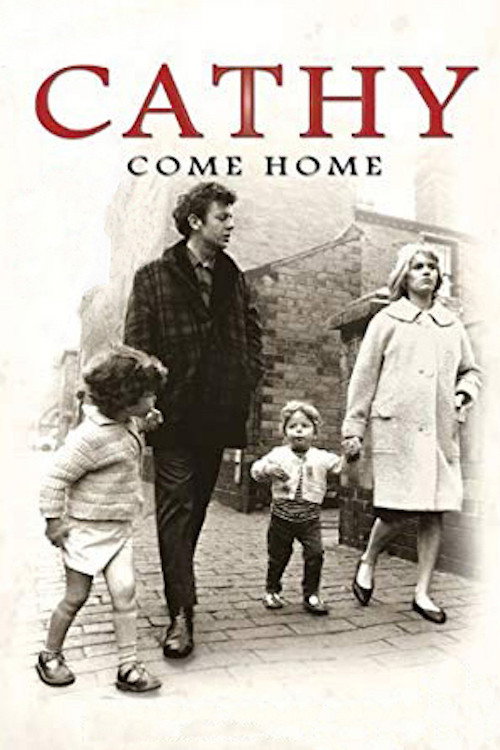
Cathy Come Home1966
Rising Damp mines its slum landlord for comedy; this shows you exactly what that world looks like without the jokes — the housing crisis sitting underneath the punchlines.
Ken Loach's landmark drama about a young family sliding into homelessness through a string of terrible landlords and worse luck — devastating, and it actually changed British housing policy.
But There is no comedy here at all — it's a gut-punch of a social-realist drama, not an evening of laughs.
More like this (8)
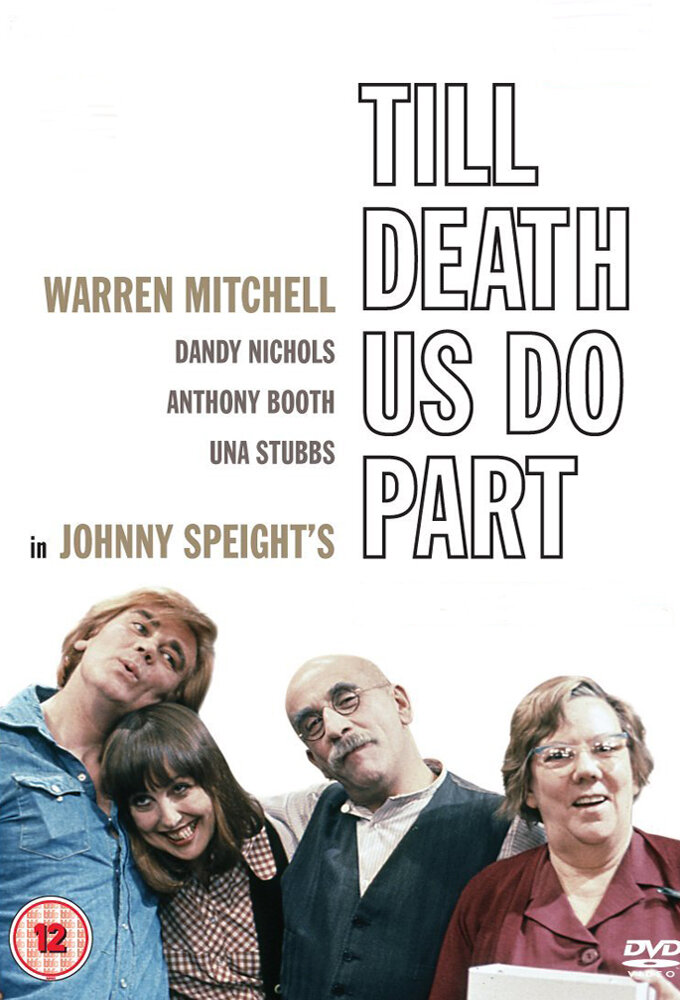
Till Death Us Do Part1966
Alf Garnett is the bigoted, blustering forerunner to Rigsby — a loudmouth constantly, satisfyingly undone by the people around him.
But The satire is broader and the bigotry more explicit and sustained; it can feel much harsher by modern standards.
Man About the House1973no page yet
A contemporary sitcom built around a landlord's suspicious, censorious relationship with his tenants — different flavour, same landlord-tenant comic engine.
But The comedy leans more on innuendo and less on the beautifully vicious comic dialogue Rossiter thrives on.
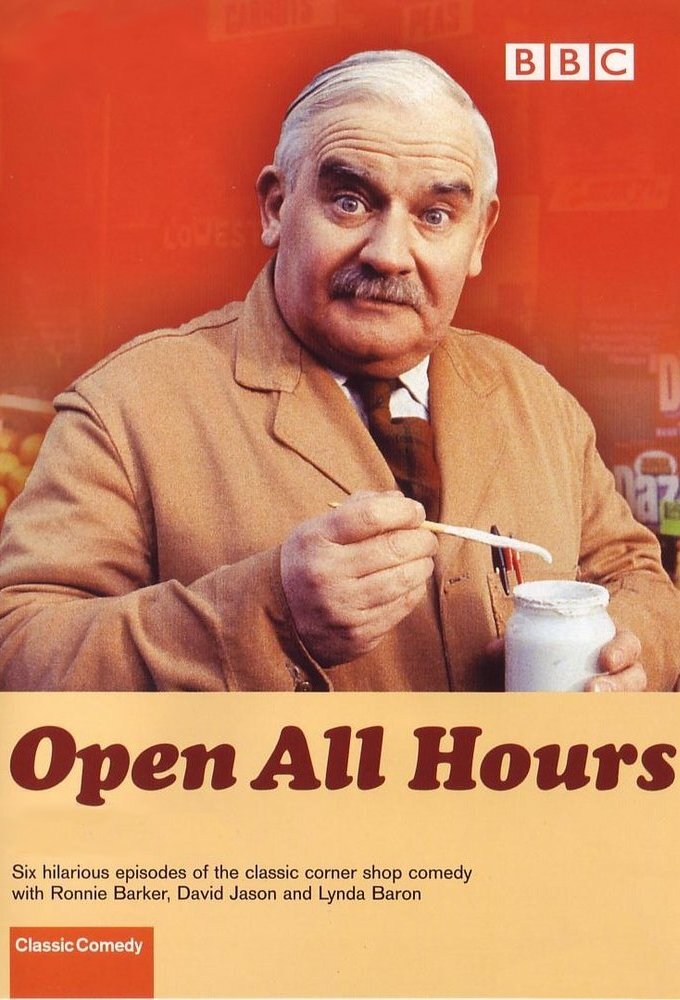
Open All Hours1976
David Jason's tight-fisted shopkeeper Arkwright is another glorious comic miser, all cunning and self-delusion, wringing every penny from his hapless nephew.
But It's gentler and more whimsical, without Rigsby's undercurrent of loneliness and thwarted ambition.
Whatever Happened to the Likely Lads?1973
A quieter, more melancholy comedy about class, aspiration and friendship fraying at the edges — the laughs come laced with real sadness, much like Rigsby's.
But It's about mates rather than landlord and lodgers, so you lose that particular dynamic of power and resentment.
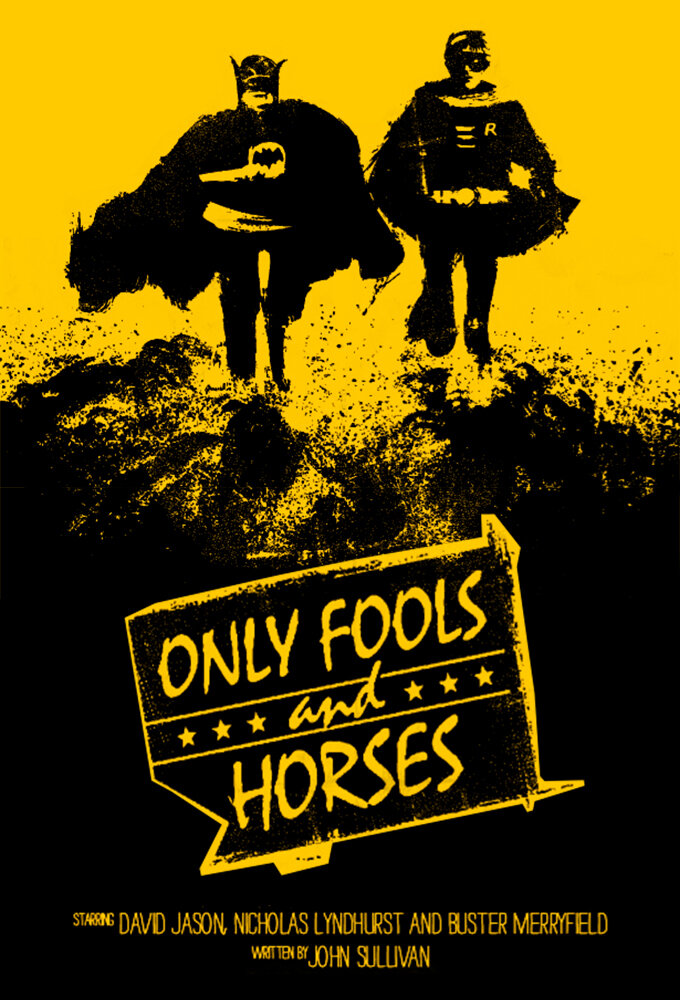
Only Fools and Horses....1981
Trotter's scheming, class-anxious charm carries the same DNA as Rigsby's grandiose delusions, just with a warmer heart and a bigger budget.
But It's sunnier and more sentimental in the end, without Rising Damp's sourer, more claustrophobic edge.
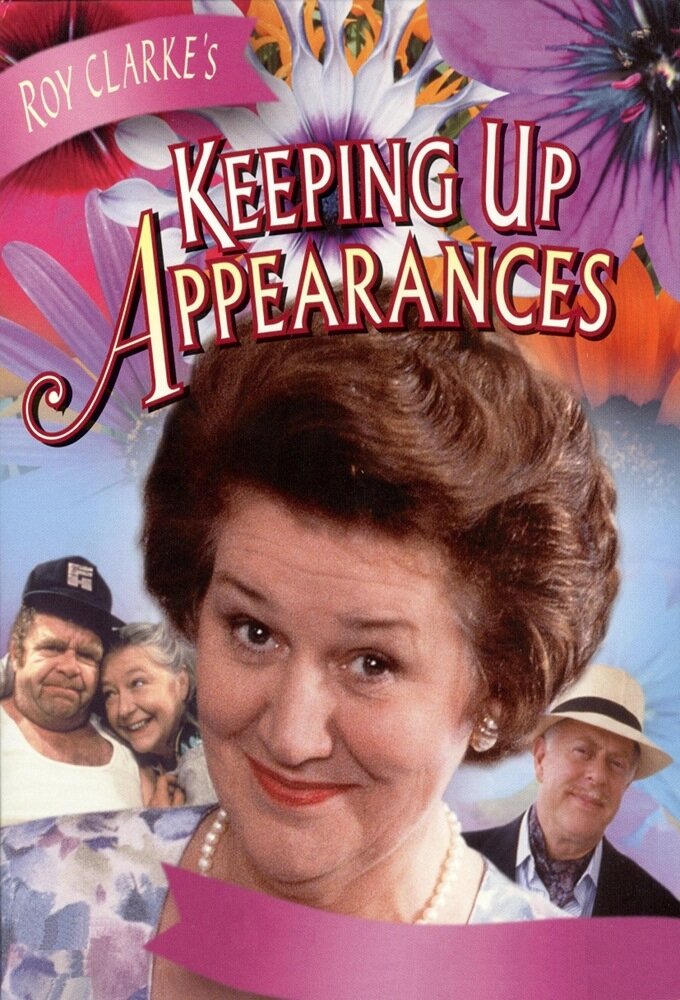
Keeping Up Appearances1990
If it's the comedy of pretension you loved — someone desperately performing a status they don't have — Hyacinth Bucket is the fabulous, gaudier descendant of that idea.
But It's broader, brighter and much less interested in real class or money anxiety than Rising Damp.
The Landlord1970no page yet
Rigsby's casual racism toward Philip is Rising Damp's most serious undertone; this film puts landlord-tenant race politics front and centre instead of leaving them as subtext.
A rich young landlord buys a Brooklyn brownstone meaning to evict his Black tenants and gentrify it, and instead gets pulled into their lives — sharp, funny and startlingly honest about race and class.
But It plays its comedy against real, pointed anger about race in America, which is a much harder edge than Rigsby's petty prejudices.
The Caretaker1964no page yet
Same engine as Rising Damp: a shabby house, a man clinging to whatever scrap of authority he has, and the comedy and cruelty of people fighting over almost nothing.
Pinter's own screenplay, adapted from his play, about a tramp who moves into a decaying house and starts jockeying for power with two brothers — the same claustrophobic comedy of status and squalor, years before Rigsby's bedsit.
But It's slow, theatrical and often quite bleak — there's a menace here that Rising Damp mostly keeps as subtext.
People
Cast


Writing
- Eric ChappellCreator
Recommended by
Porridge, One Foot in the Grave, Hancock's Half Hour, Steptoe and Son, Till Death Us Do Part, The Likely Lads, Whatever Happened to the Likely Lads?