
Film
The Landlord
A wealthy white man impulsively buys a tenement in 1970s Brooklyn to escape his suffocating family, planning to displace Black tenants for profit—then discovers himself through genuine connection with the community he meant to exploit. Hal Ashby's debut is a tonal high-wire act: simultaneously sharp satire about privilege, earnest romance, and lived comedy that earns its emotional turns without ever feeling sanctimonious.
Should you watch it?
Watch it if you enjoy satirical comedies about class and race that stay sharp and uneasy, where the laughs keep turning into something more pointed, in the manner of late-sixties American films that dared to be awkward.
Skip it if you want a tidy, feel-good comedy with clear heroes; its humor is often prickly and its wit cuts close to discomfort, and the tone can feel abrasive or scattered at points.
What it asks of you: It runs about two hours at an unhurried, wandering pace, asking you to sit with uncomfortable social observation and shifts in mood rather than following a neat comic rhythm.
Not sure? Find tonight's pick in a minute.
If you liked this
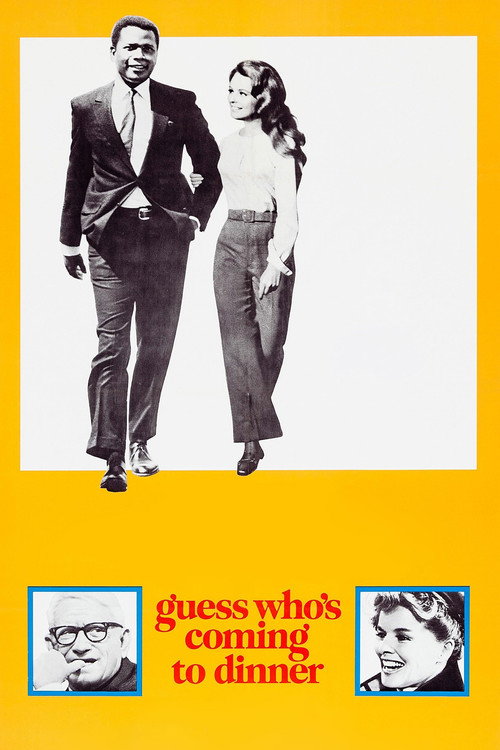
Guess Who's Coming to Dinner1967
Sidney Poitier and Spencer Tracy navigate a romance that forces a liberal white family to confront their actual beliefs versus their professed ones. Direct, humane, with real stakes beneath the drawing-room setting.
But The messaging can feel pedagogical; it's very much a film about convincing white audiences of something they should already know.
Shaft1971
A Black private detective thriller with Isaac Hayes's iconic score, moral complexity, and the confidence of a genre film that doesn't apologize for its protagonist's cynicism or sexuality. Funky, propulsive, genuinely cool.
But The plot is fairly straightforward detective work; the real appeal is atmosphere and attitude, which won't sustain everyone for ninety minutes.

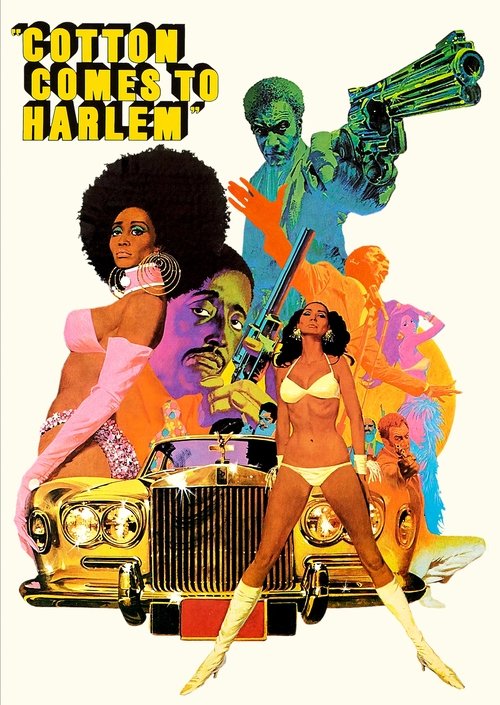
Cotton Comes to Harlem1970
Two Black detectives, real chemistry, a heist wrapped in satire of exploitation and con artistry. Ossie Davis and Godfrey Cambridge make it sing—it's funny without winking, street-smart without condescension.
But It sits oddly between comedy and crime thriller; the tonal mix doesn't always land smoothly.
Not sure tonight? Get a pick in a minute, starting from The Landlord
The wildcard
Something you would not have found on your own.
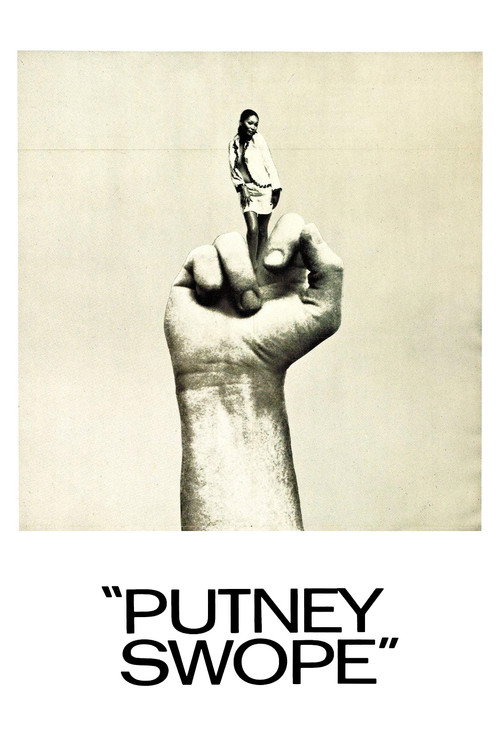
Putney Swope1969
Both are satires about an outsider infiltrating a corrupt system and discovering unexpected humanity; both use comedy to cut through hypocrisy without lecturing. The Landlord is earnest about transformation; Putney Swope burns the whole thing down—but they're asking the same questions.
Robert Downey Sr.'s surreal satire about a Black advertising executive accidentally inheriting a Madison Avenue firm and dismantling it from within. It's funny, angry, and visually unhinged in ways mainstream comedy wouldn't dare.
But It's aggressively avant-garde and the satire is so abstract it can be exhausting; the plot is almost beside the point.
More like this (8)
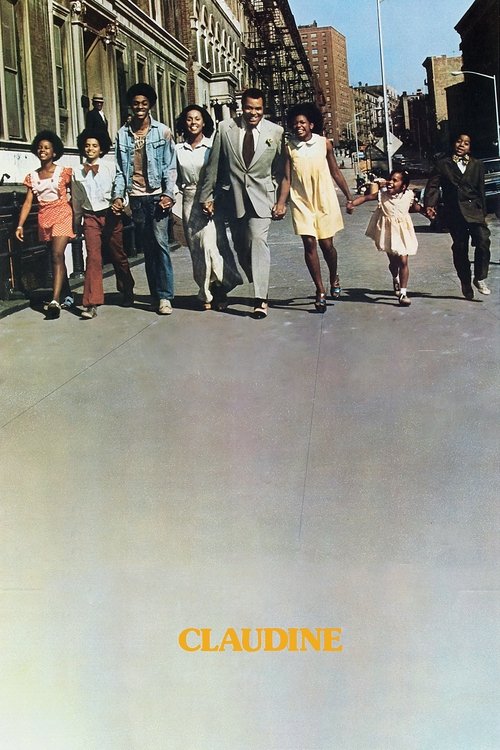
Claudine1974
Diahann Carroll as a widow navigating welfare, work, and romance with James Earl Jones. Genuinely tender, genuinely funny, and it refuses to sentimentalize poverty or make its characters digestible for white discomfort.
But The romantic subplot takes over in the final act, which some find a deflation from the sharper social observation.
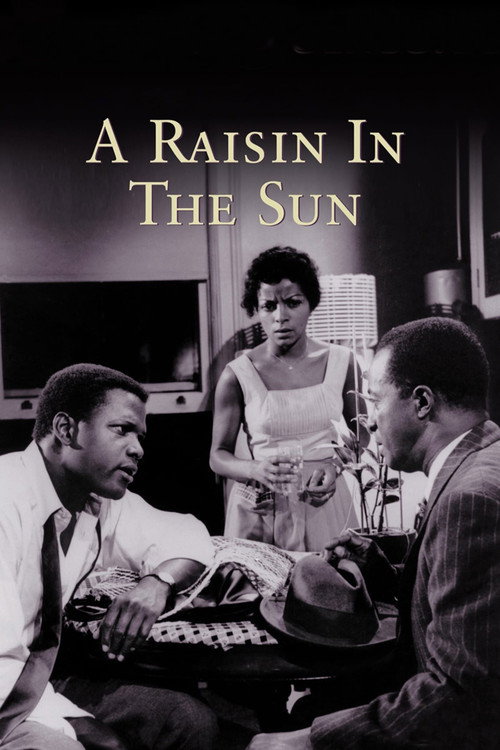
A Raisin in the Sun1961
Lorraine Hansberry's play about a Chicago family fighting for dignity and possibility, anchored by Sidney Poitier and Claudia McNeil. It's tender and furious, intimate and structurally perfect.
But It's stagey—intentionally so—and the pacing can feel deliberate if you want propulsion over character.
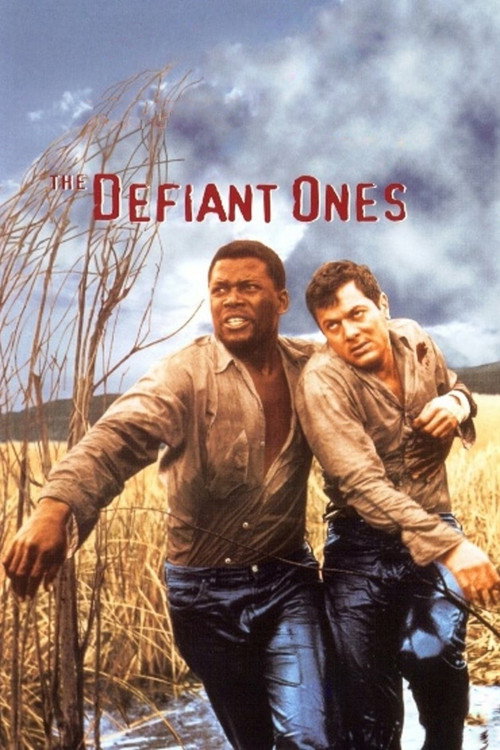
The Defiant Ones1958
Sidney Poitier and Tony Curtis chained together in a Southern escape film that uses genre thrills to explore race and complicity without ever feeling like a lesson. Tense, occasionally funny, genuinely affecting.
But The metaphor can feel a bit on-the-nose, and the resolution favors sentiment over the harder truths it's been circling.
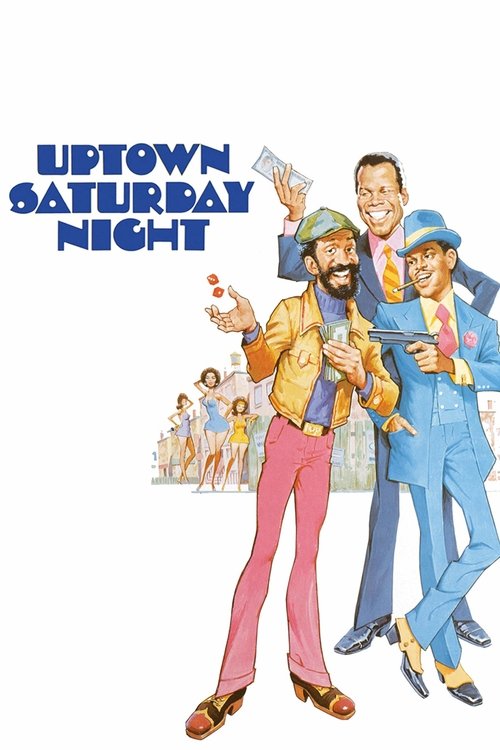
Uptown Saturday Night1974
Sidney Poitier, Bill Cosby, and a heist comedy set in Black Washington D.C. nightlife. It's broad, it's joyful, it's interested in fun first and everything else after—and there's real warmth underneath.
But The comedy is very broad and sometimes slides into caricature; the plot is almost incidental to the vibe.
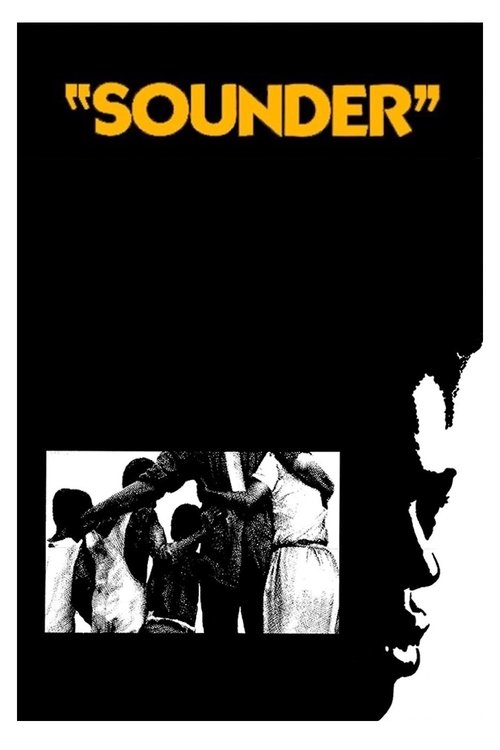
Sounder1972
A Depression-era family drama about a Black sharecropper's family with Cicely Tyson and Paul Winfield. Beautifully shot, genuinely moving, centered on dignity and resilience without romance or spectacle.
But It's quiet and austere; there's little plot, and the emotional register is subdued throughout.
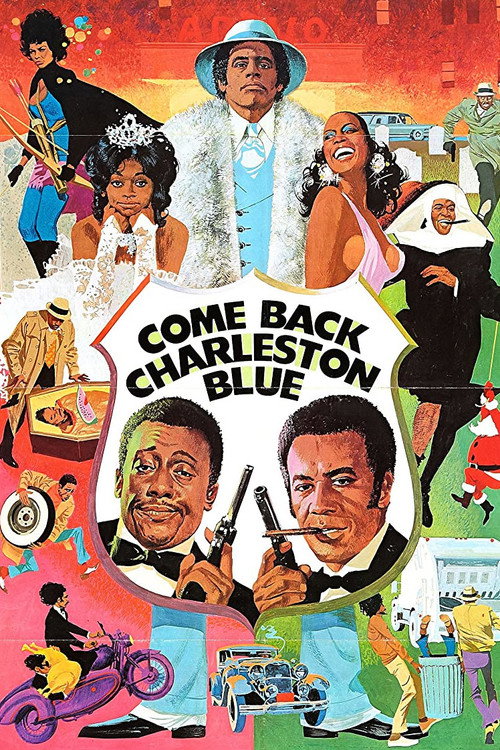
Come Back, Charleston Blue1972
The sequel to Cotton Comes to Harlem with Ossie Davis and Godfrey Cambridge still sparring as detectives navigating a murder in Harlem. More confident than the first, more willing to be strange and satirical.
But It's genuinely weird in places, and the mystery plot is secondary to the comedy and social observation, which won't appeal to everyone.
Killer of Sheep1978
Where The Landlord finds comedy and hope through connection, Killer of Sheep finds grace in exhaustion and small moments. Both center Black interior lives with complete seriousness; both refuse to perform Blackness for white approval.
Charles Burnett's neorealist masterpiece about a slaughterhouse worker in Watts, filmed in black-and-white on 16mm. It's poetic and devastating, alive to beauty and dignity within constraint. One of the greatest American films, barely known.
But There's no plot; it's mood and observation. It's slow, it's poor, it requires patience and openness to cinema that isn't narrative-driven.

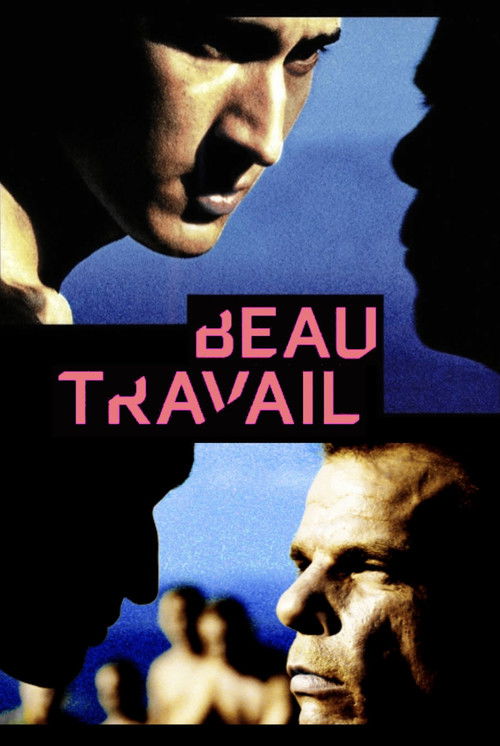
Beau Travail2000
Both examine the corrosive effects of displacement and class anxiety; both feature men fumbling toward recognition of the people they've tried to exploit or dominate. The Landlord is a comedy about education; Beau Travail is a tragedy about it arriving too late. Opposite registers, same spiritual reckoning.
Claire Denis's hypnotic, elliptical film about a French military man's jealous obsession in Djibouti. Shot like a fever dream, structured like a poem, anchored by Denis Lavant's coiled rage and vulnerability. Utterly original.
But It's abstract, sometimes glacial, and the emotional content is conveyed through image and body language rather than dialogue or plot clarity.
People
Cast
 Beau BridgesElgar Enders
 Lee GrantJoyce Enders
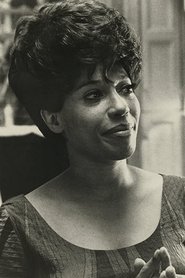 Diana SandsFrancine "Fanny" Johnson
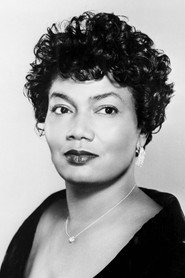 Pearl BaileyMarge
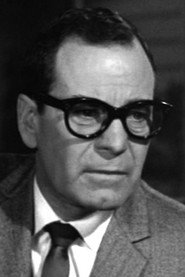 Walter BrookeWilliam Enders
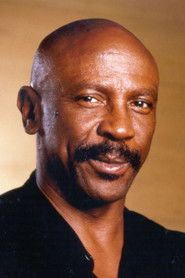 Louis Gossett Jr.Copee Johnson
 Marki BeyLanie
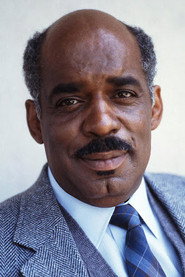 Mel StewartProfessor Duboise
 Susan AnspachSusan Enders
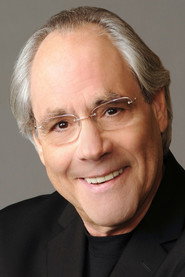 Robert KleinPeter
- Will MackenzieWilliam Jr.
- Gretchen WaltherDoris
Directing
- Hal AshbyDirector
- Terence NelsonFirst Assistant Director
- Marguerite JamesScript Supervisor
- Kurt BakerSecond Assistant Director
- Norman I. CohenSecond Assistant Director
Writing
- Kristin HunterNovel
- Bill GunnScreenplay
Production
- Patrick J. PalmerAssociate Producer
- Lynn StalmasterCasting
- Walter MirischExecutive Producer
- Norman JewisonProducer